9.8Exceptional 170 reviews
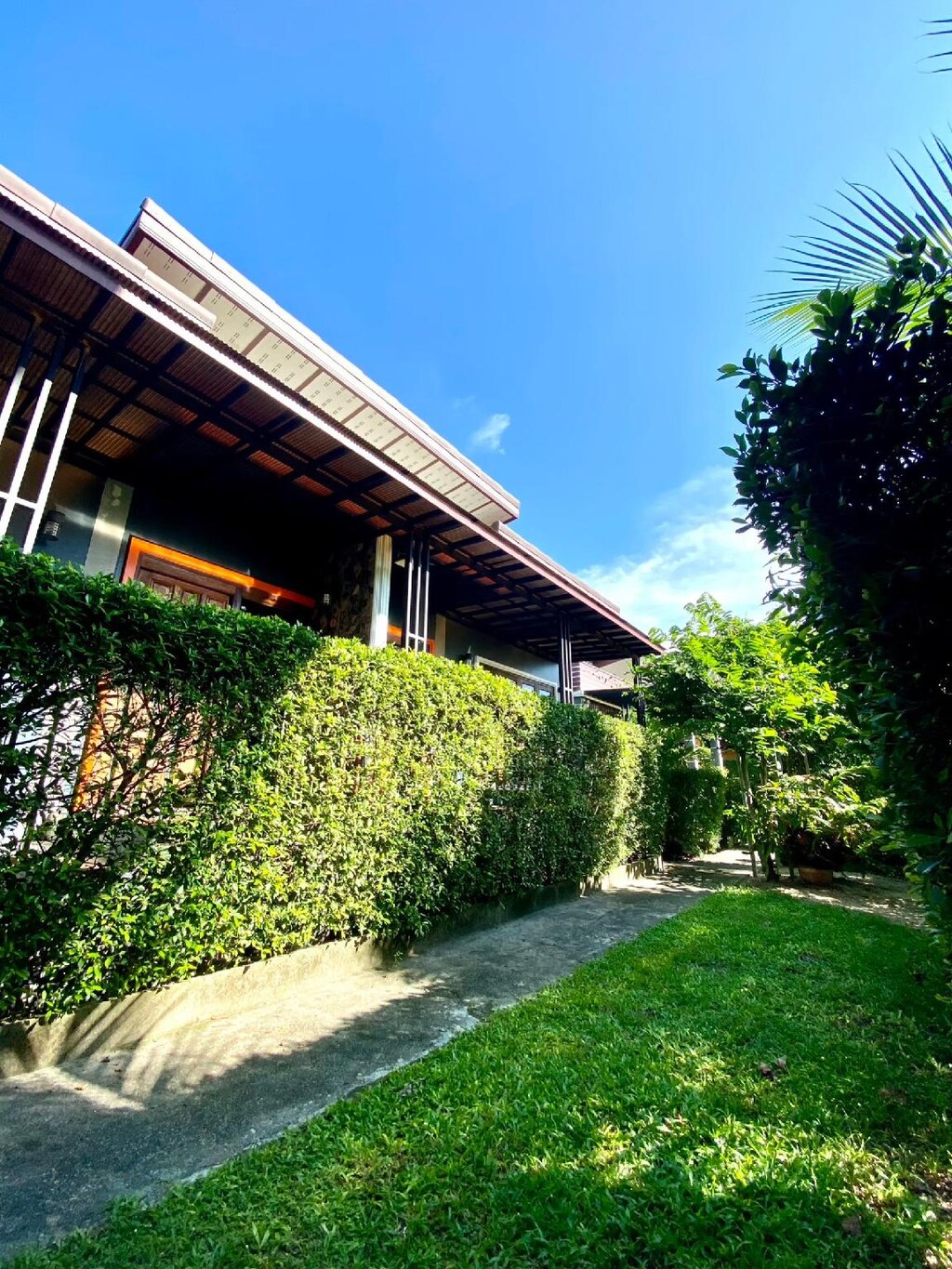
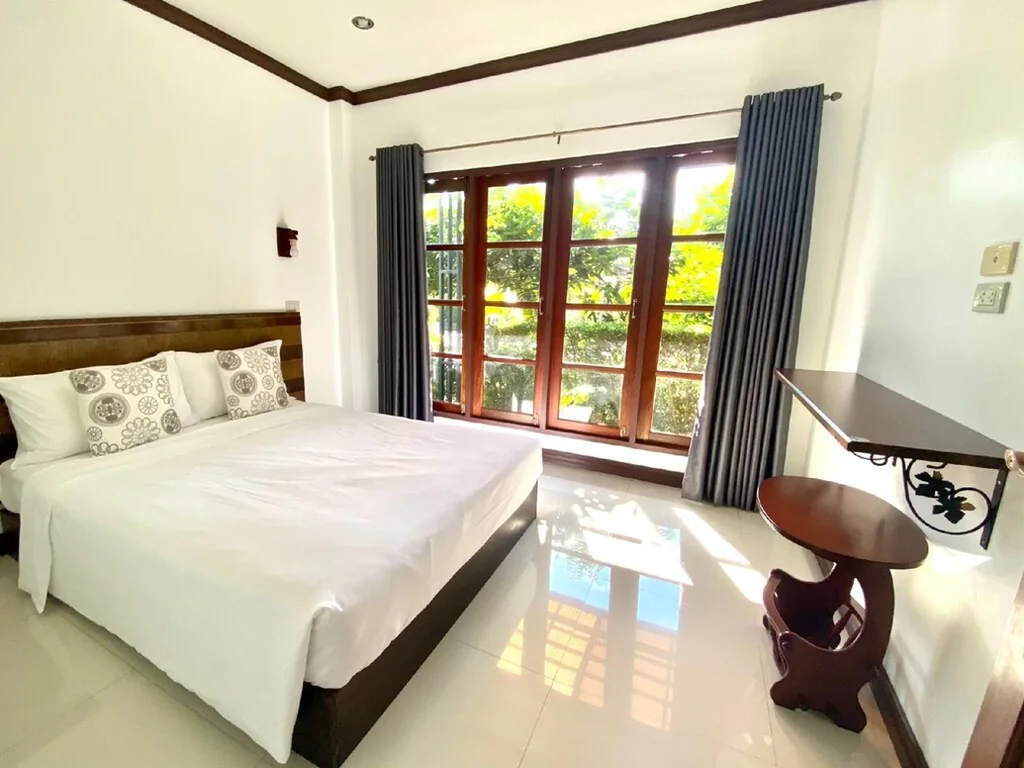
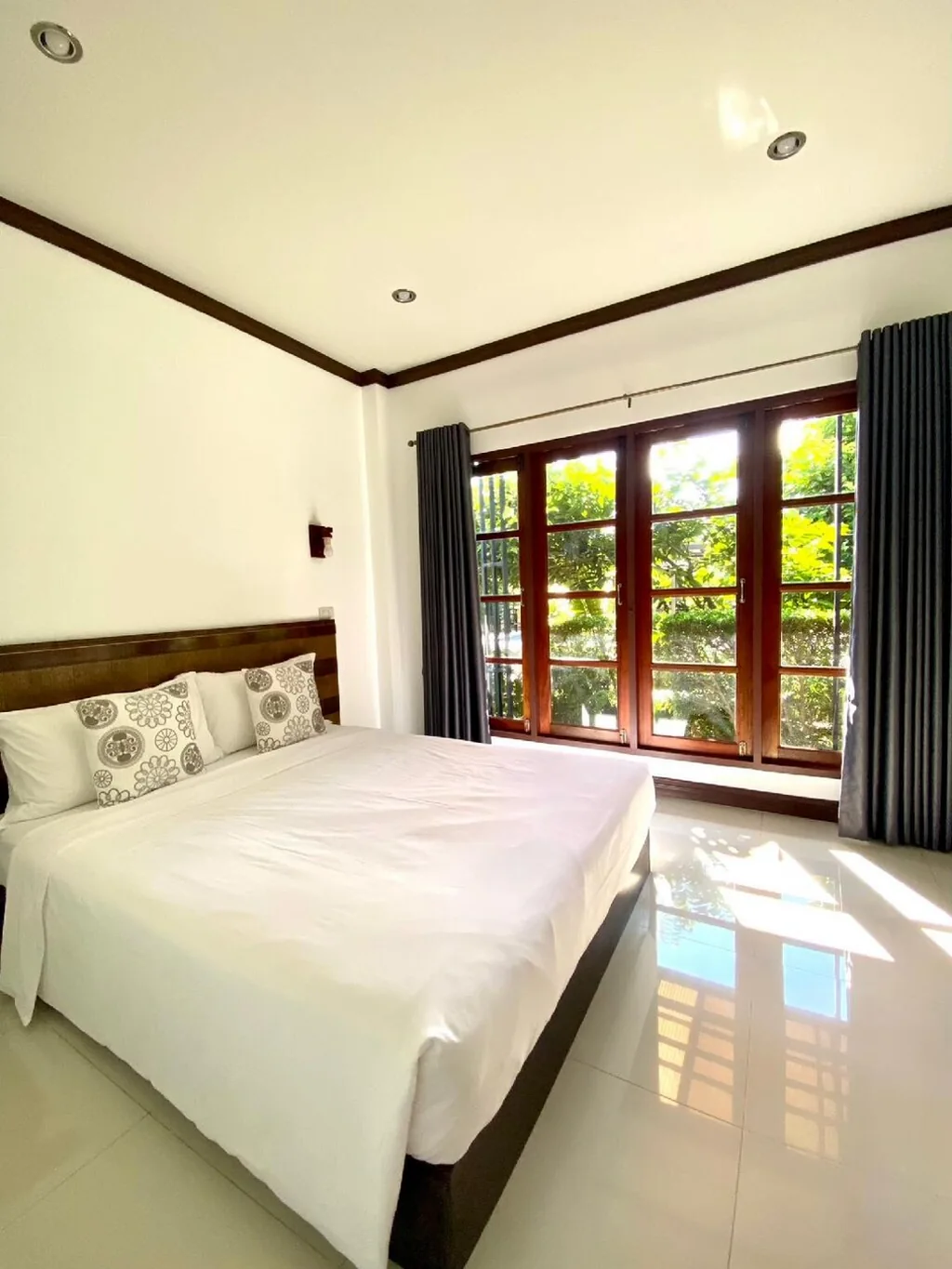
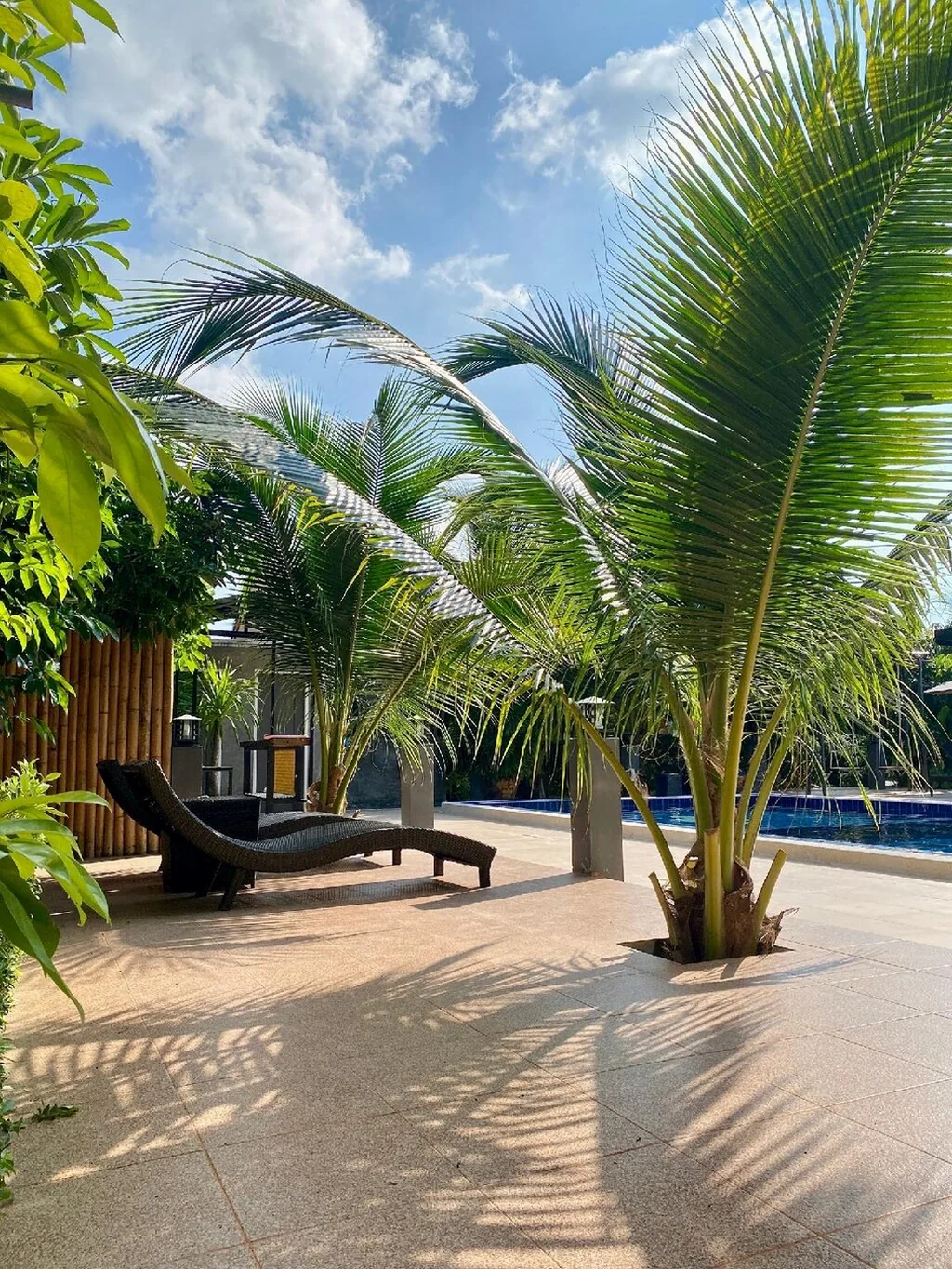
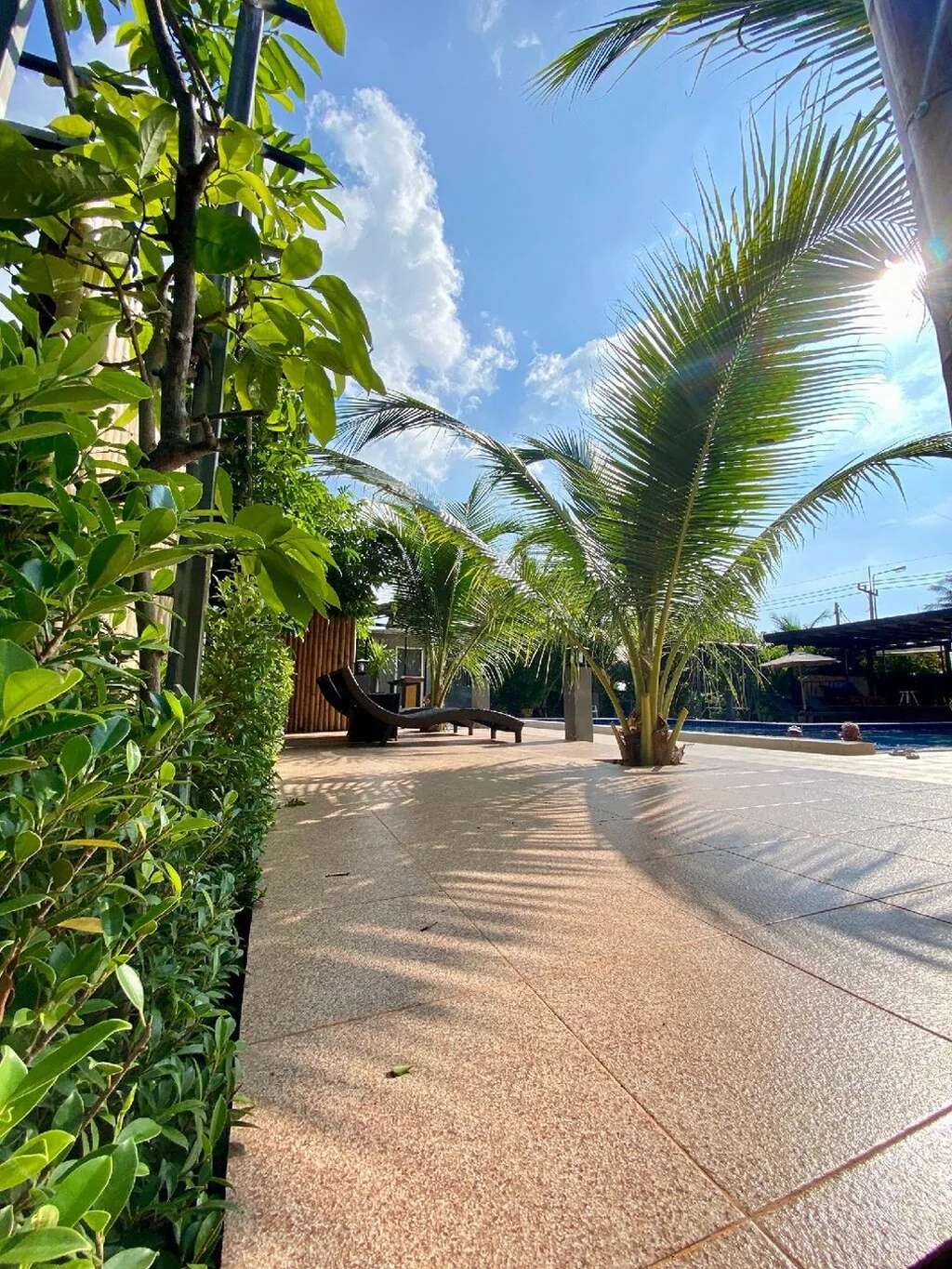
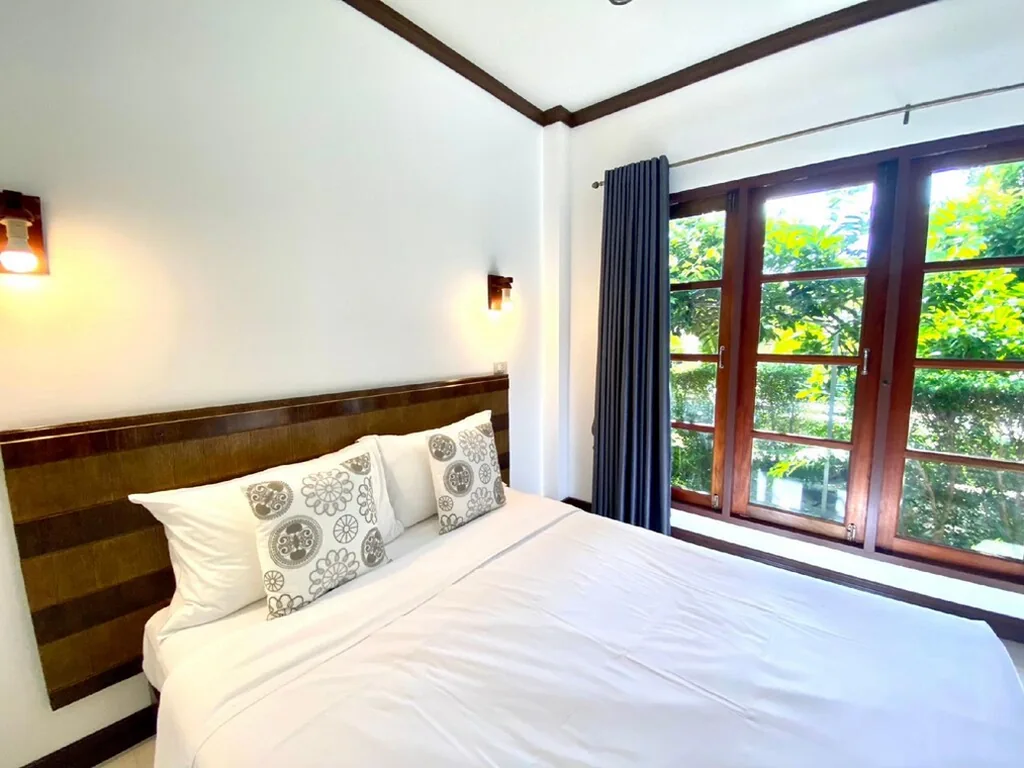
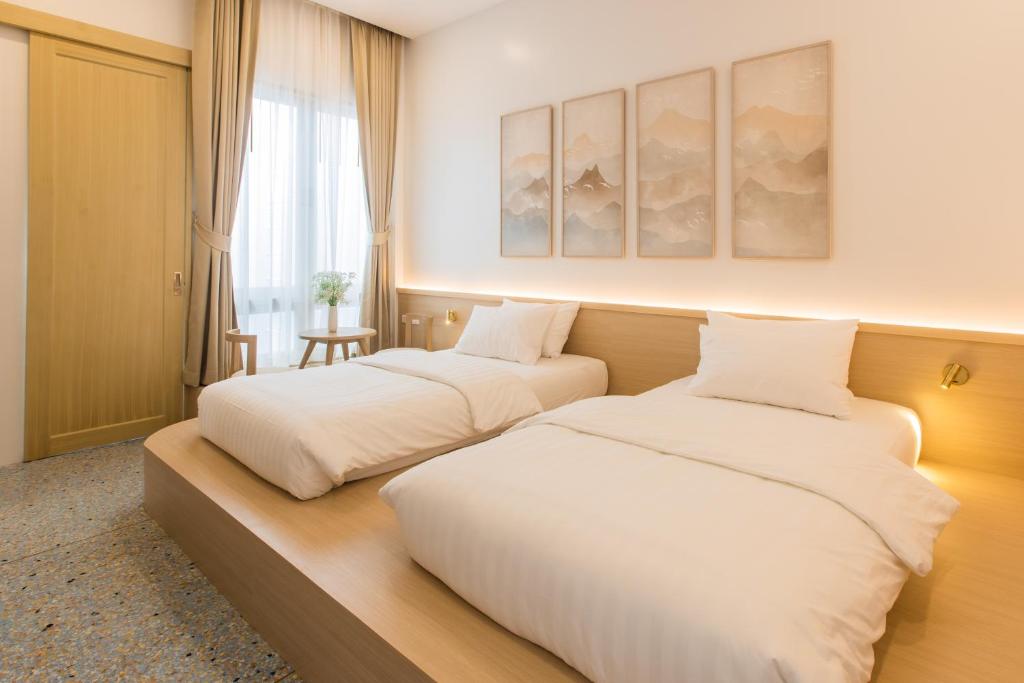
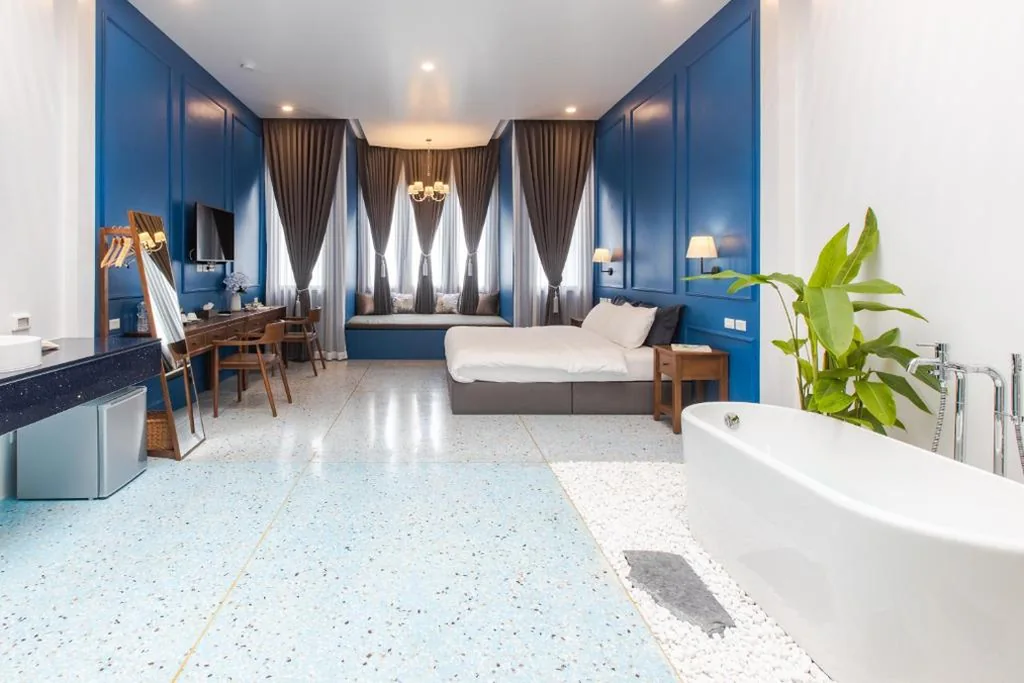
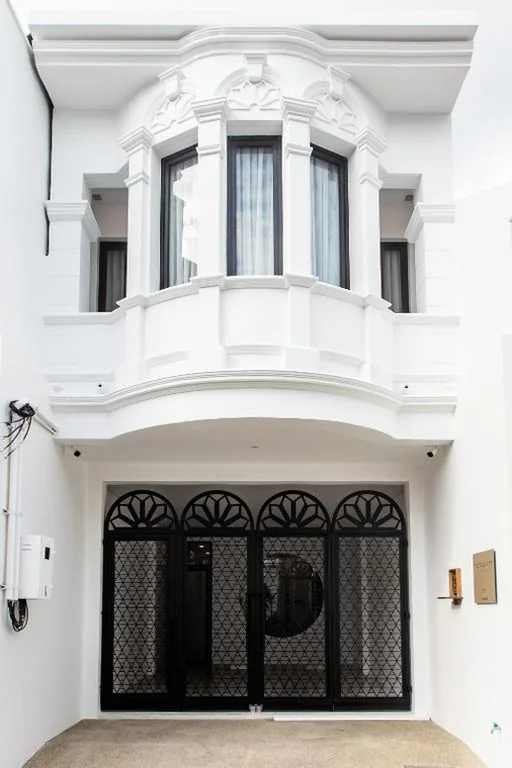
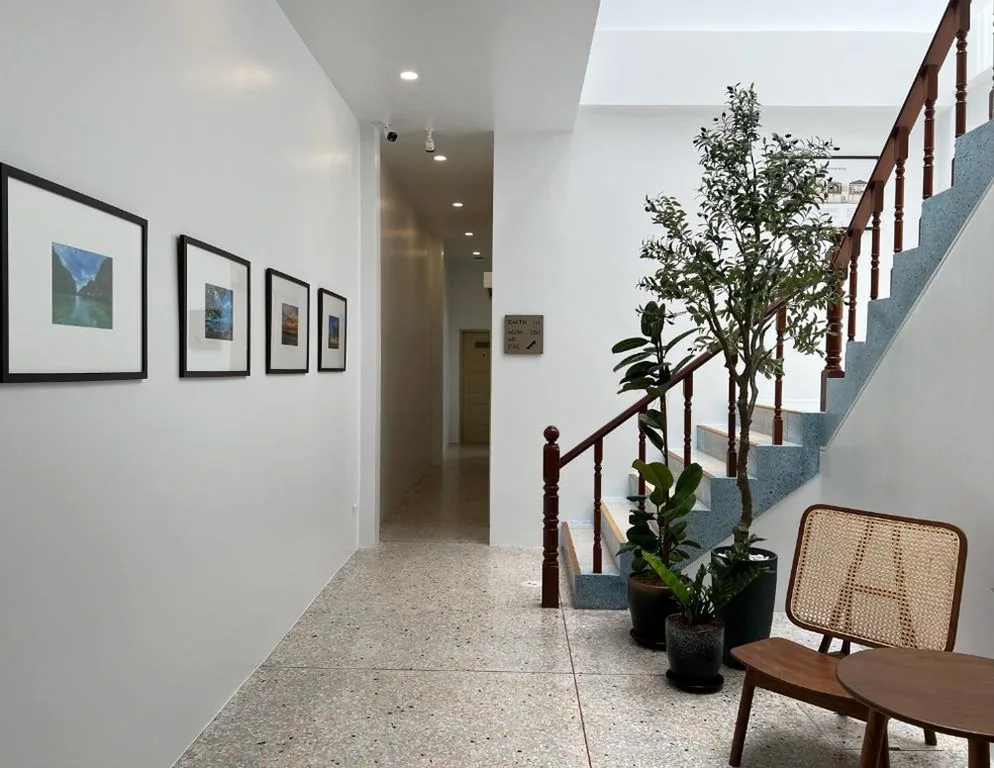
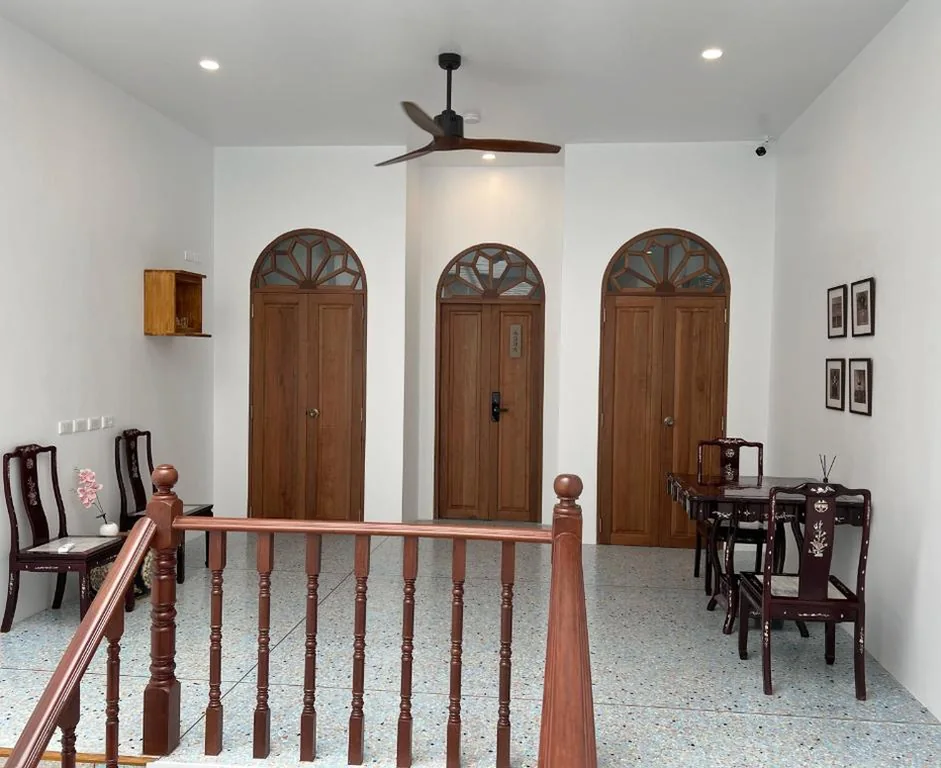
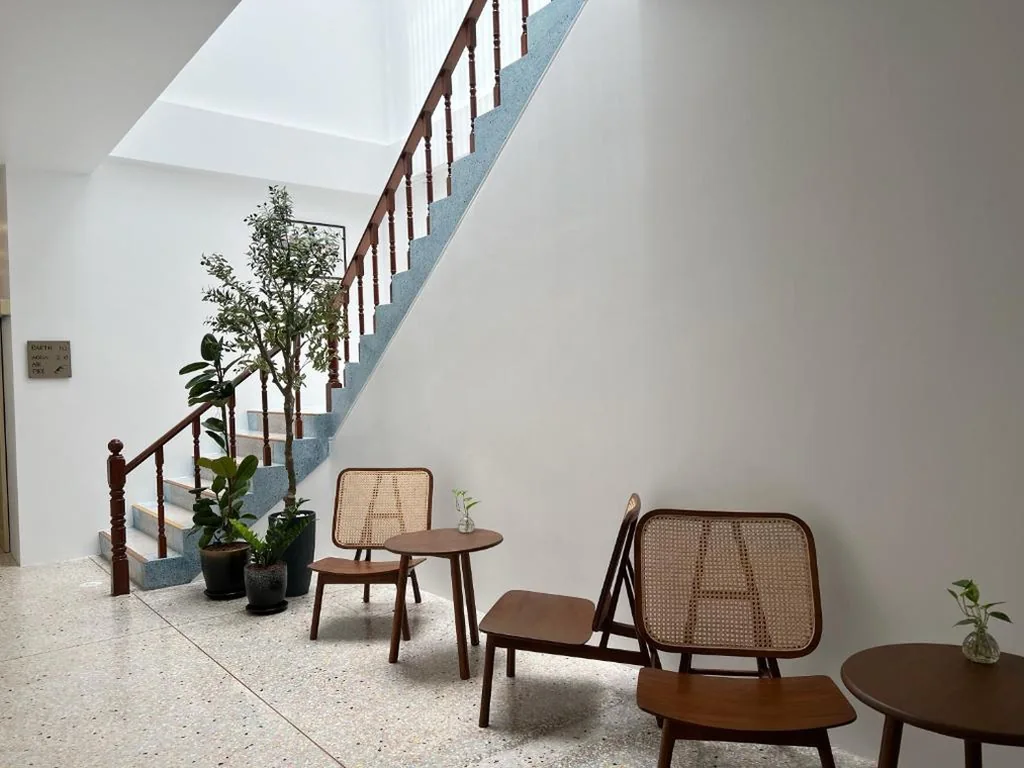
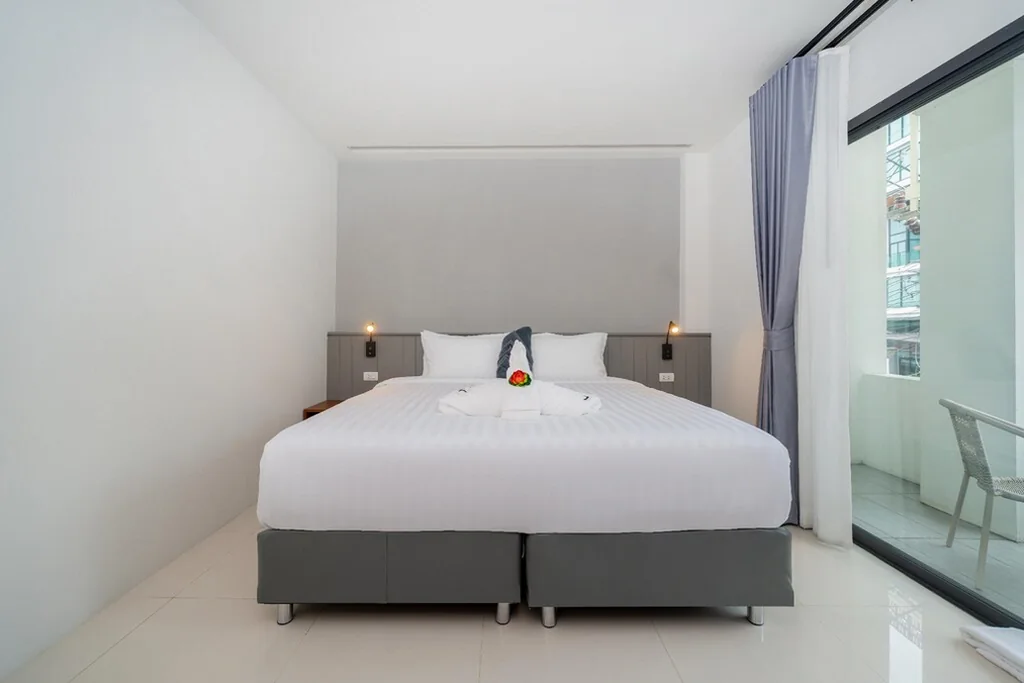
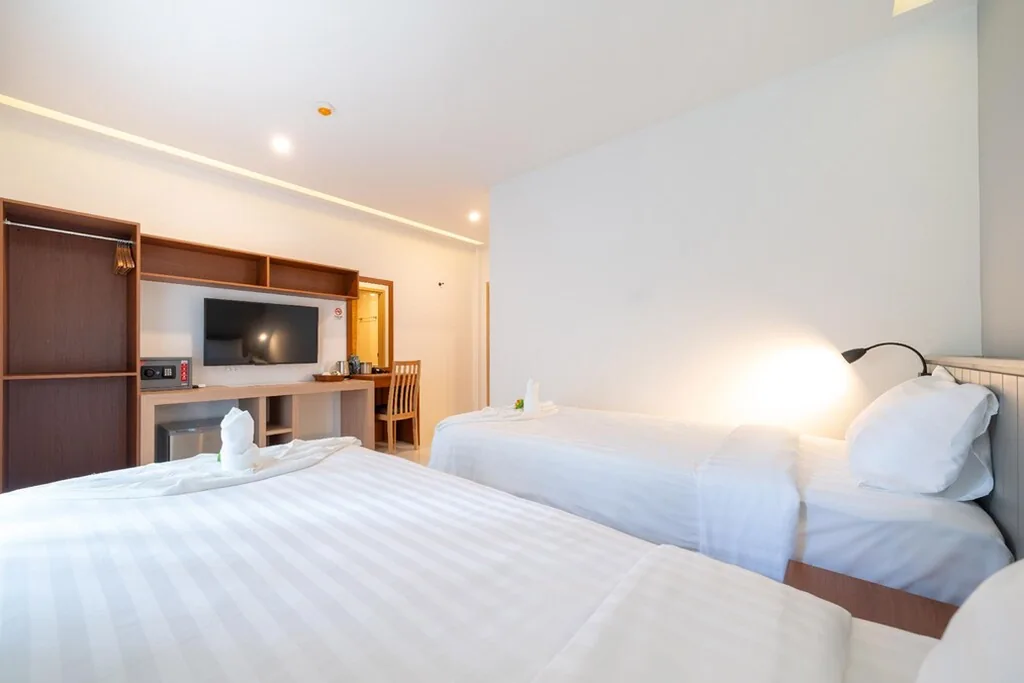
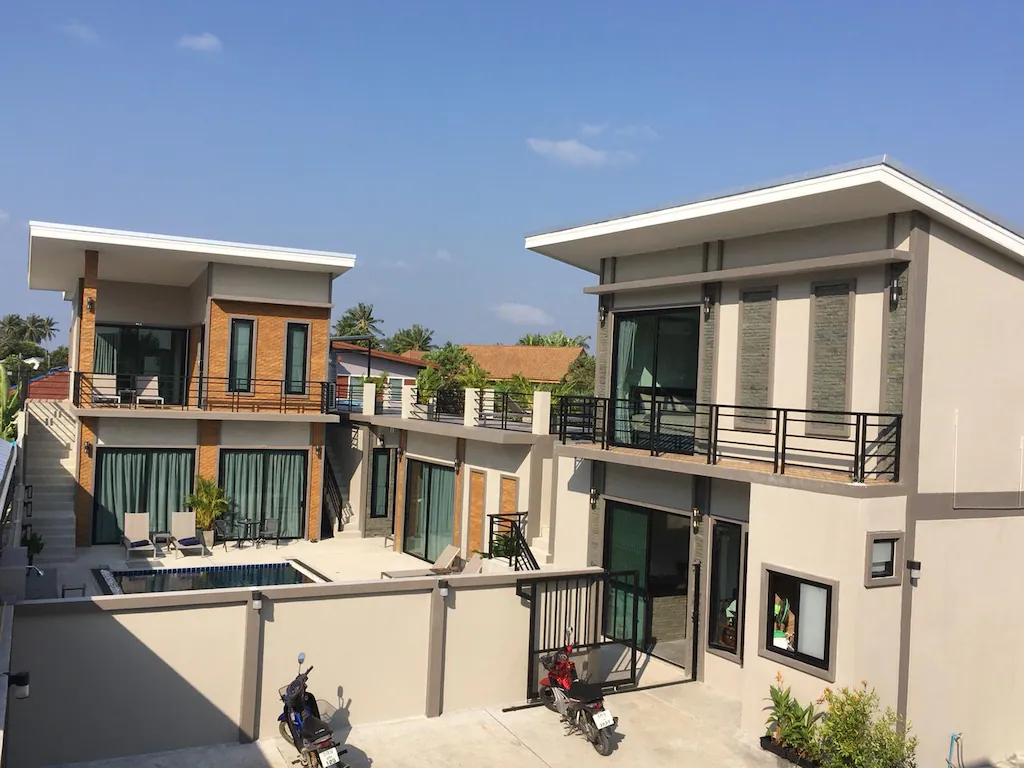
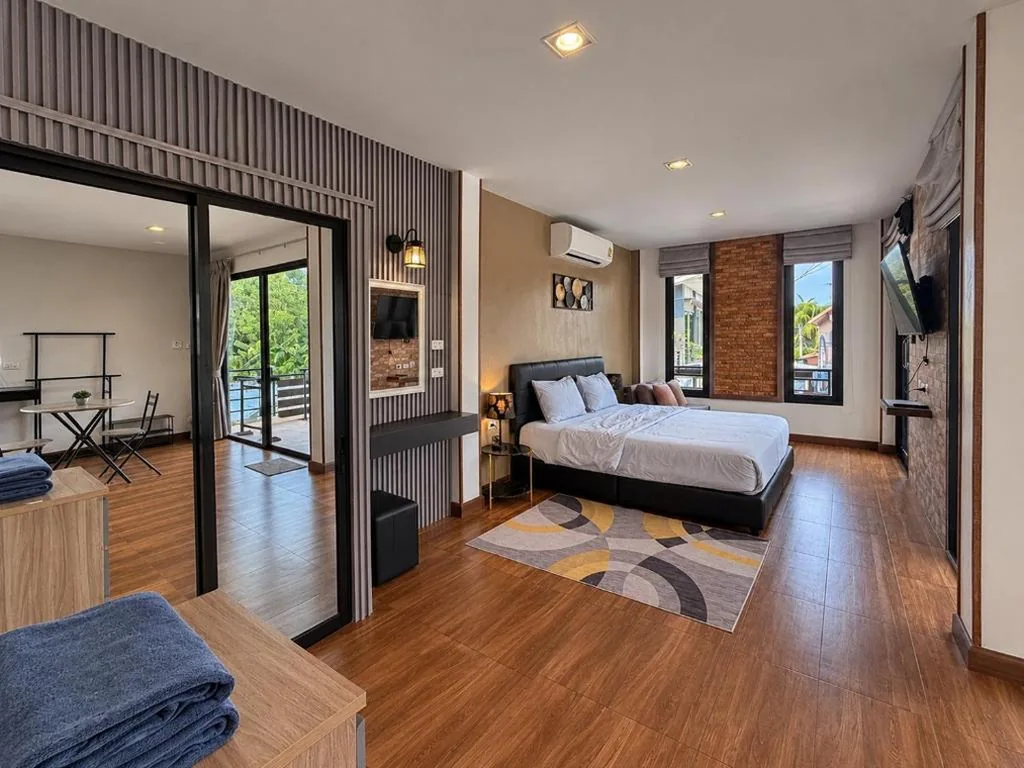
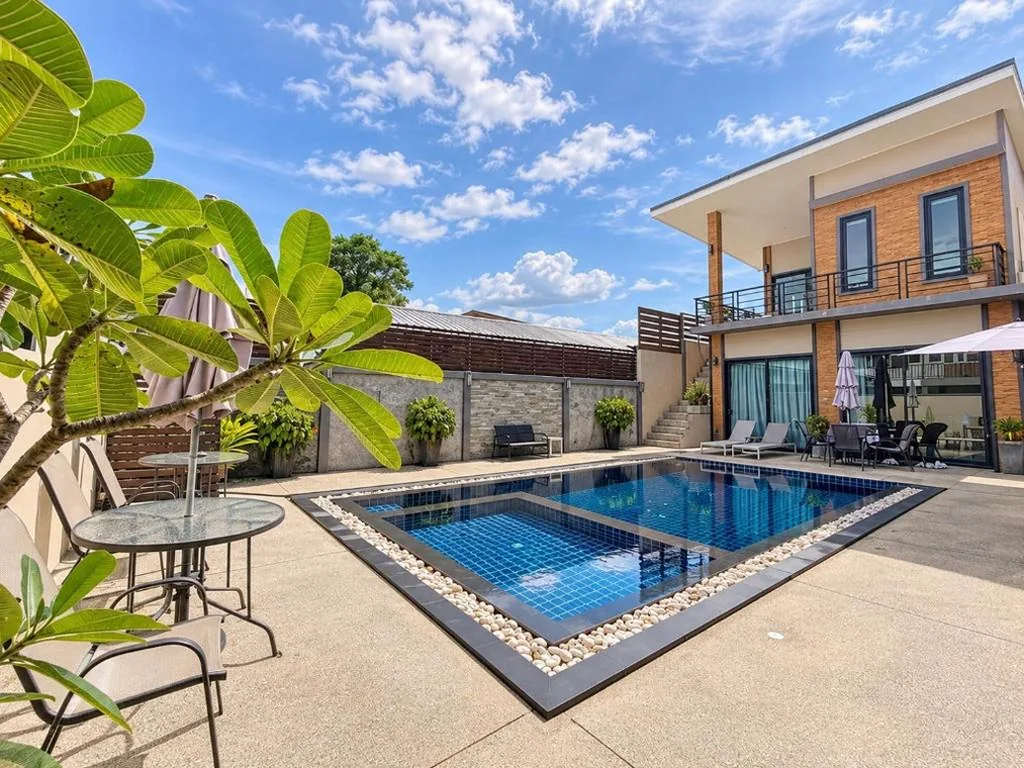
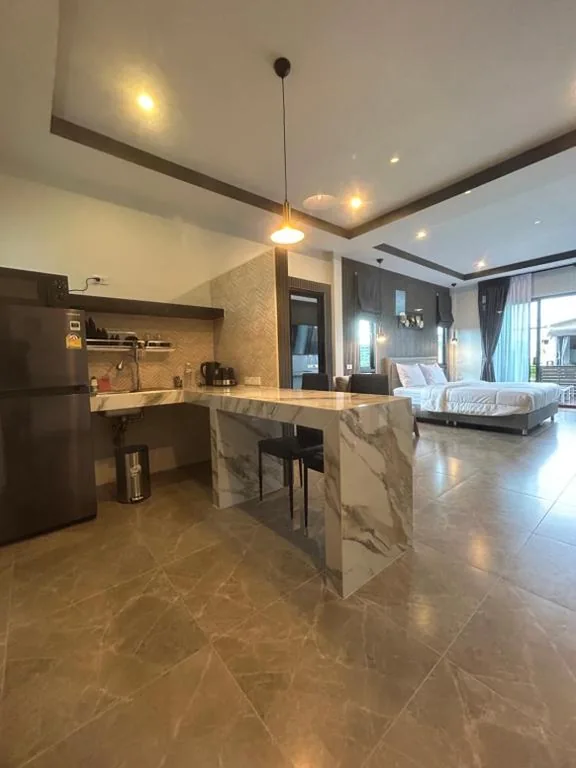
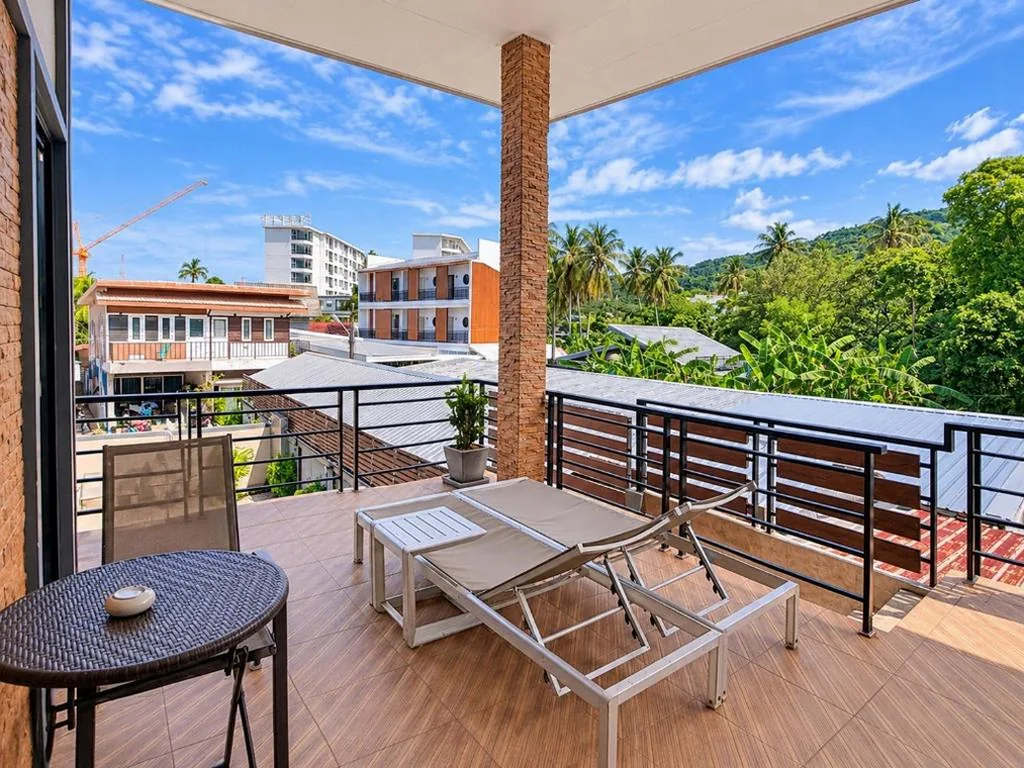
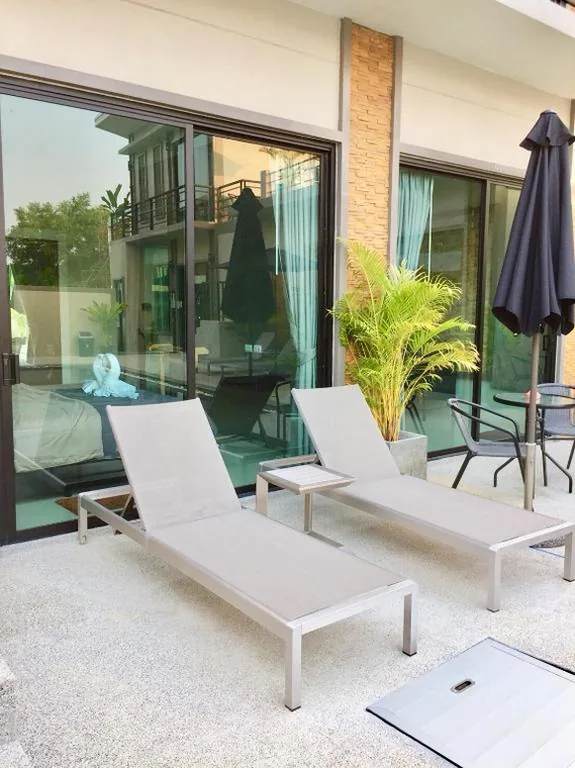
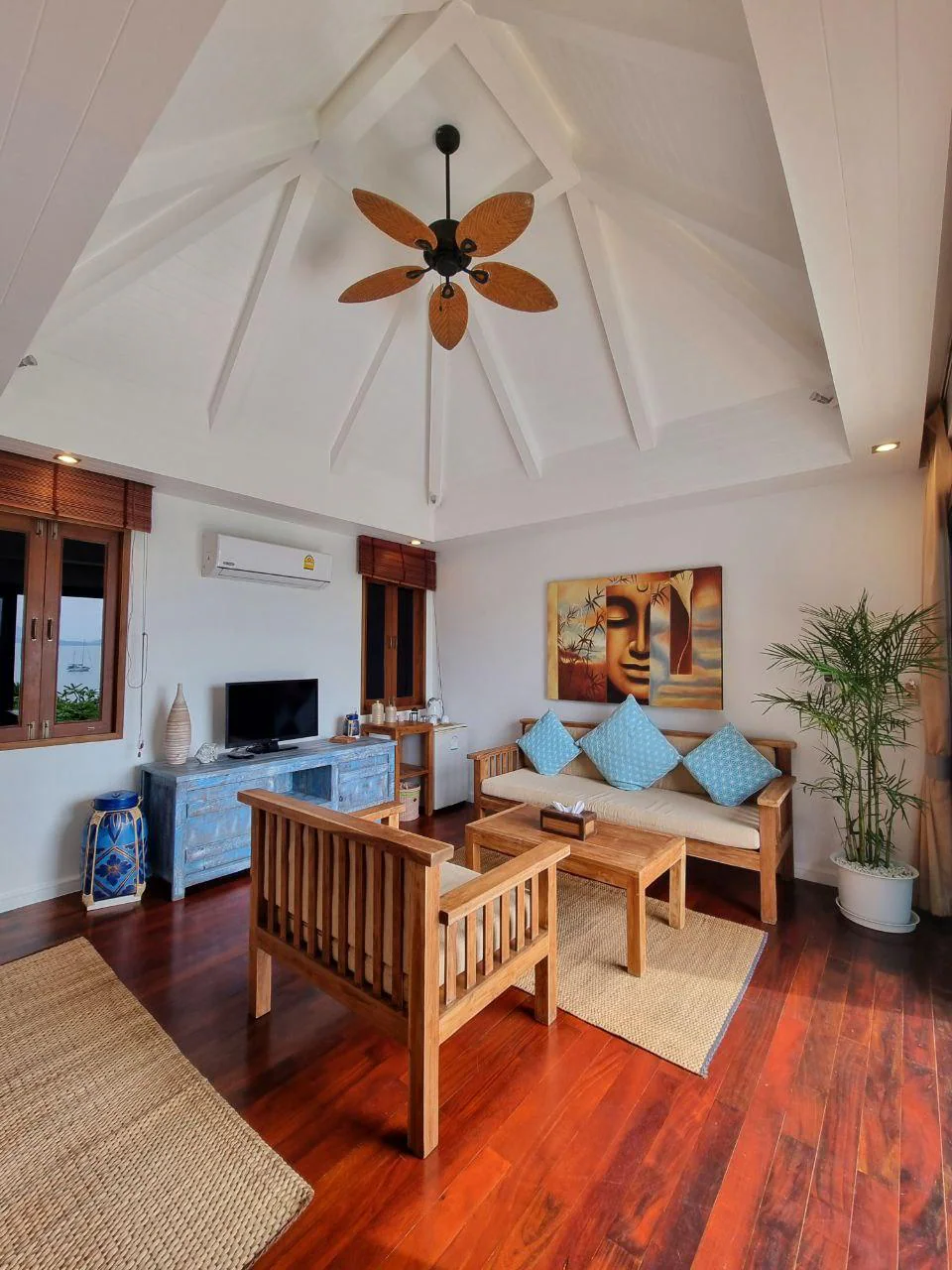
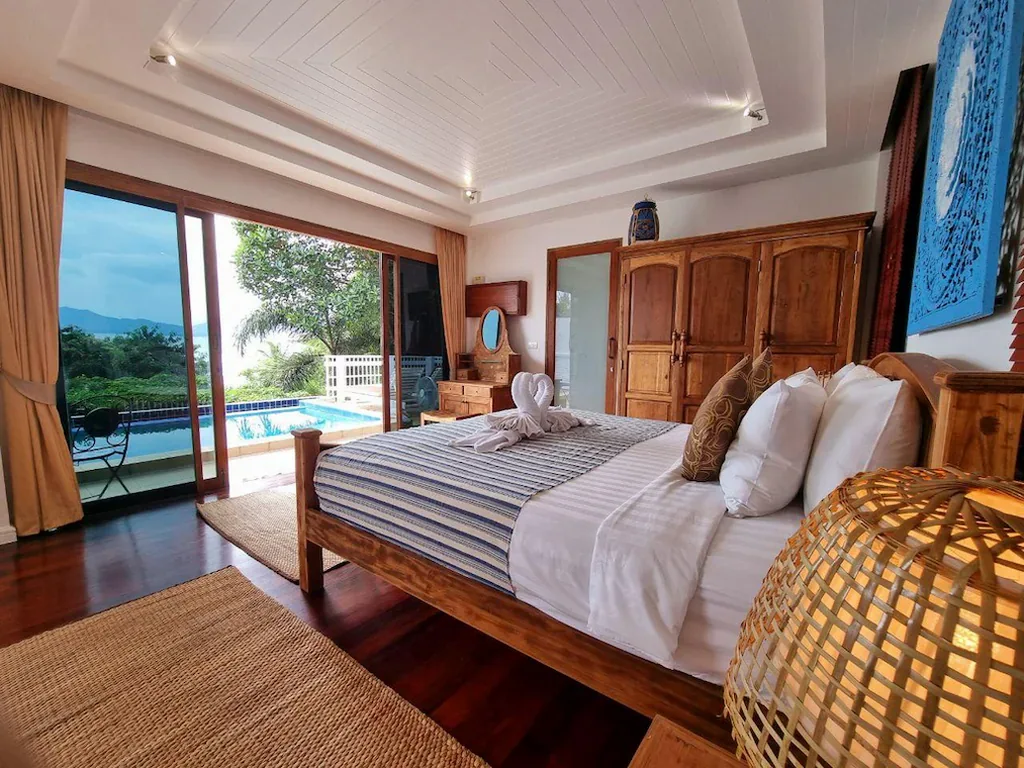
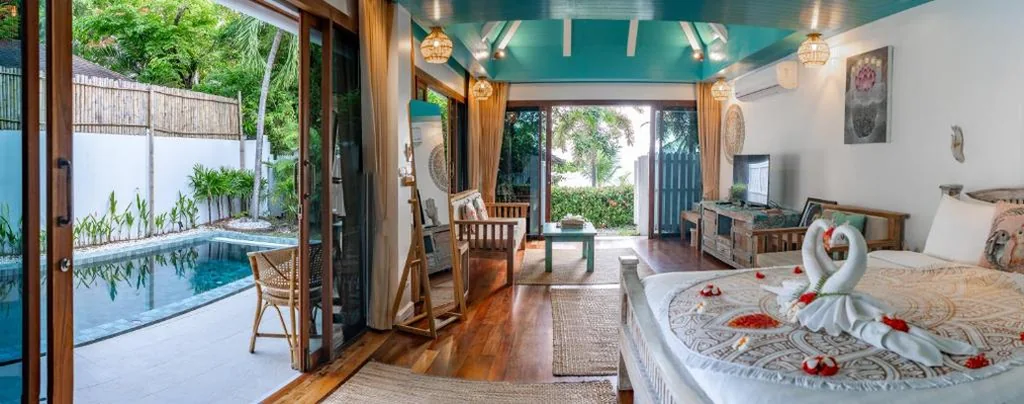
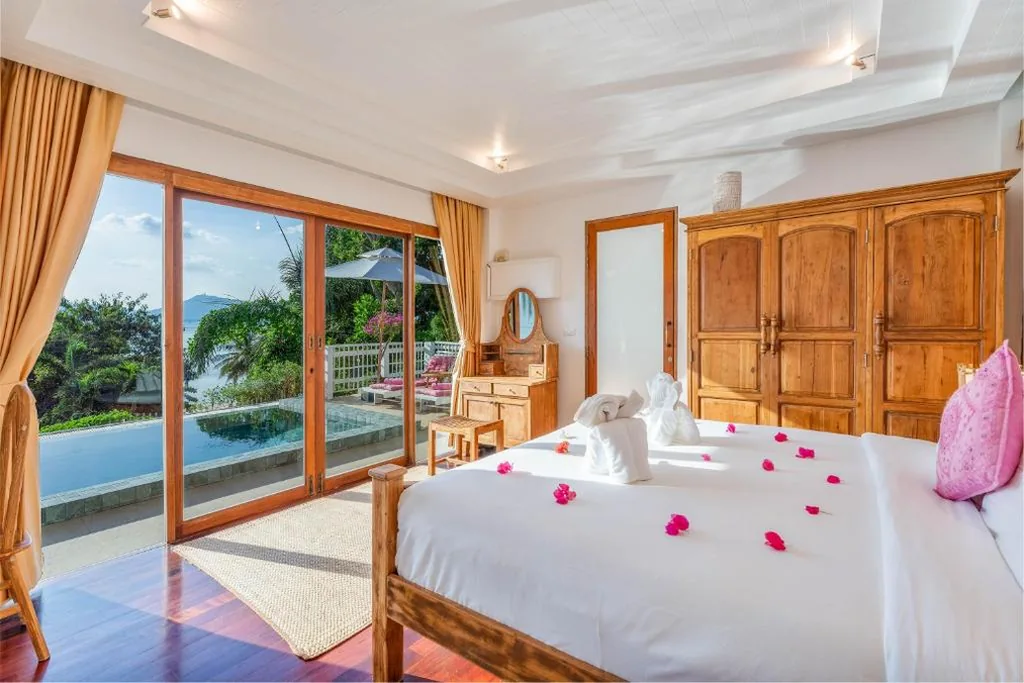
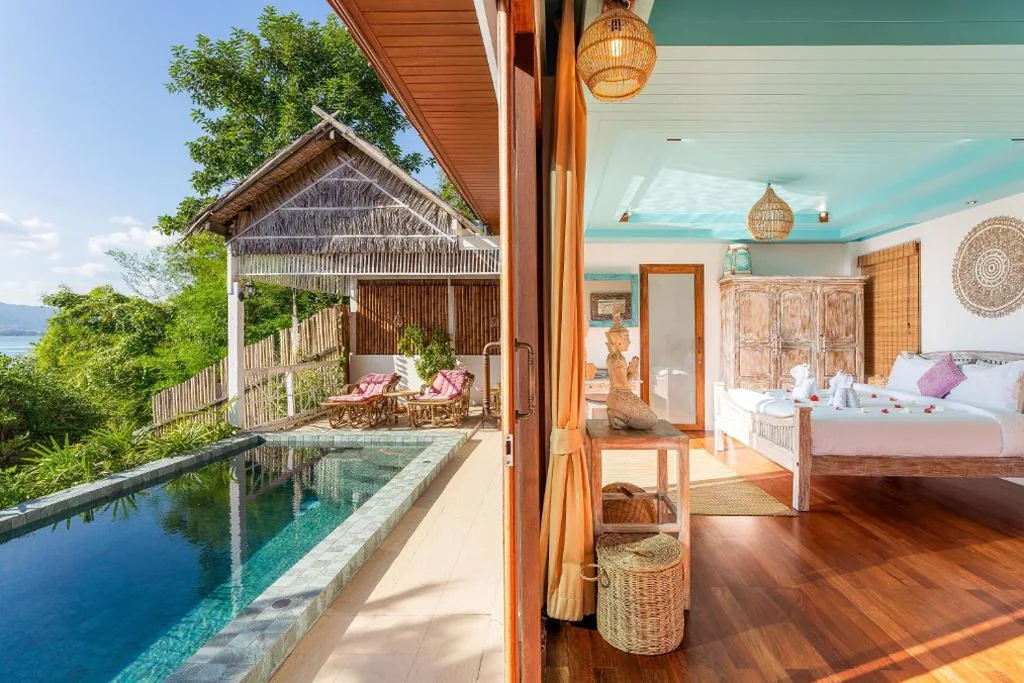
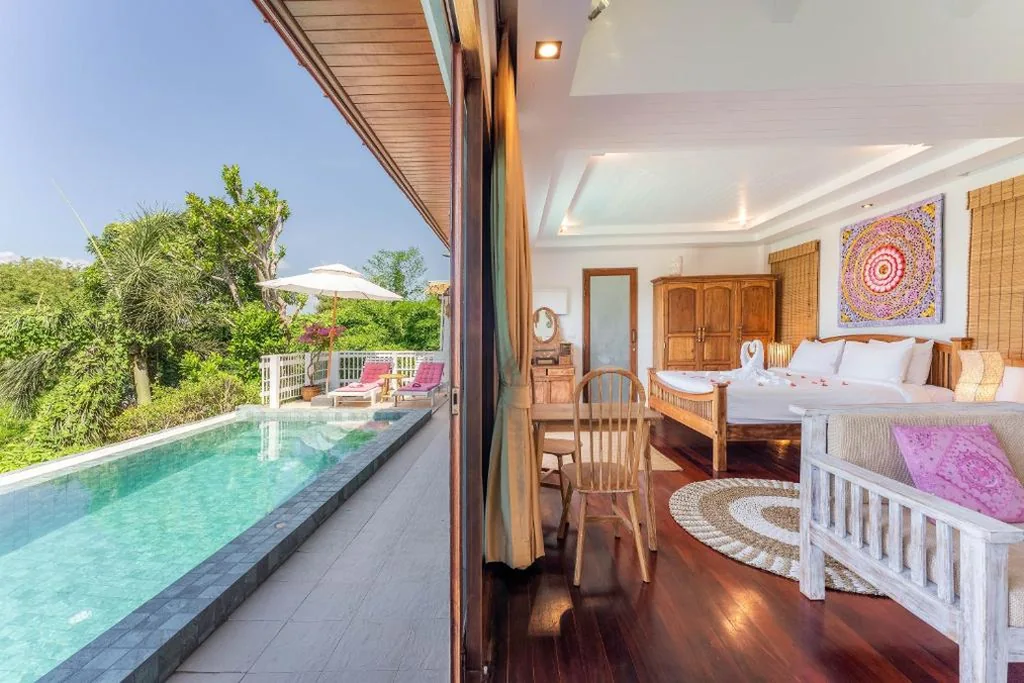
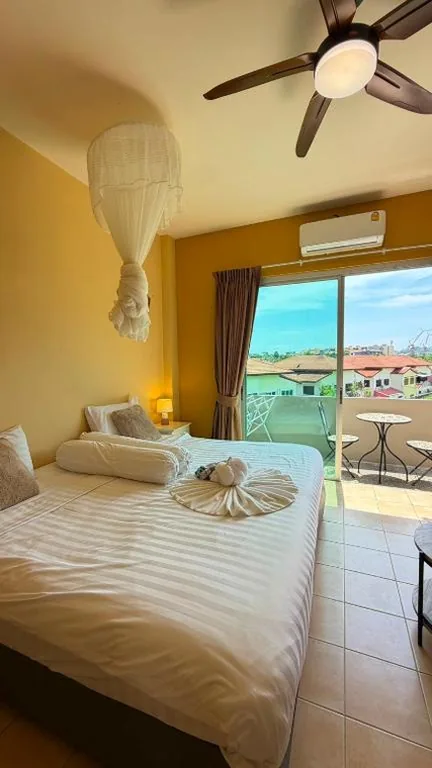
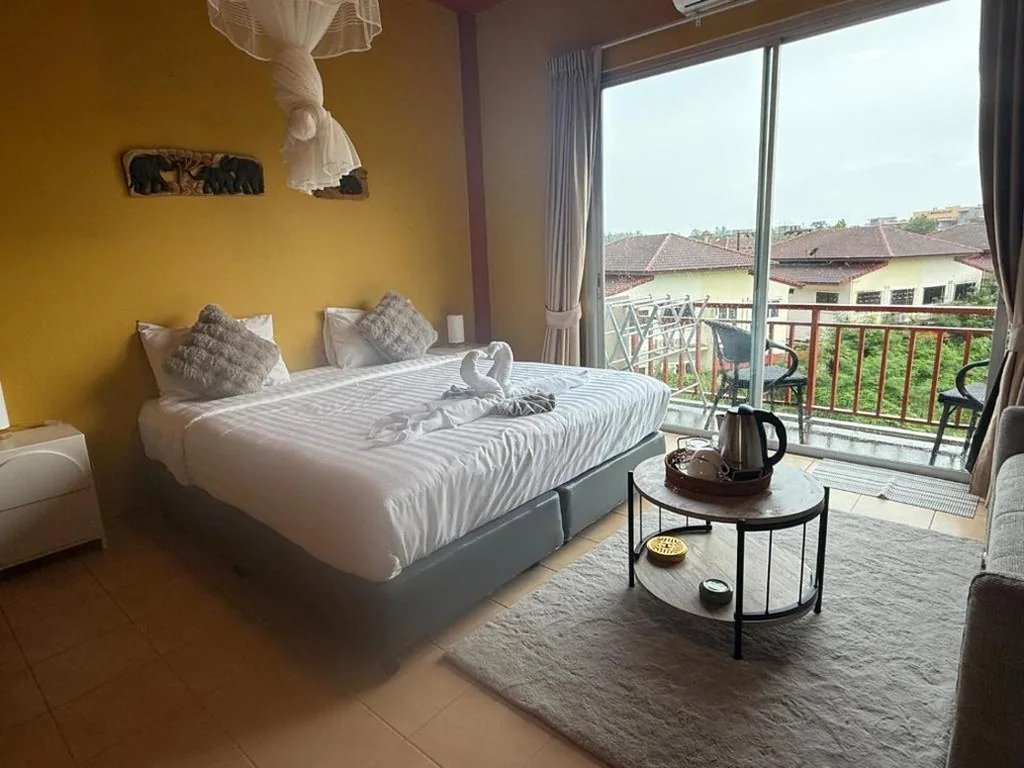
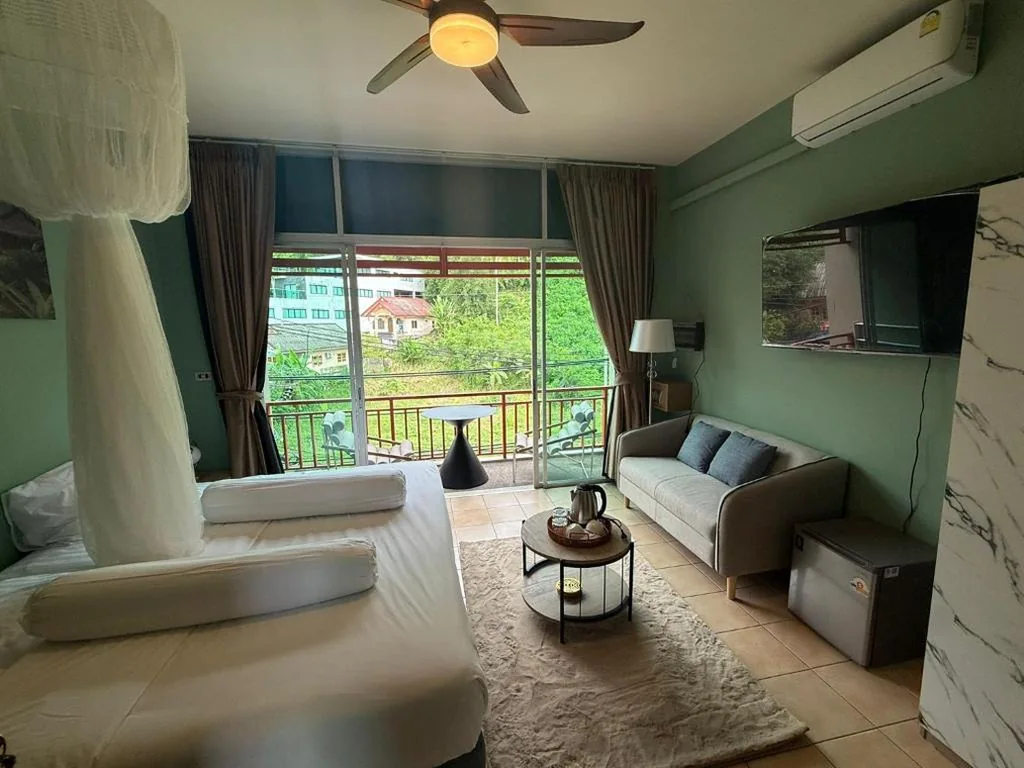
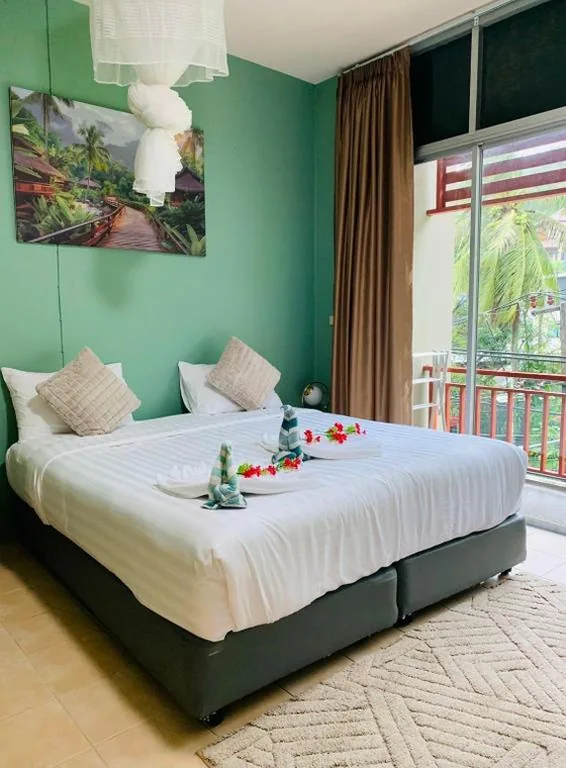
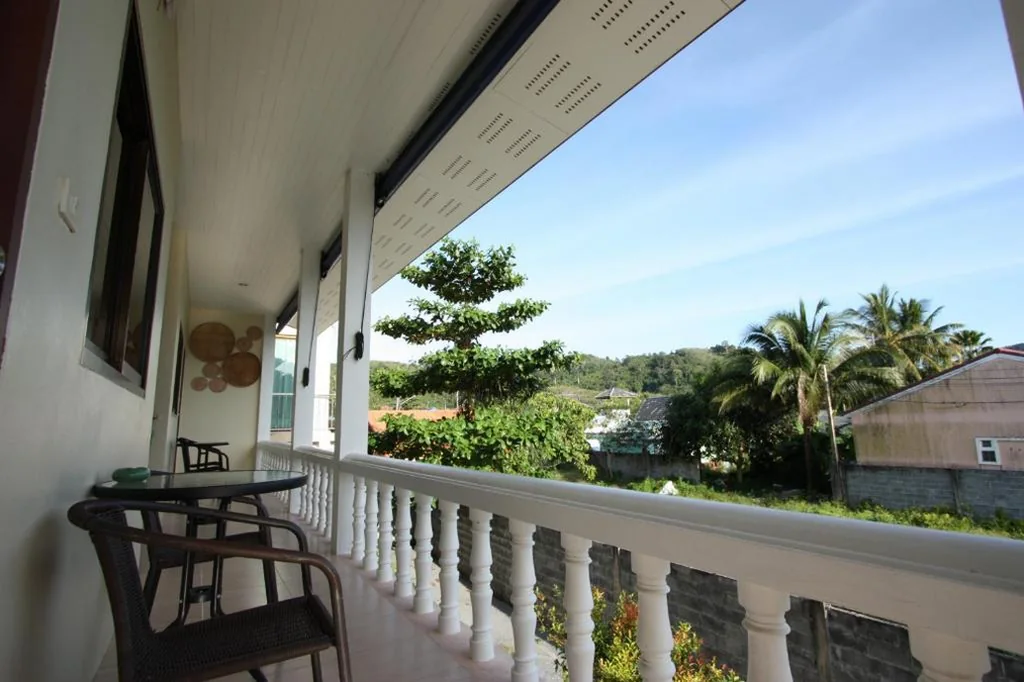
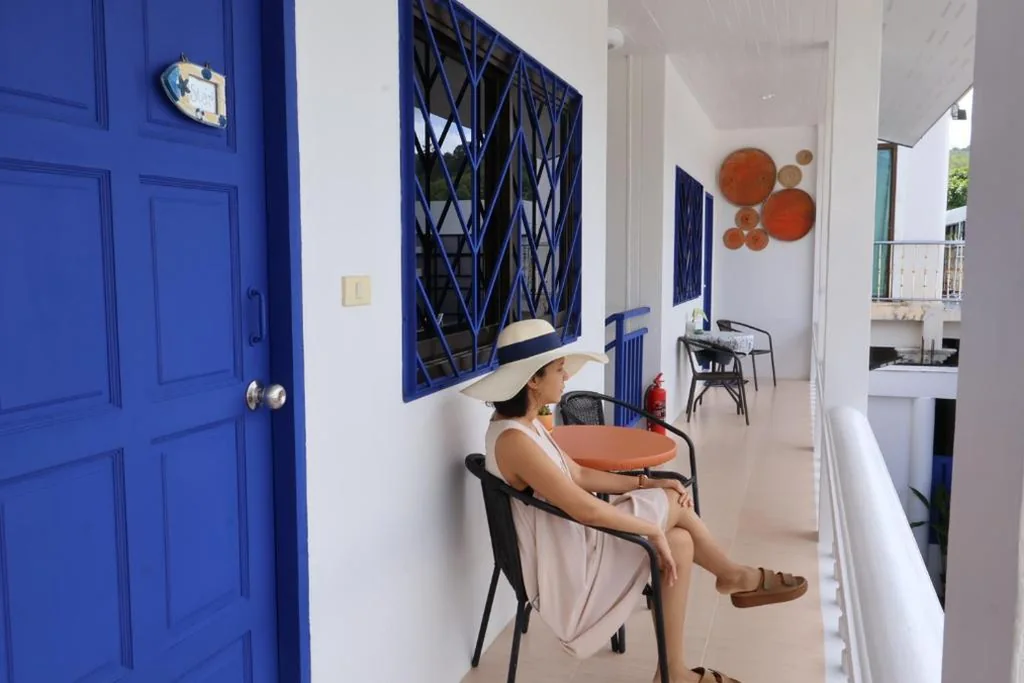
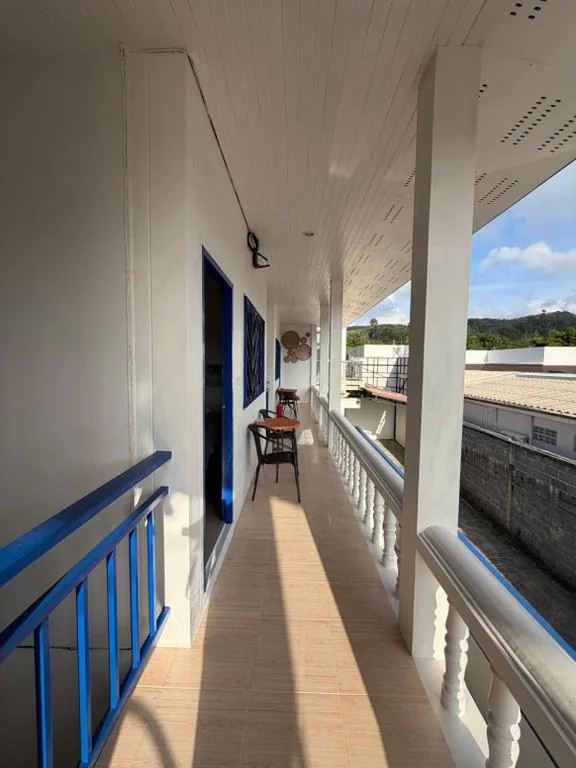
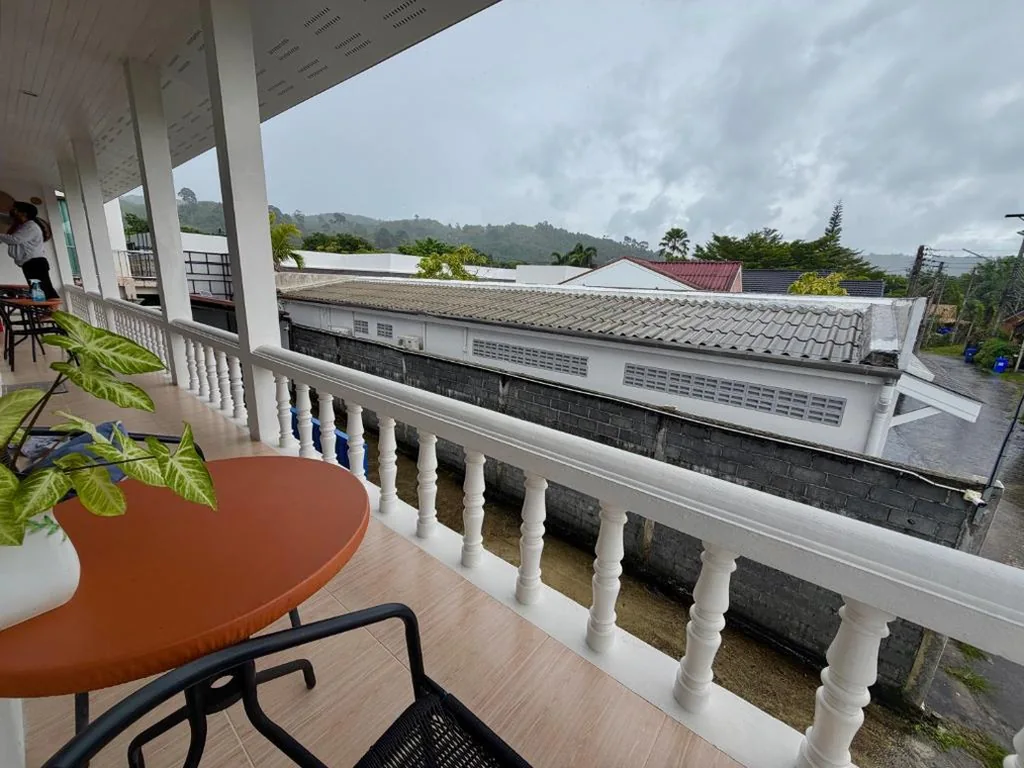
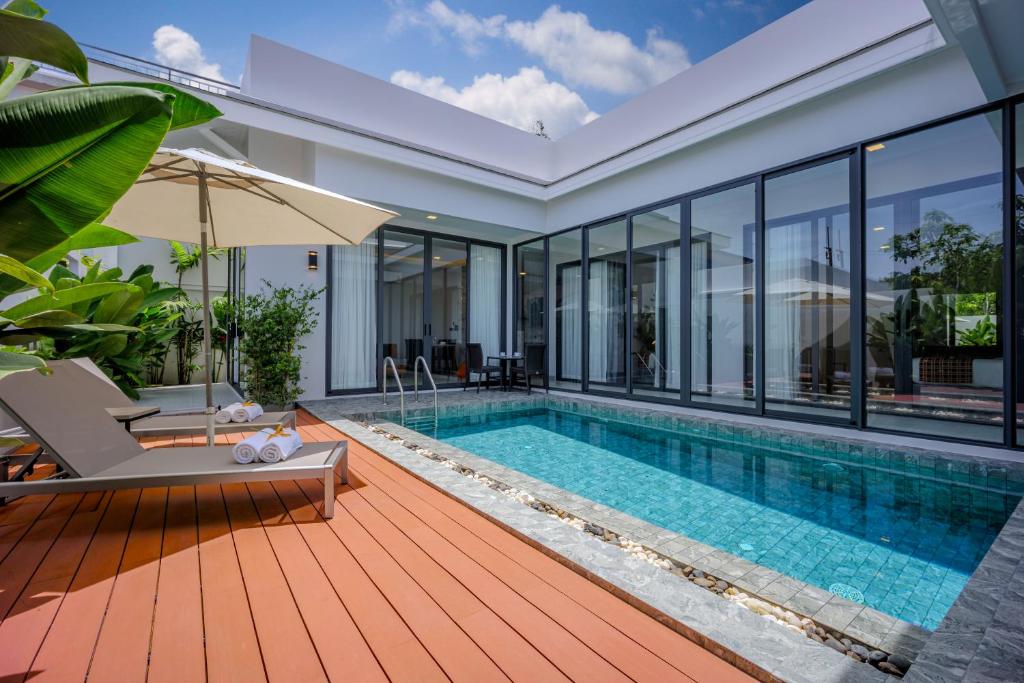
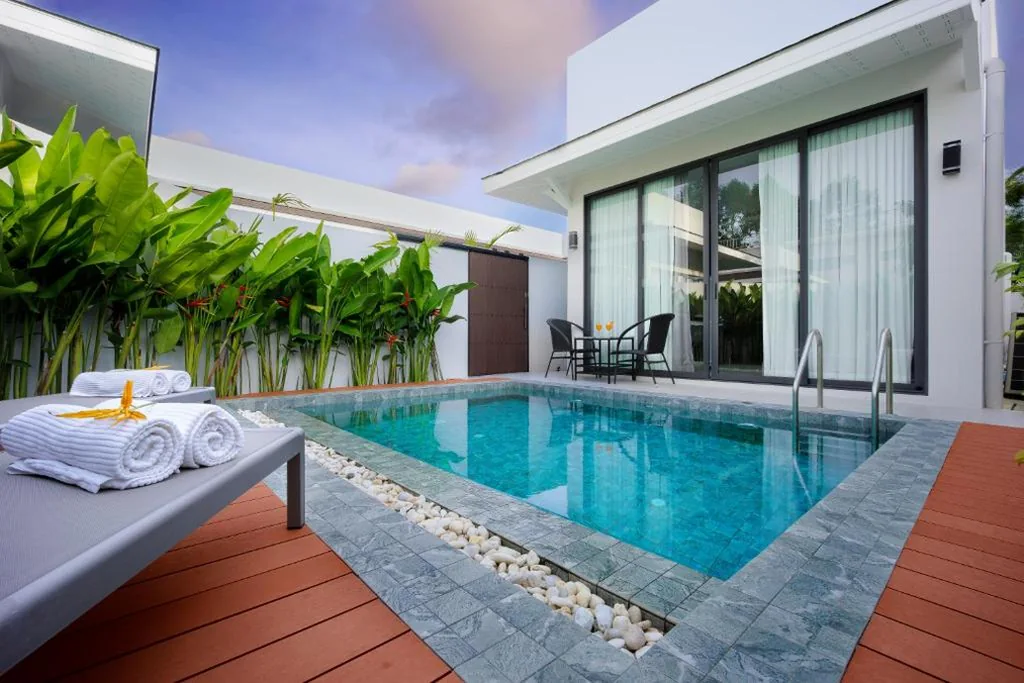
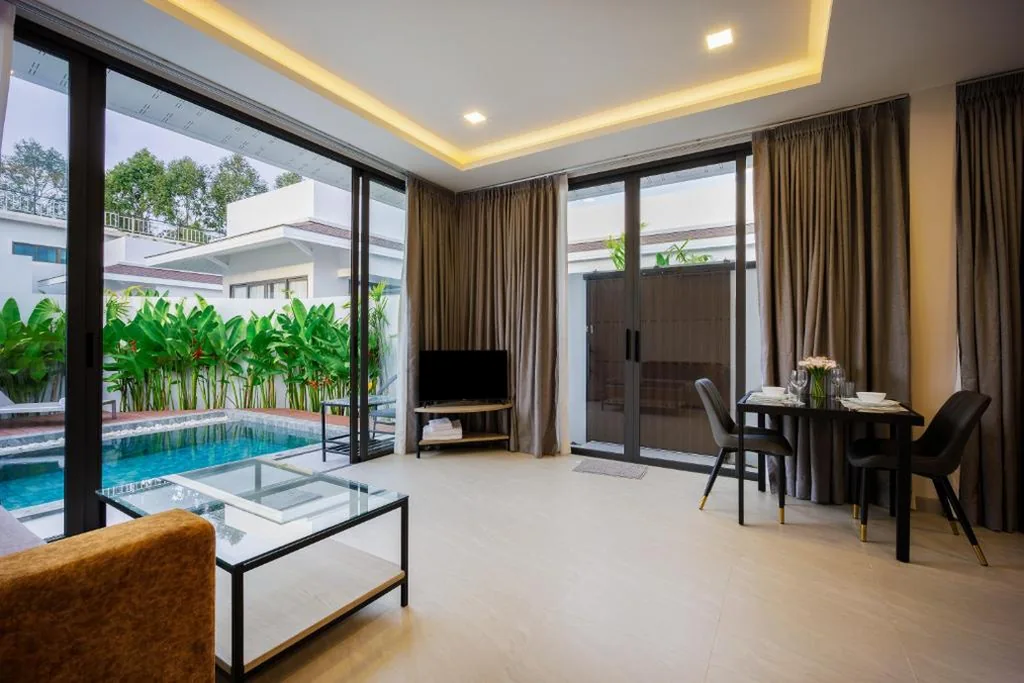
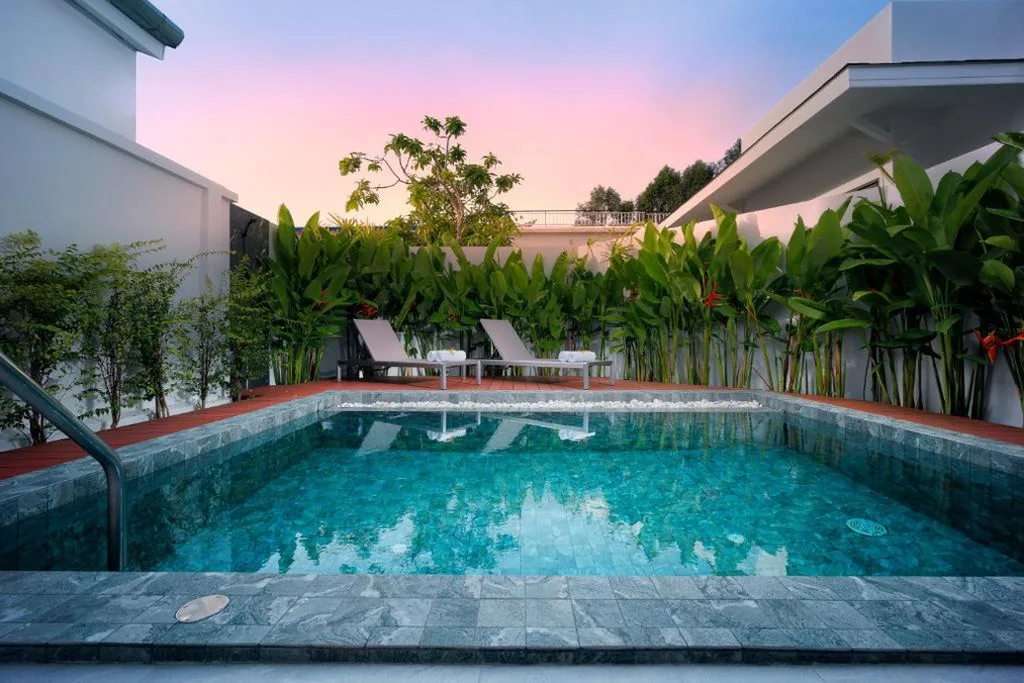
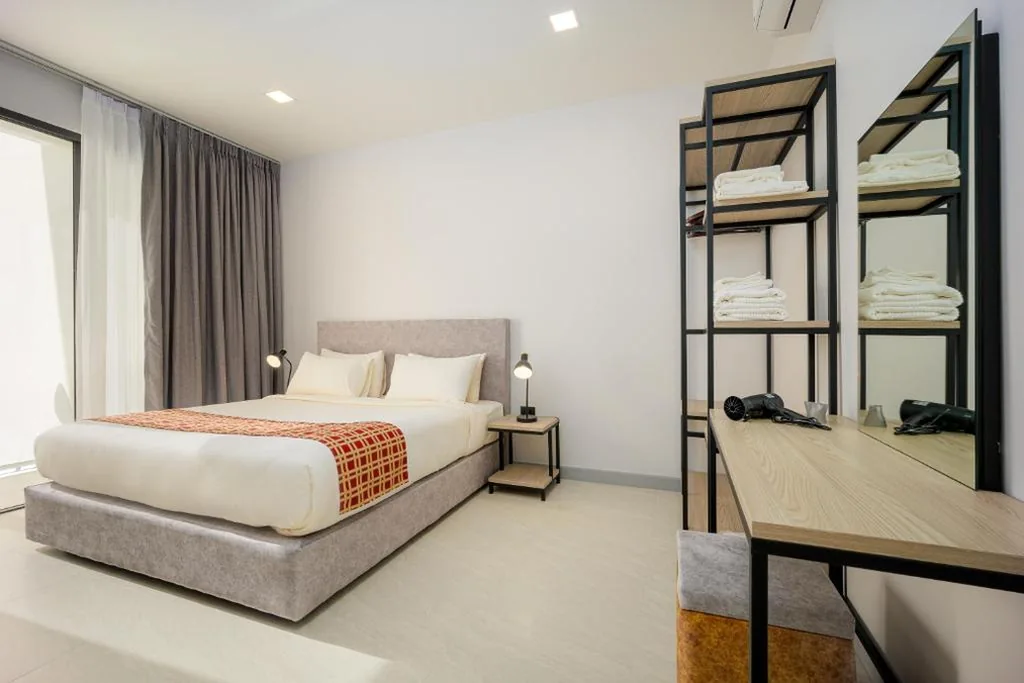
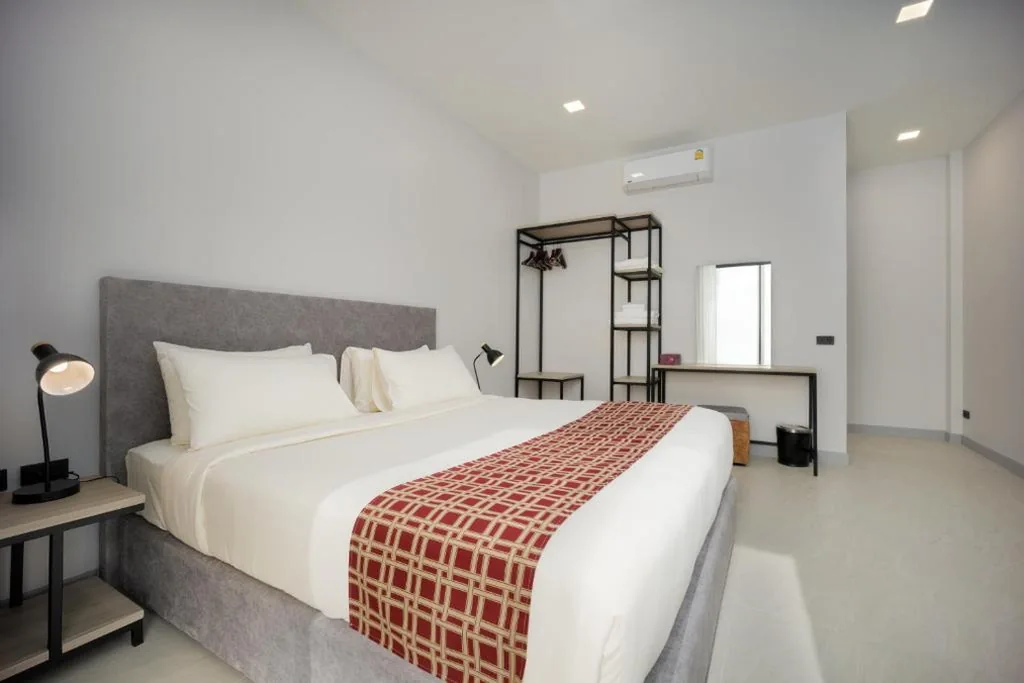
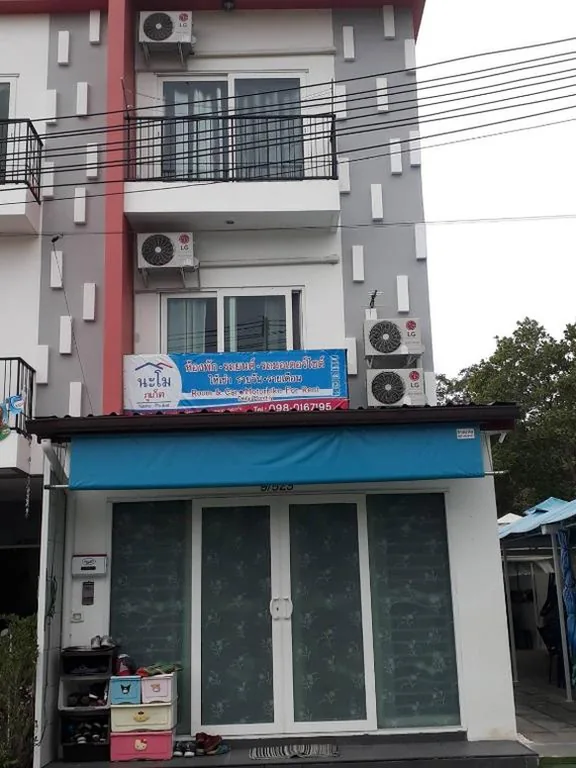
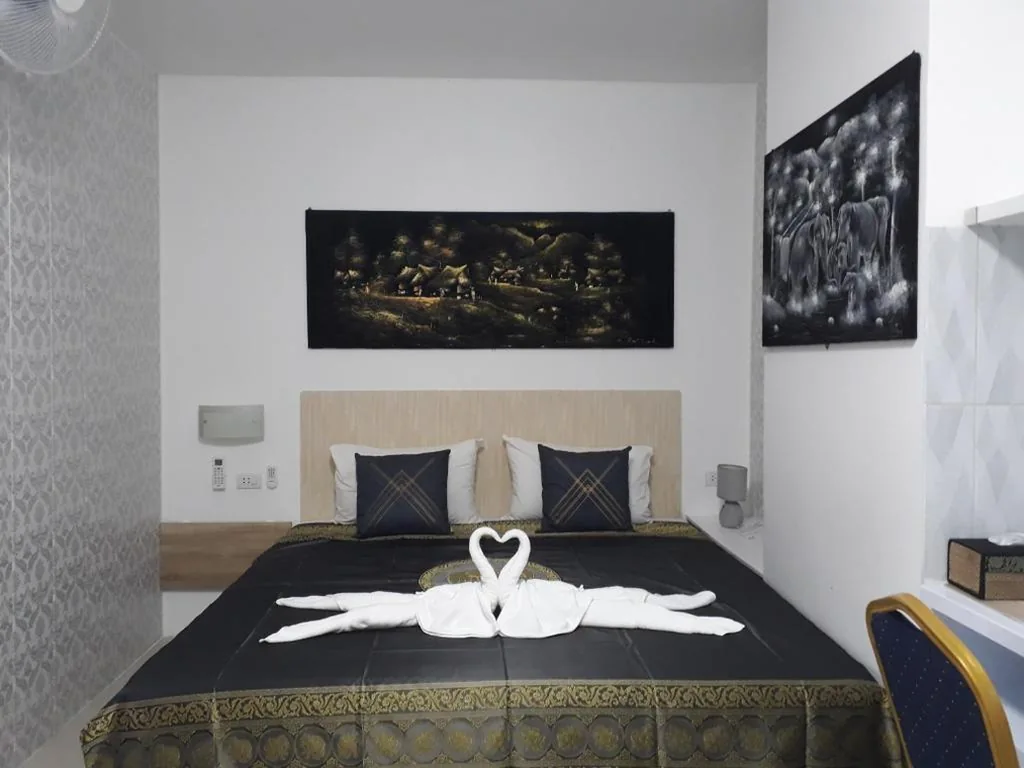
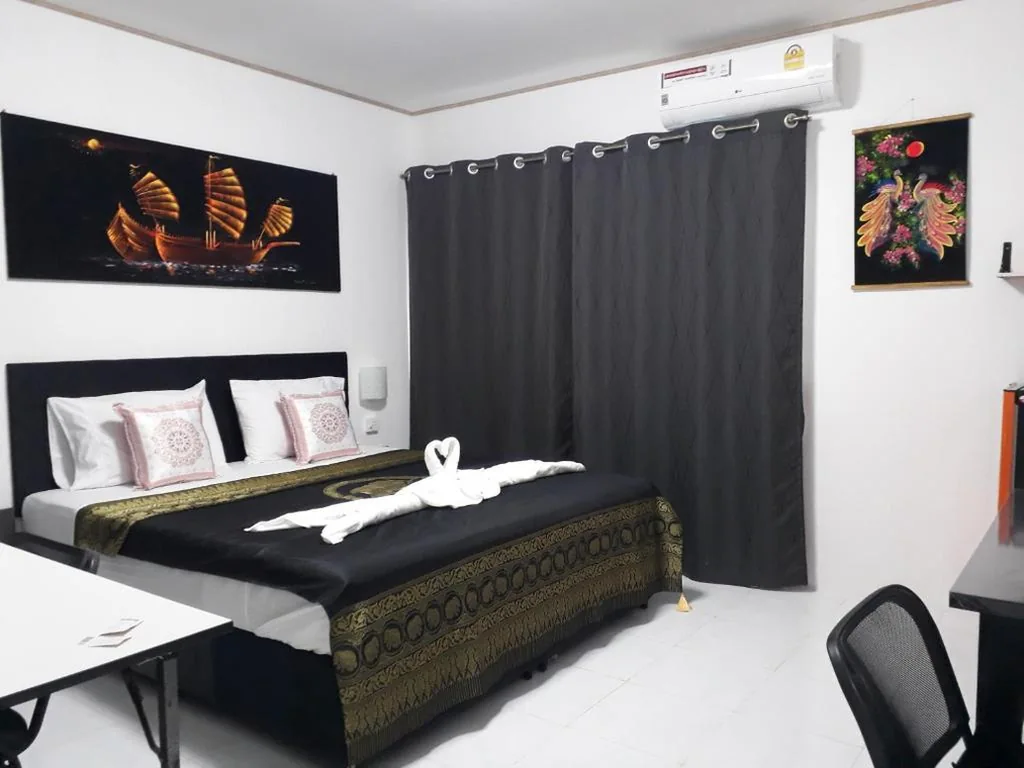
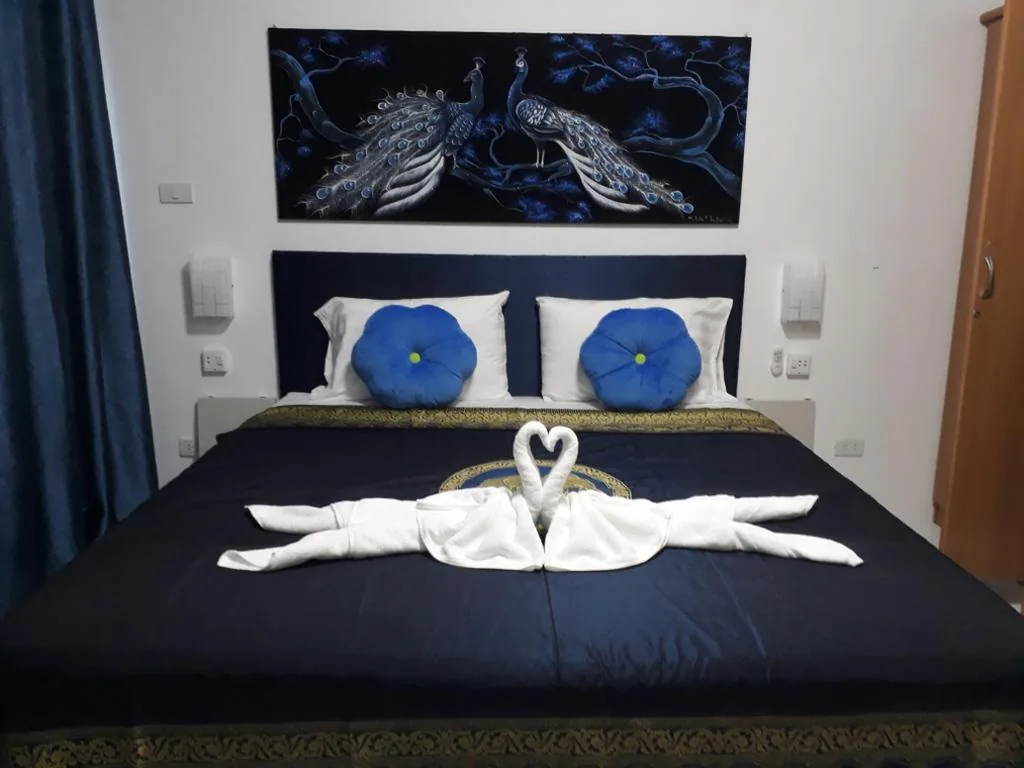
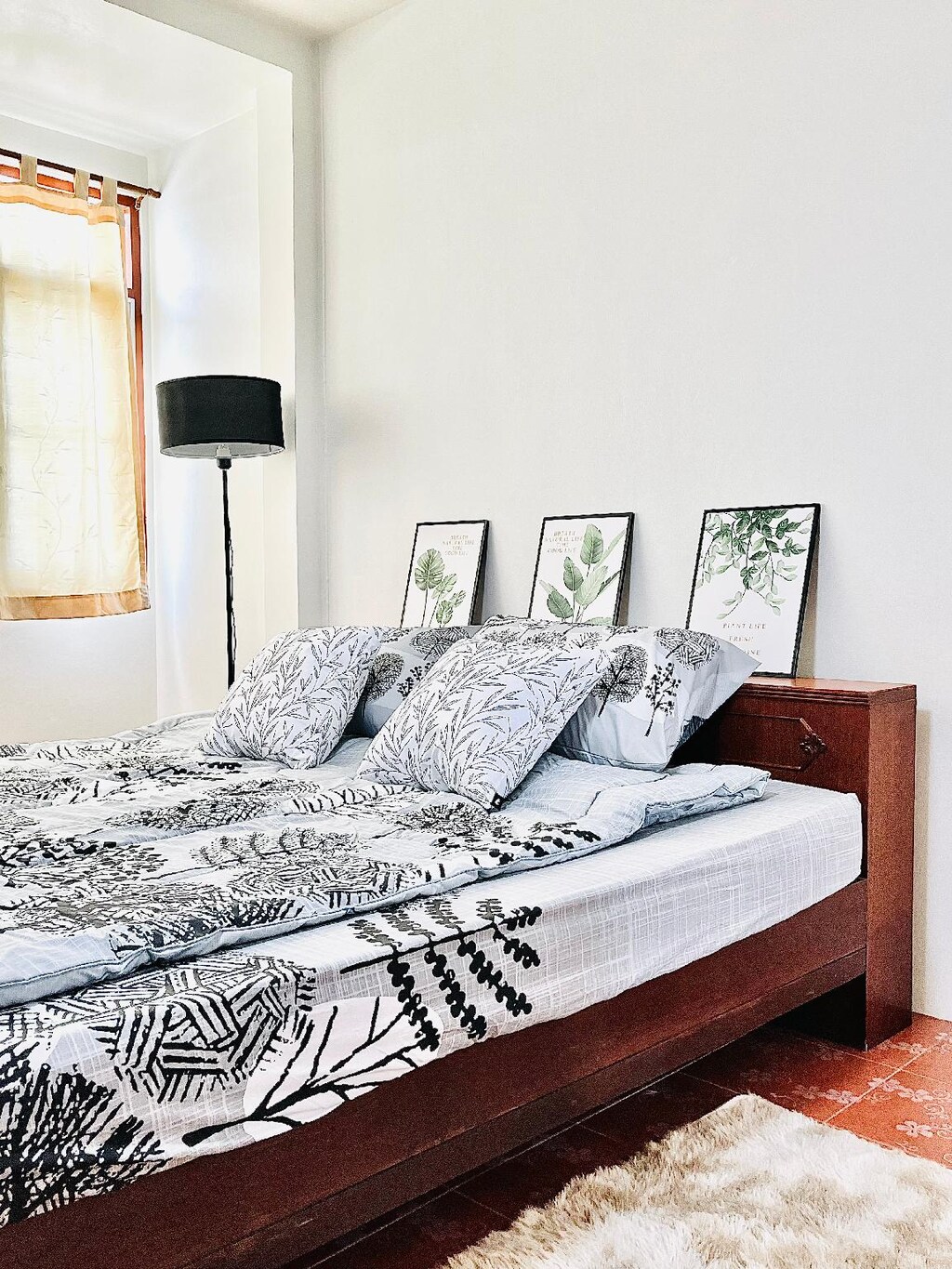
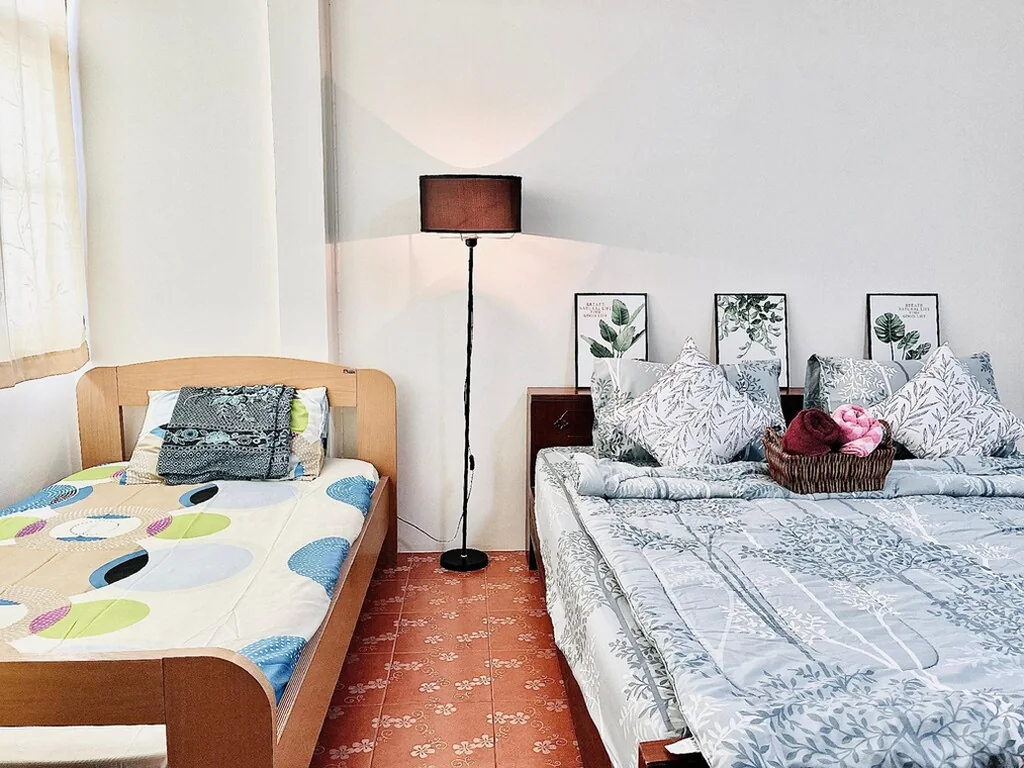
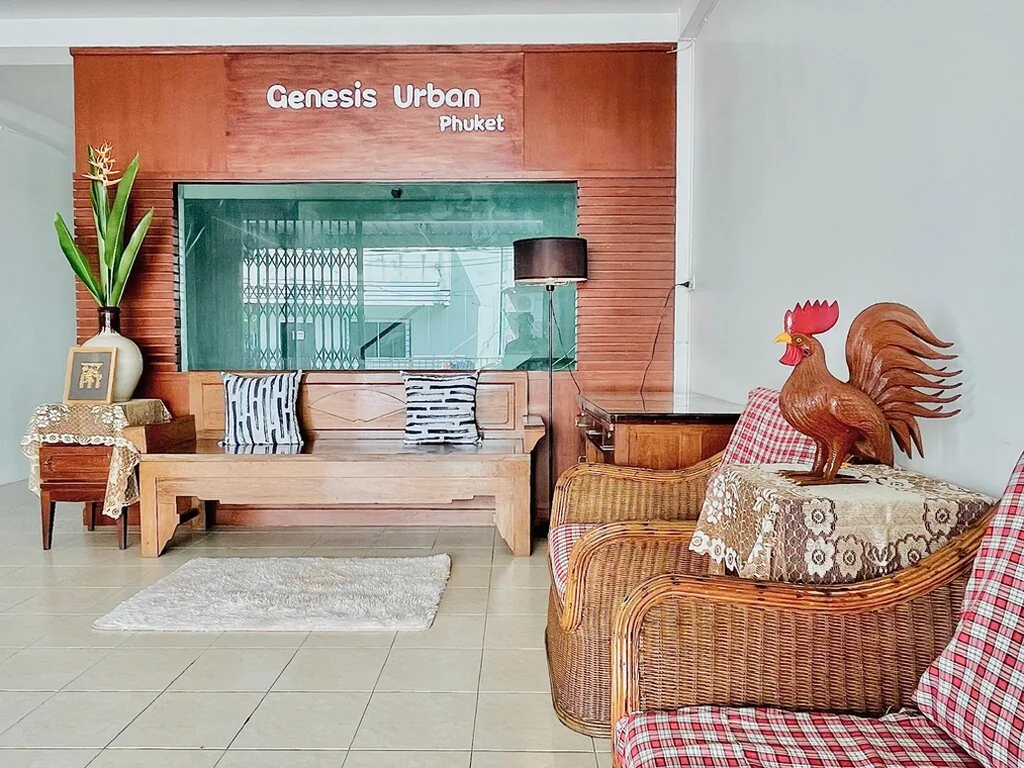
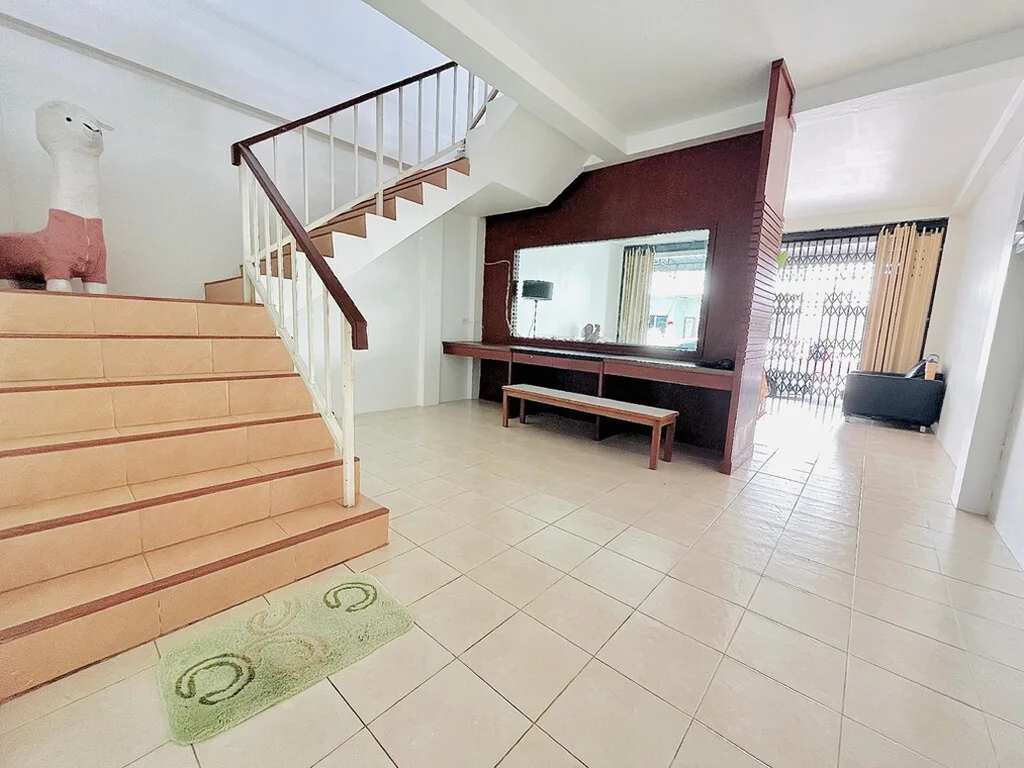
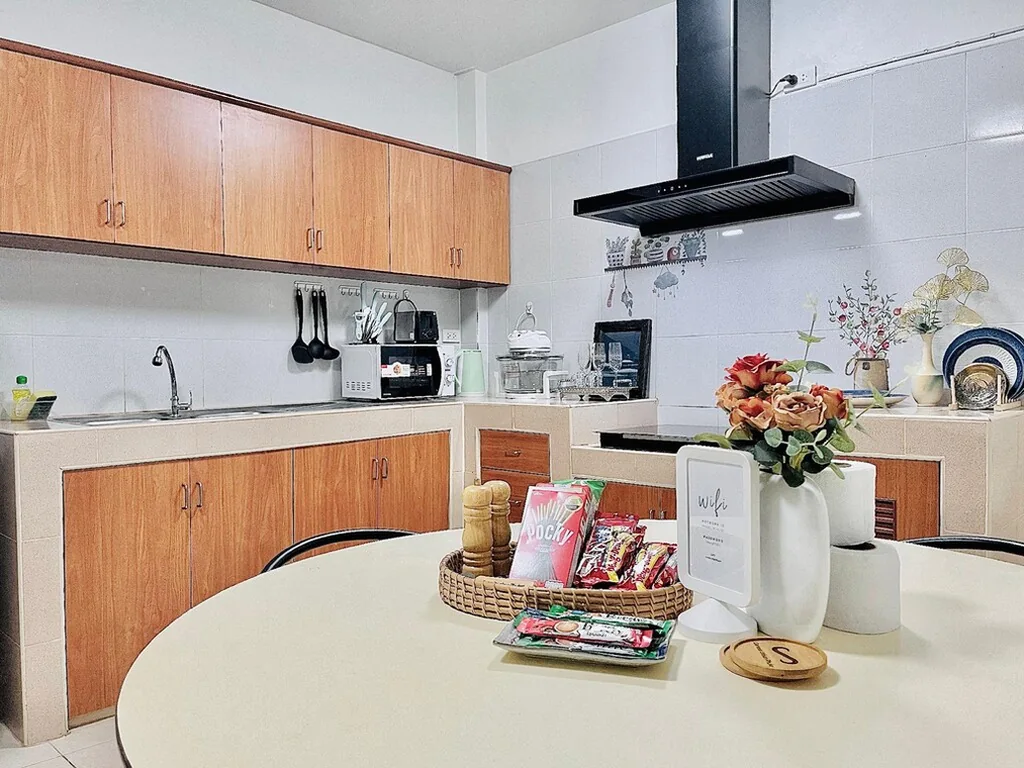
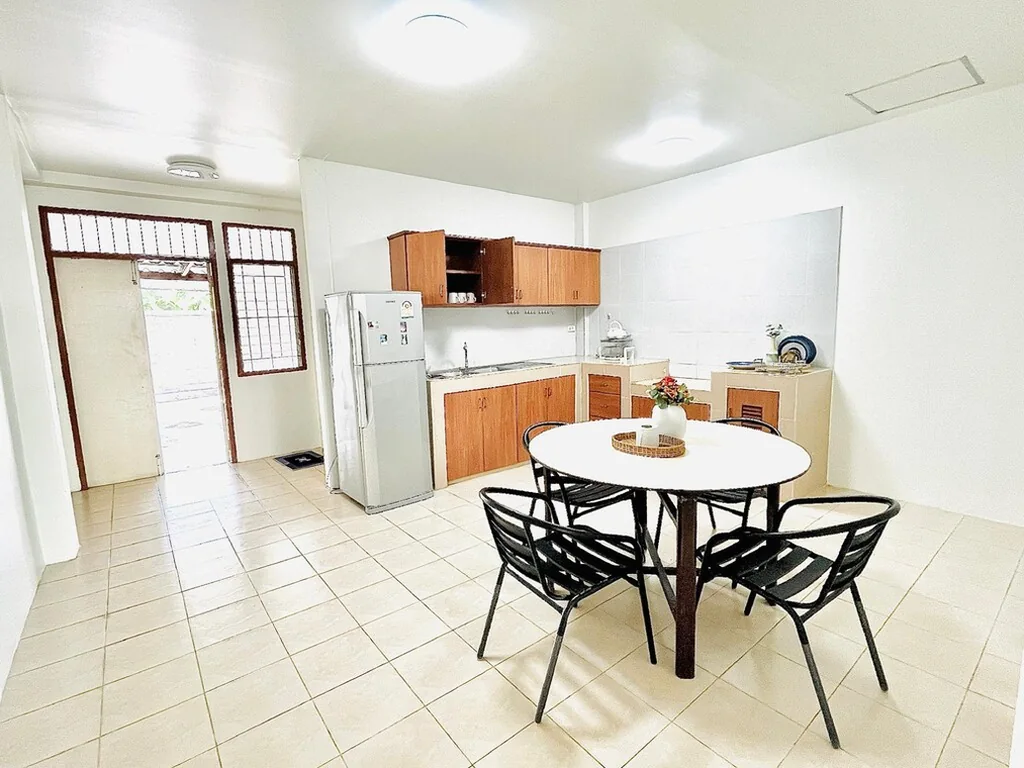
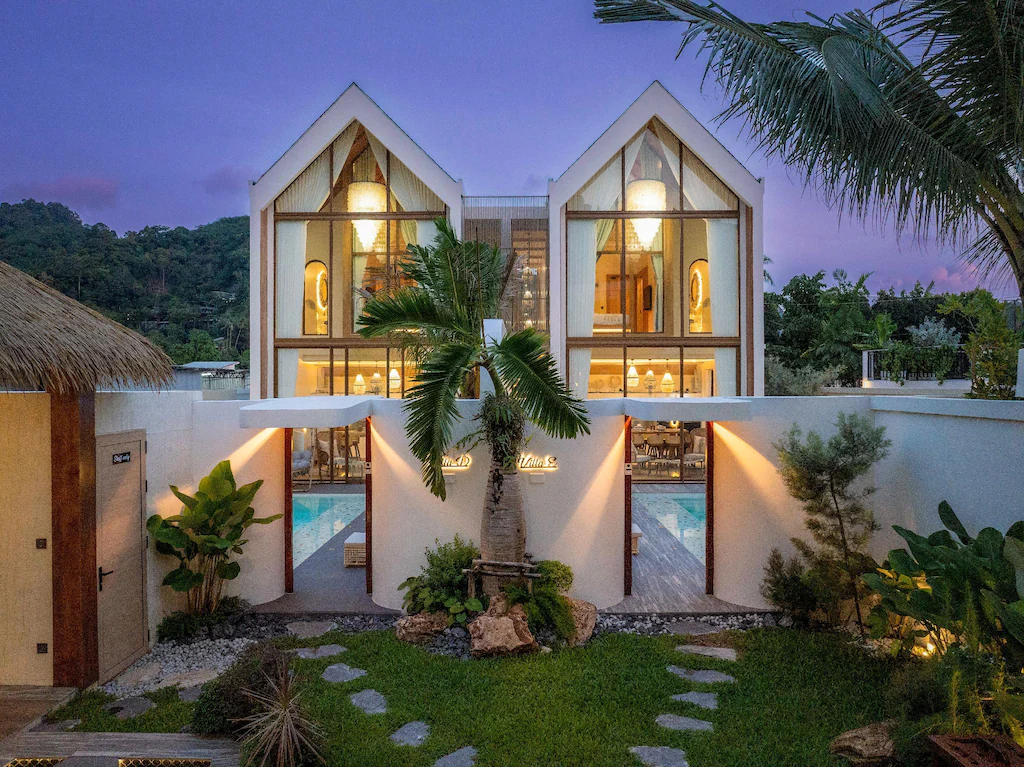
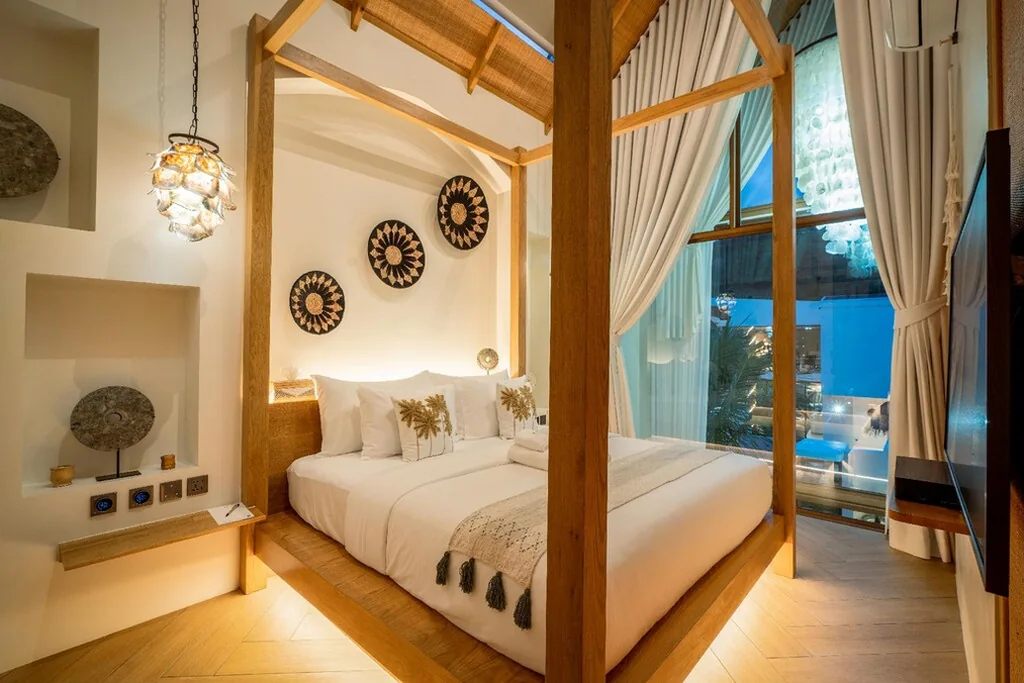
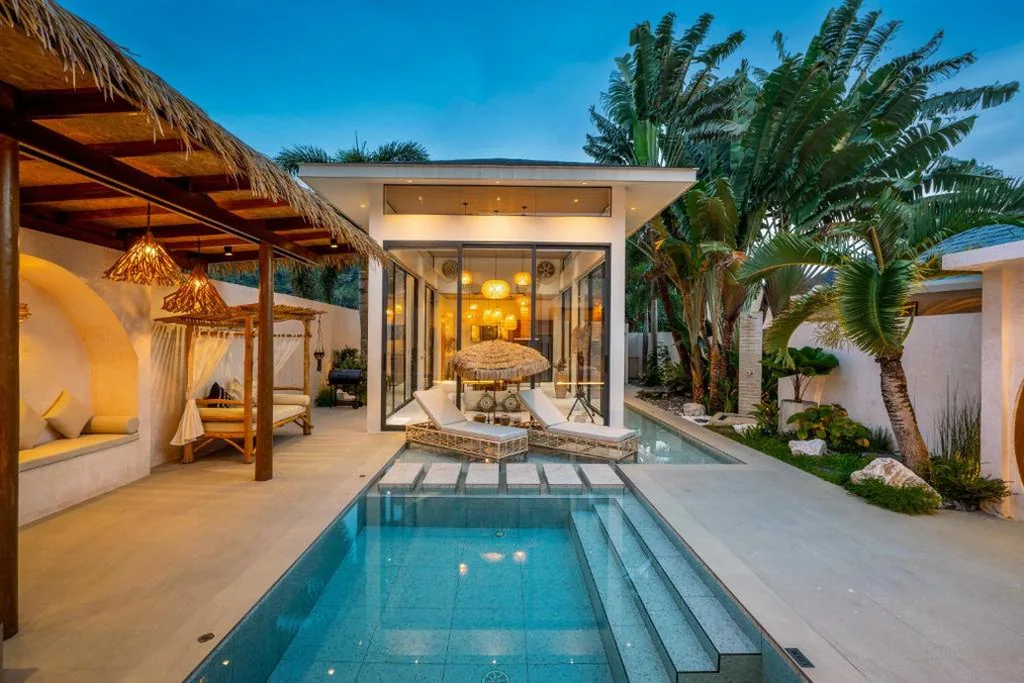
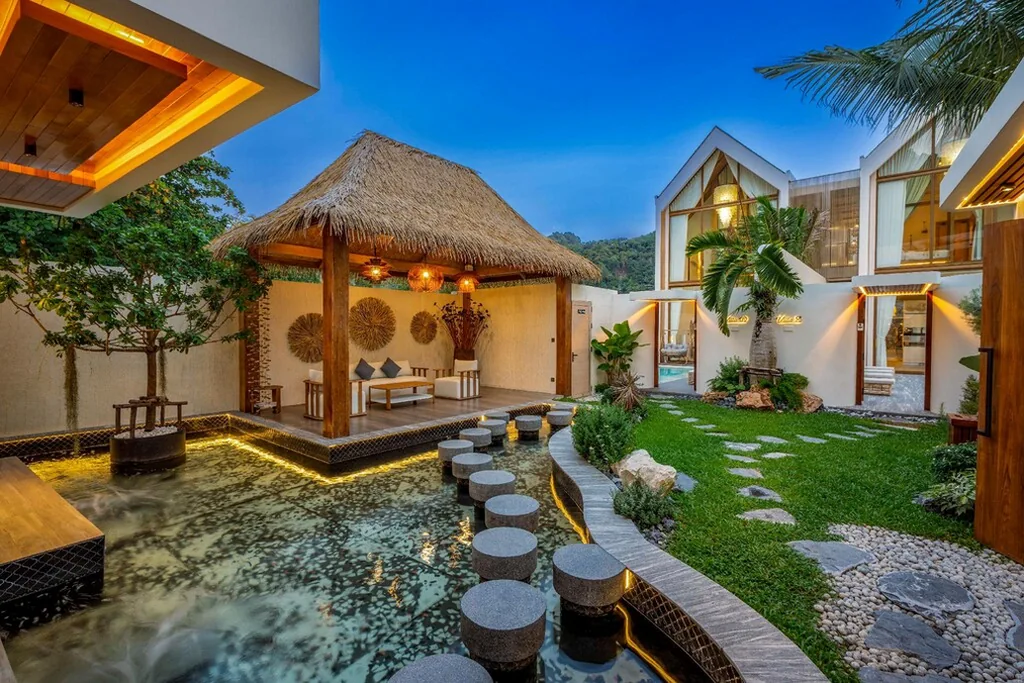
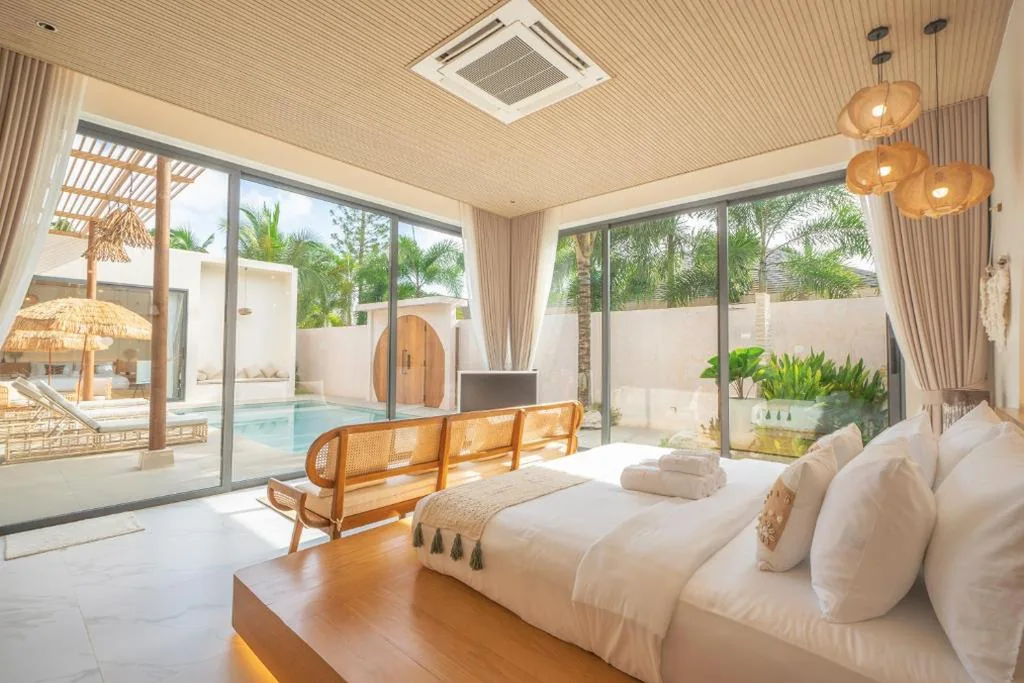
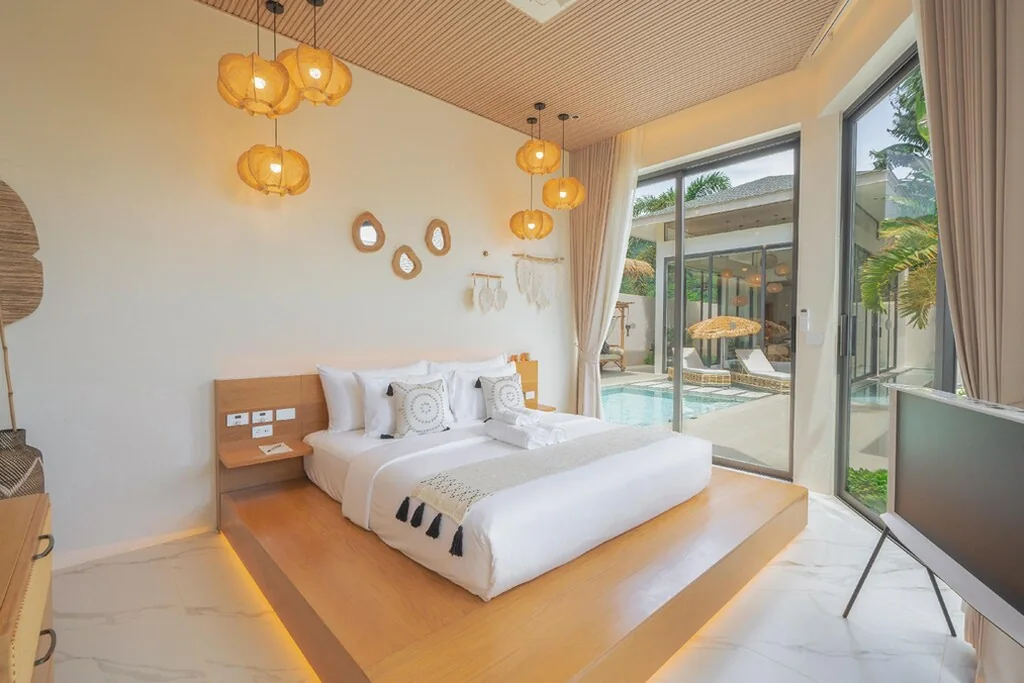
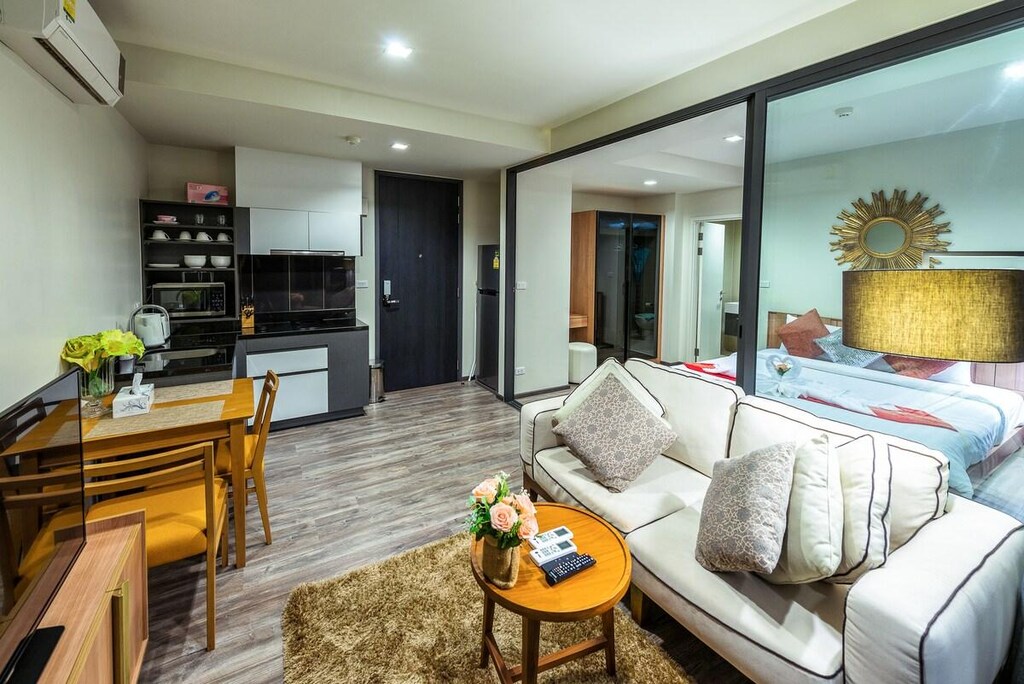
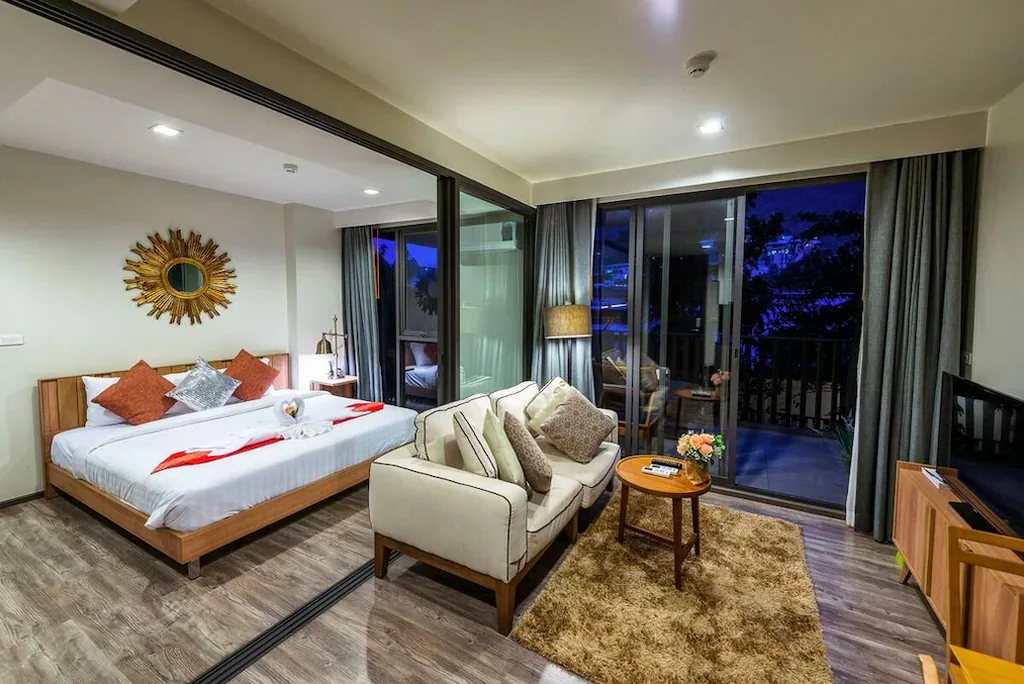
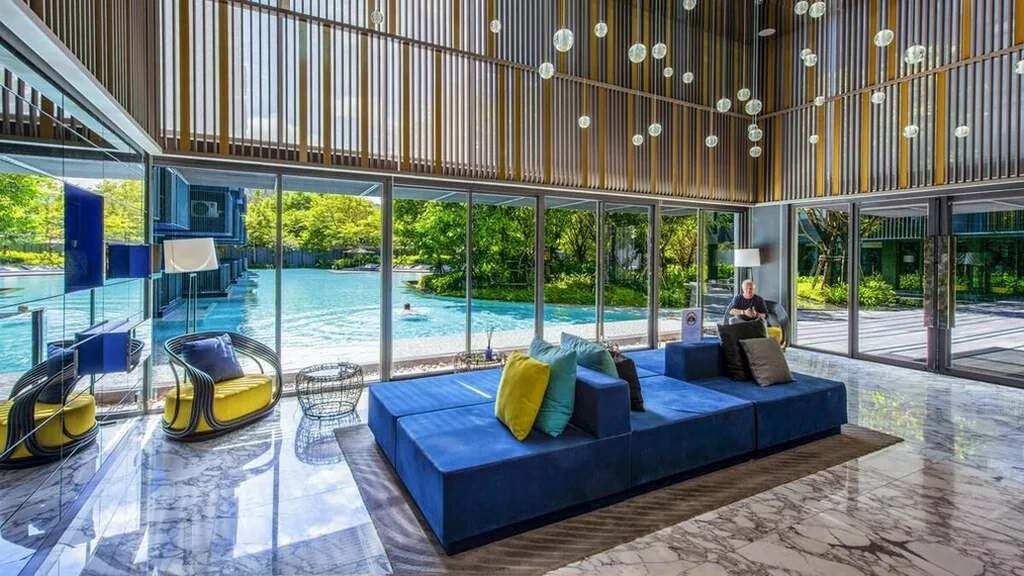
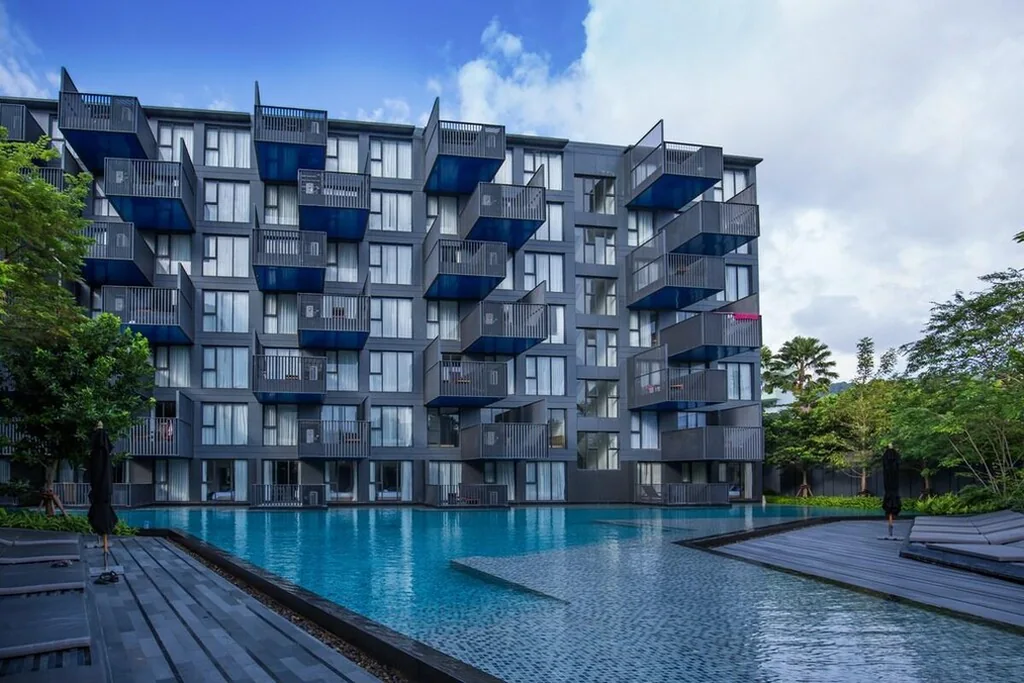
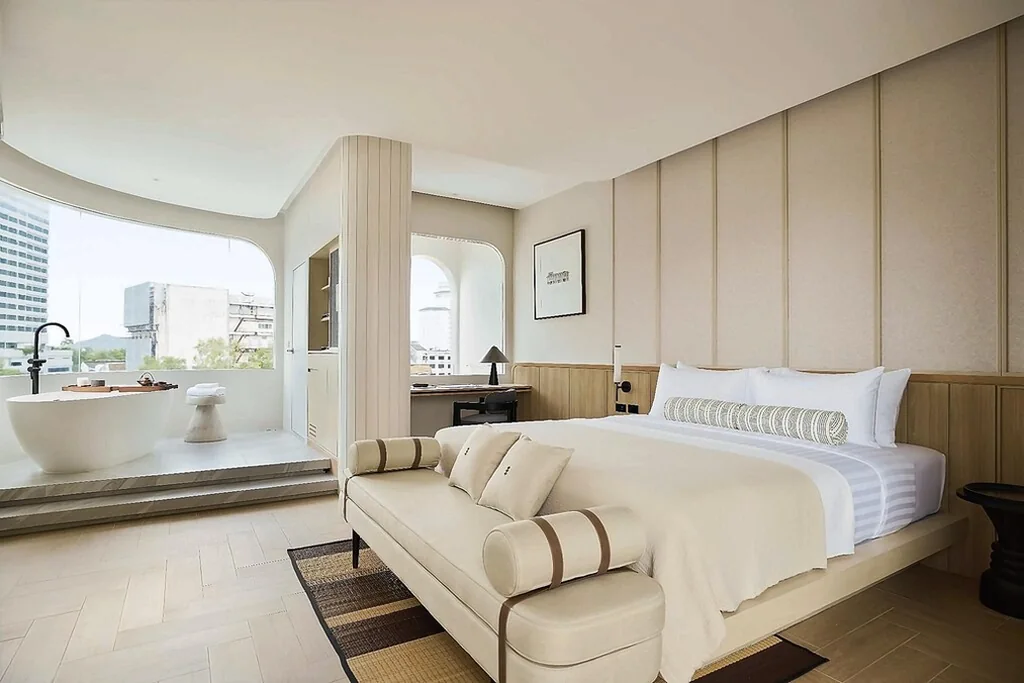
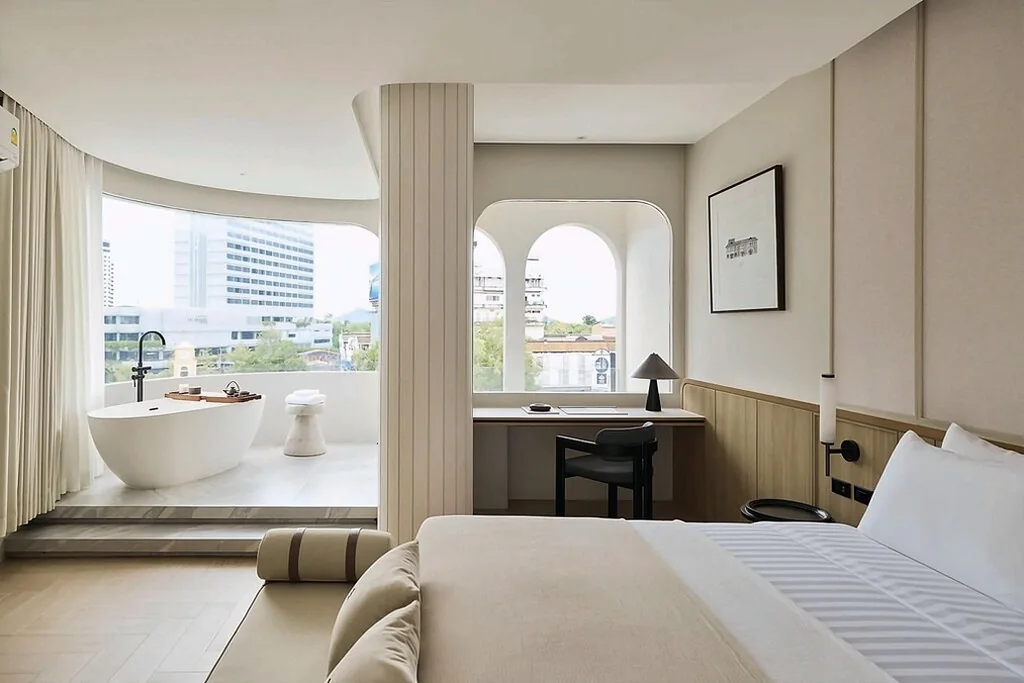
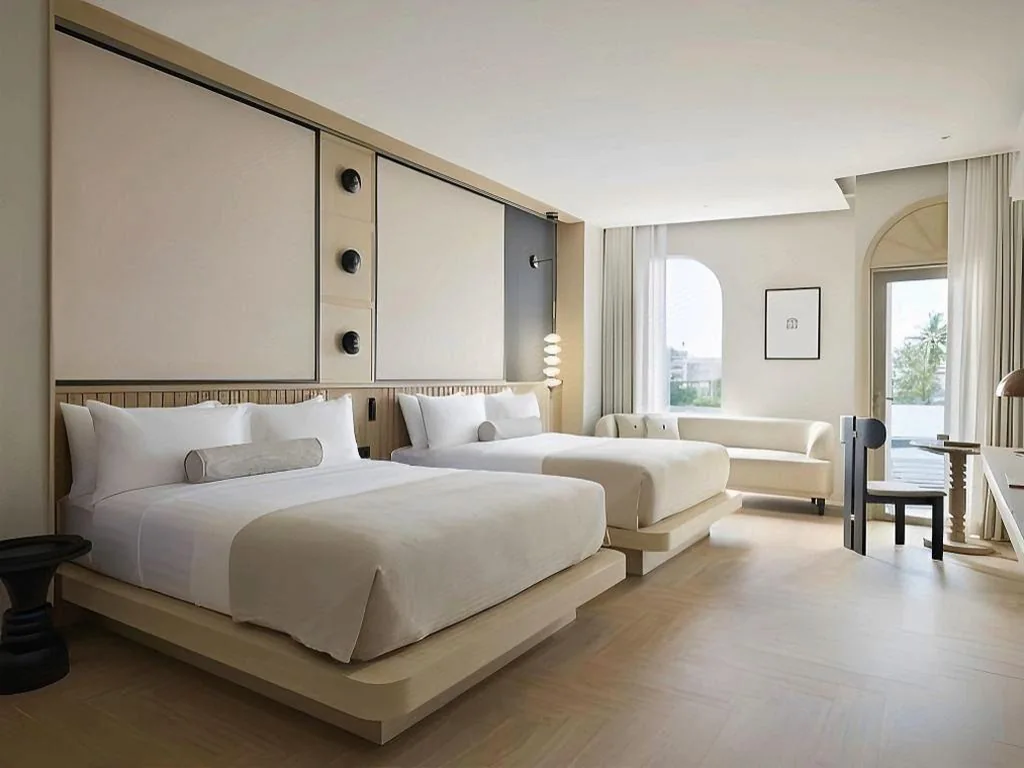
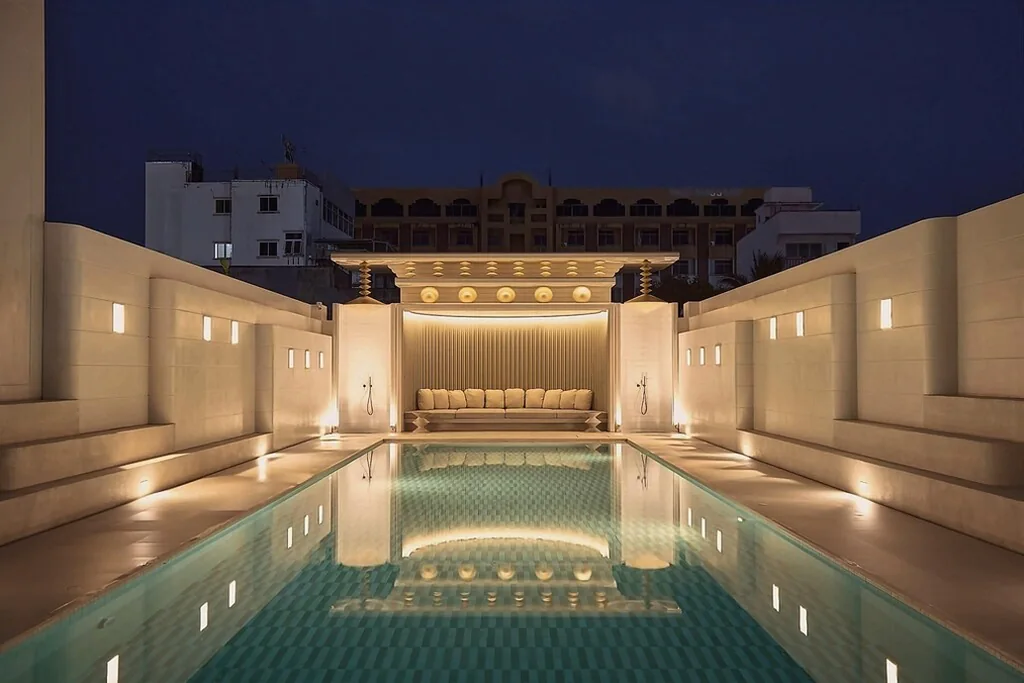
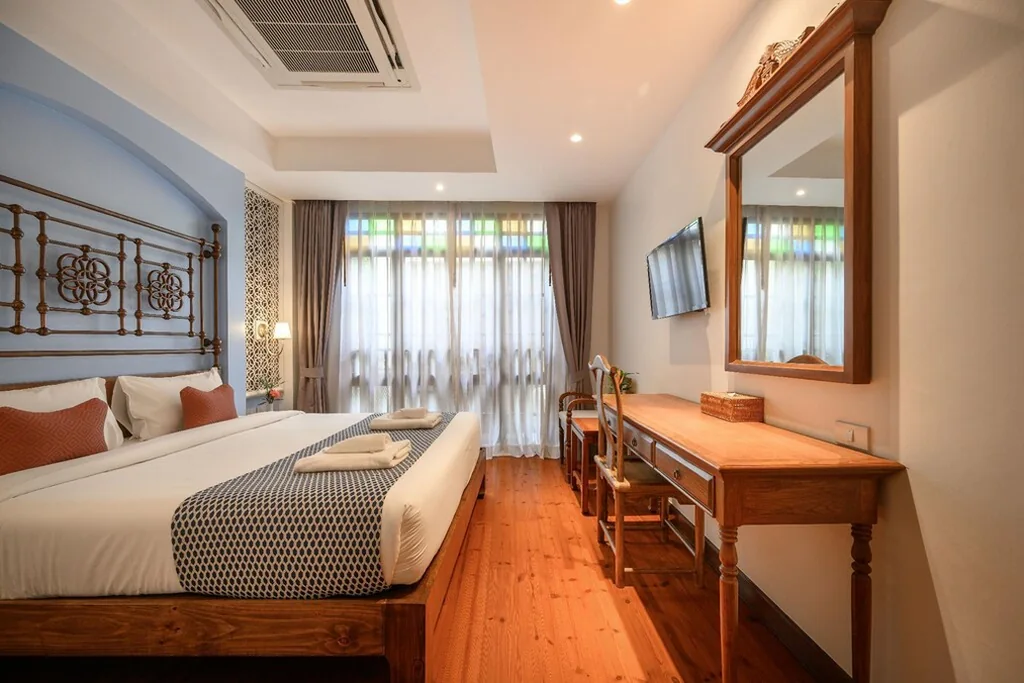
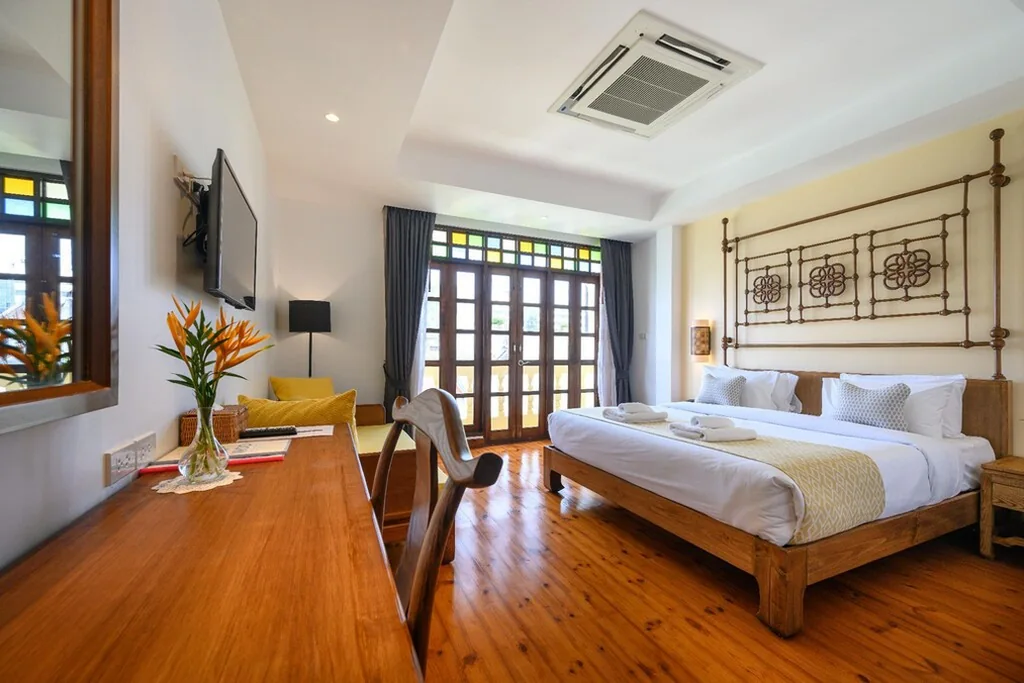
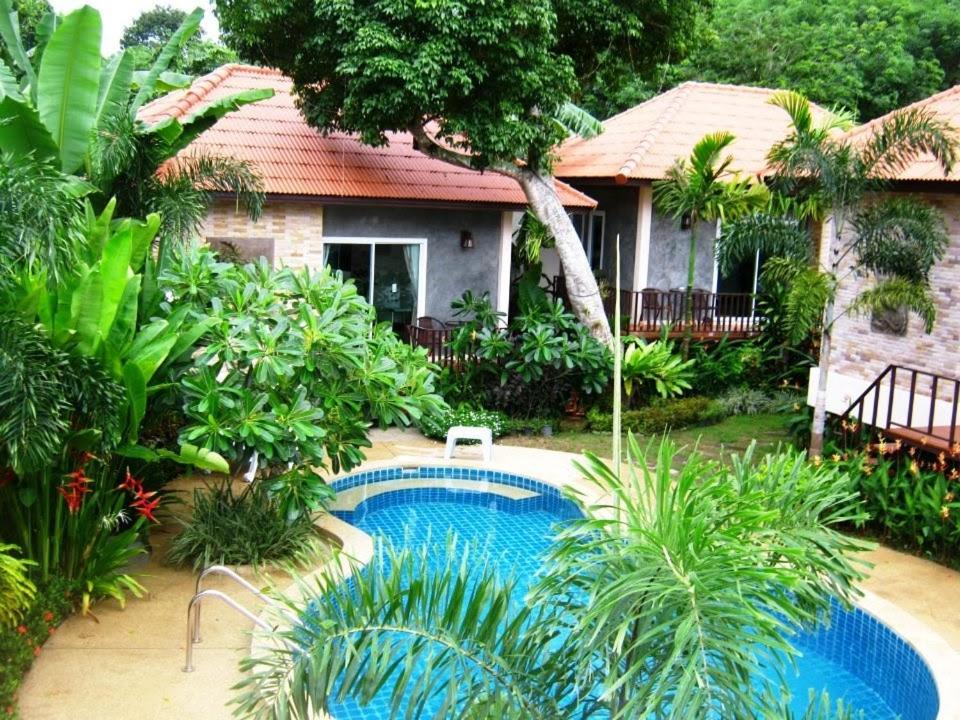
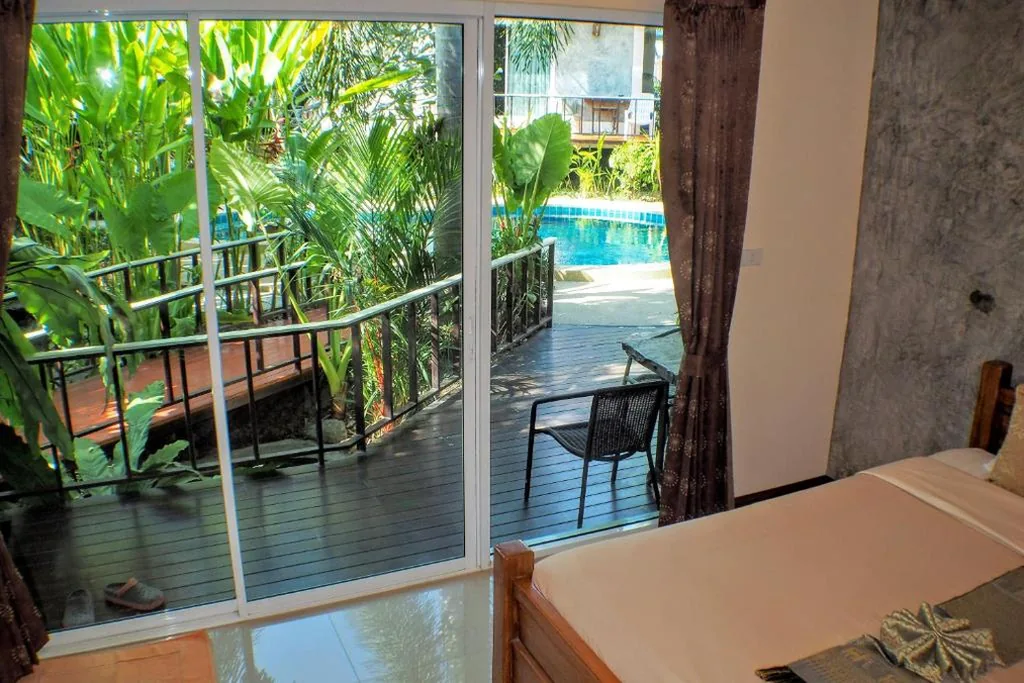
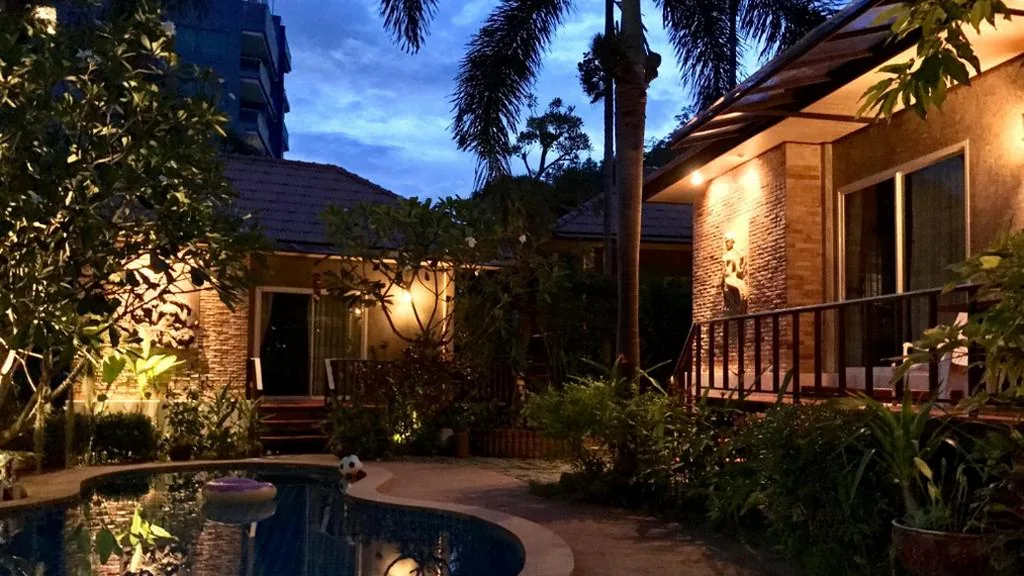
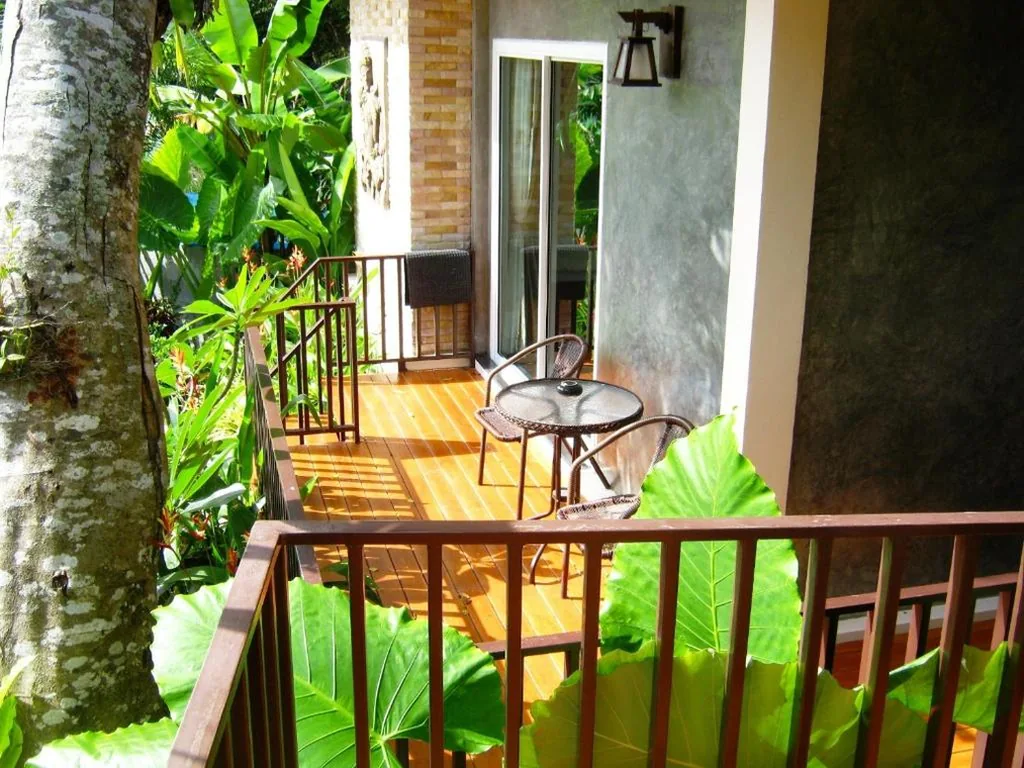
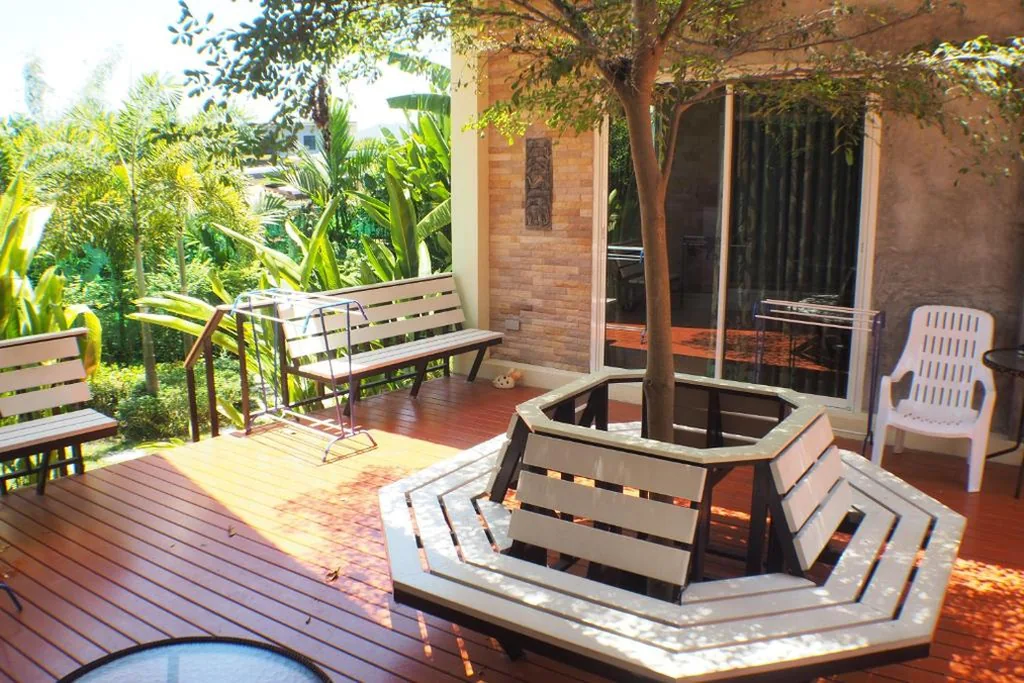
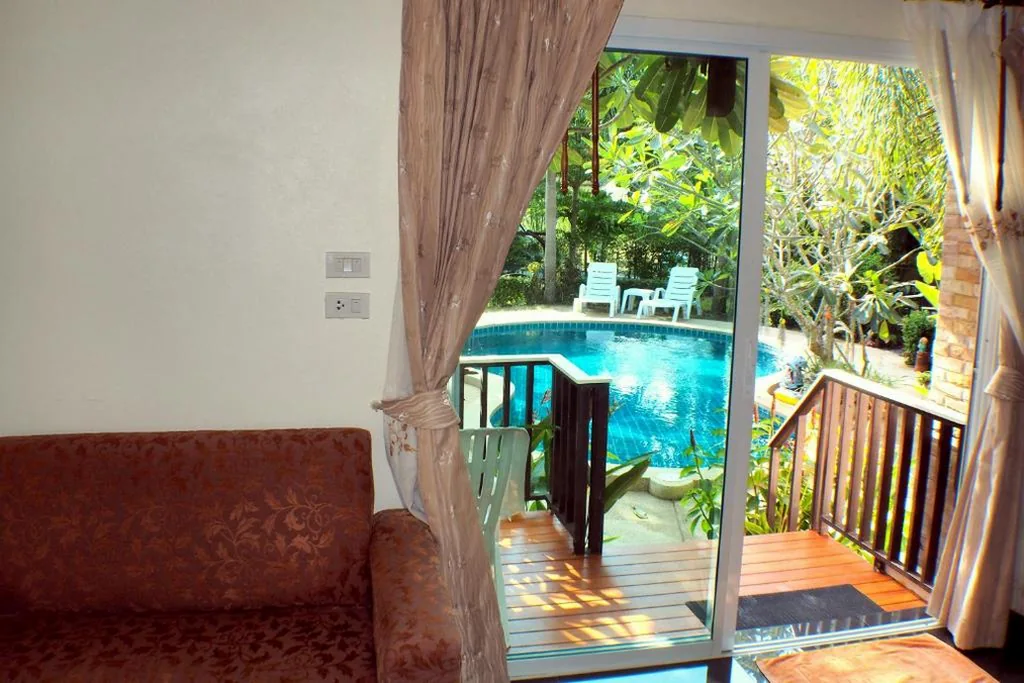
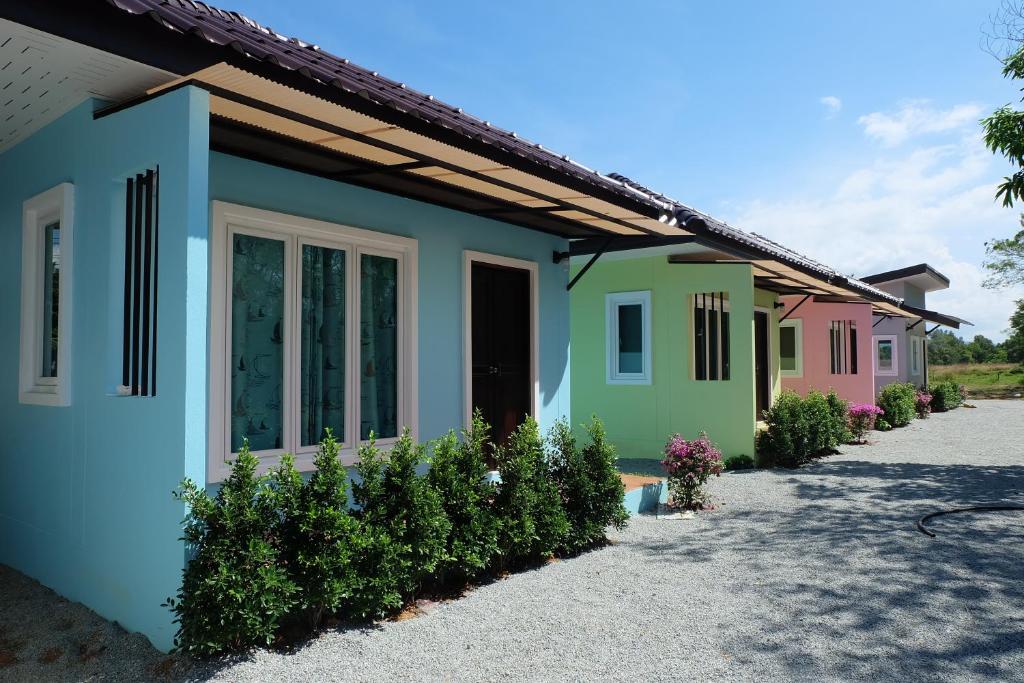
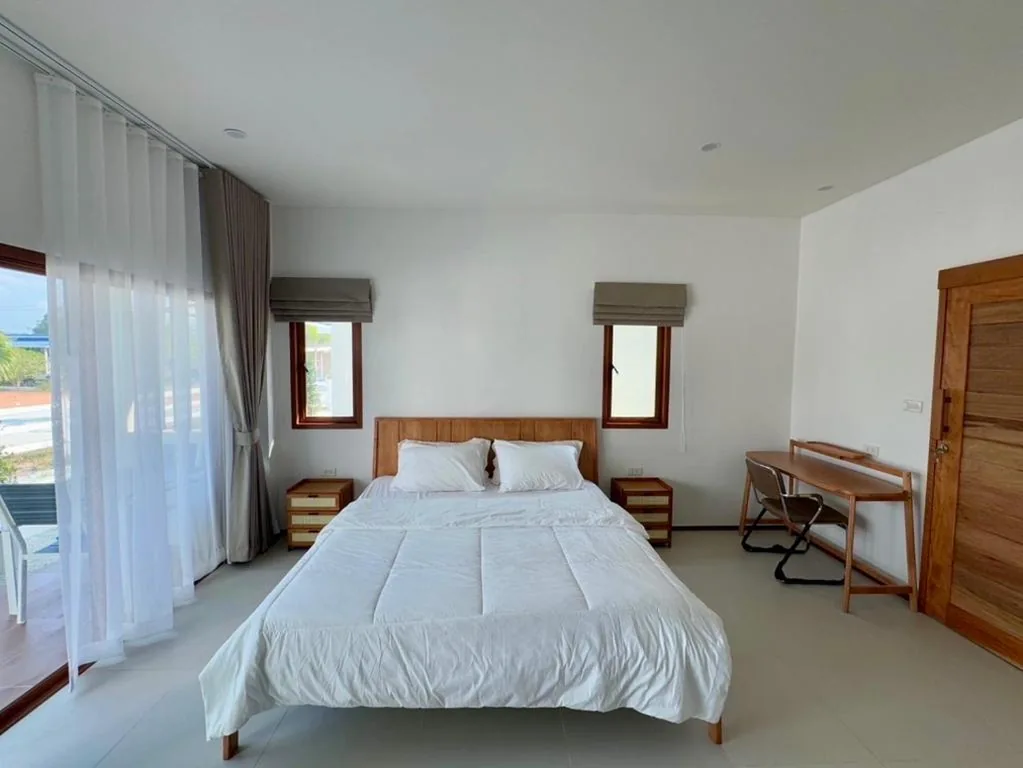
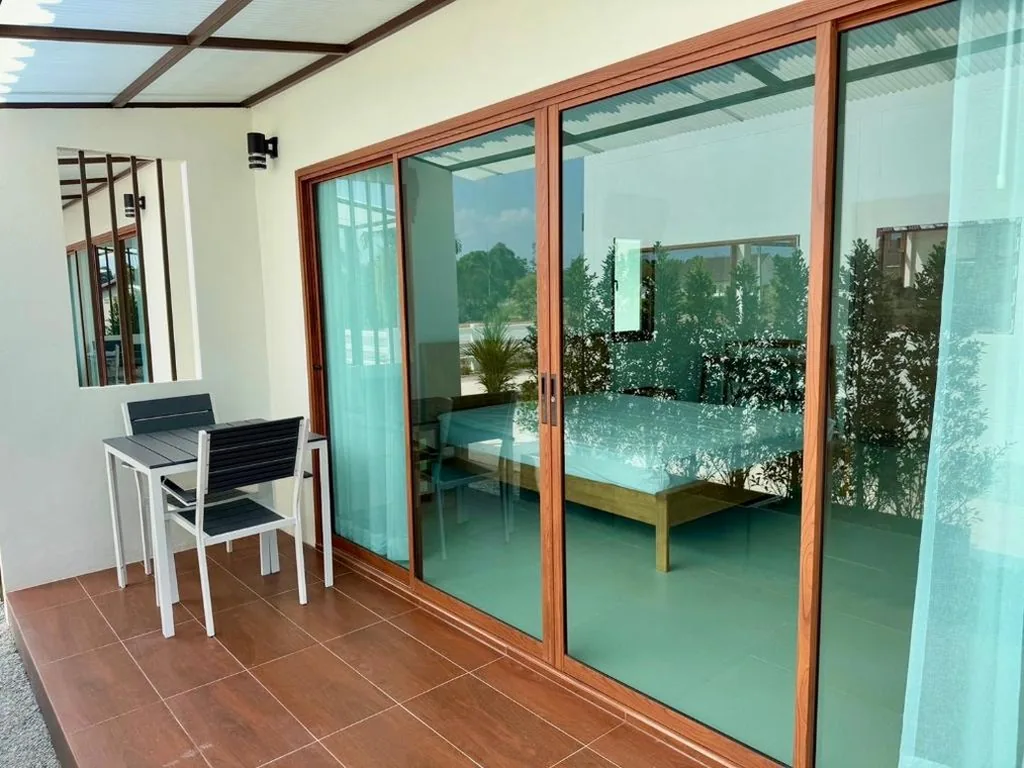
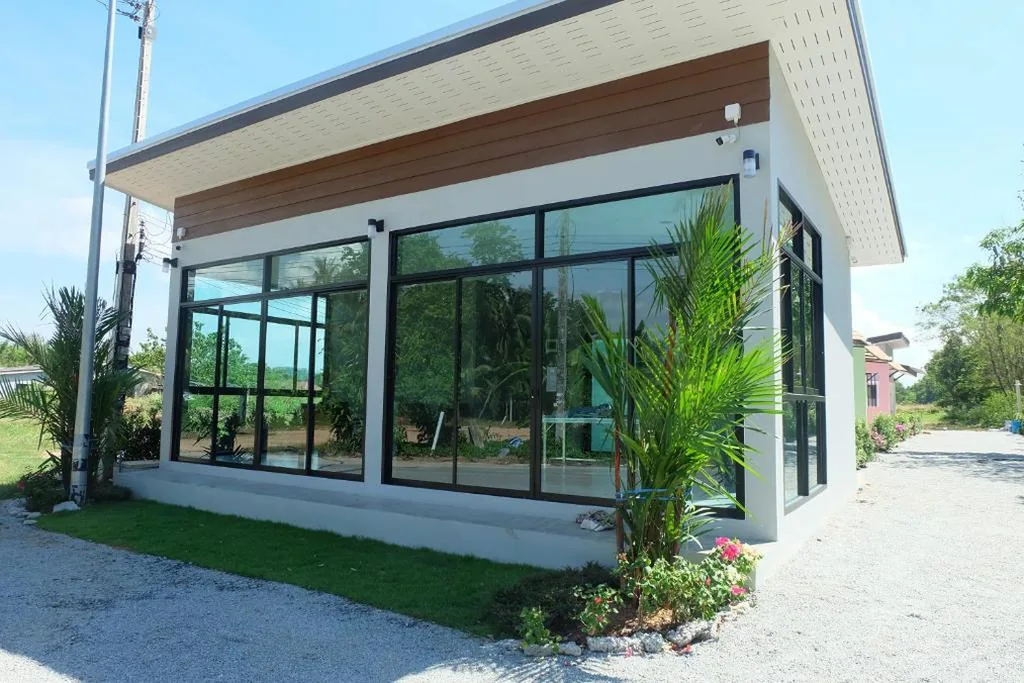
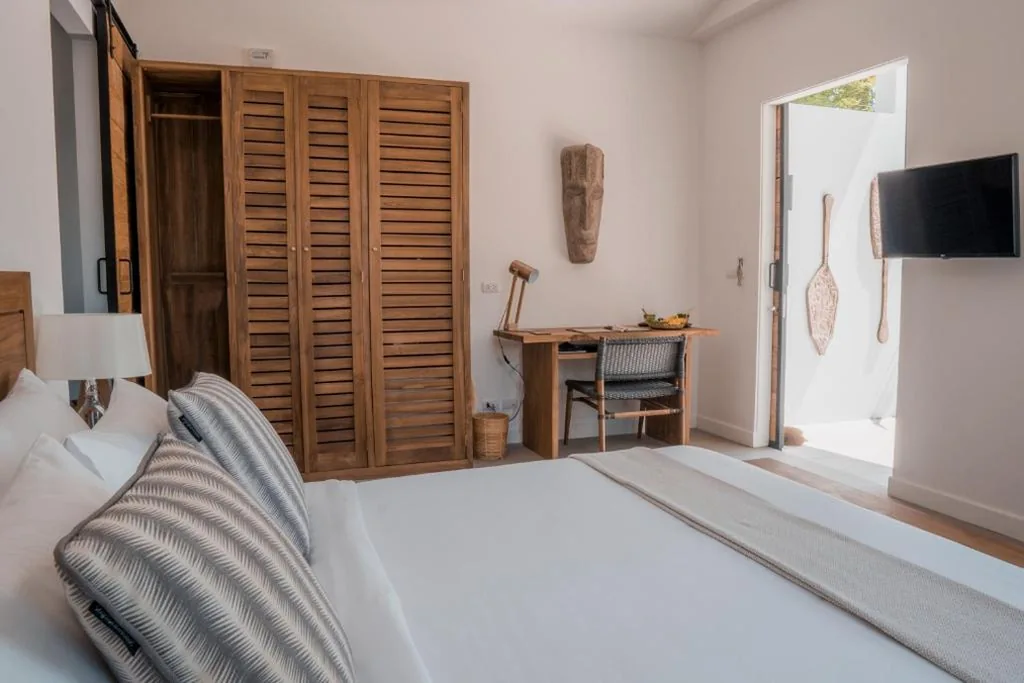
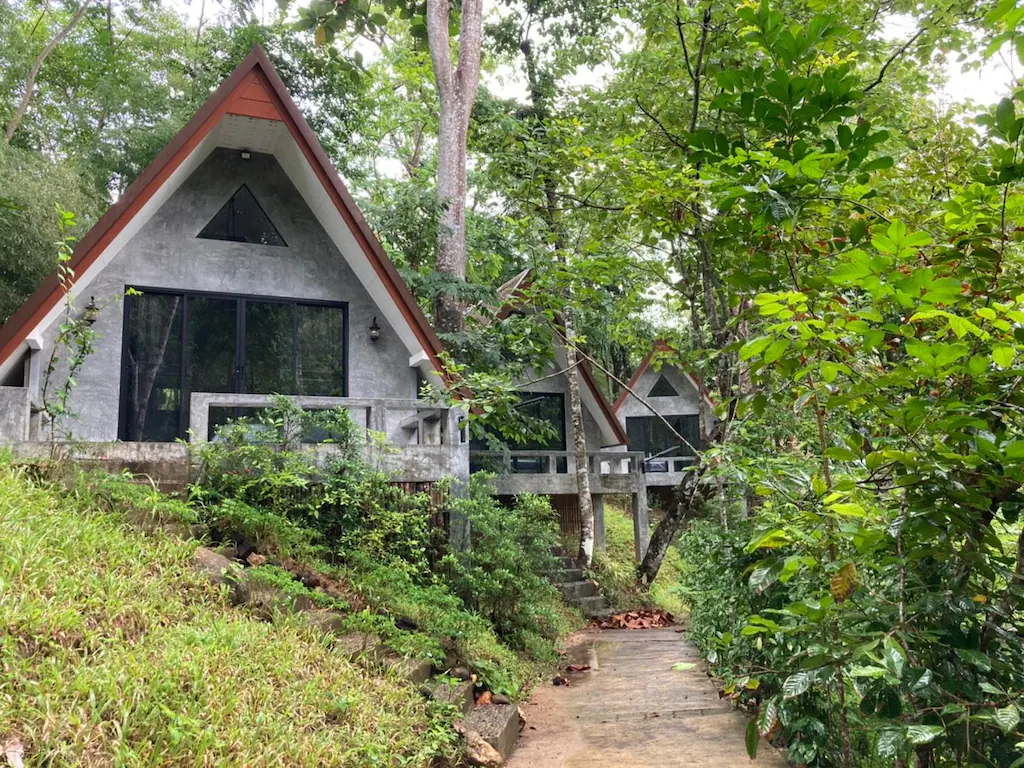
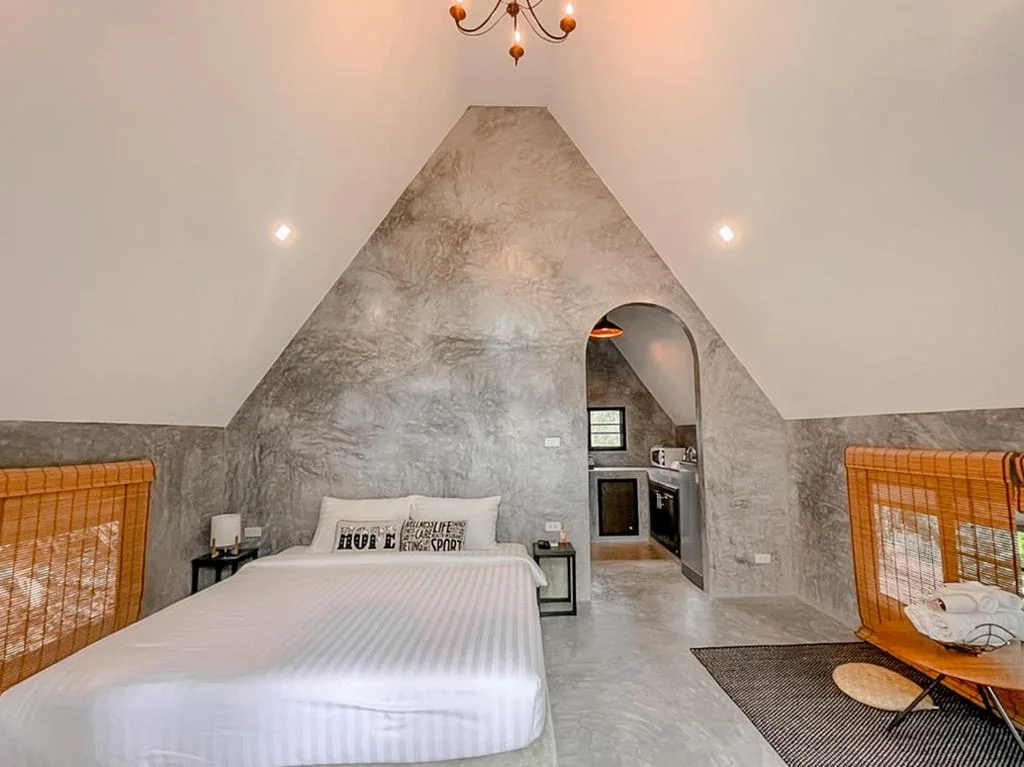
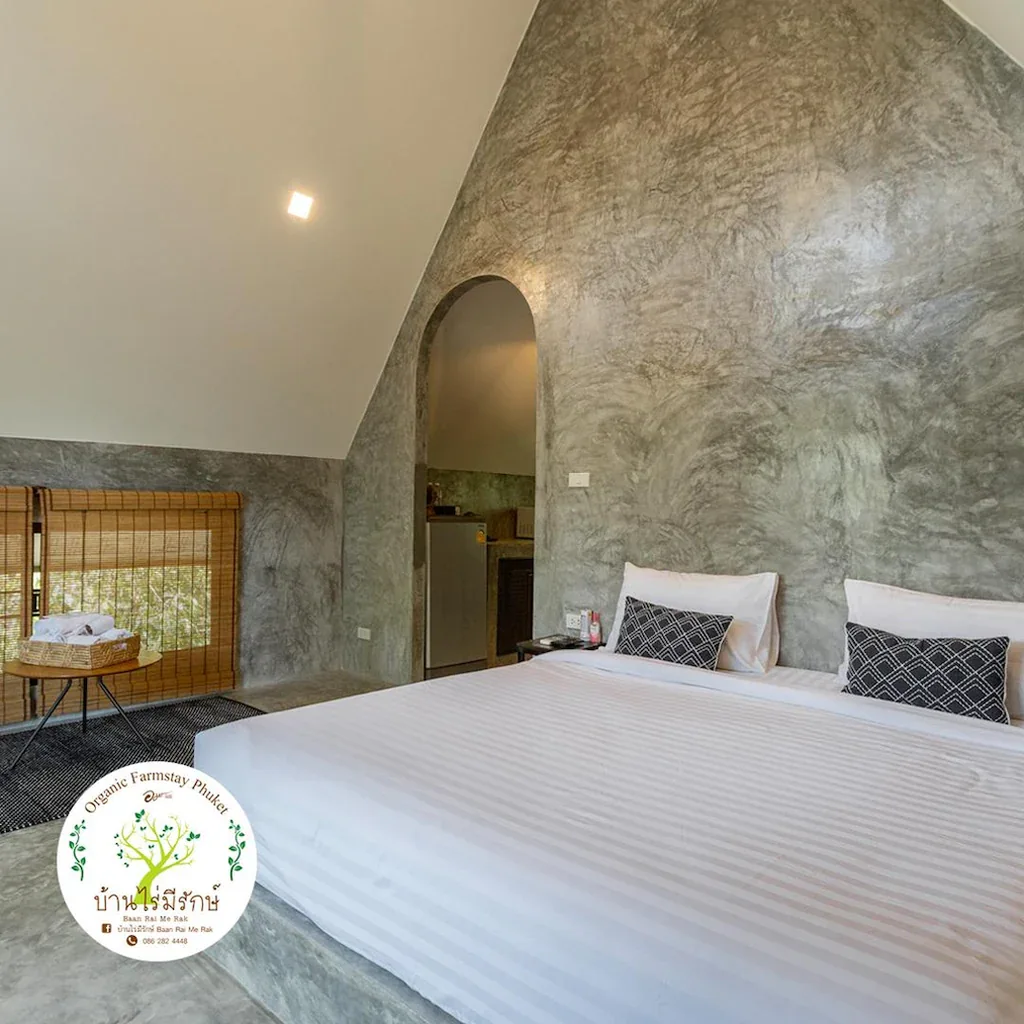
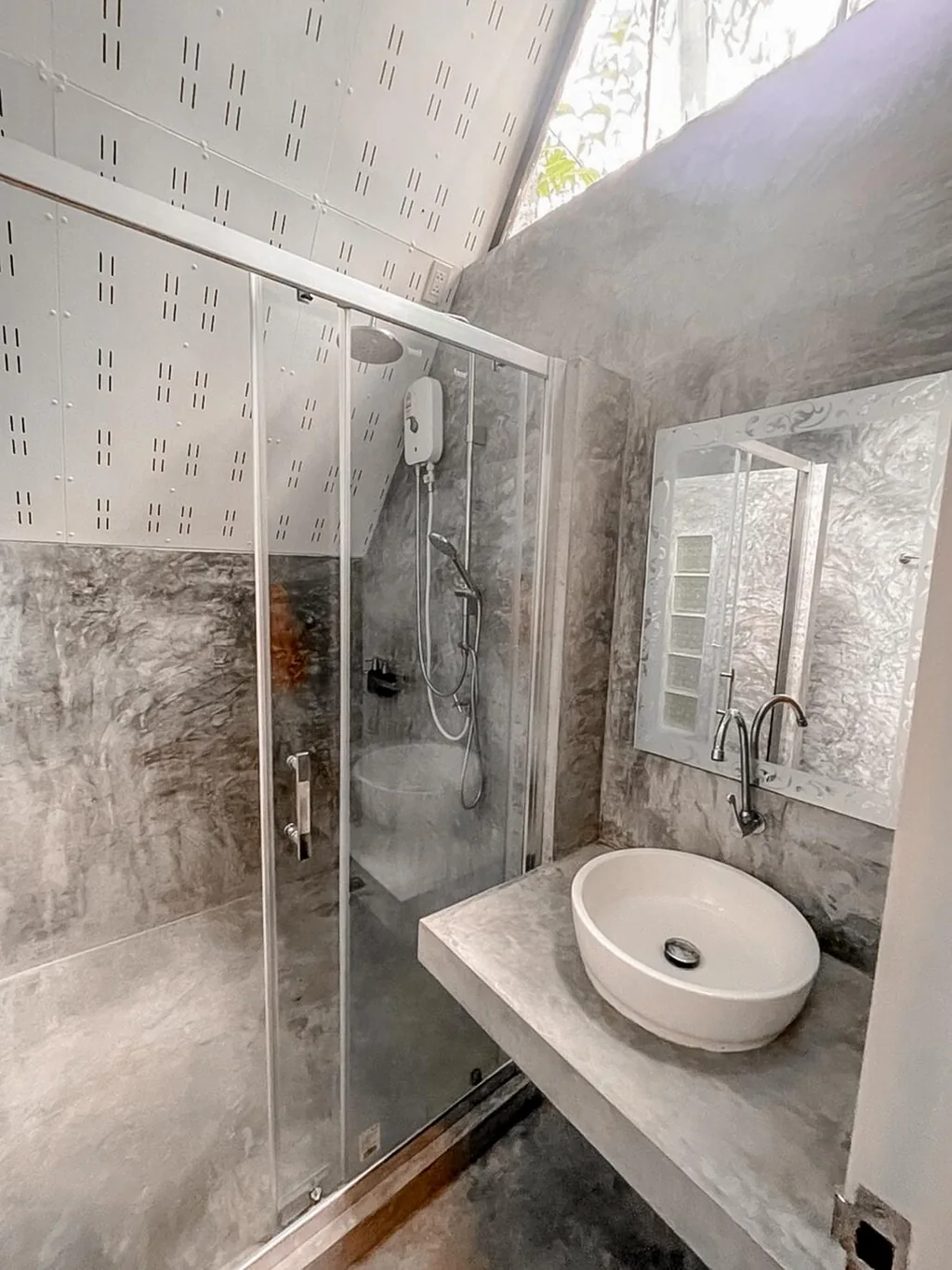
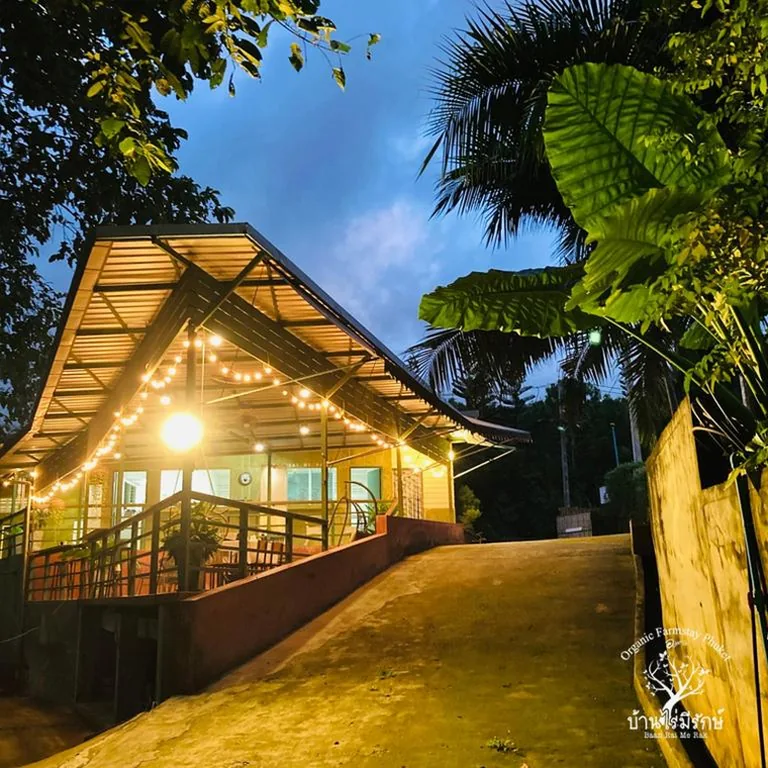
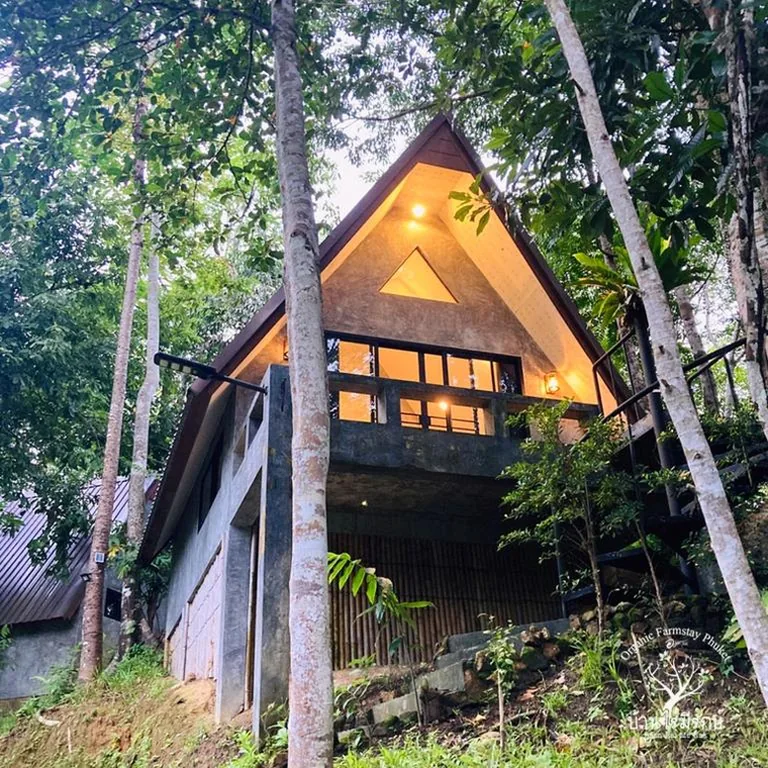
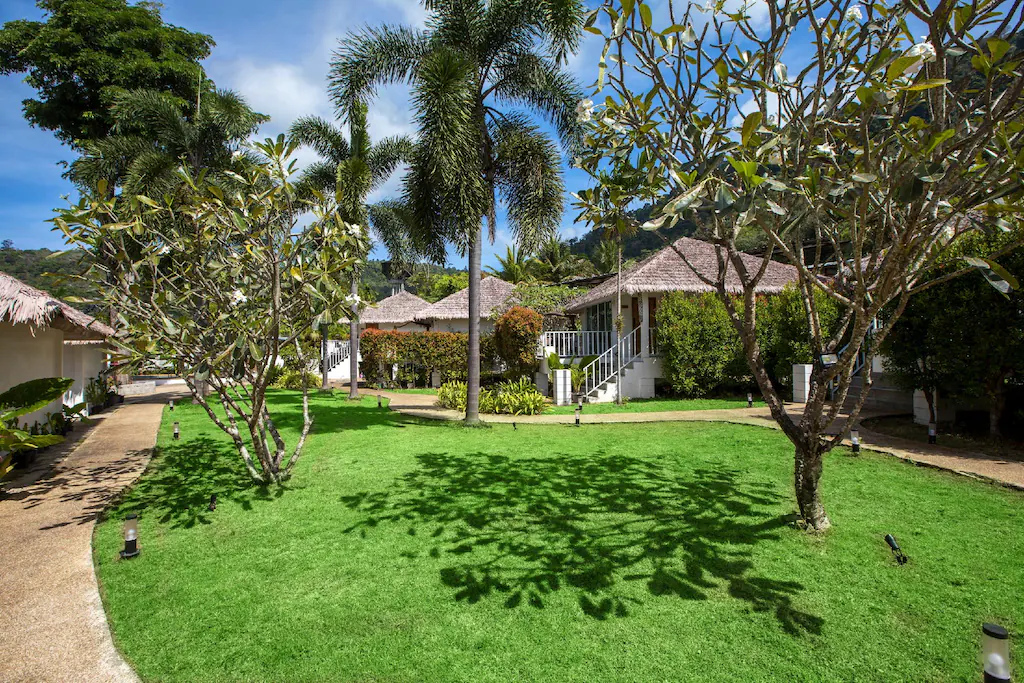
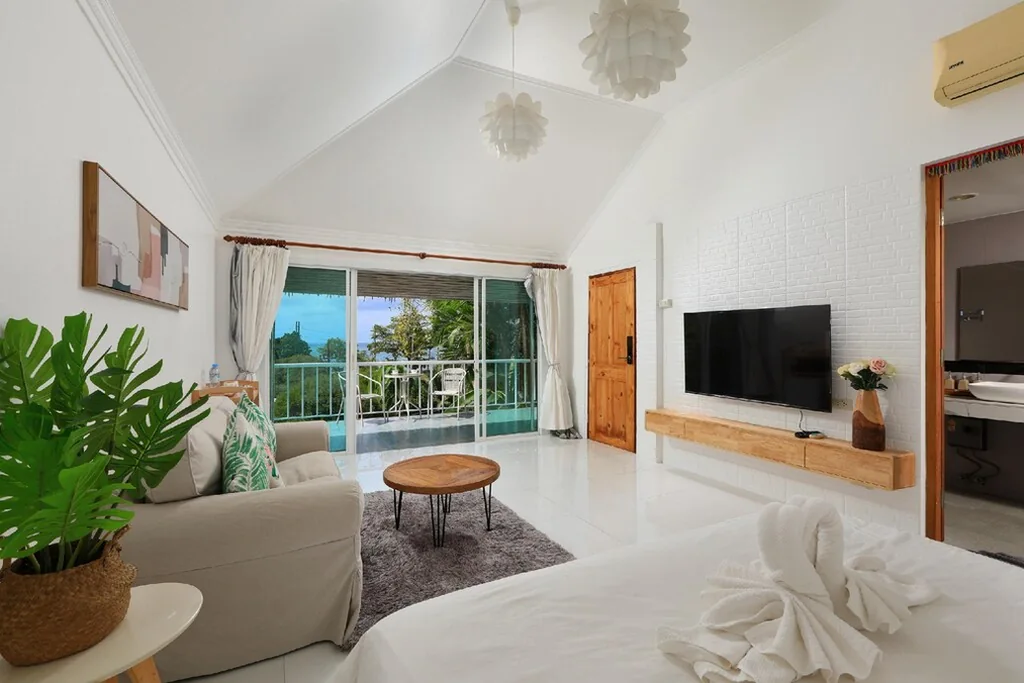
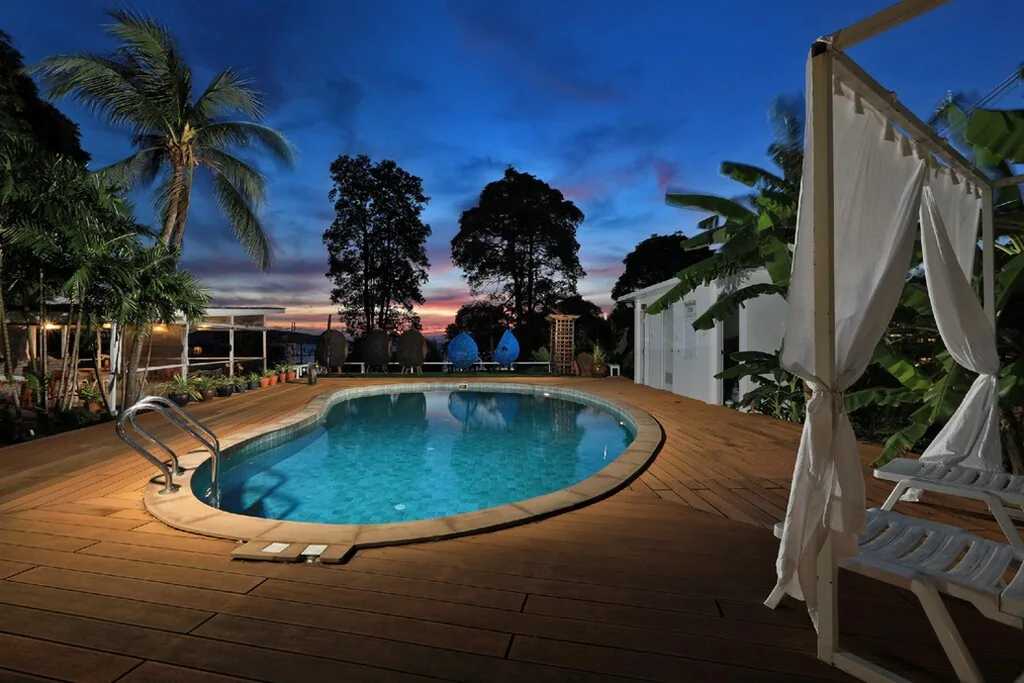
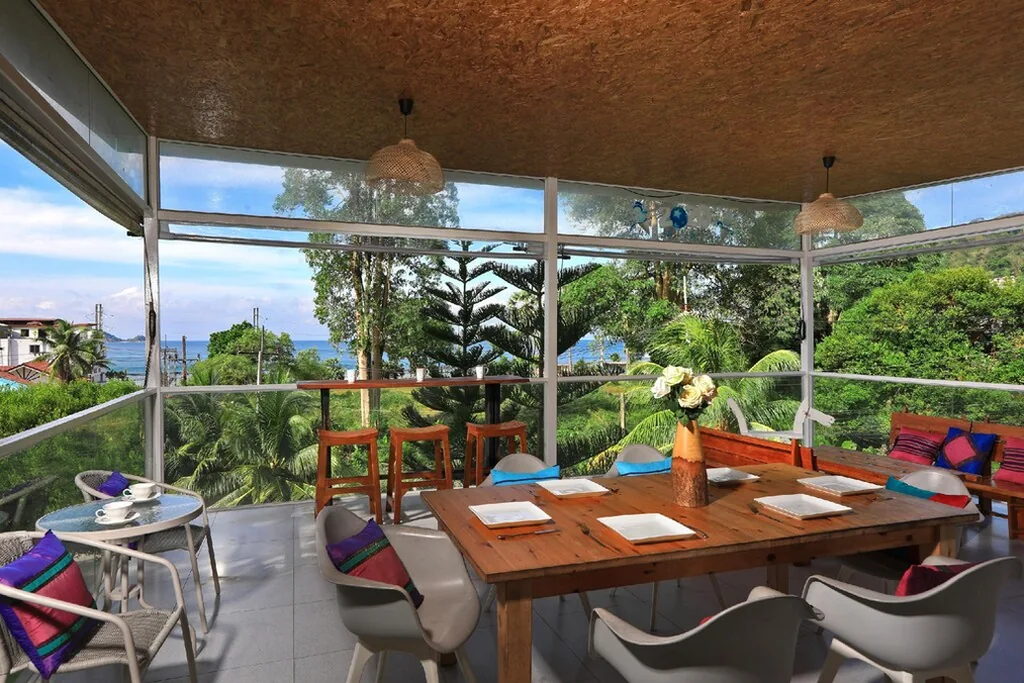
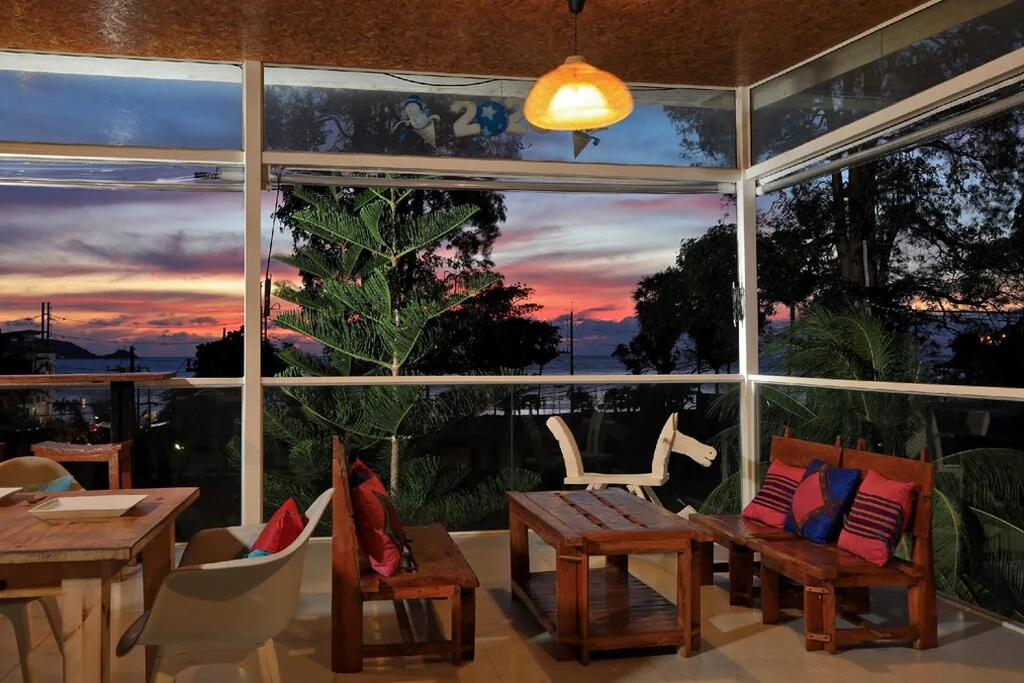
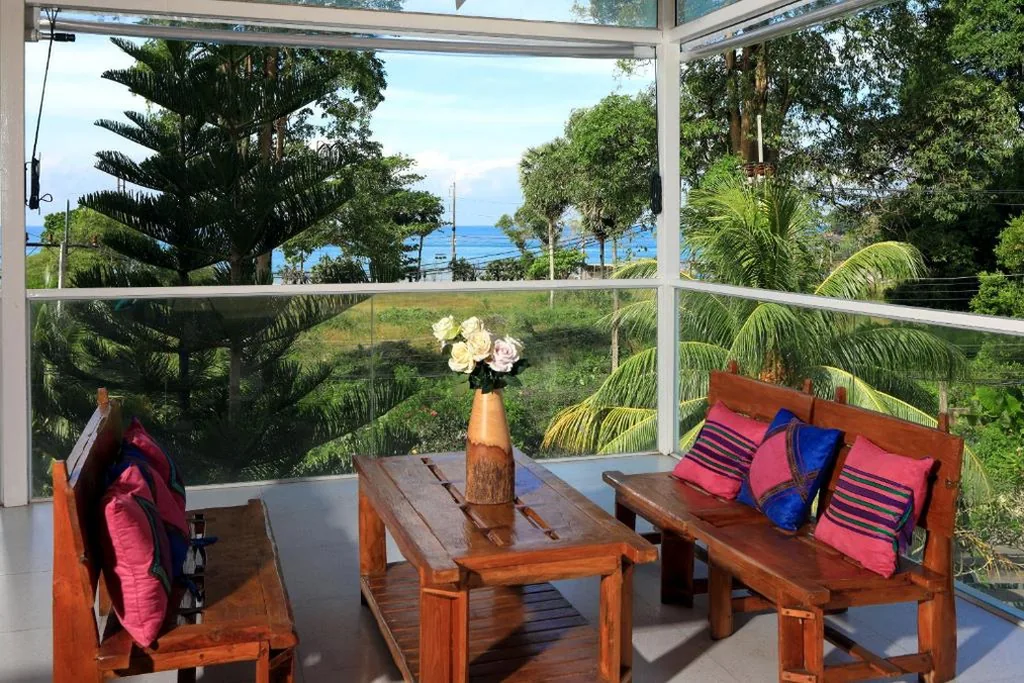
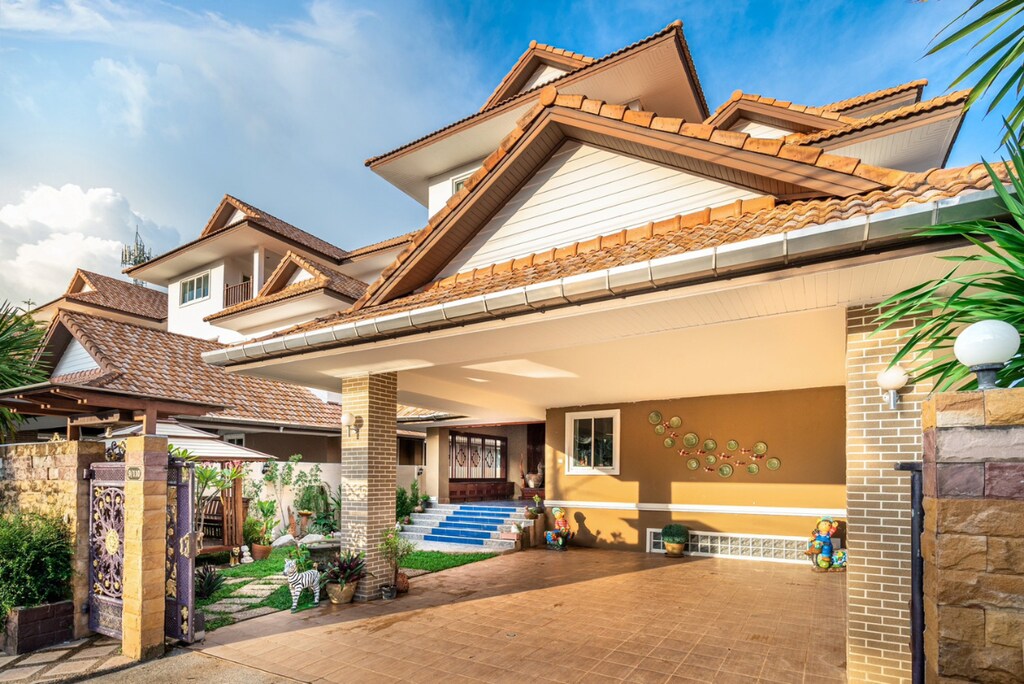
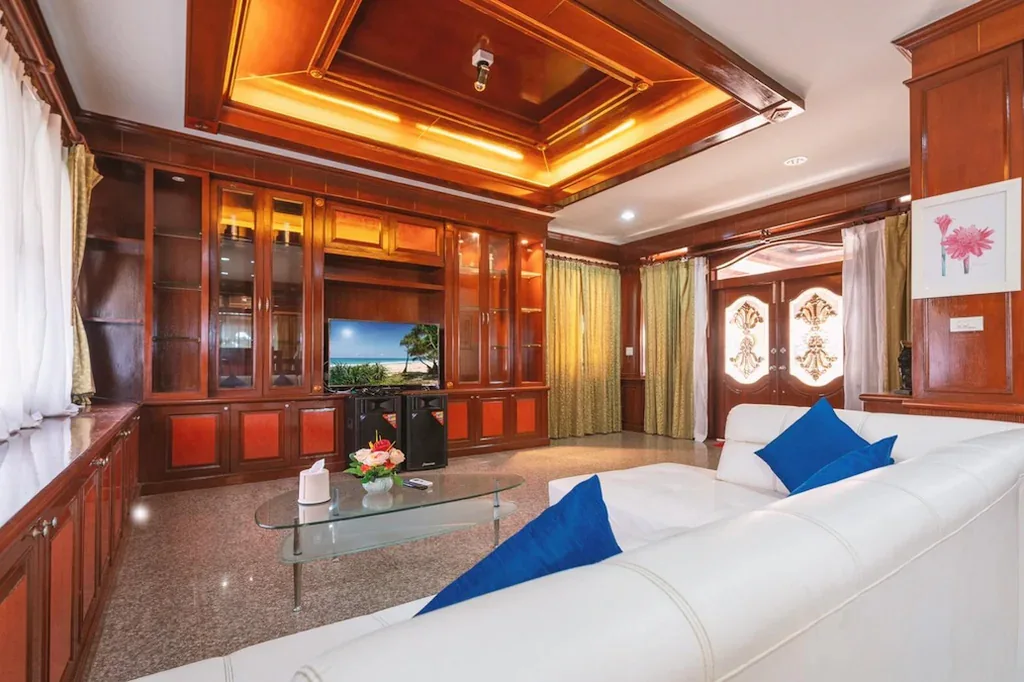
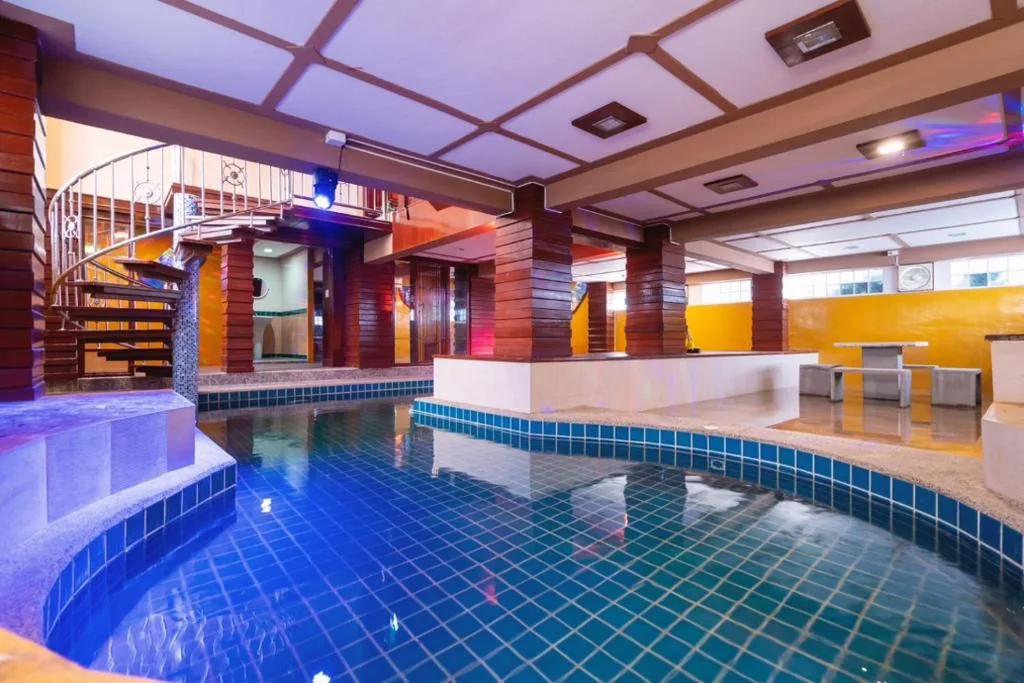
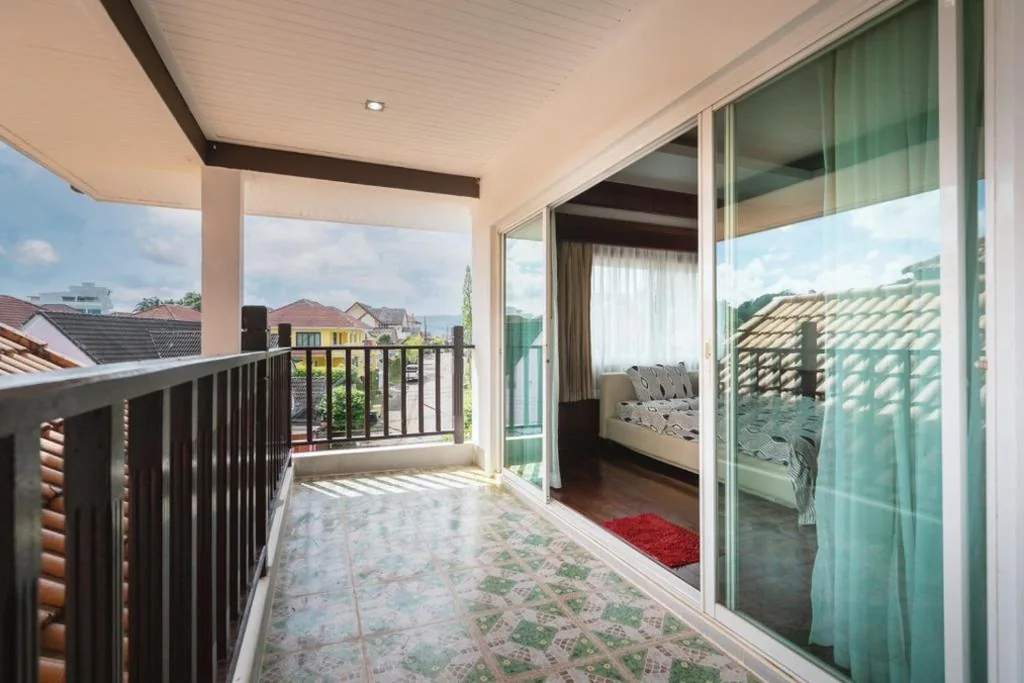
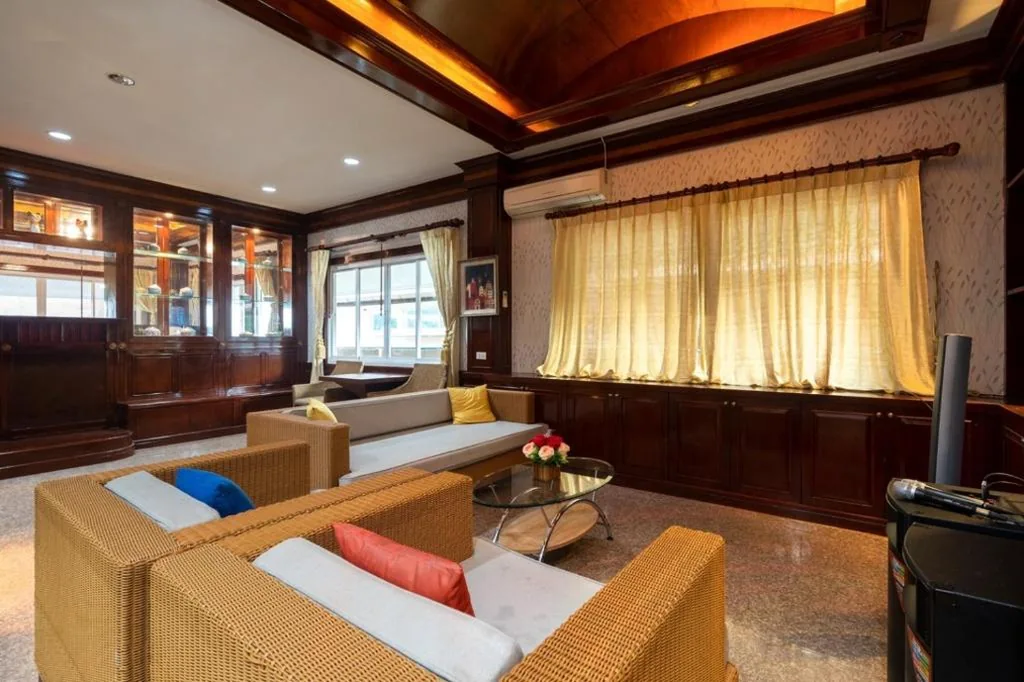
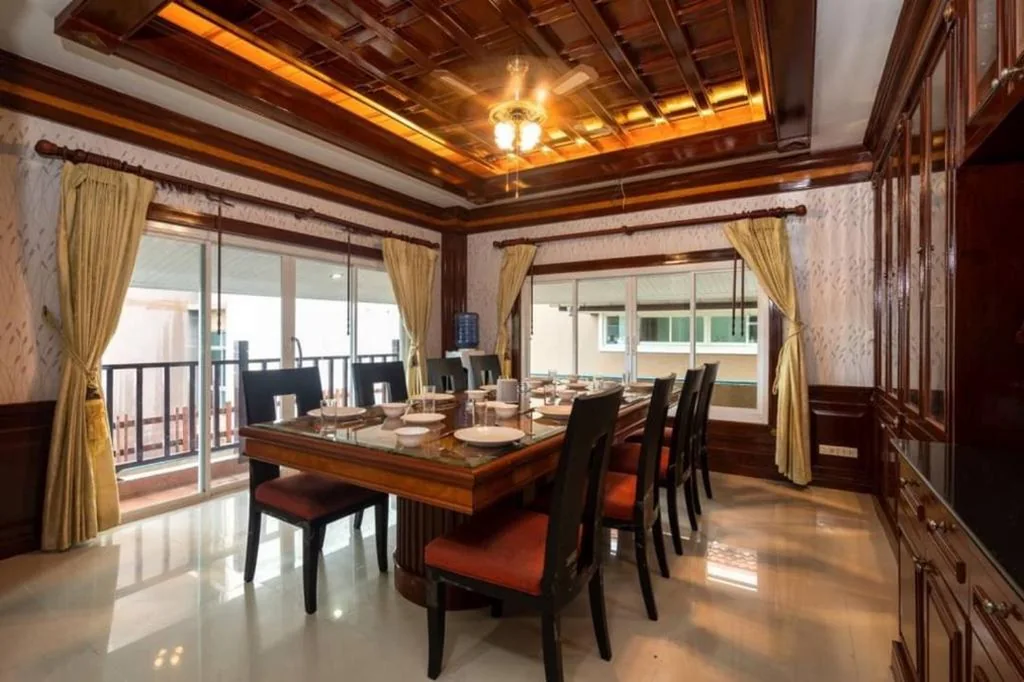
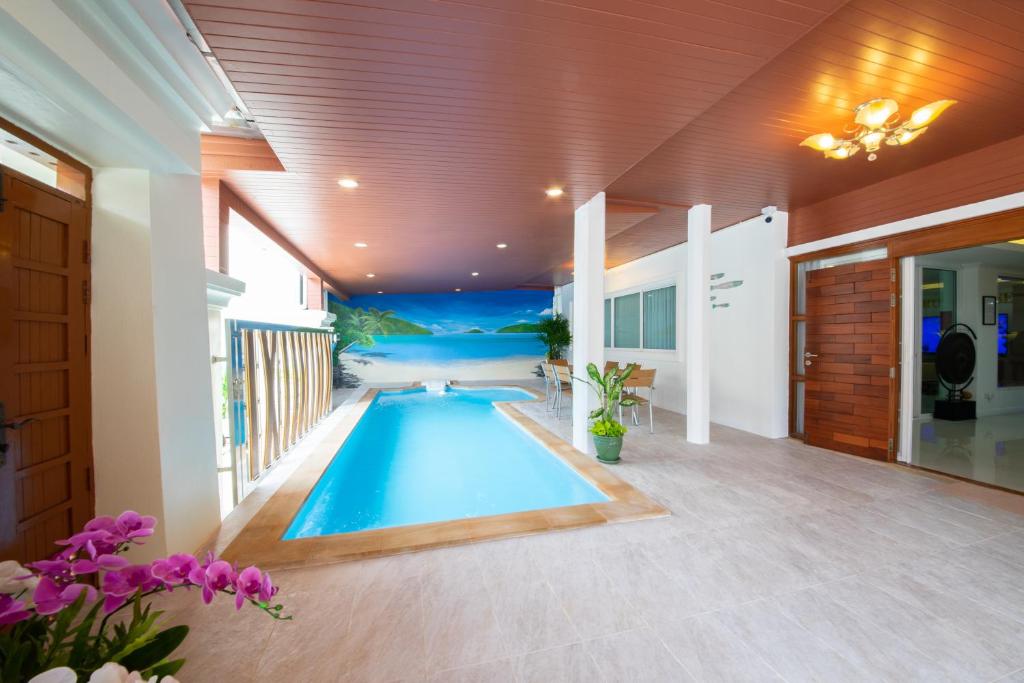
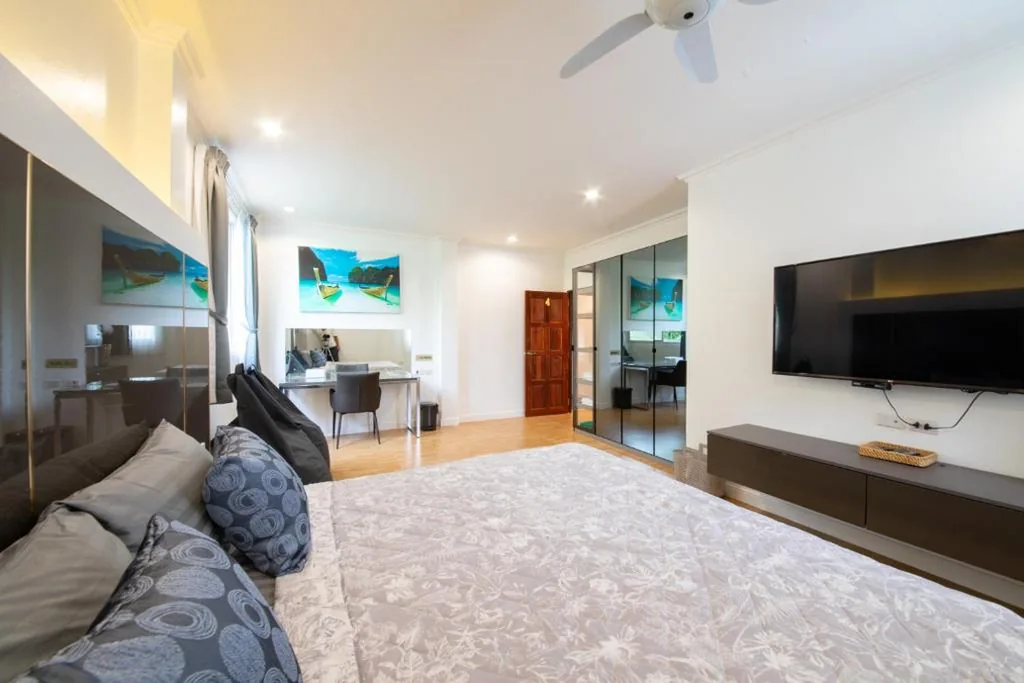
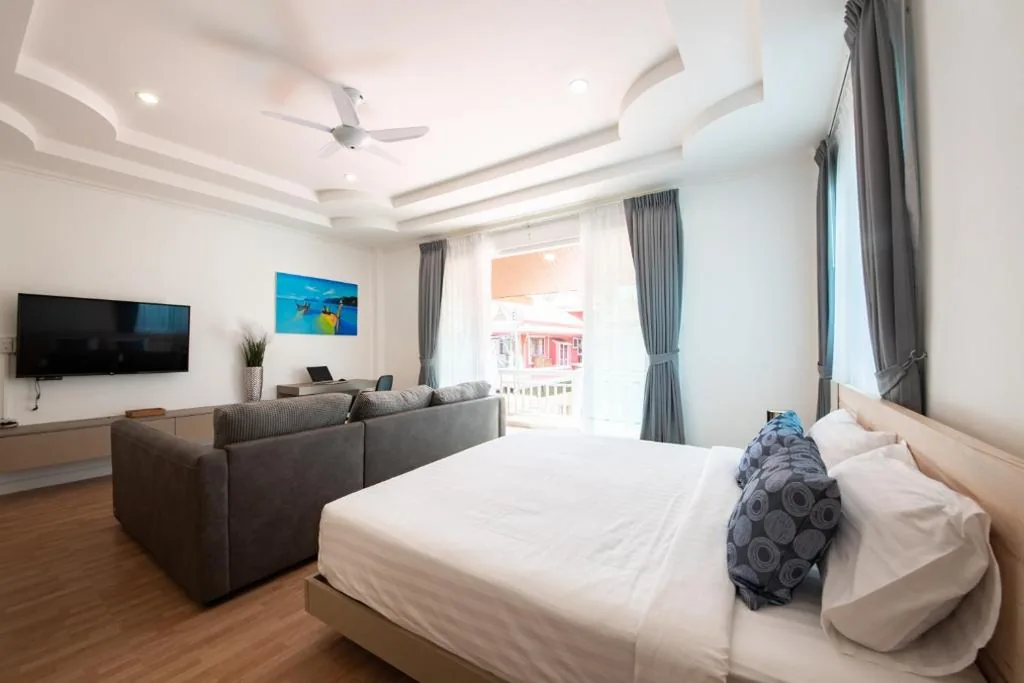
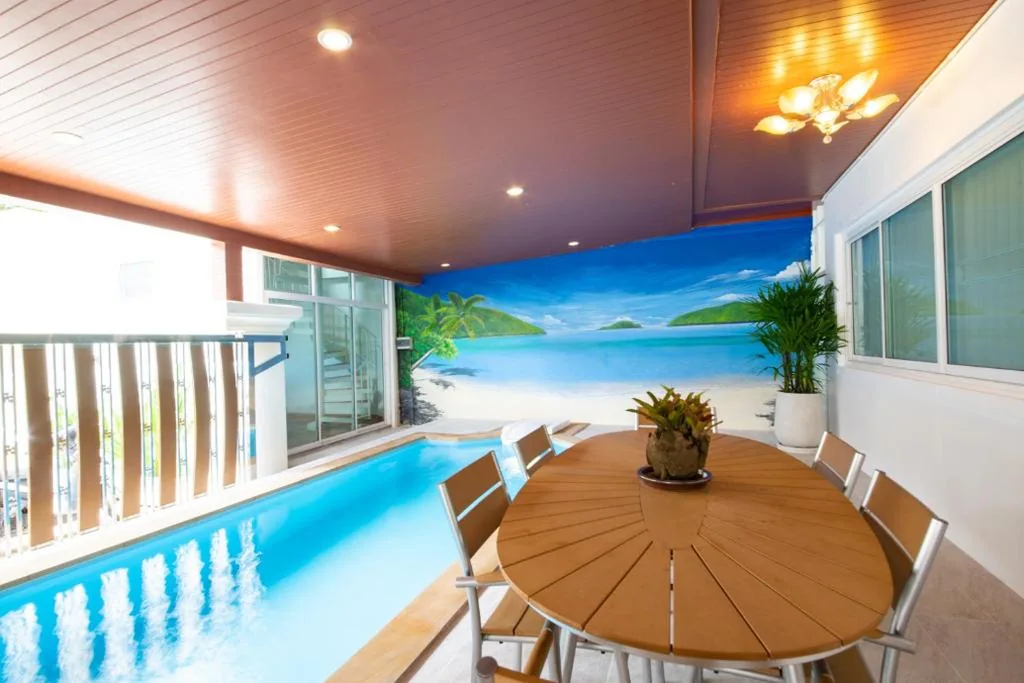
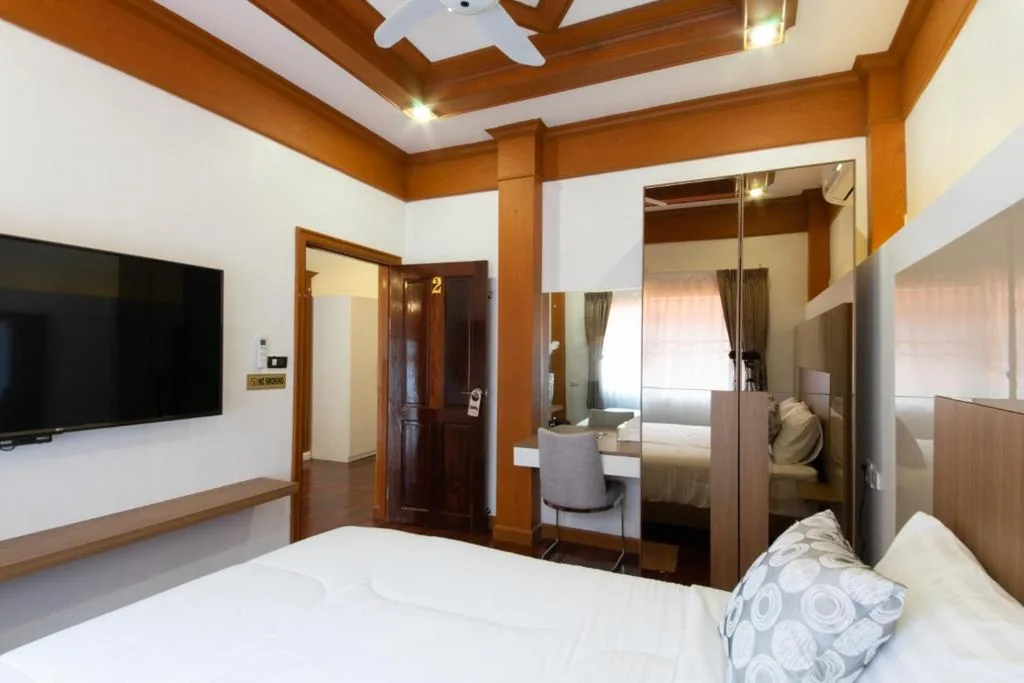
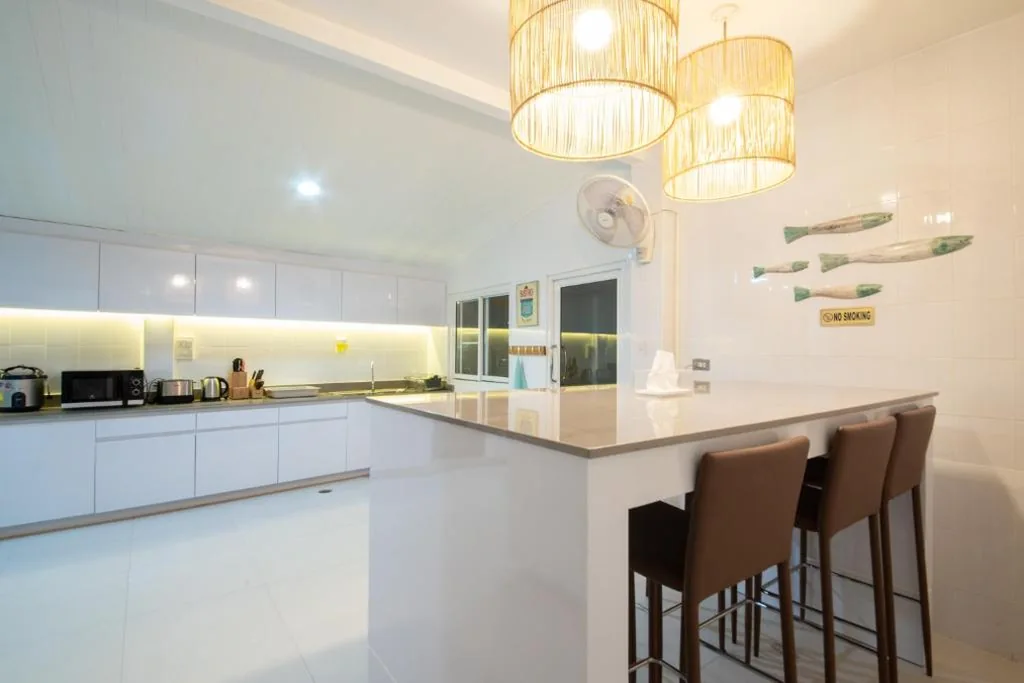
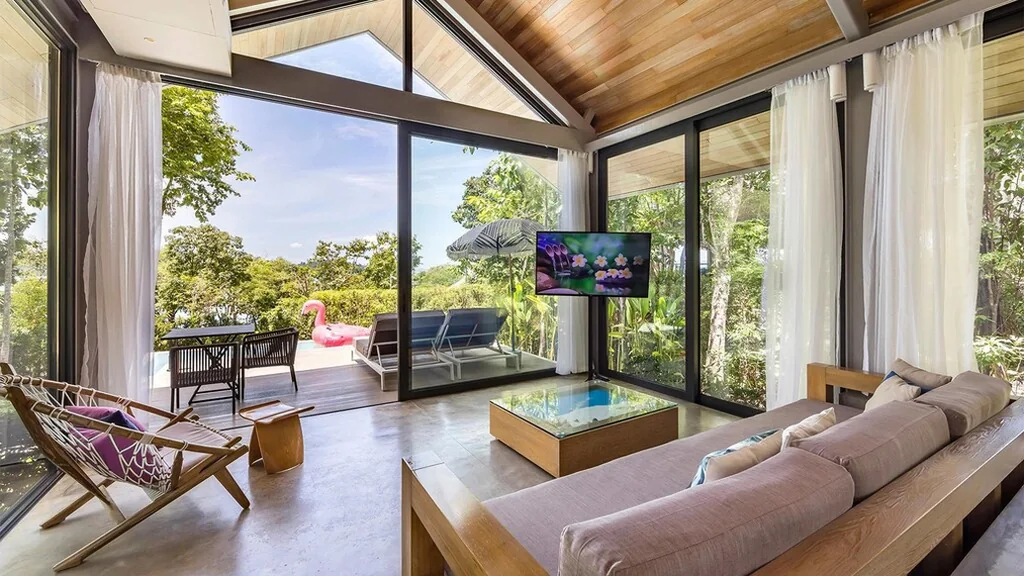
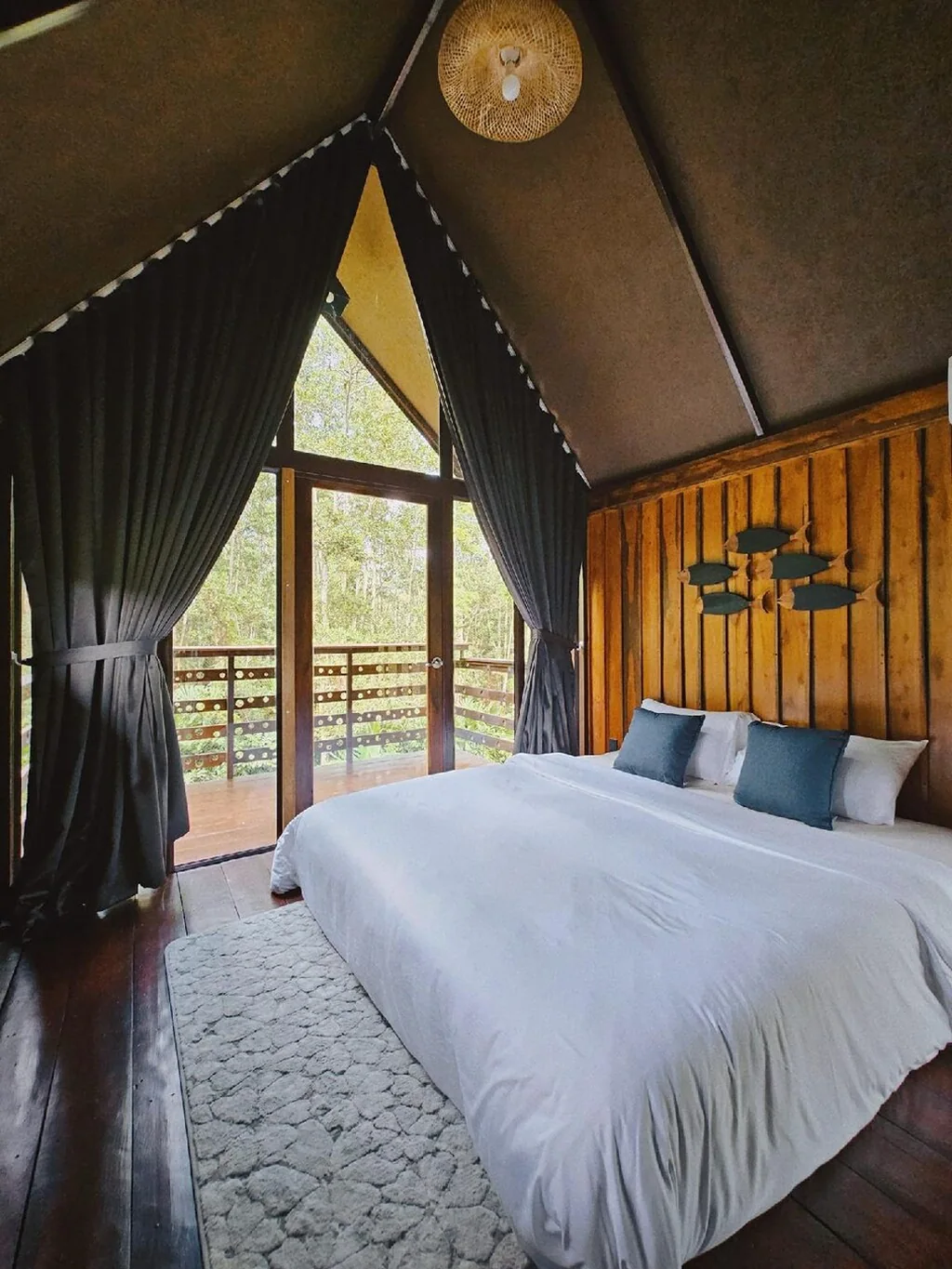
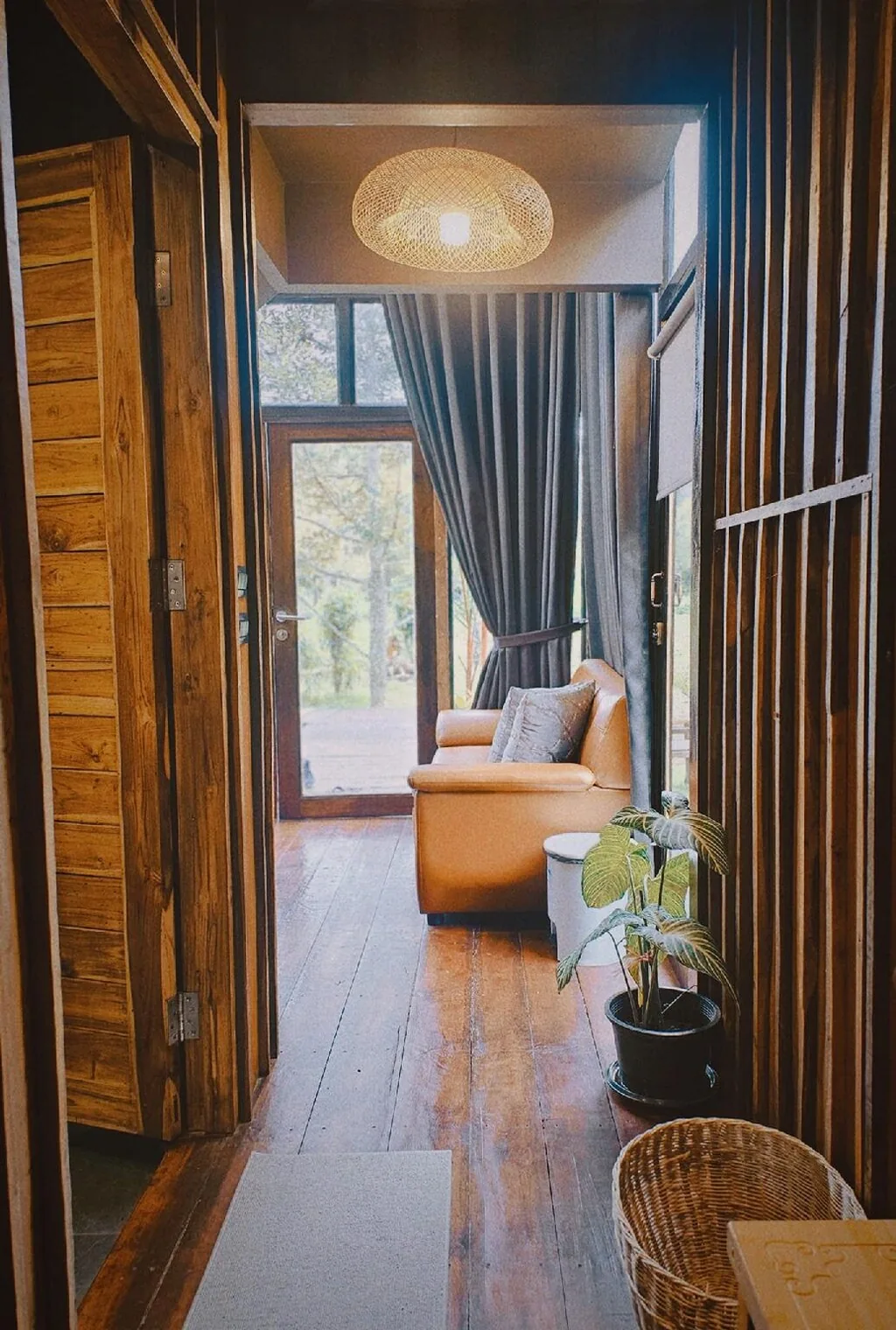
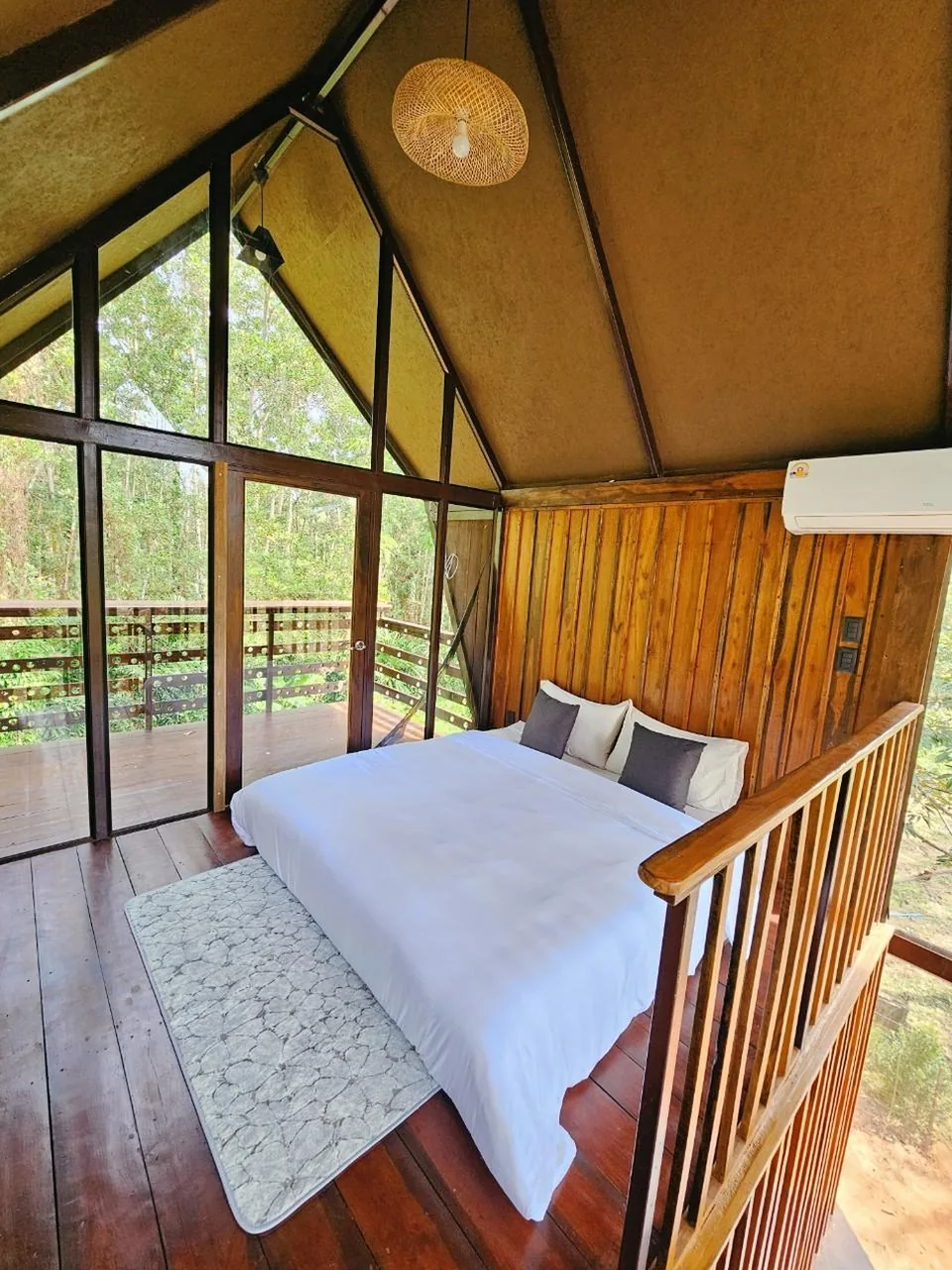
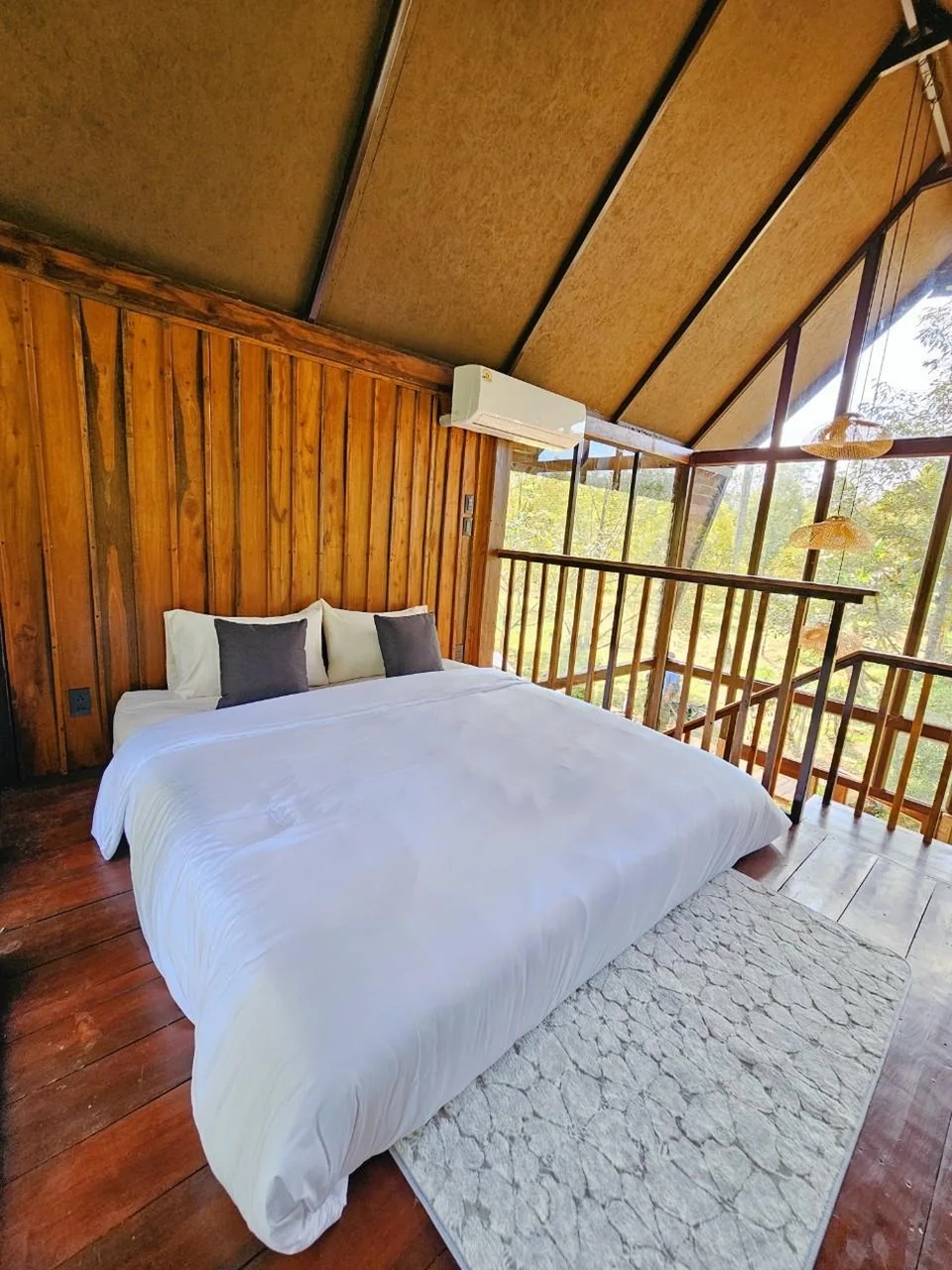
A 4-star holiday home in the Phuket Airport area with a hot tub, a garden view, a balcony or terrace and free parking.
1 roomfrom US$179 Show prices
Southern Thailand is two coastlines on either side of a narrow peninsula, and the side you choose shapes the whole trip. To the west, the Andaman Sea brings Phuket, the limestone towers of Krabi and Phang Nga Bay, the dive sites off Khao Lak and a string of quieter islands running south to Koh Lanta, the Trang islands and Koh Lipe. To the east, the Gulf of Thailand has Koh Samui, Koh Phangan and Koh Tao, each with a very different mood. Between them, the rainforest and lake of Khao Sok make a cool, green break from the beaches. The two coasts take their rain at different times of year, so there is almost always a good side to be on. Small places to stay here range from family-run guesthouses and homestays to pool villas and boutique hotels in restored shophouses.
A 4-star holiday home in the Phuket Airport area with a hot tub, a garden view, a balcony or terrace and free parking.
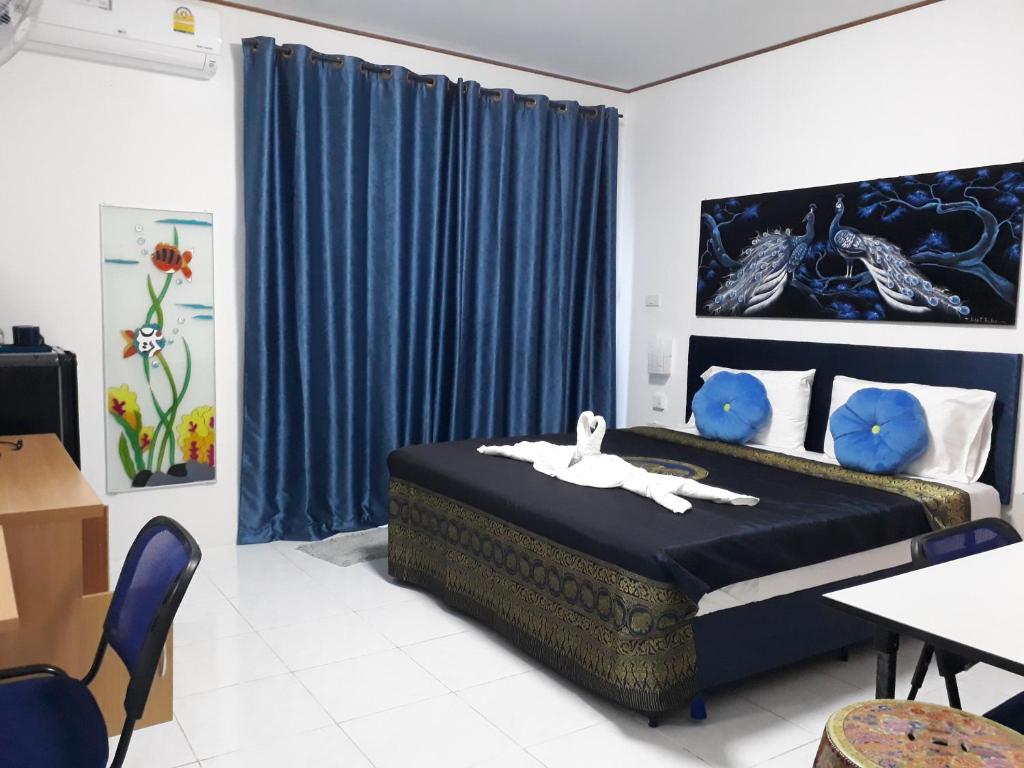
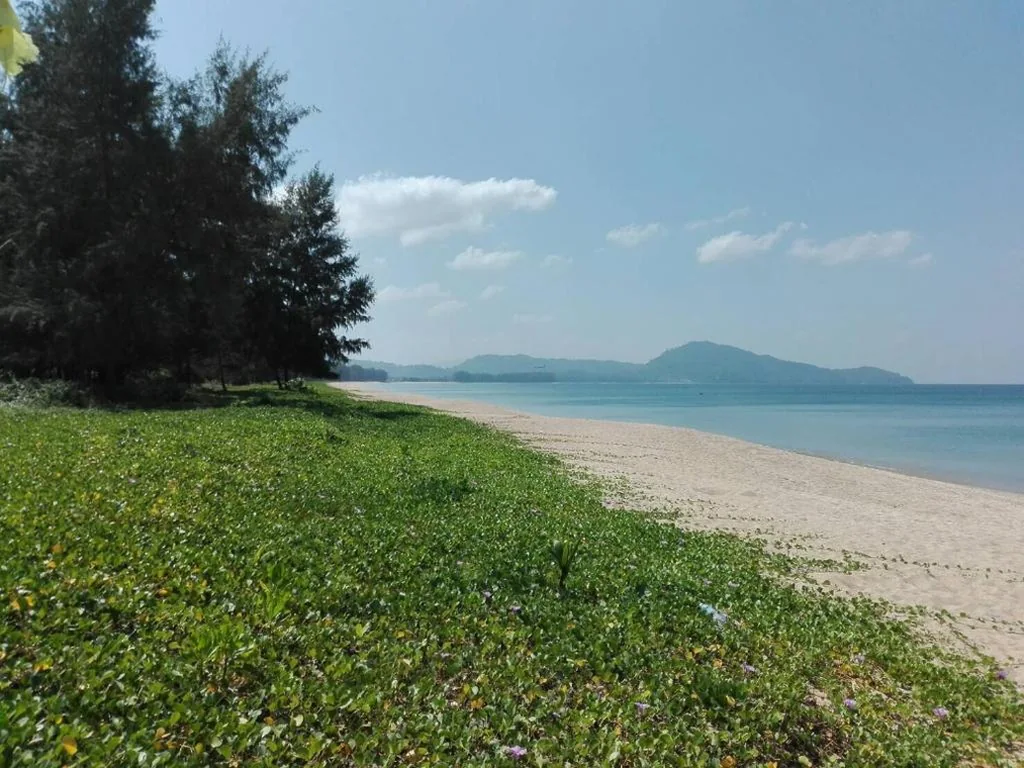
A 3-star bungalow in Mai Khao, Phuket, with a full kitchen, air conditioning, a private entrance and free parking, 2.5 km from the airport.
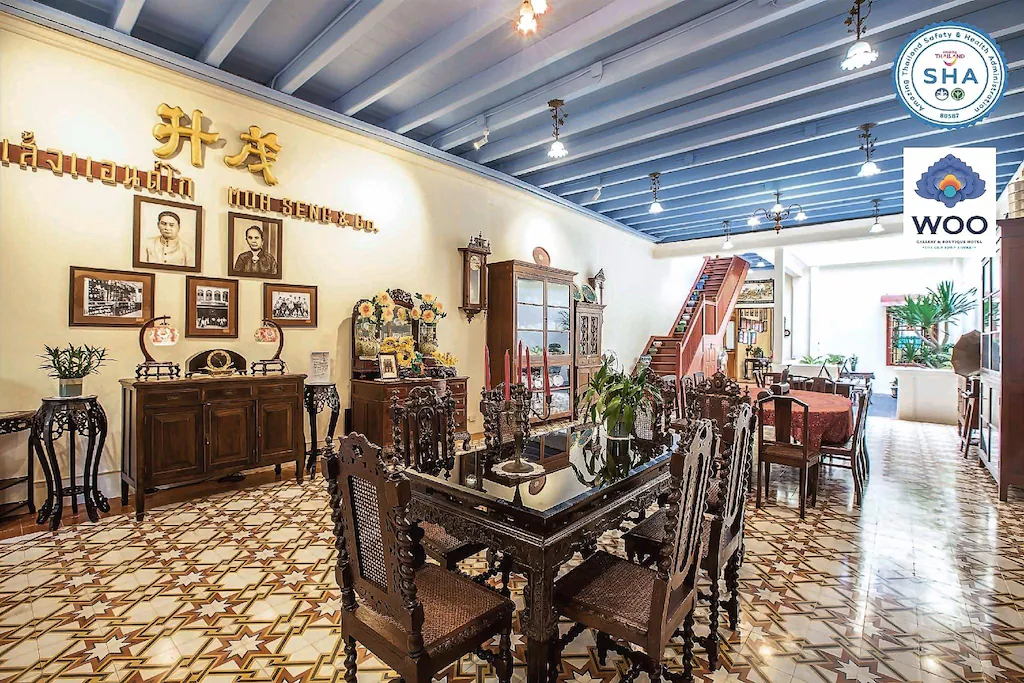
A 4-star guesthouse on Soi Soon Utis in Phuket Town, with a garden, free Wi-Fi in all rooms and Phuket Old Town 350 m away.
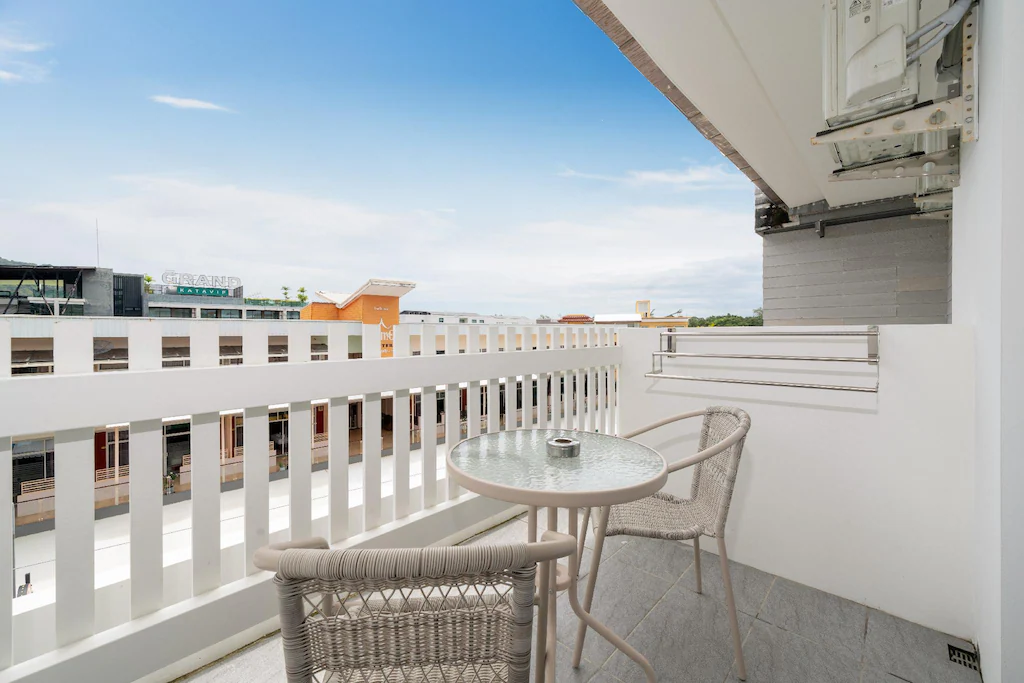
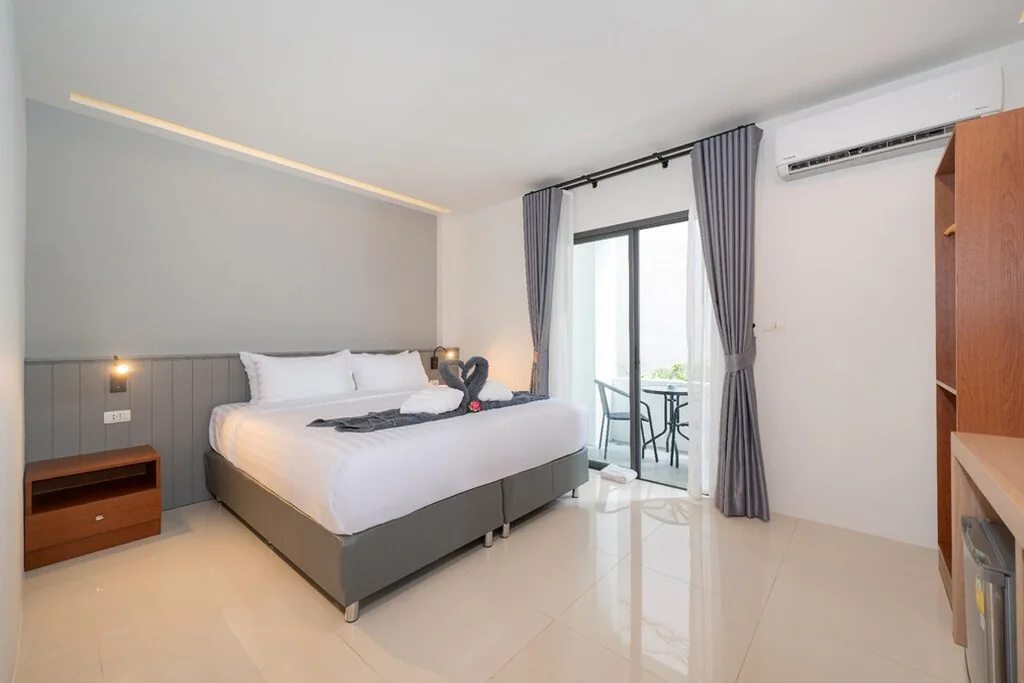
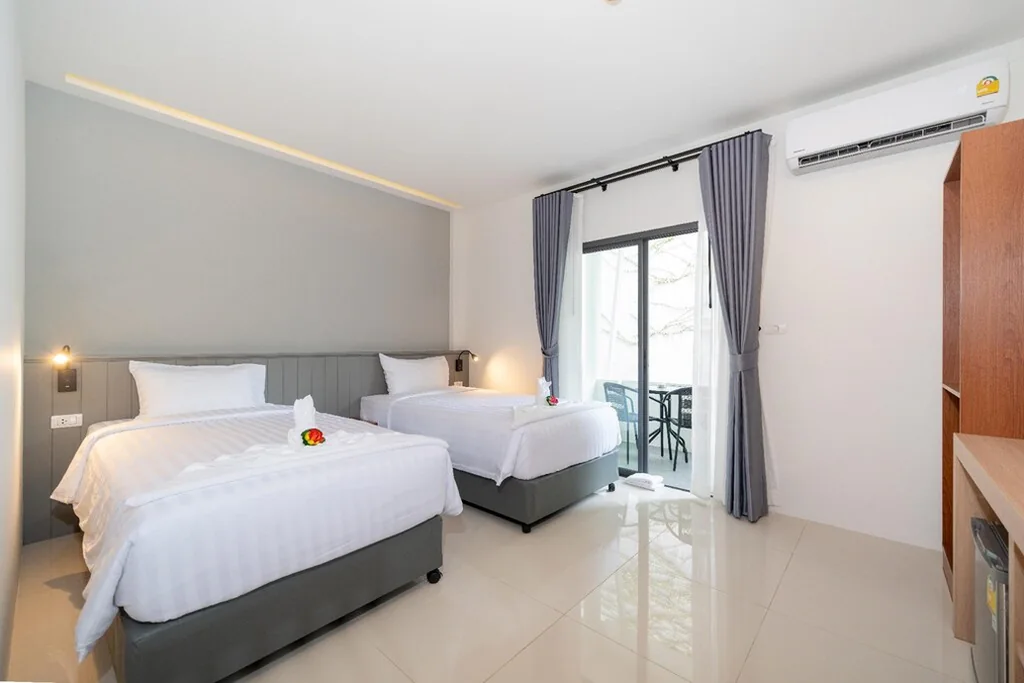
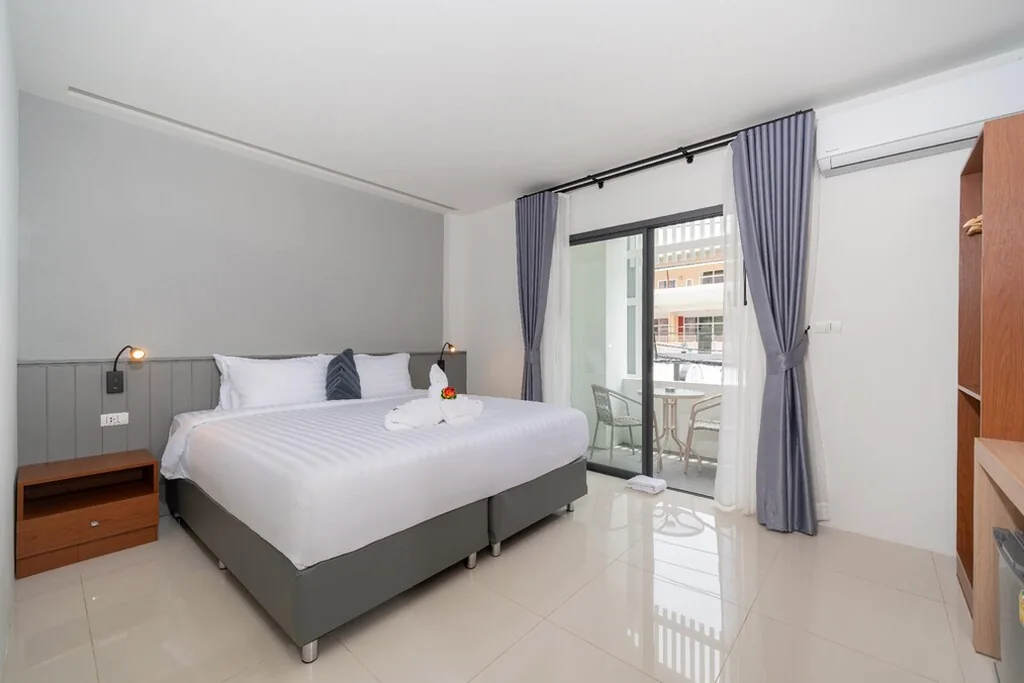
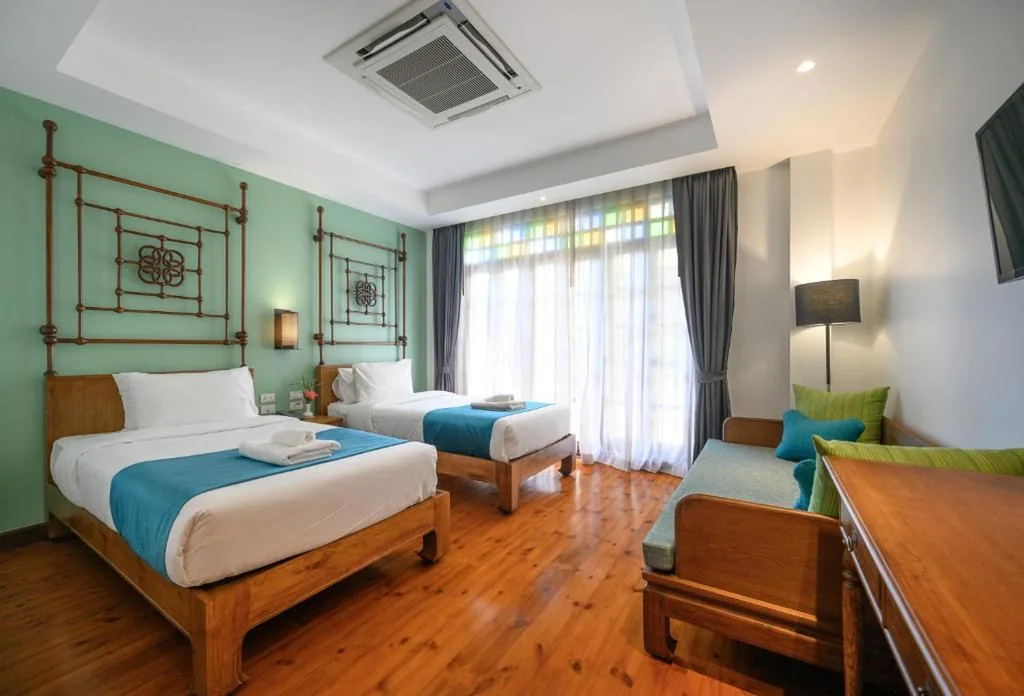
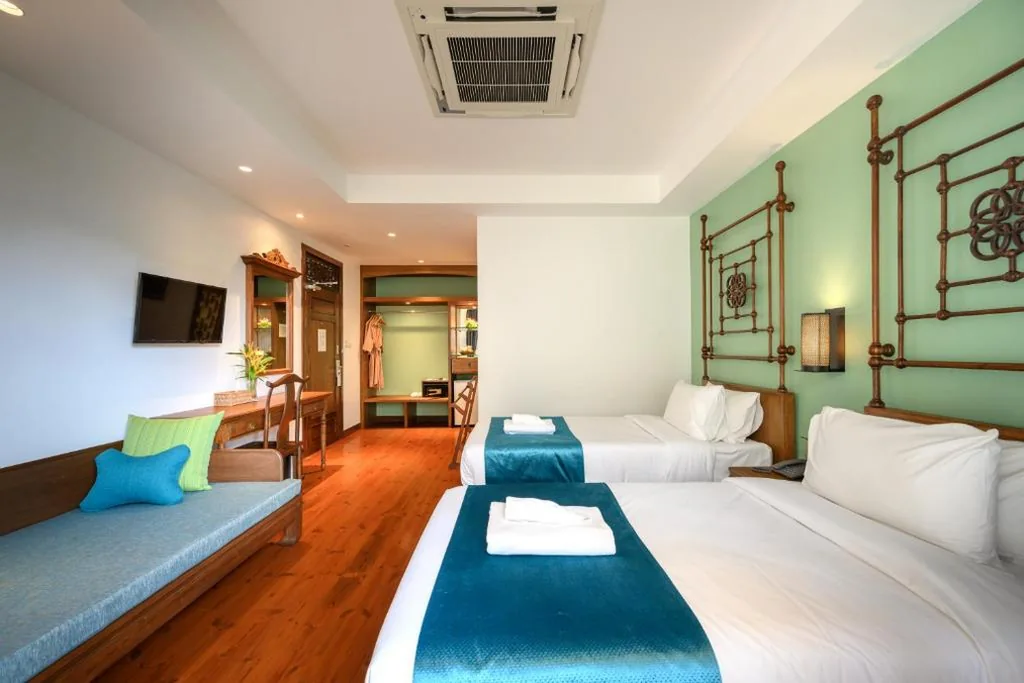
A 3-star hotel on Kata Road in Phuket with 28 m² double and twin rooms, free Wi-Fi, free parking nearby and Kata Beach 350 m away.
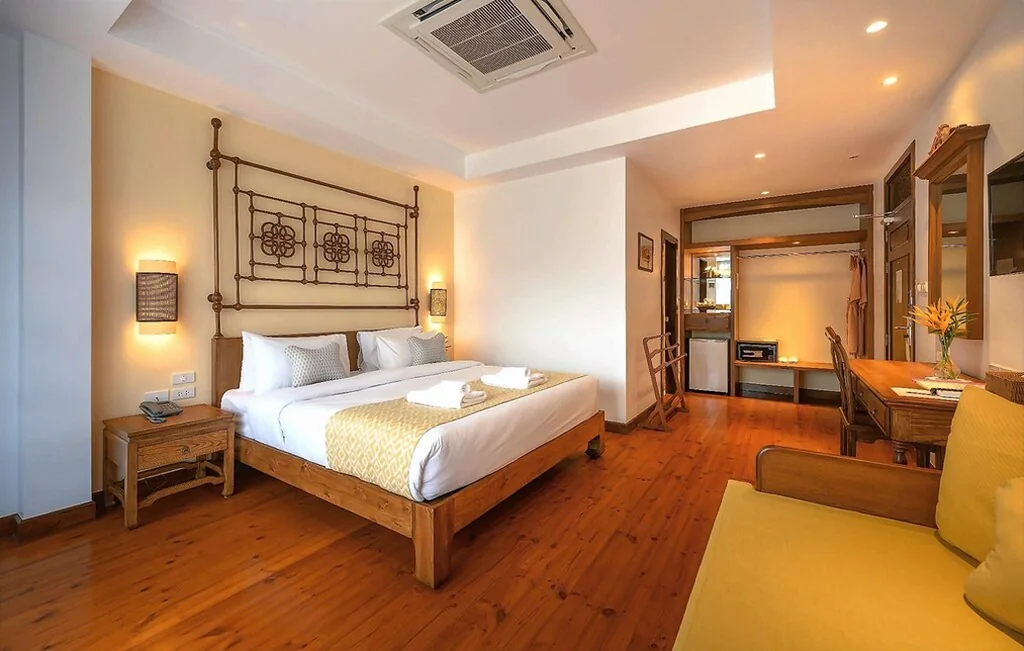
A 3-star resort in Bang Thao, Phuket, with an outdoor and an indoor pool, king-bed rooms with mountain or pool views and free parking on site.
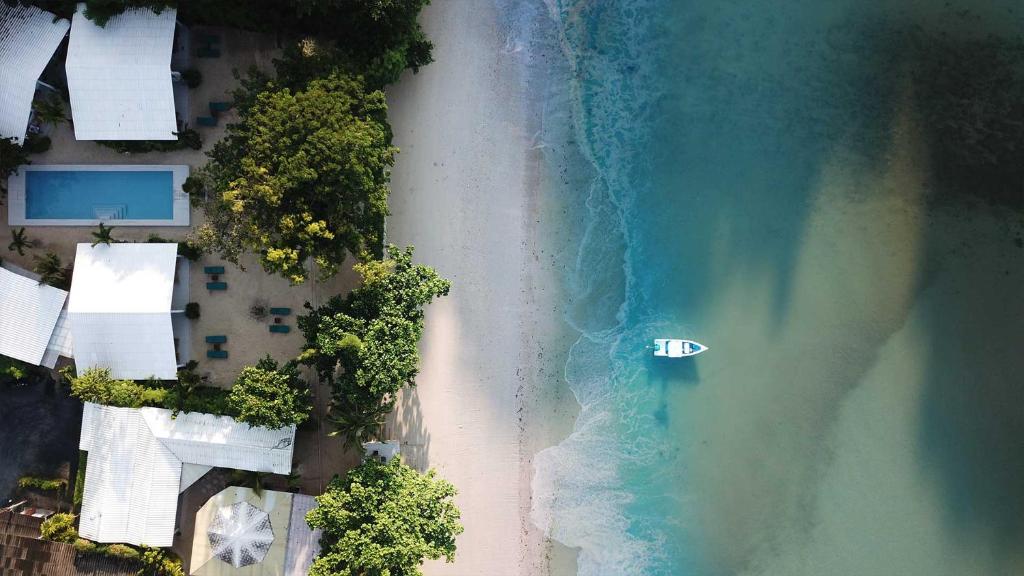
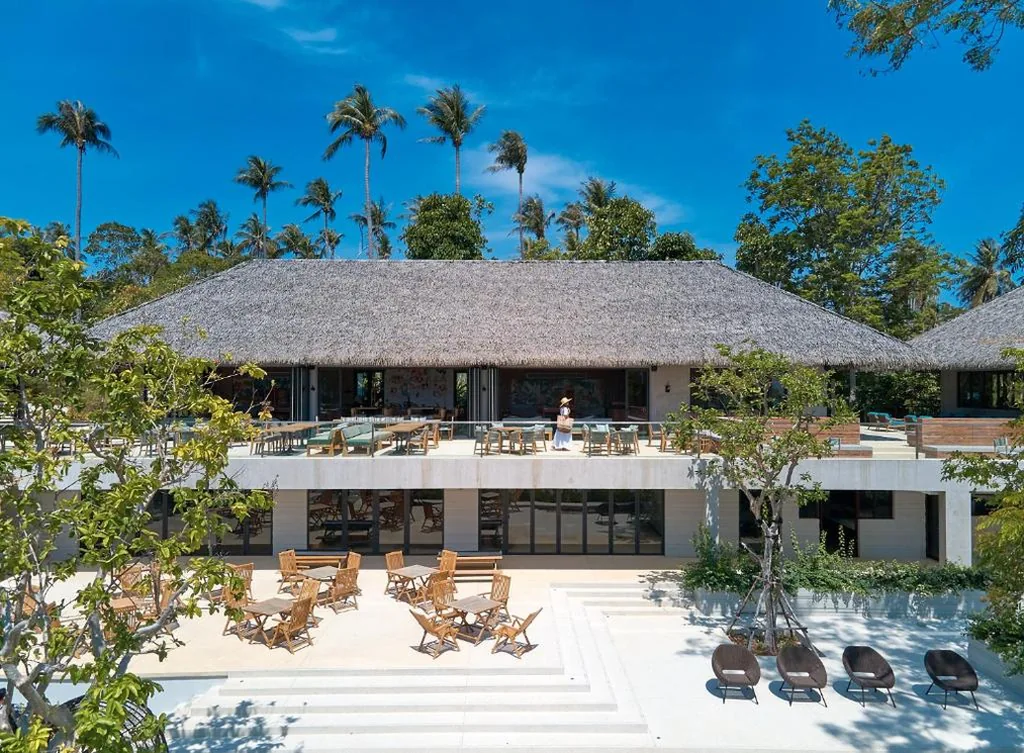
A 3-star resort on Panwa Cape in Phuket, with private-pool villas, a swimming pool, a private beach and Ao Yon Beach 550 m away.
A 3-star homestay on Koktanod Road in Kata, Phuket, with a restaurant and bar, 30 m² rooms, free parking and Kata Beach 650 m away.
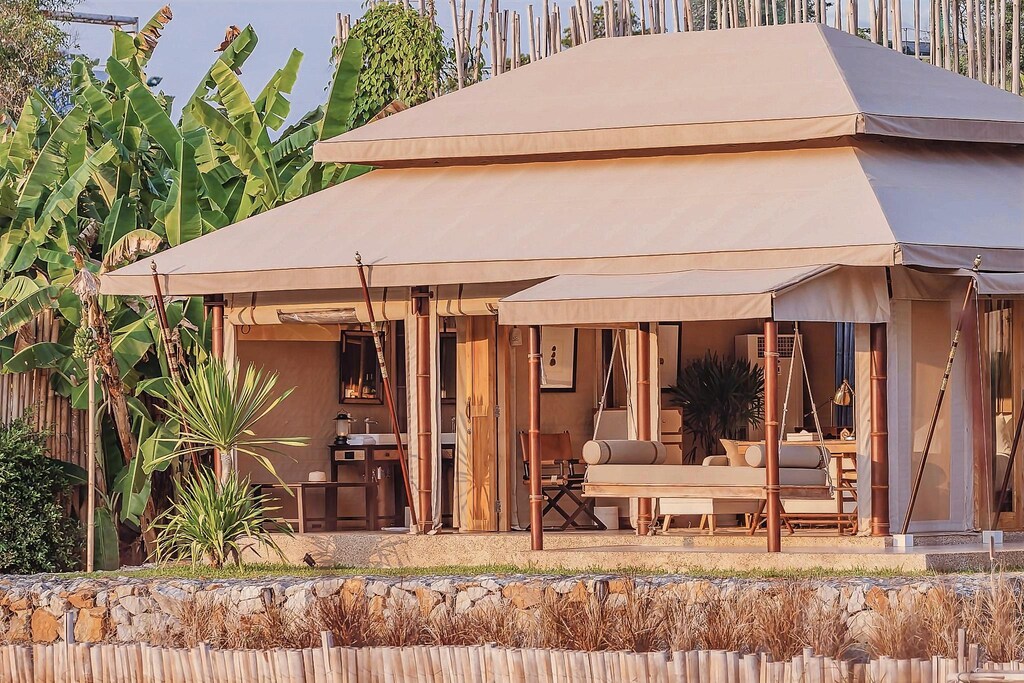
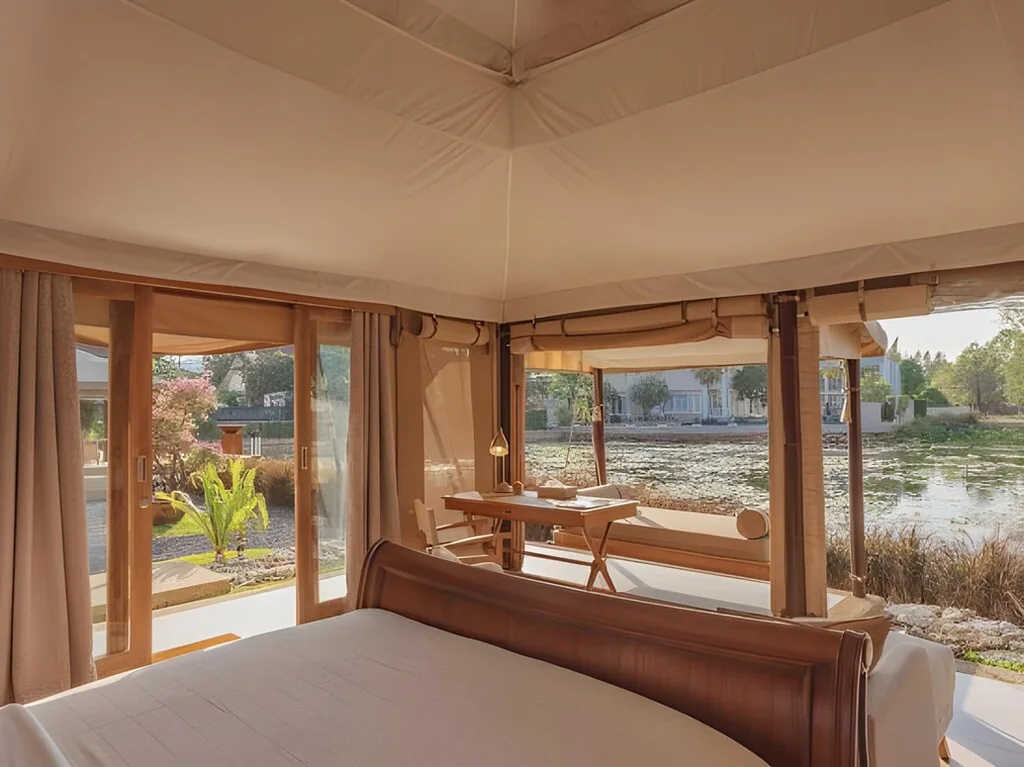
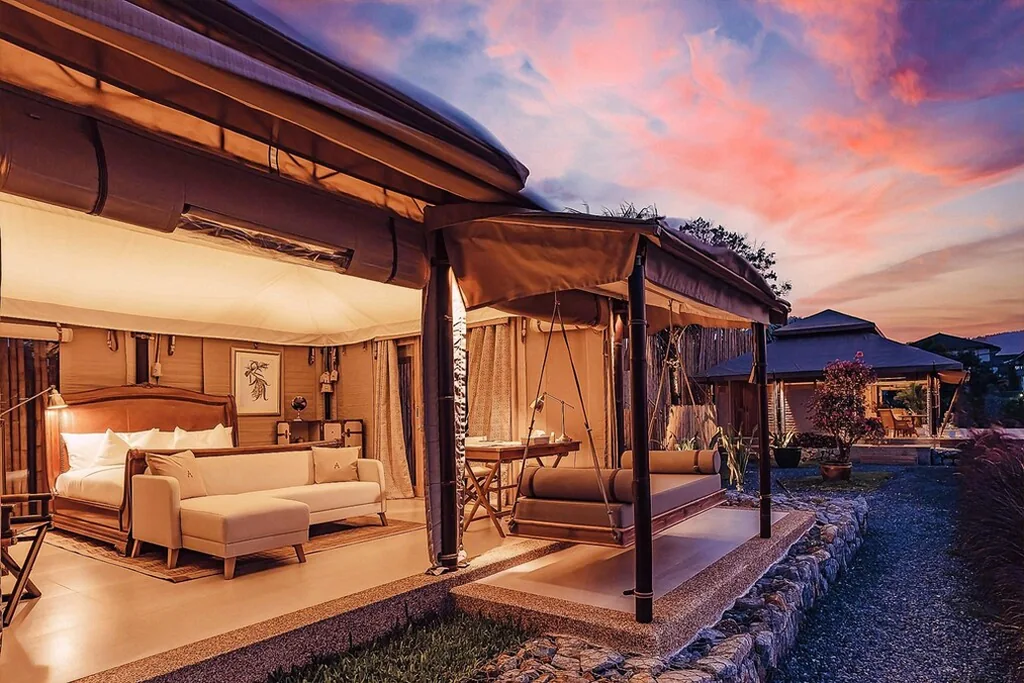
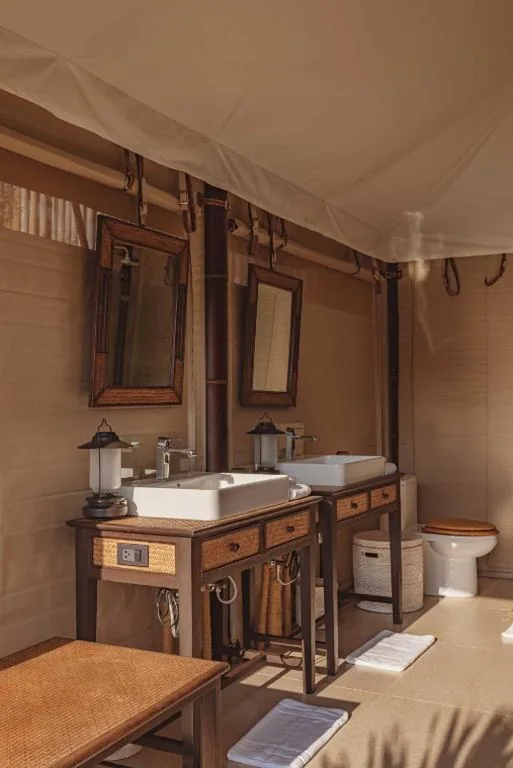
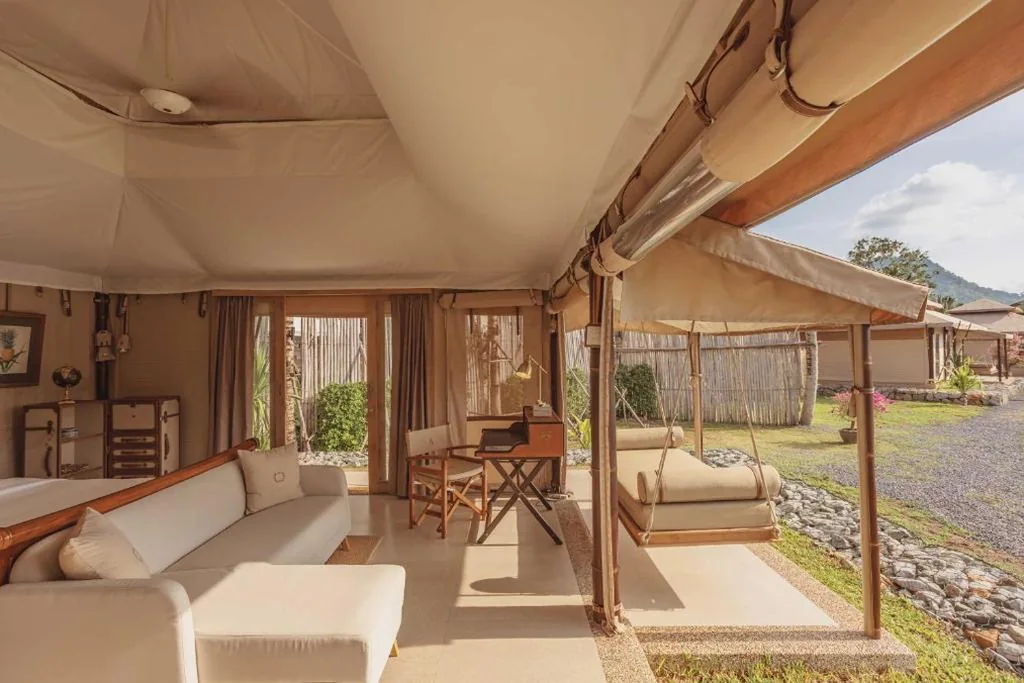
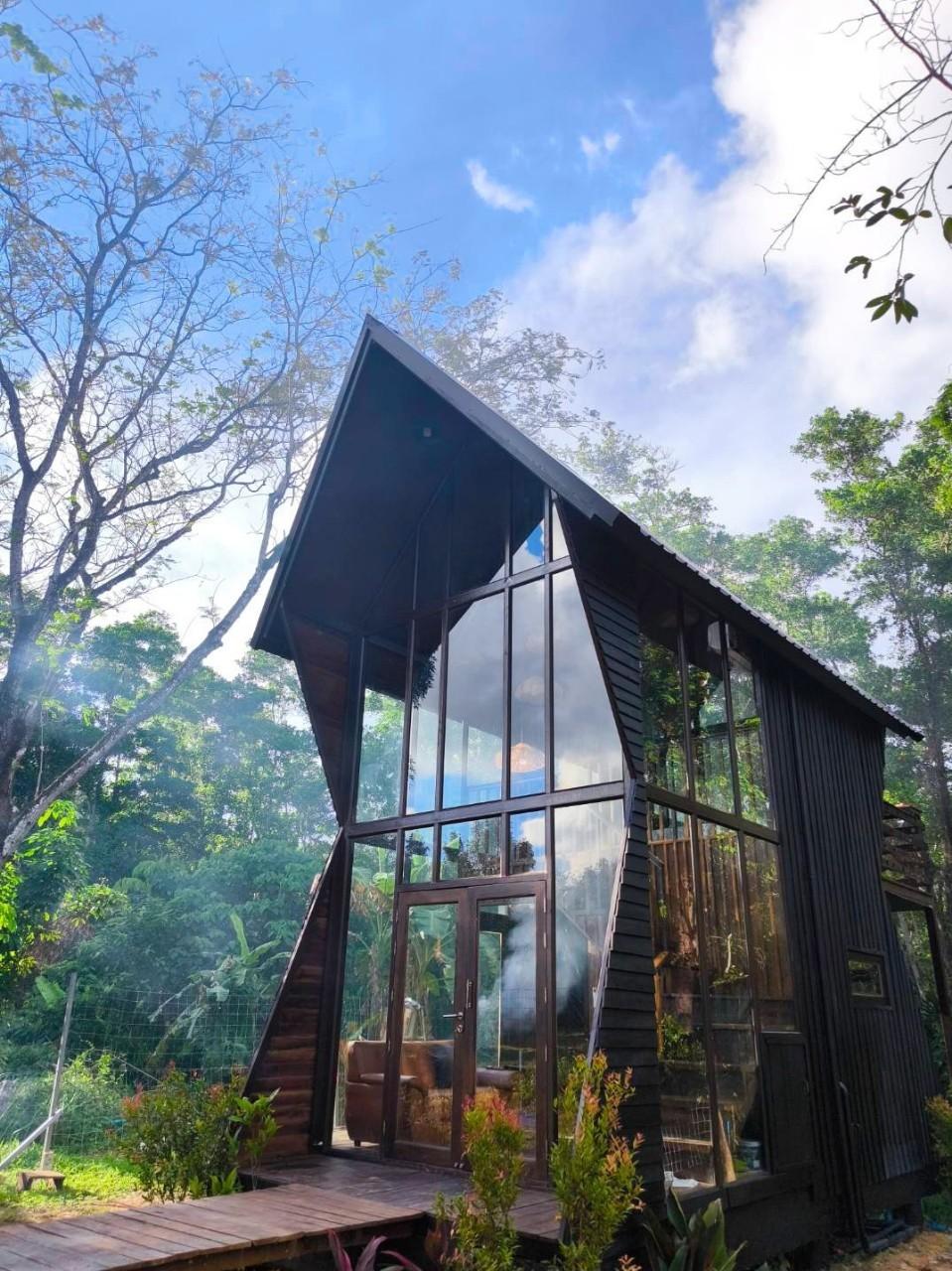
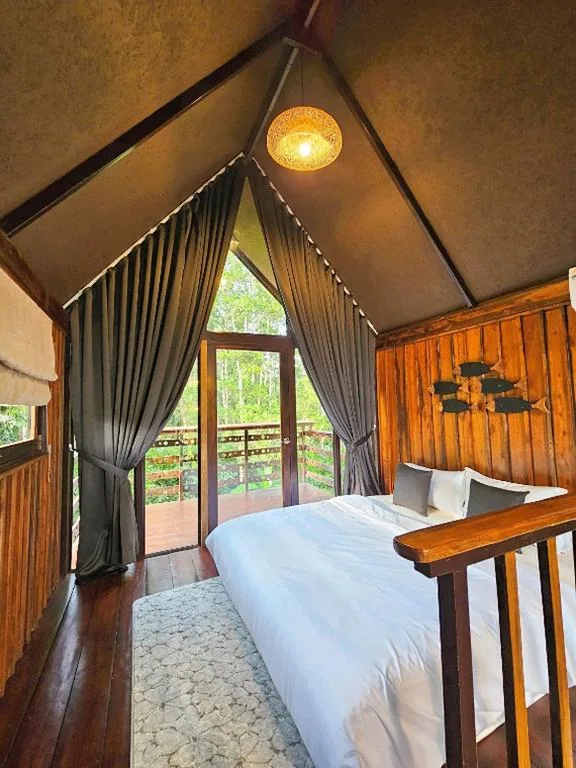
A 4-star glamping bungalow in Kokaew, Phuket, with a spa and sauna, a garden, a tennis court, mini golf and free parking, for adult guests only.
A 3-star adults-only guesthouse in the Naiyang Beach area of Phuket, with 30 m² air-conditioned rooms, a shared kitchen and free Wi-Fi.
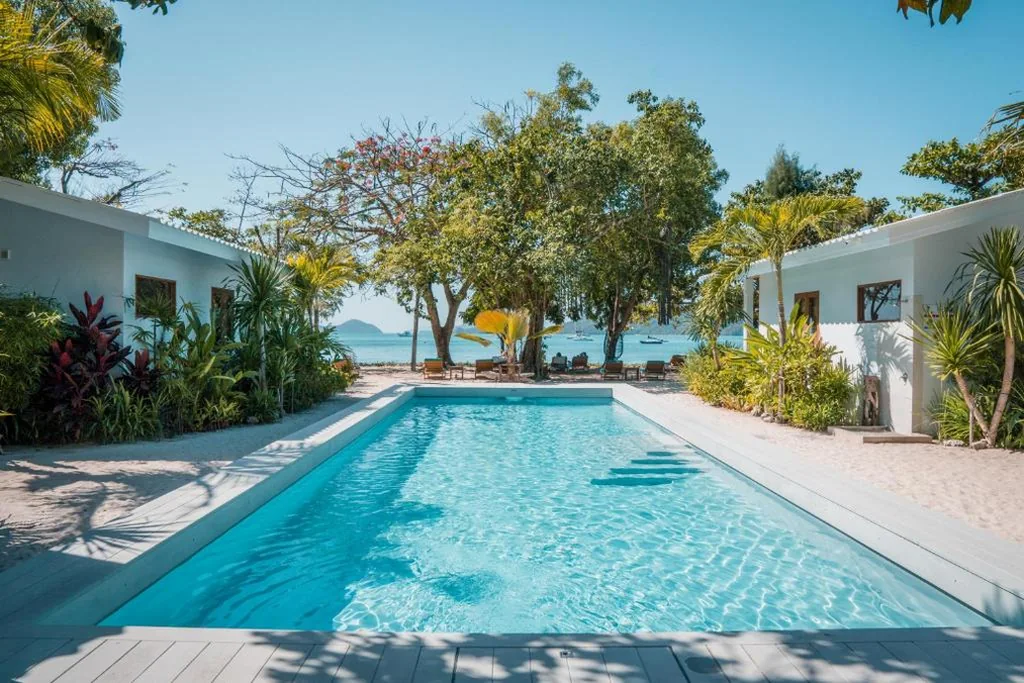
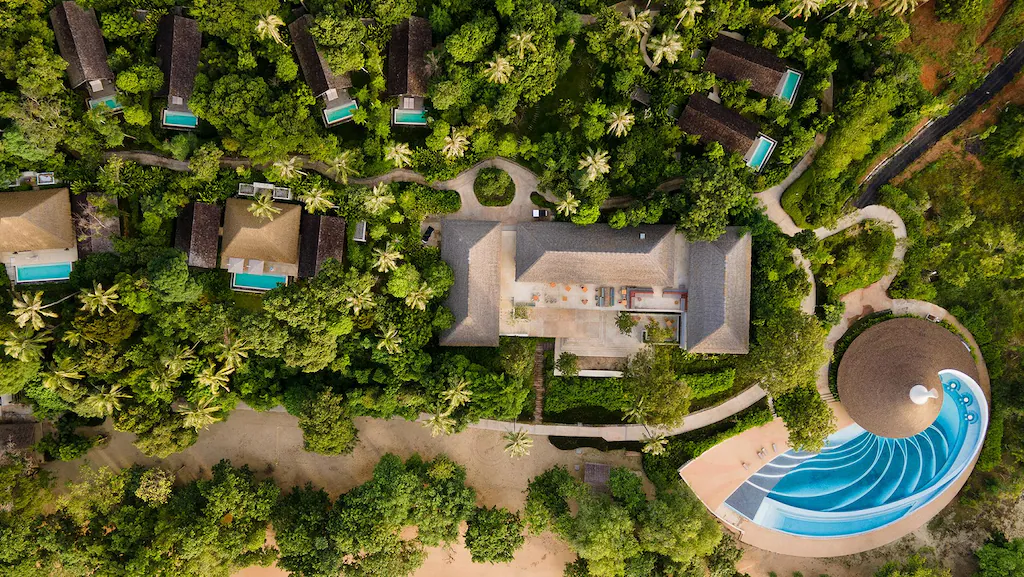
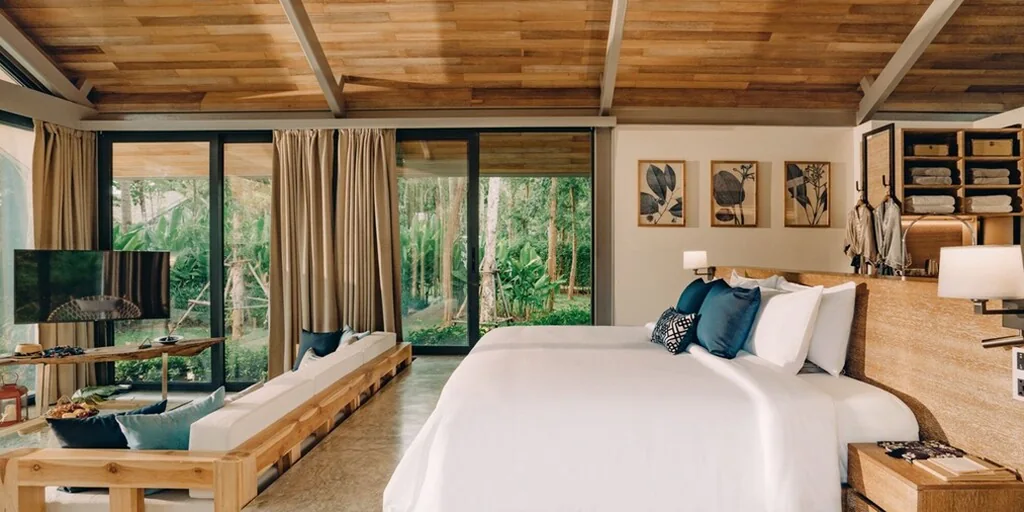
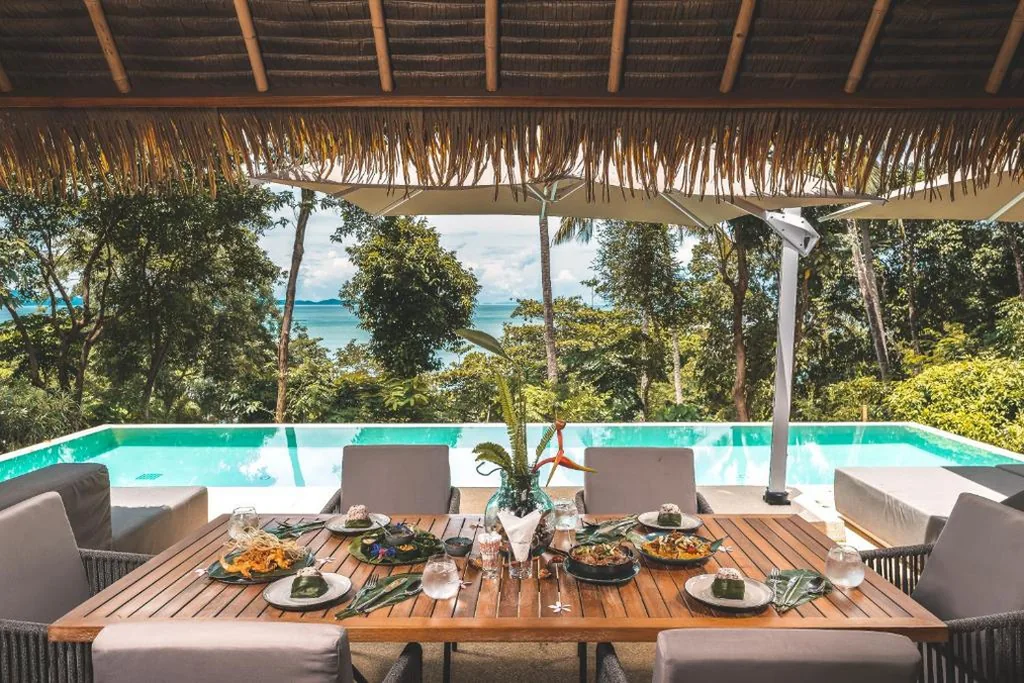
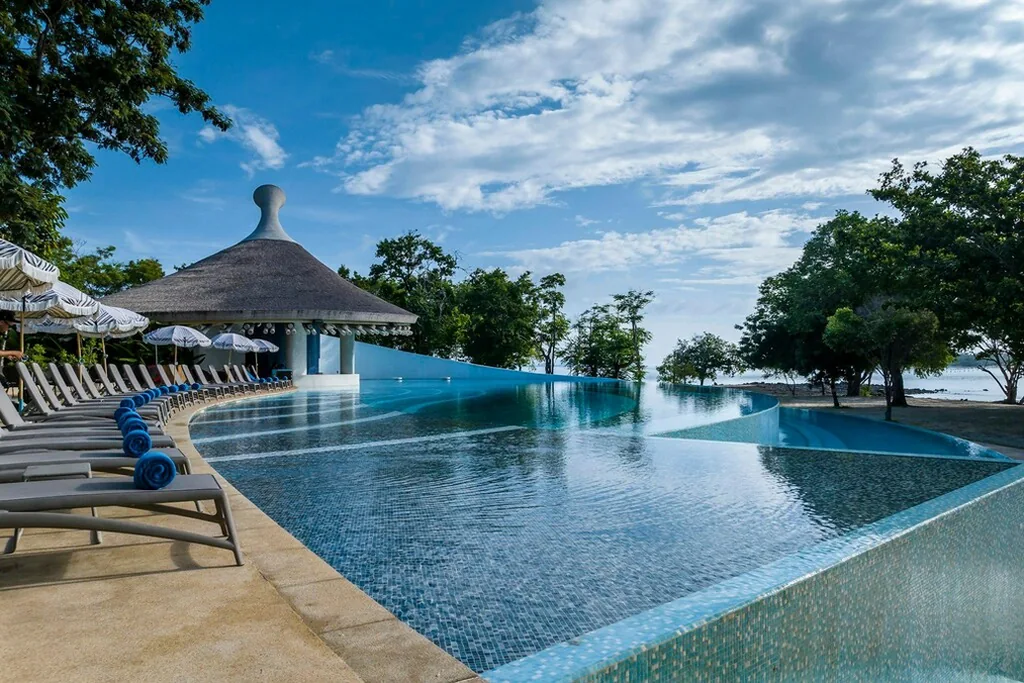
Barringtonia pool villa is a 4-star villa in the Naiyang Beach area of Phuket, with an outdoor swimming pool, pool-view villas and free parking.
A 3-star guesthouse in Kathu, Phuket, with air-conditioned king-bed rooms, free Wi-Fi, a shared kitchen and a terrace, 4.3 km from Patong Beach.
A 3-star holiday home in Phuket Town with two bedrooms, a full kitchen and free parking, close to old-town markets, shrines and Thalang Road.
5-star villa in Kamala, Phuket, with two- and three-bedroom villas, a swimming pool, a fitness centre, complimentary breakfast and free airport transfer.
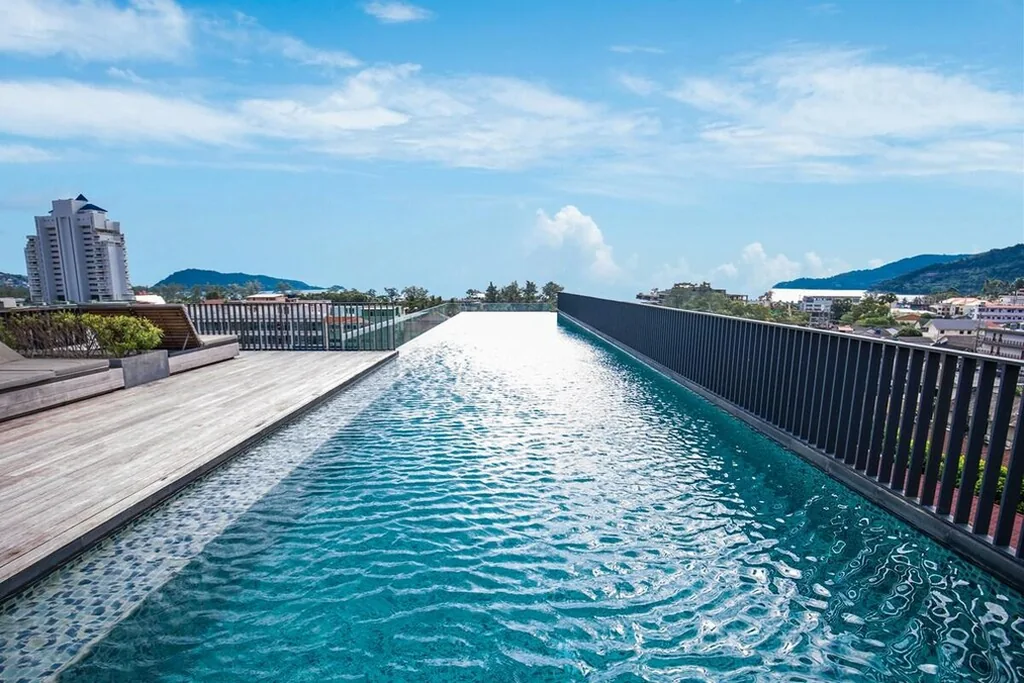
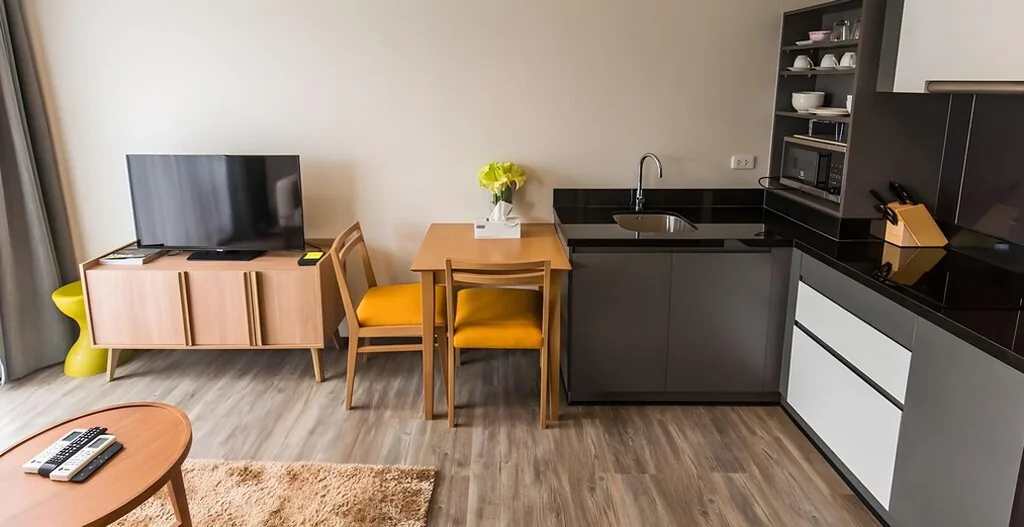
A 4-star holiday home in Patong with a one-bedroom layout of 45 m², a full kitchen, infinity pools, a gym and free parking, 550 m from the beach.
A 4-star hotel in Phuket Town with an outdoor swimming pool, a bar, restaurants and free Wi-Fi, a short walk from Thalang Road and the old town.
A 2-star hotel in the Old Town of Phuket, with a bar, a garden, an Asian breakfast and a 24-hour front desk, close to museums and markets.
A 2-star guesthouse in Chalong, Phuket, with chalets and double rooms, an outdoor pool, a garden and free parking, with Muay Thai gyms close by.
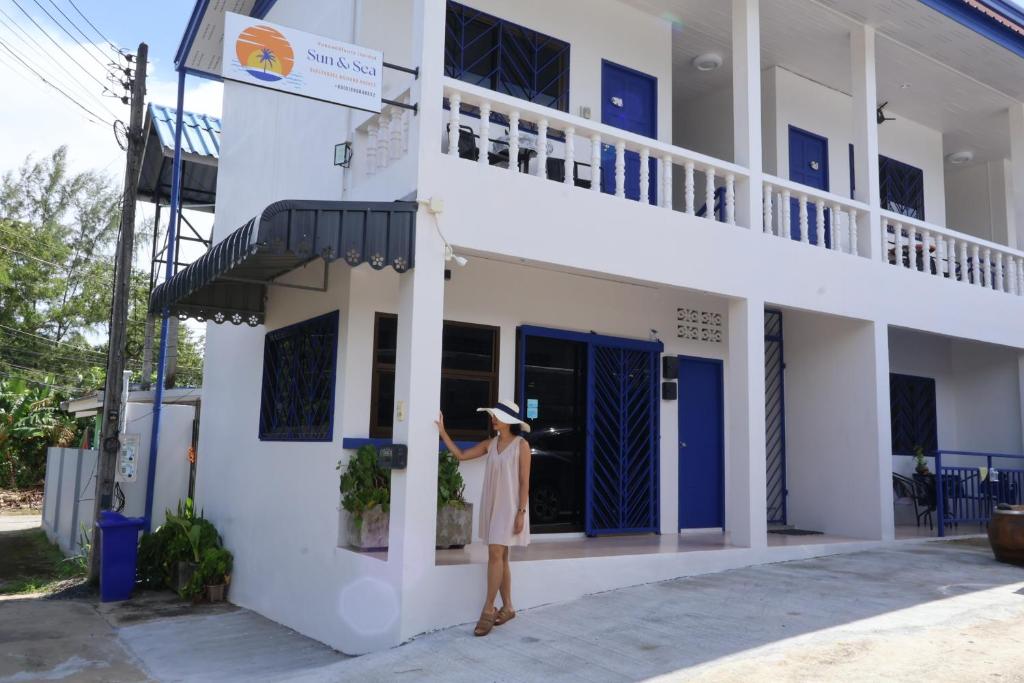
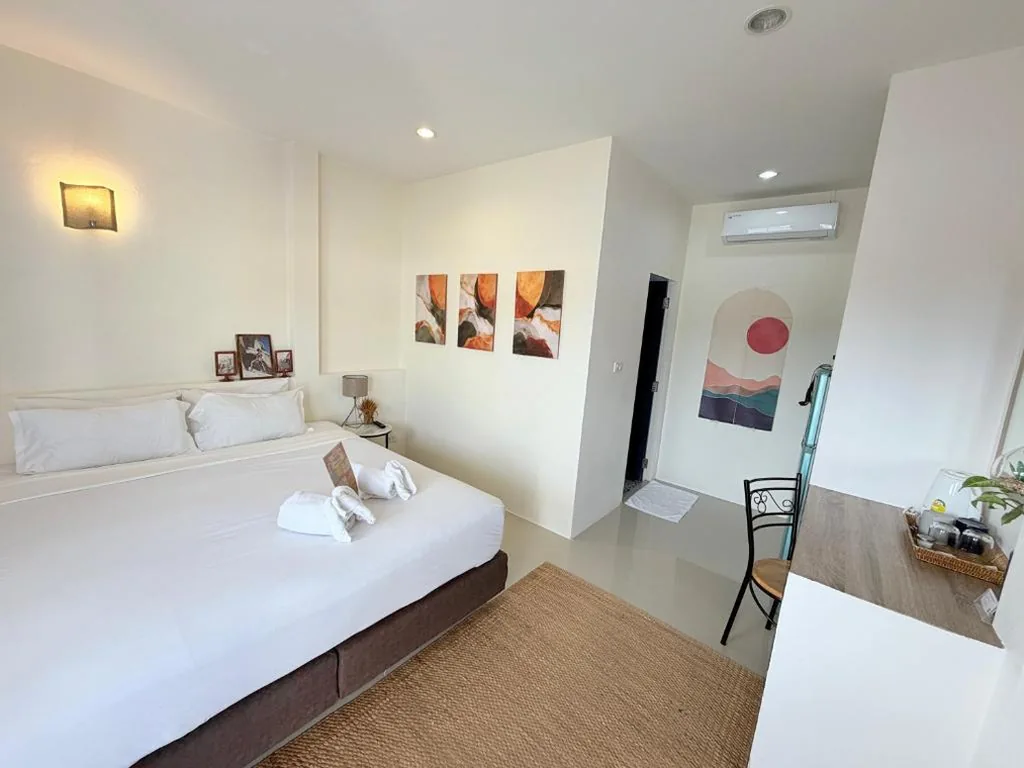
Maikhao Beach Guest House is a 3-star guesthouse in Mai Khao, Phuket, with a garden, a shared kitchen, free parking on site and the beach 100 m away.
A 4-star resort on Panwa Cape in Phuket, with bungalows and a villa, an outdoor swimming pool, a private beach and Ao Yon Beach 350 m away.
A bungalow in Phuket's Ao Por area, with a 36 m² river-view bungalow, kitchen facilities, a garden and free parking.
A 4-star resort in the Patong area of Phuket, with an outdoor pool, a garden, a bar and restaurants, free parking and a beach 350 m away.
A 4-star pool villa in Phuket Town, with villas of two to six bedrooms, outdoor and indoor pools, free parking and pets welcome.
A 4-star villa in Patong, Phuket, let as a whole house of 380 m² with a mountain view, a kitchen and free parking, 1.1 km from Patong Beach.
Villa Escape Burasari is a 5-star resort in the Coconut Island area of Phuket, with a private beach, an outdoor swimming pool, a spa and villas of one to four bedrooms.
1–24 of 50 places
The Andaman coast is the classic picture of the south: steep green islands, sheer limestone and sunsets over the sea. Phuket is its hub, the largest island in Thailand, with an international airport, busy beach resorts, quieter bays and a real town with its own history and food. It suits a first visit, families and anyone who wants plenty of choice and easy boat trips without moving base.
Across Phang Nga Bay, Krabi is more about scenery than nightlife. Ao Nang is the main beach town, while Railay, a peninsula cut off from the road by cliffs, is reached only by long-tail boat and draws rock climbers from around the world. Phang Nga Bay itself, between Phuket and Krabi, is a national park of karst islands, sea caves and mangroves, visited by boat and kayak from either side.
North of Phuket, Khao Lak is a calmer stretch of long beaches and the usual base for boats to the Similan Islands. Further south, Koh Lanta is a quiet, unhurried island with long west-coast beaches and a wooden old town on stilts facing the mainland. The Trang islands, such as Koh Mook and Koh Kradan, are smaller and simpler, and Koh Lipe sits close to the Malaysian border, inside a marine national park.
On the Gulf side, Koh Samui is the easiest island to reach and the most developed, with its own airport, a ring road and places to stay from beach bungalows to hillside villas. Koh Phangan is best known for the Full Moon Party at Haad Rin, yet most of the island is far quieter, with small bays on its northern and western shores. Koh Tao, the smallest, is one of the most popular places in the world to learn to dive.
Inland, Khao Sok National Park in Surat Thani province protects an old rainforest, limestone peaks and the Cheow Lan reservoir. A night or two in a jungle lodge, or on a floating raft house on the lake, fits neatly between the two coasts and swaps the surf for a few days of forest walks and lake trips.
The Andaman coast is shaped by the southwest monsoon, which usually brings rain and stronger winds from around mid-May to mid-October. Showers often come in heavy bursts with sunny spells between them, but the sea turns rough, visibility for diving drops and red flags go up on exposed west-facing beaches. The drier, calmer months, roughly from late in the year until April, are the busiest.
The Gulf of Thailand follows a different pattern. The northeast monsoon pushes moist air across the Gulf, so Koh Samui, Koh Phangan and Koh Tao usually take their heaviest rain later in the year, often from around October into December, while much of the first half of the year is drier. That is why many travellers head east when the Andaman side is at its wettest. The dates shift by a week or two each year.
Several Andaman marine national parks close to visitors during the monsoon. The Similan and Surin islands shut every year from mid-May to mid-October to let reefs recover and to keep boats out of rough water, and other Andaman marine parks, around Koh Lanta, the Trang islands and Koh Lipe, close some islands or routes in the rainy season. Check the current status with the park before planning a trip around them.
Island hopping is the heart of a trip south. Day boats run to Phi Phi, the Phang Nga Bay islands and the reefs off Koh Lanta and Trang, and the Emerald Cave on Koh Mook is entered by swimming through a narrow sea tunnel to a beach enclosed by cliffs. For diving, the Similan Islands are the Andaman highlight in season, while Koh Tao's sheltered bays make it a favourite place for first courses, with snorkelling straight from many beaches.
The limestone is what sets this coast apart. Sea kayaking through the caves and tidal lagoons of Phang Nga Bay lets you into places the bigger boats cannot reach. Railay offers climbing for complete beginners and experienced climbers alike, and on the Gulf side the islands of Ang Thong National Park, reached by boat from Koh Samui, have viewpoints and enclosed lagoons of their own.
Khao Sok is the place for the forest: guided walks, river tubing and canoeing in the wetter months, longtail trips across the lake to caves and floating raft houses, and the chance of gibbons calling at dawn. The giant rafflesia flower blooms in the park in some seasons, though sightings are never guaranteed.
Food and culture deserve as much time as the beaches. Phuket Old Town has Sino-Portuguese shophouses from the tin-mining era and a cooking tradition that earned the province a place in UNESCO's network of creative cities of gastronomy. Temples are everywhere in the south, from village halls to the large Chinese shrines of the old trading towns, and visitors are welcome in most of them.
Phuket, Krabi, Koh Samui and Surat Thani all have airports with frequent flights from Bangkok; Phuket and Krabi also receive international flights, and Phuket is the busiest gateway to the south. Koh Samui's small airport is privately run and served by a limited number of airlines, so many visitors fly into Surat Thani instead and continue by boat.
Overland, sleeper trains run from Bangkok to Surat Thani, whose station is at Phun Phin, outside the town, and long-distance buses run to Surat Thani, Krabi and Phuket. From the station and the town, combined bus-and-boat tickets take you to the Gulf islands, with ferries from the mainland piers to Koh Samui and onward boats to Koh Phangan and Koh Tao. Before you travel, check the current entry rules for Thailand.
Between islands, ferries and speedboats link Phuket, Krabi, Phi Phi and Koh Lanta, and in the high season further boats run down the coast to the Trang islands and Koh Lipe. In the monsoon some routes run less often or stop, and crossings can be cancelled in bad weather, so leave a spare day before an onward flight. Crossing between the two coasts by road takes several hours, with Surat Thani and Khao Sok as natural stops on the way.
From roughly May to September the Gulf islands are usually the safer choice. During those months the southwest monsoon hits Phuket, Krabi and Khao Lak with rain and swell, while Samui and its neighbouring islands tend to stay drier. Late in the year the pattern reverses, and the Andaman coast becomes the calmer, sunnier option.
It depends on what you want from the days. Phuket gives you the widest choice of beaches, food, day trips and flights, and works well with children. Krabi is smaller and slower, with dramatic cliffs, climbing at Railay and a simpler beach town feel. Many people combine both, as the boat across the bay is short.
No, the Similan Islands are open only outside the monsoon. The national park closes every year from around mid-May until mid-October, so trips run during the drier months. Day boats and liveaboard dive trips leave mainly from Khao Lak, with others starting from Phuket.
The simplest route crosses the peninsula through Surat Thani. Buses and minivans link Phuket, Khao Lak and Krabi with Surat Thani, and the national park at Khao Sok makes a handy overnight stop on the way. From the Surat Thani piers, boats continue out to Samui, Phangan and Tao. Direct flights between the two coasts also exist, but routes change: check current schedules.
Wear clothes that cover your shoulders and knees, such as a light shirt and long trousers or a long skirt. Slip-on shoes help, as you will remove them at the door of each hall. Carrying a thin scarf is handy for beach days that end at a temple. Keep a respectful distance from monks; women in particular should not touch them.