9.8Exceptional 170 reviews
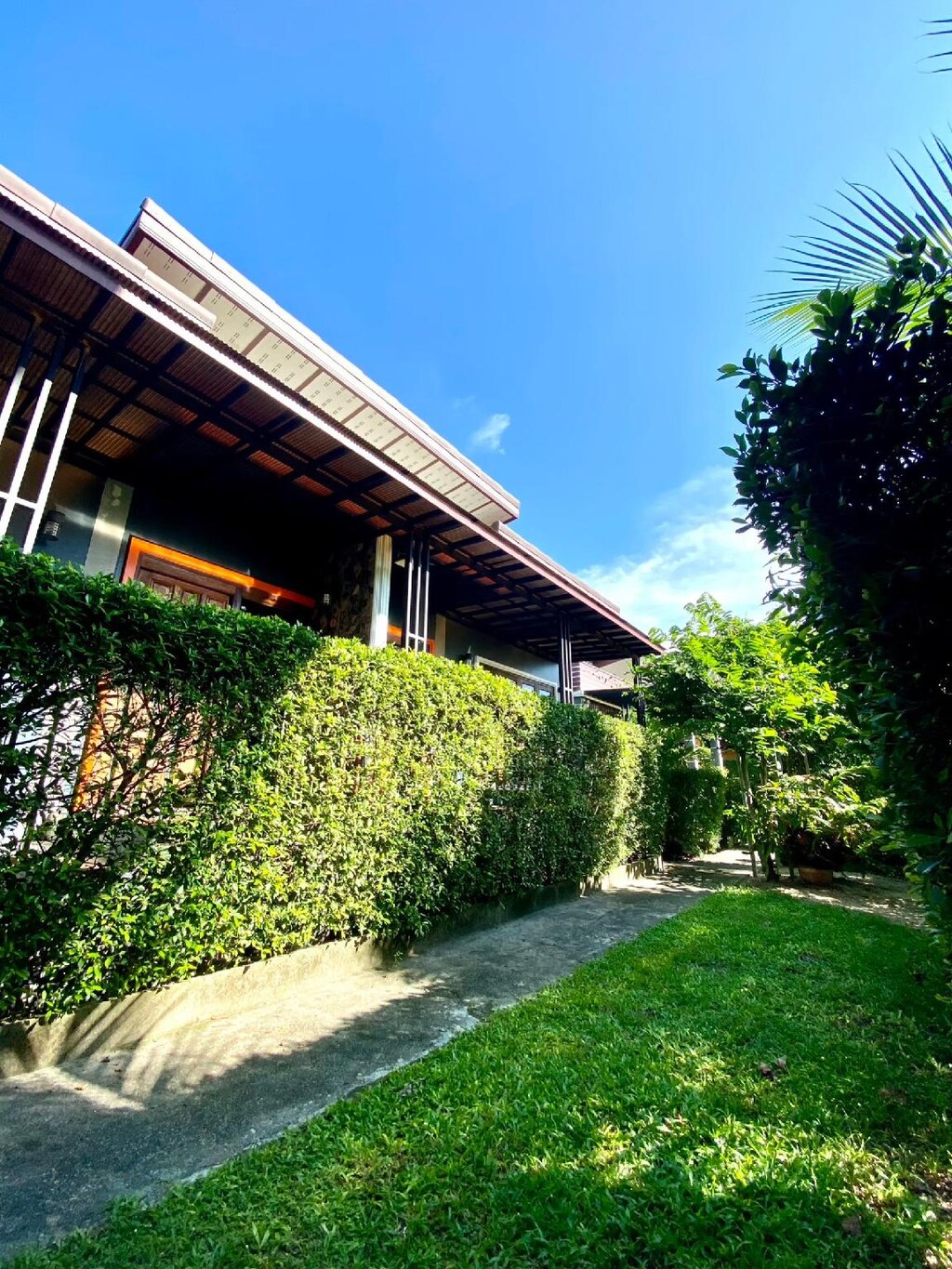
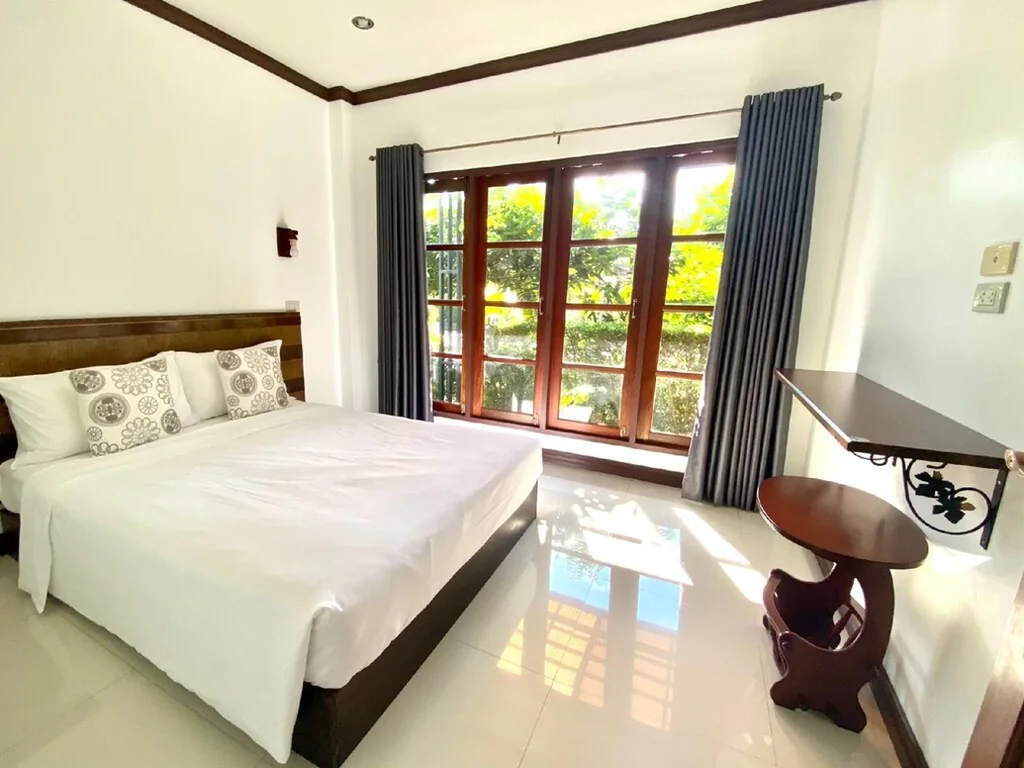
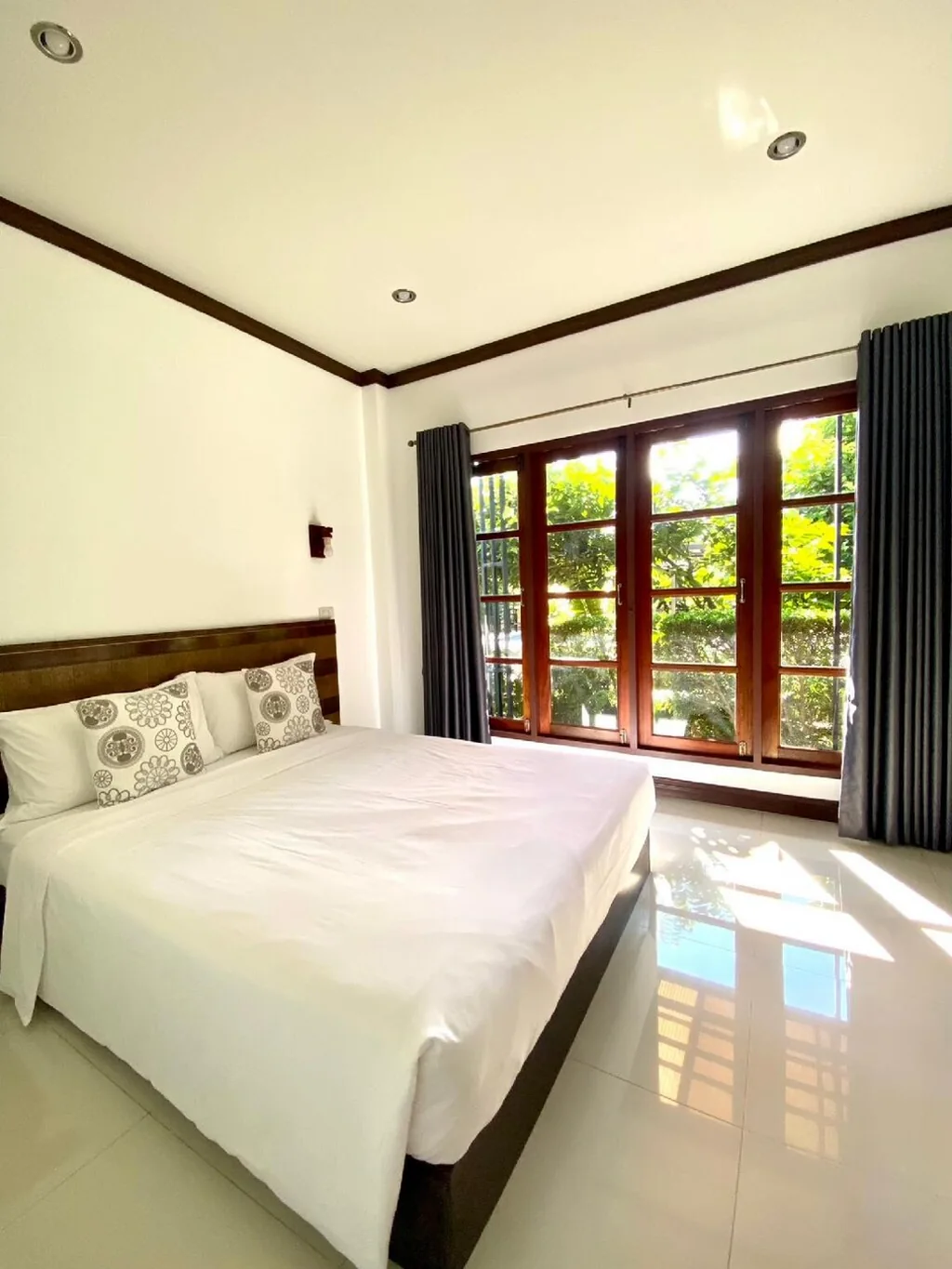
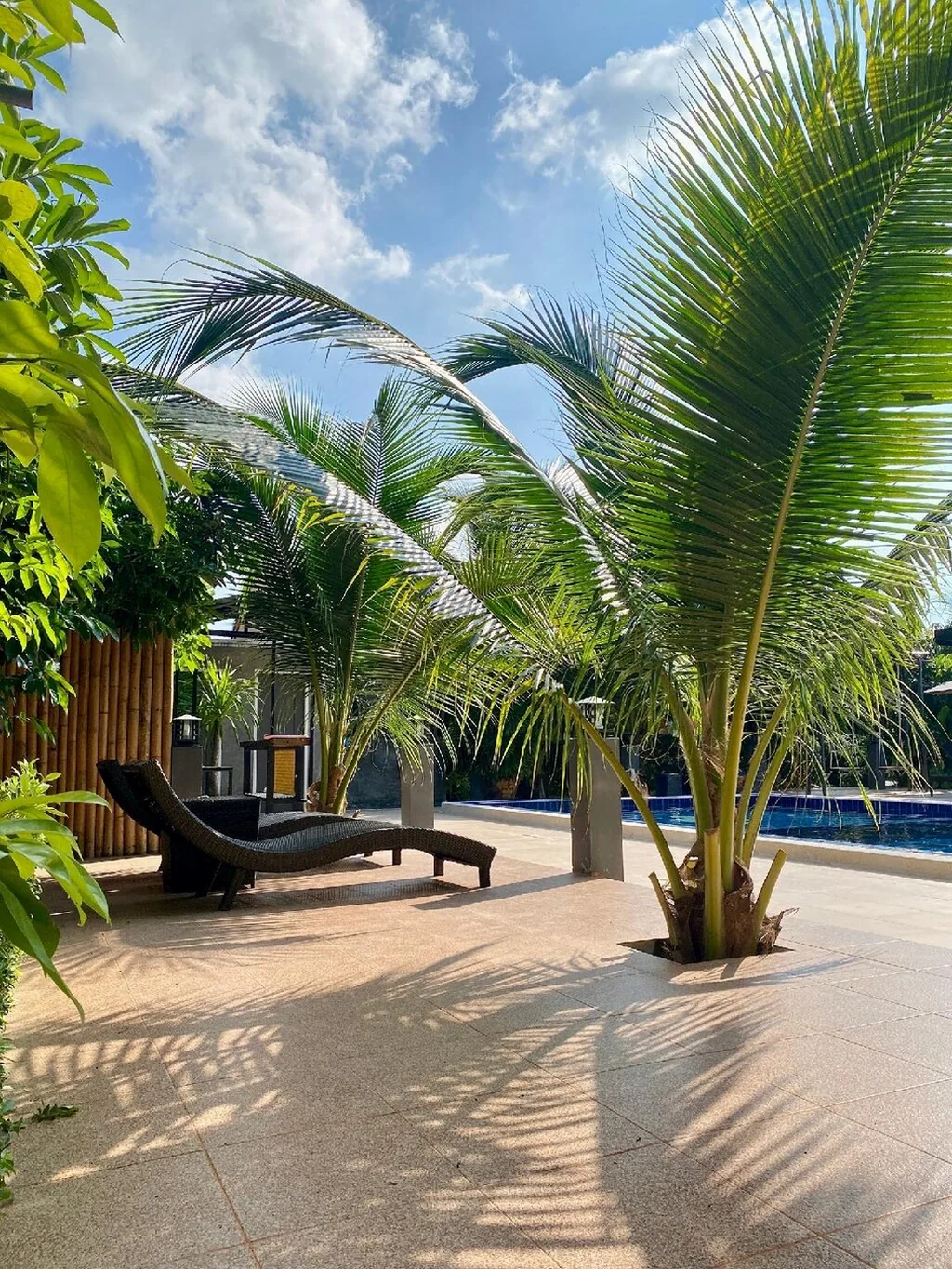
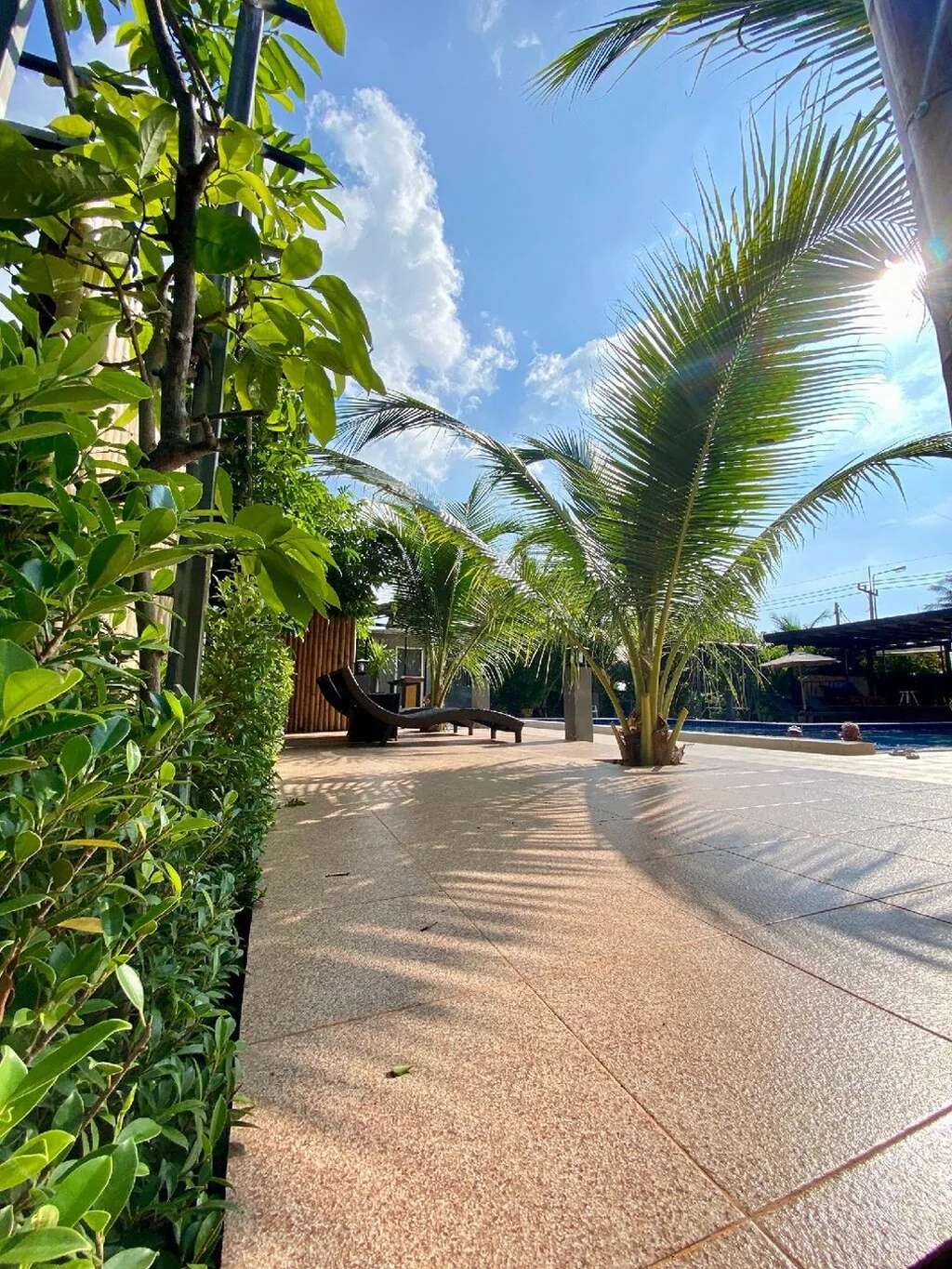
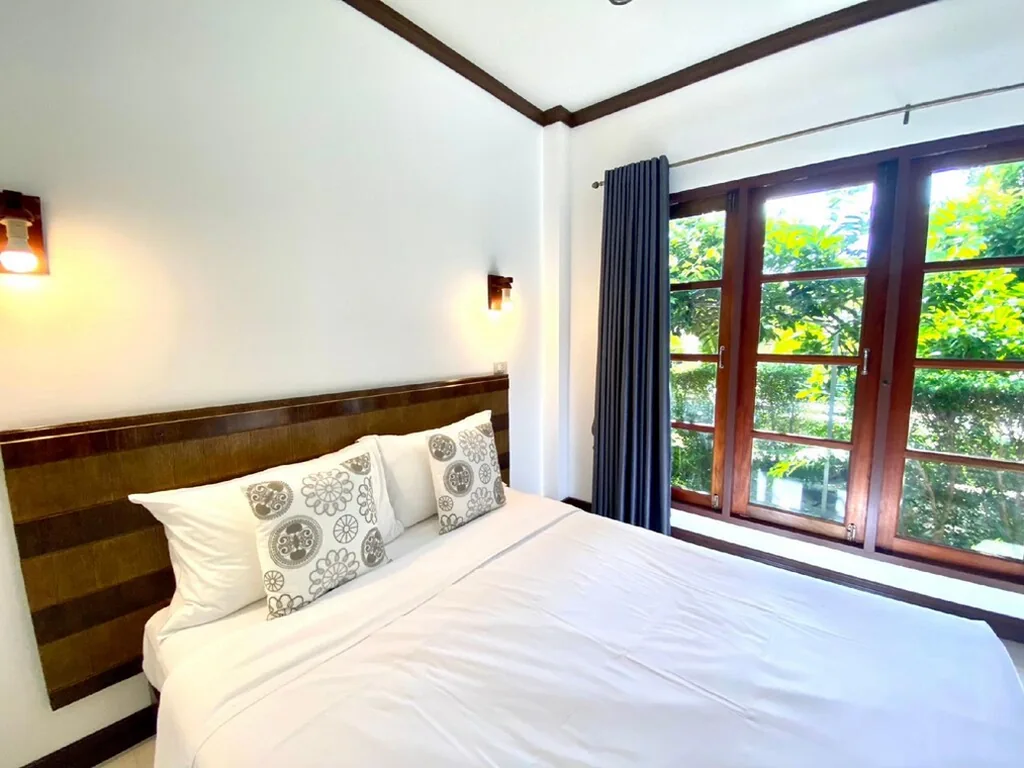
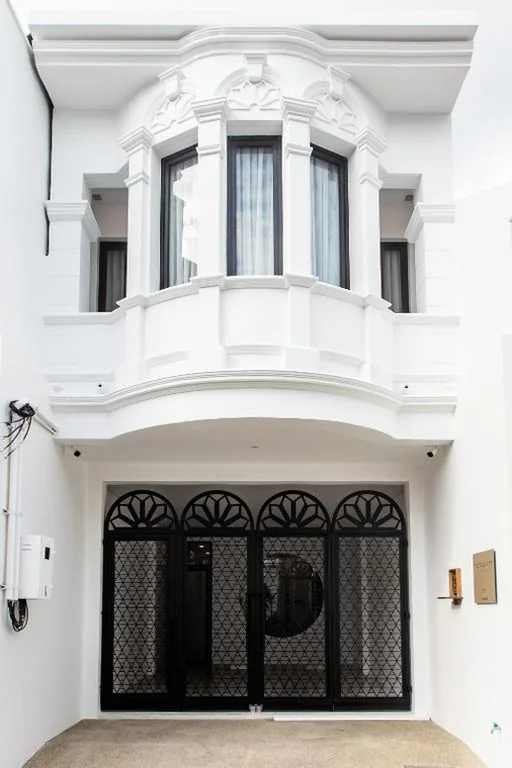
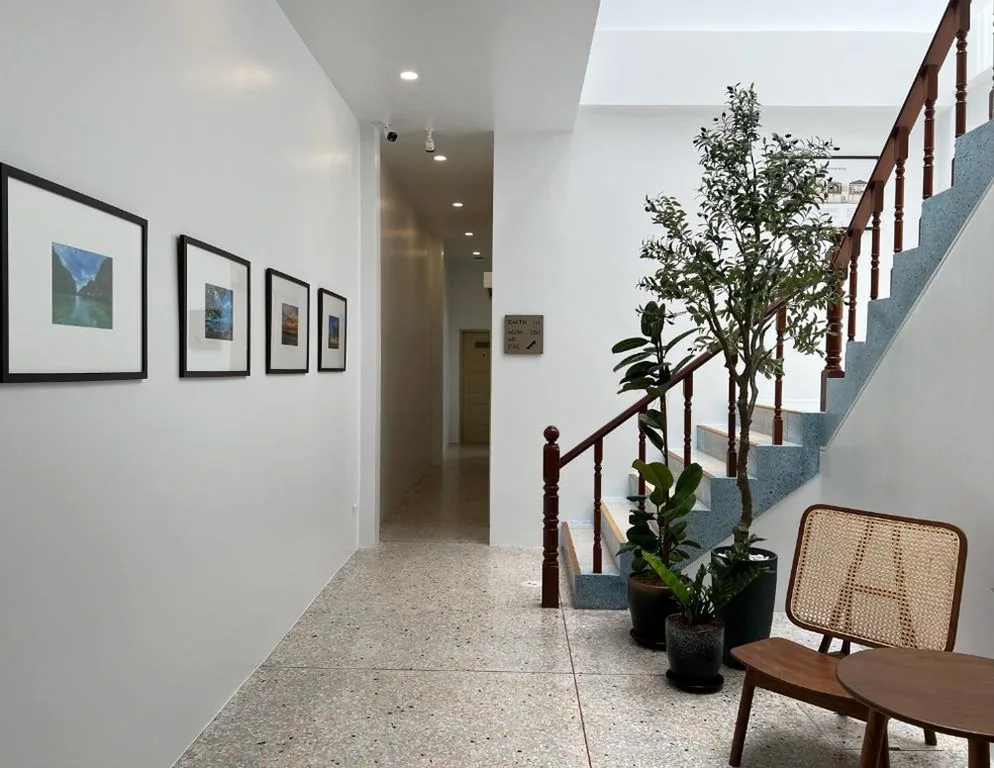
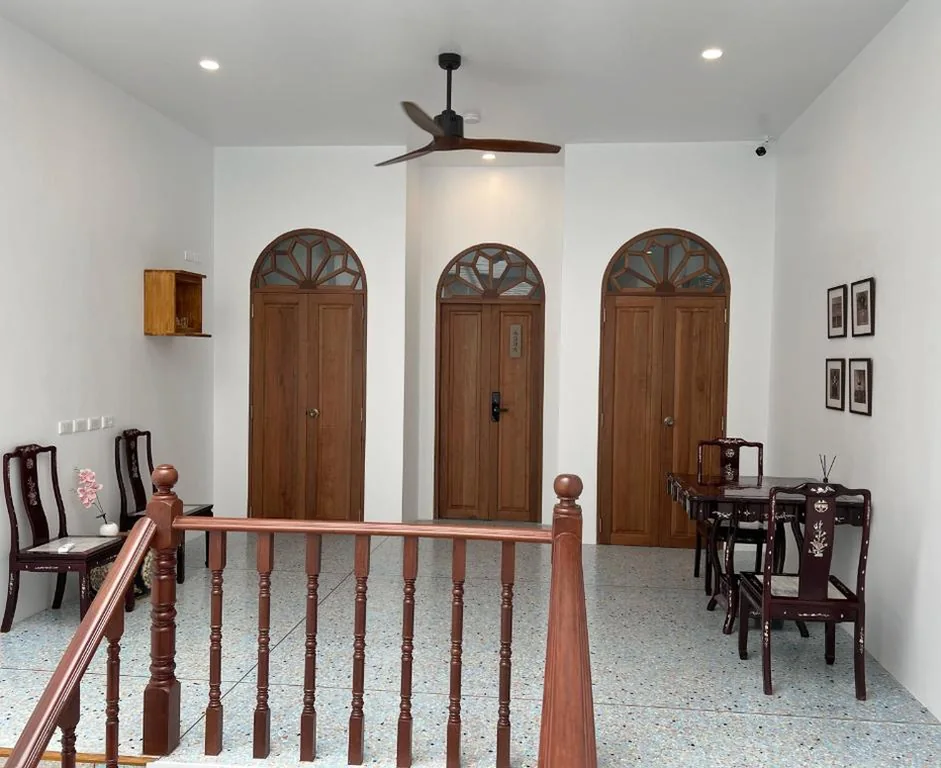
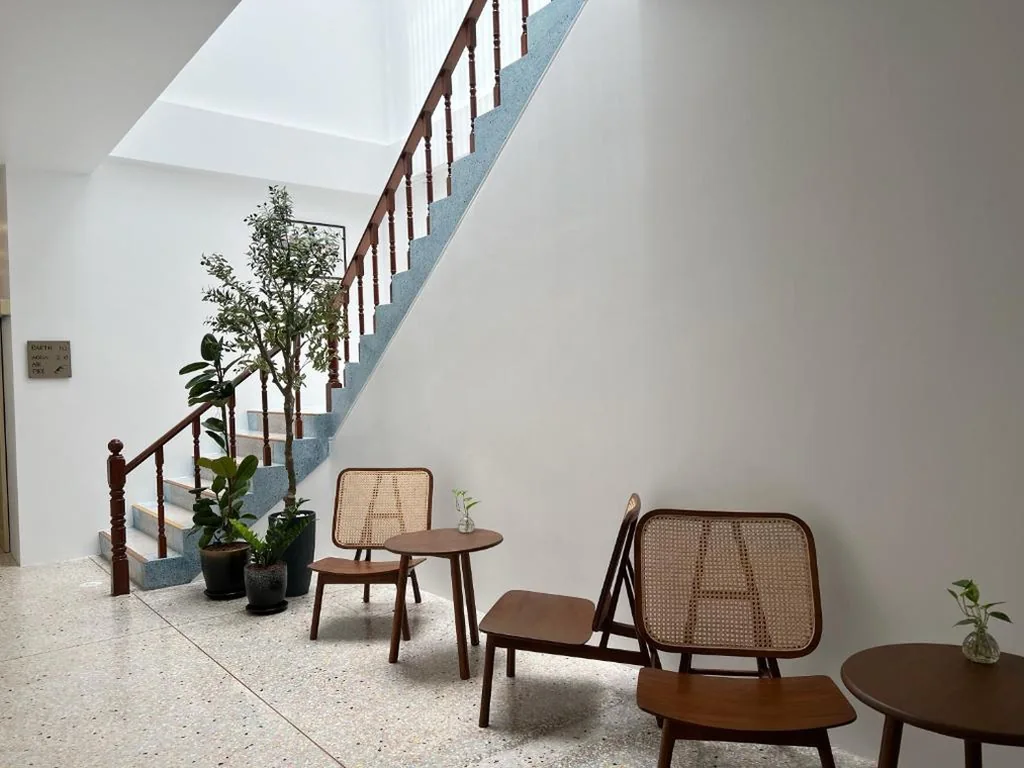
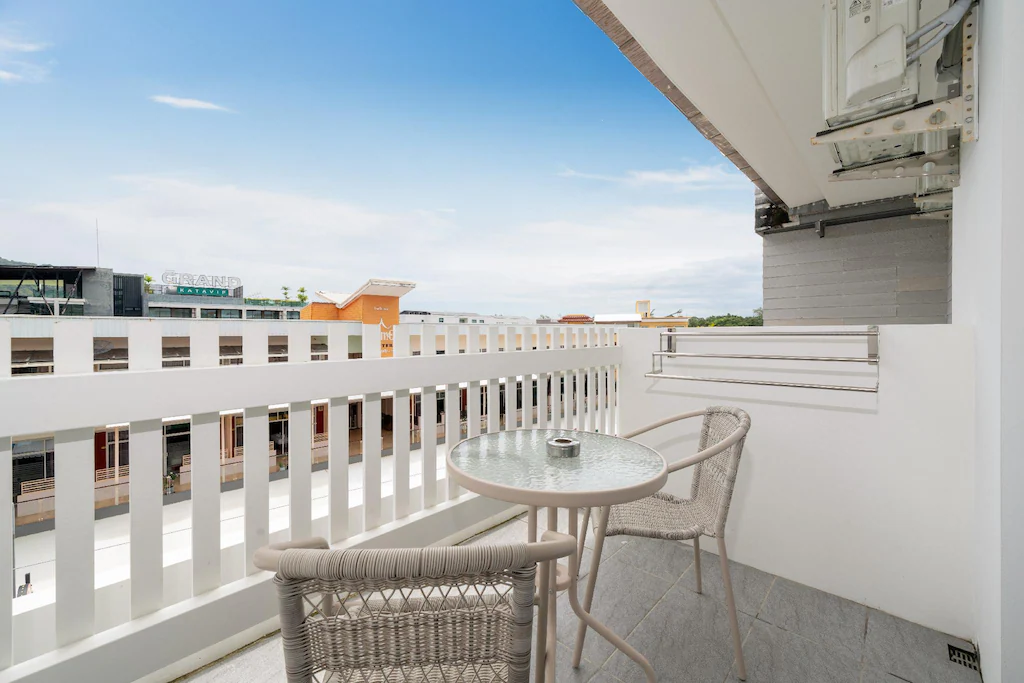
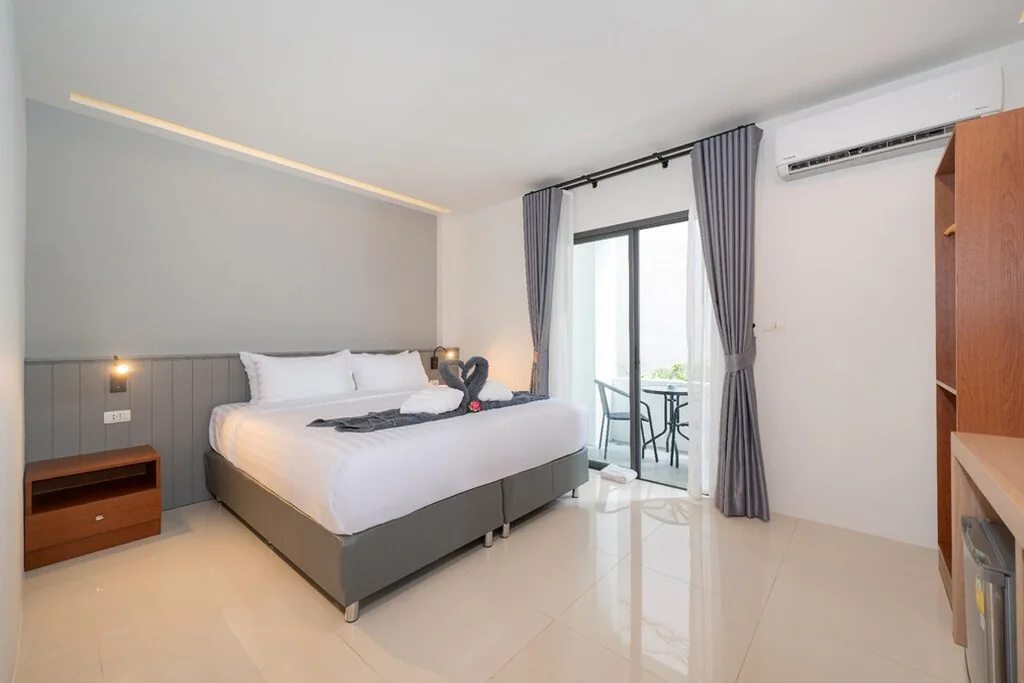
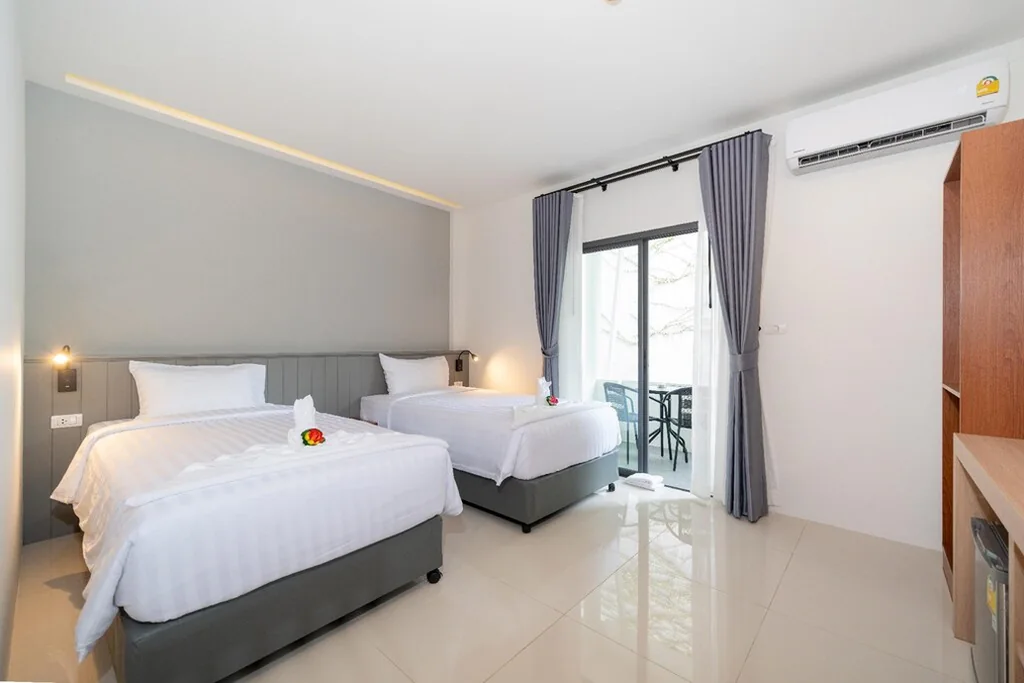
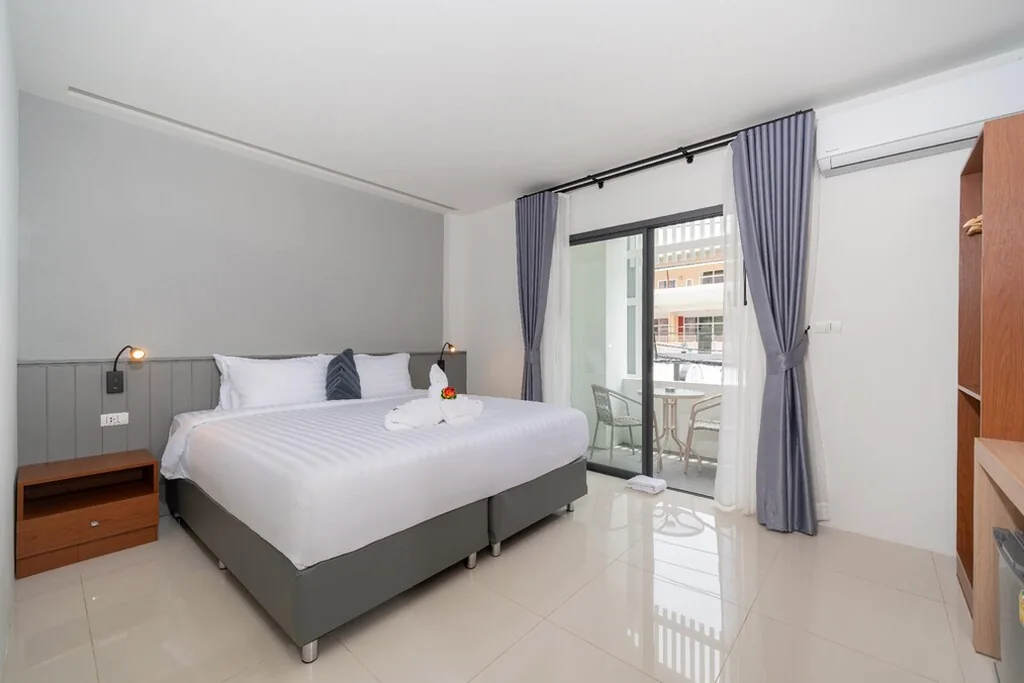
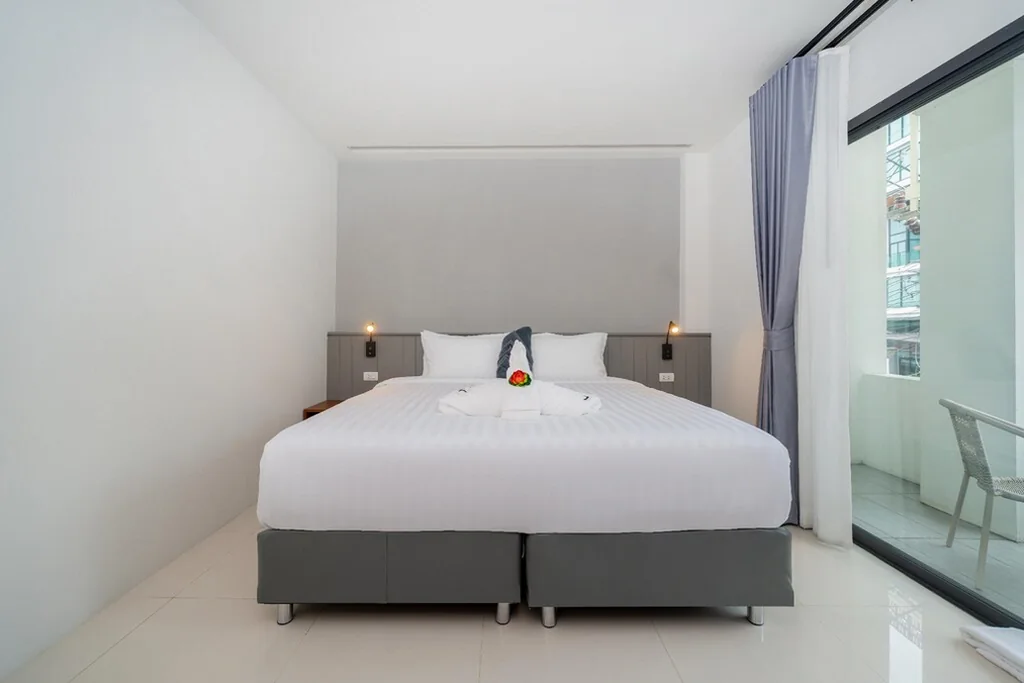
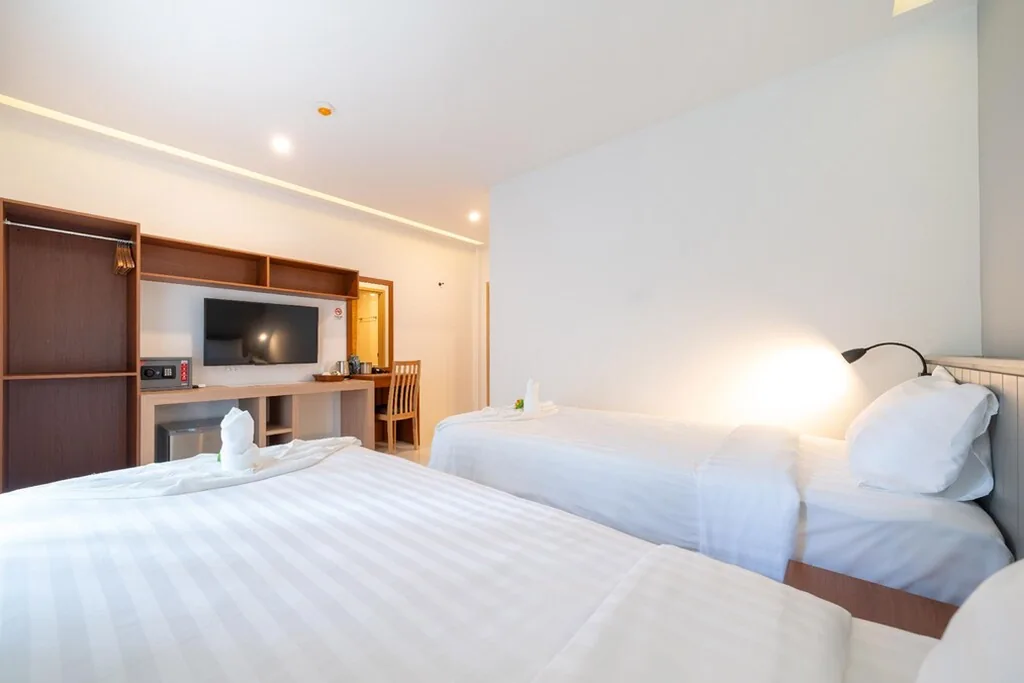
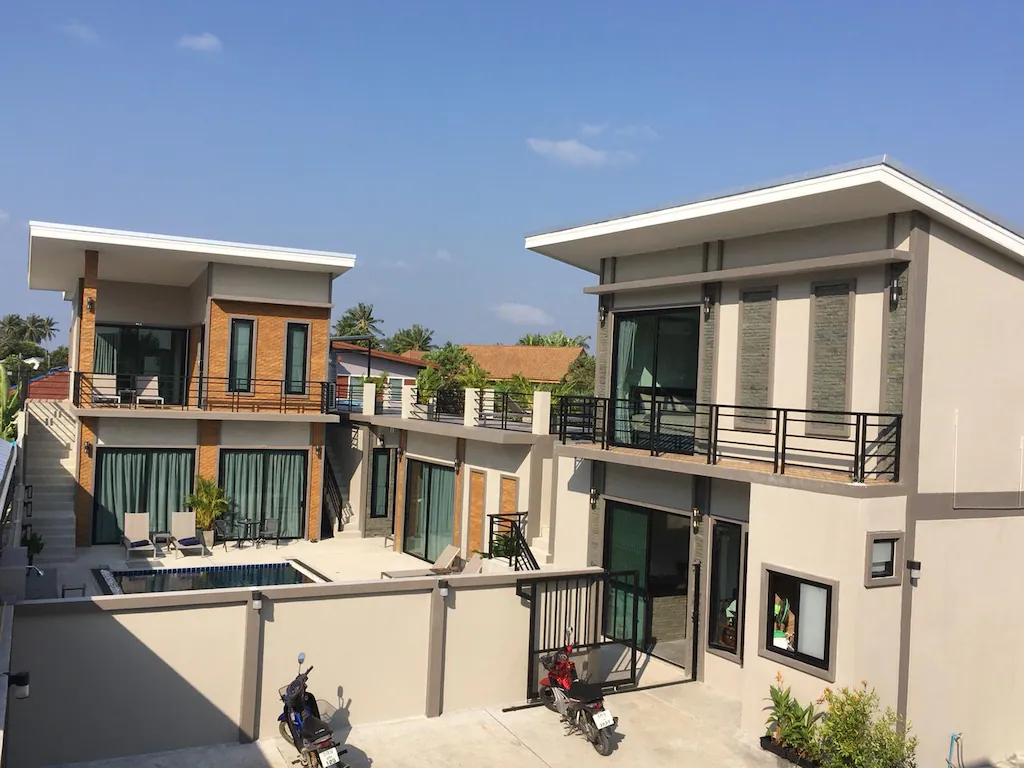
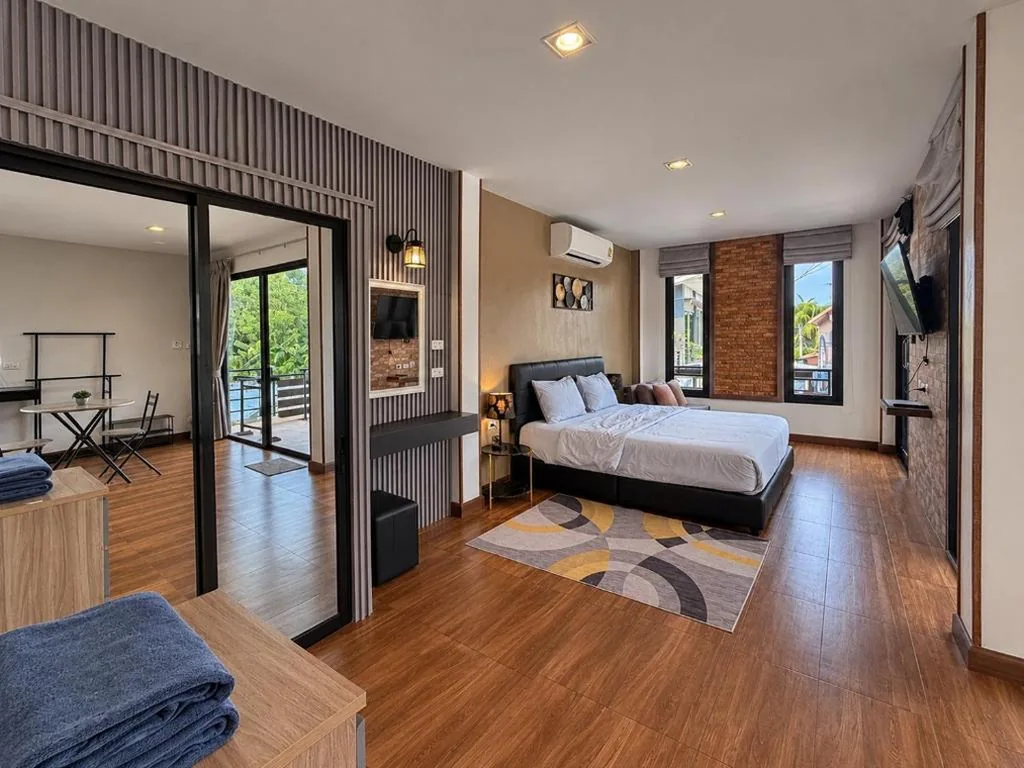
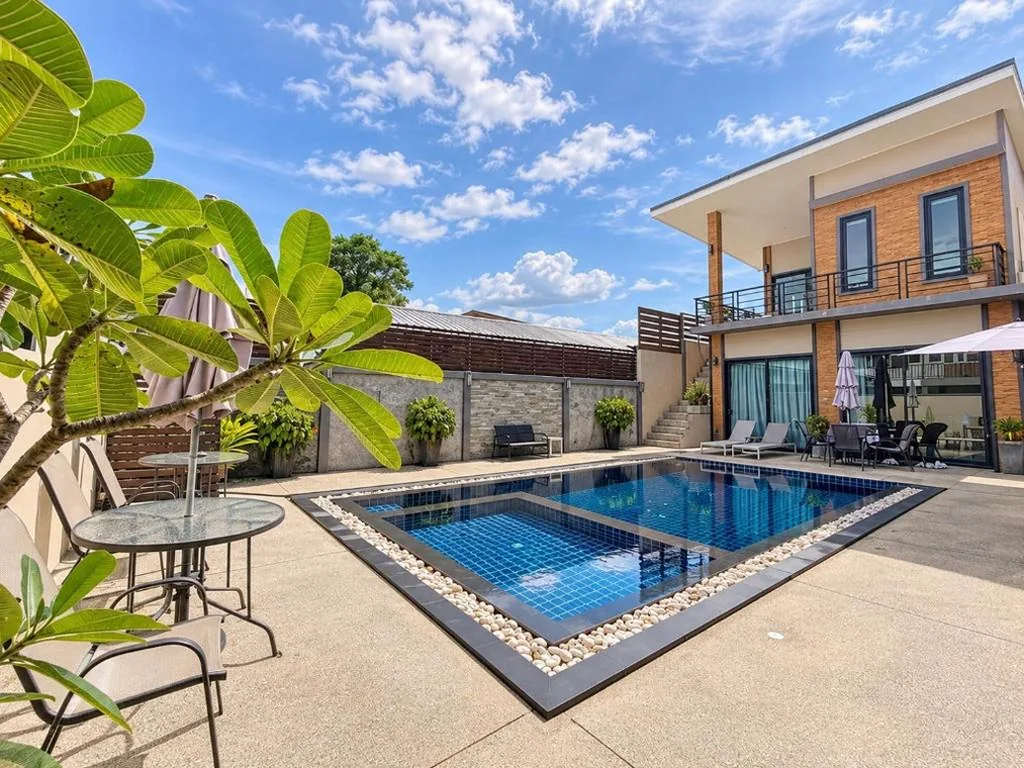
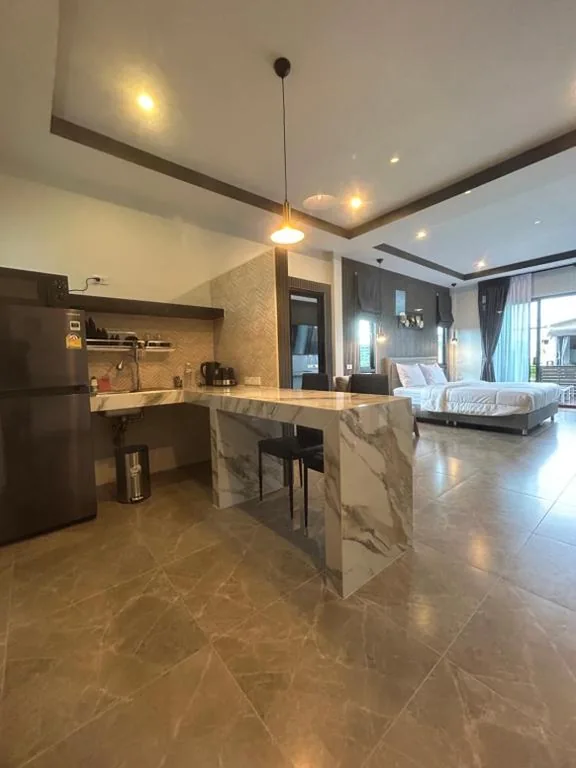
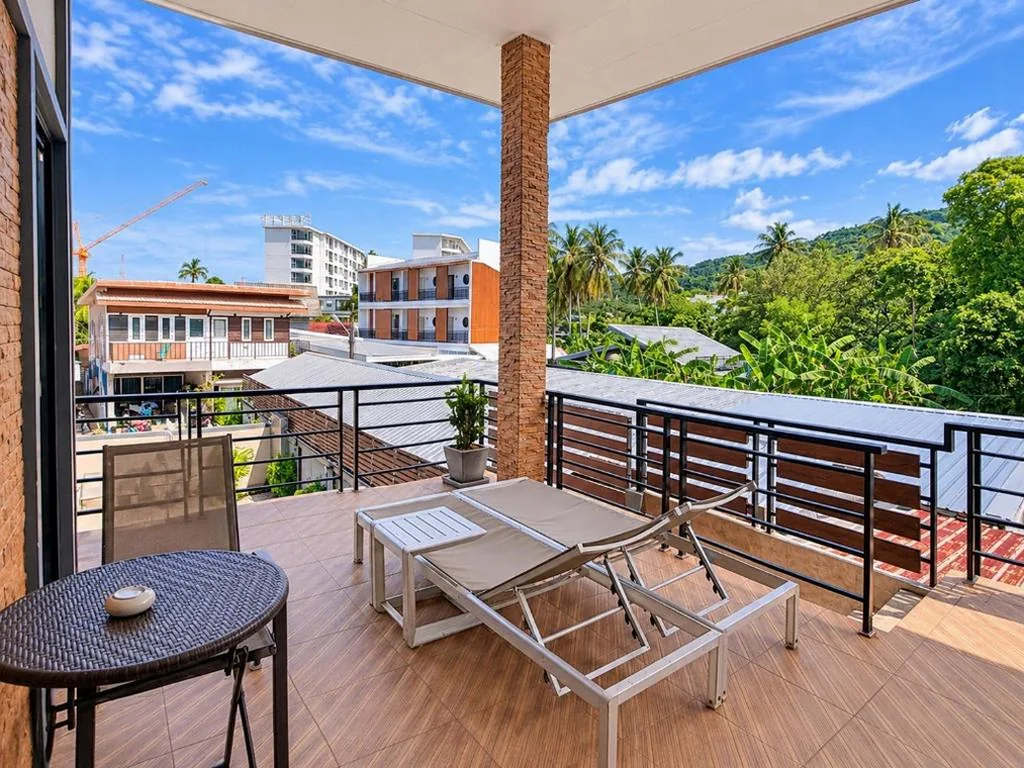
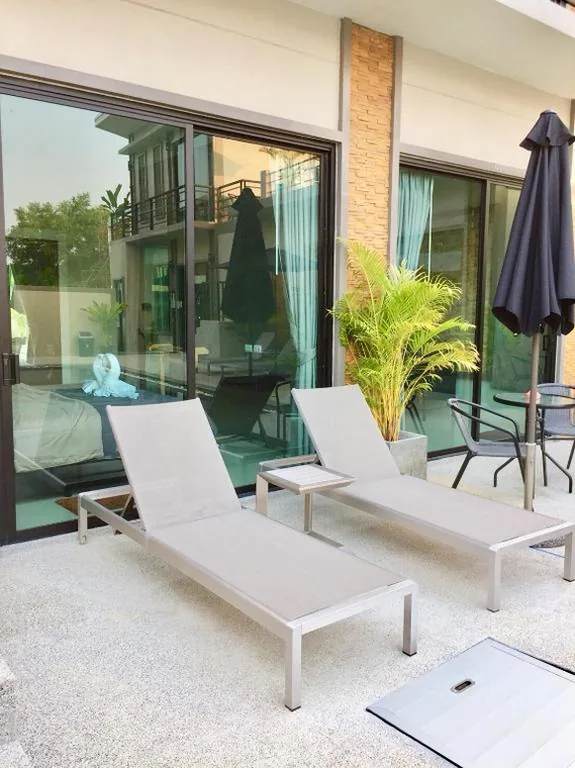
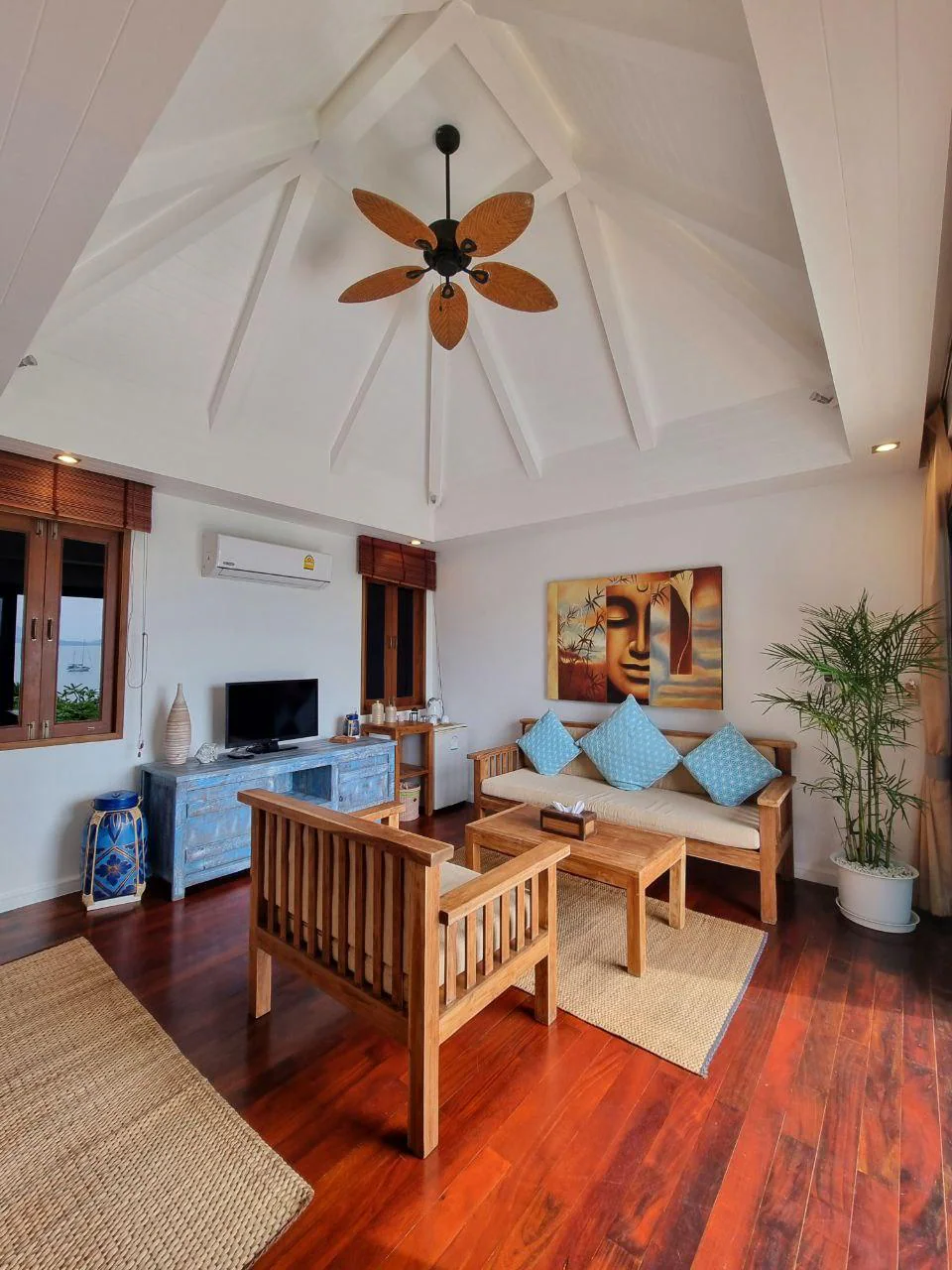
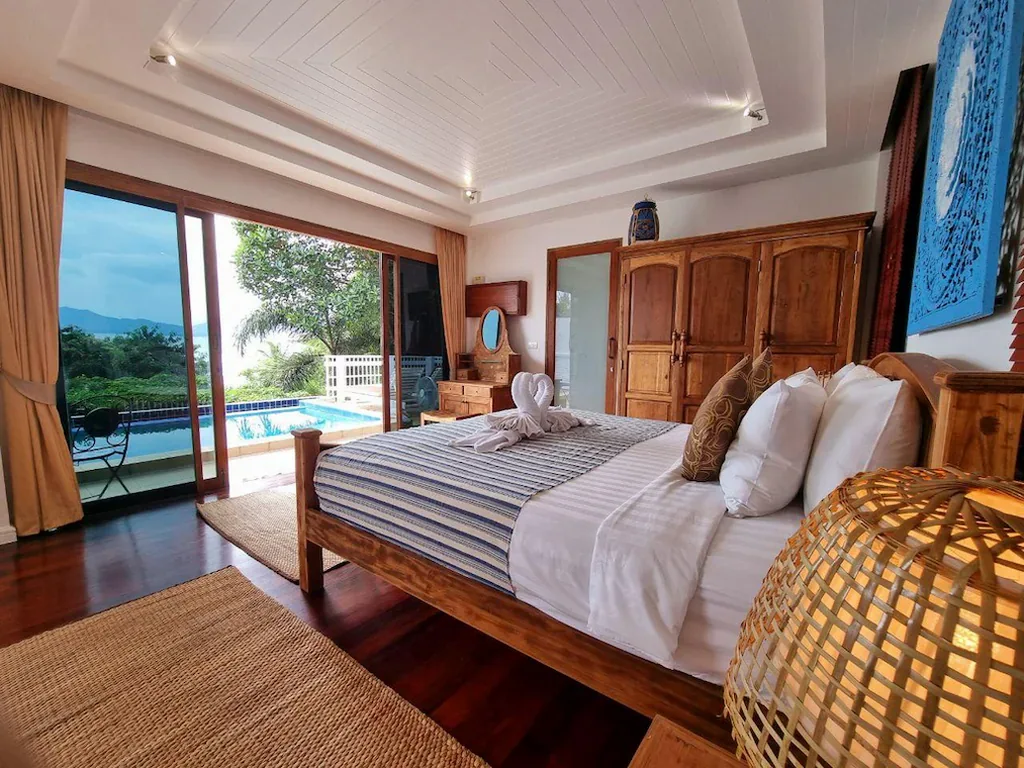
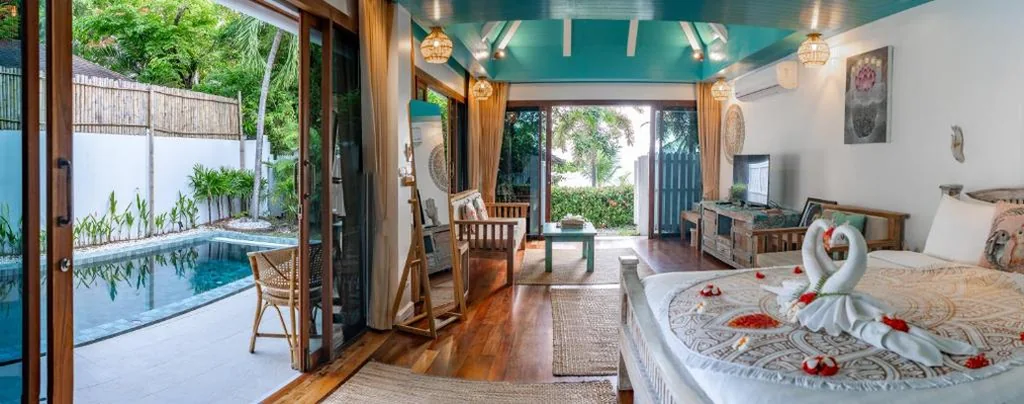
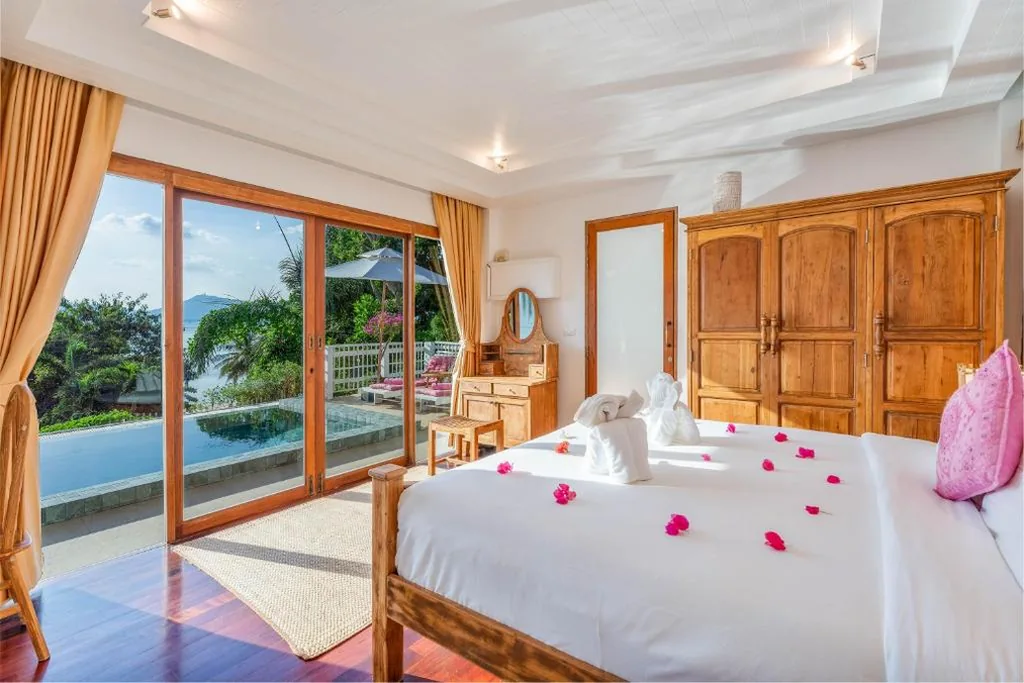
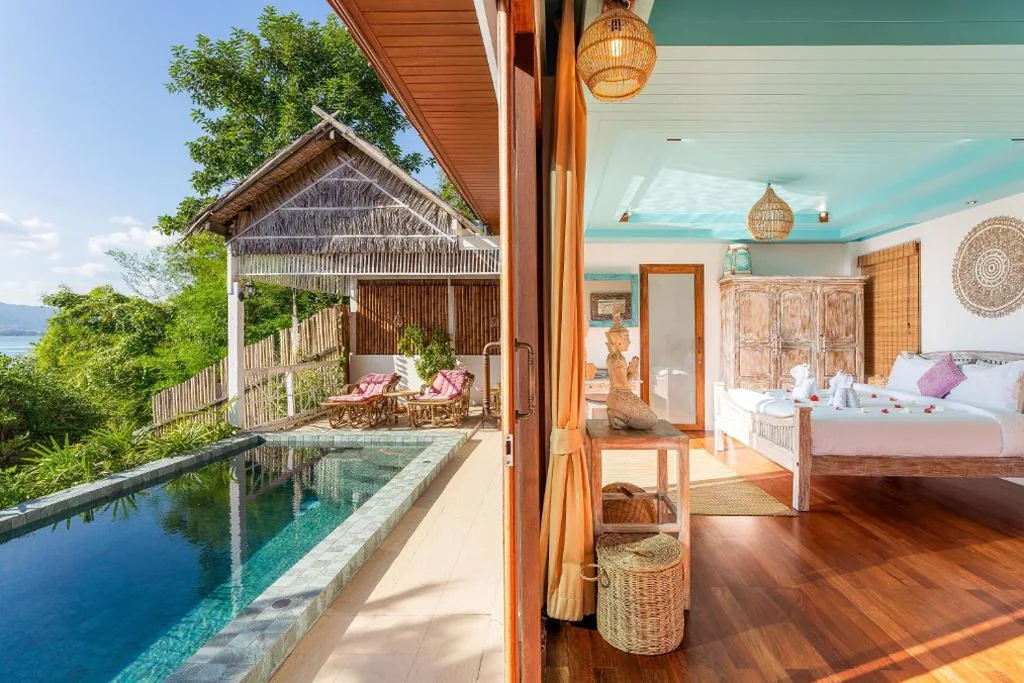
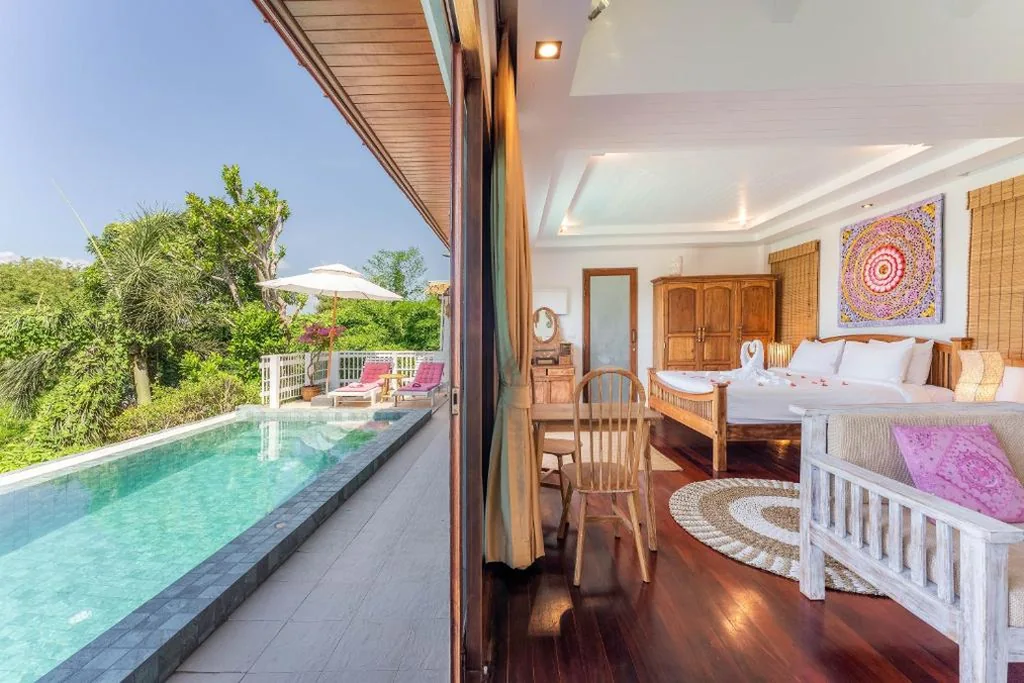
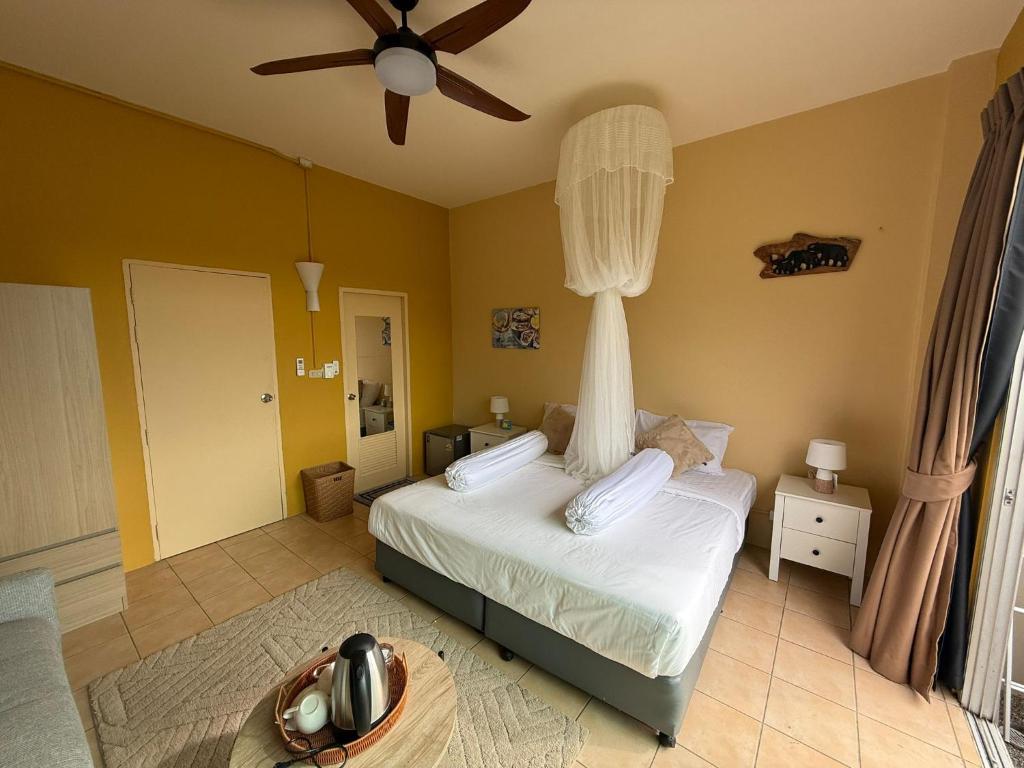
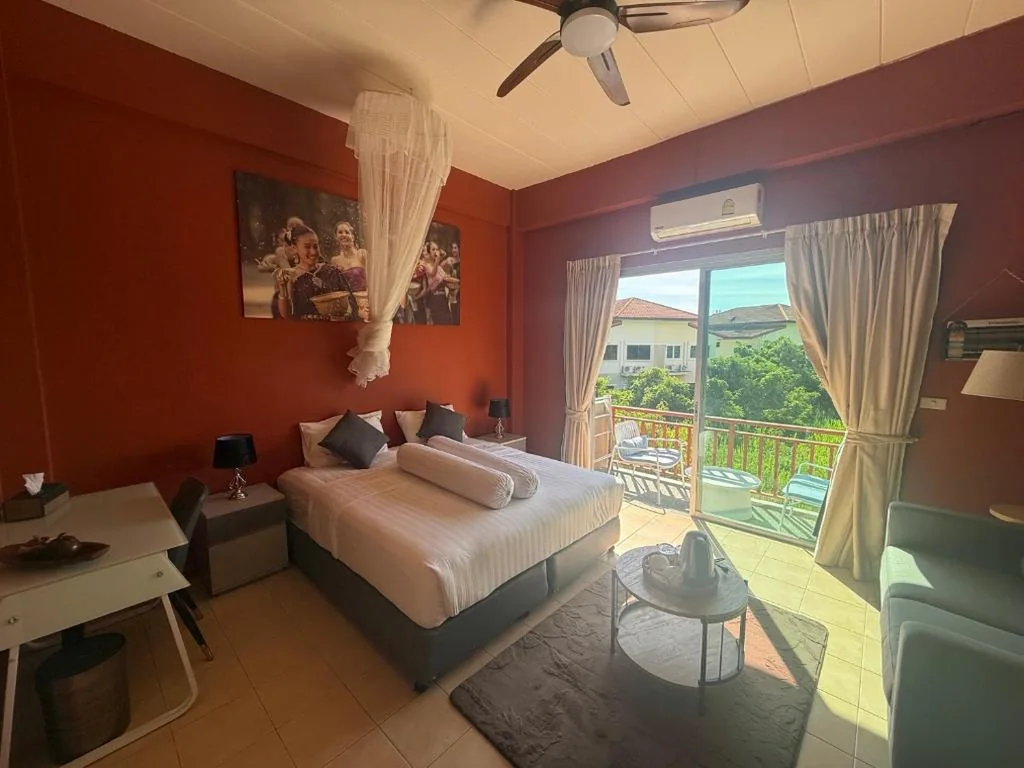
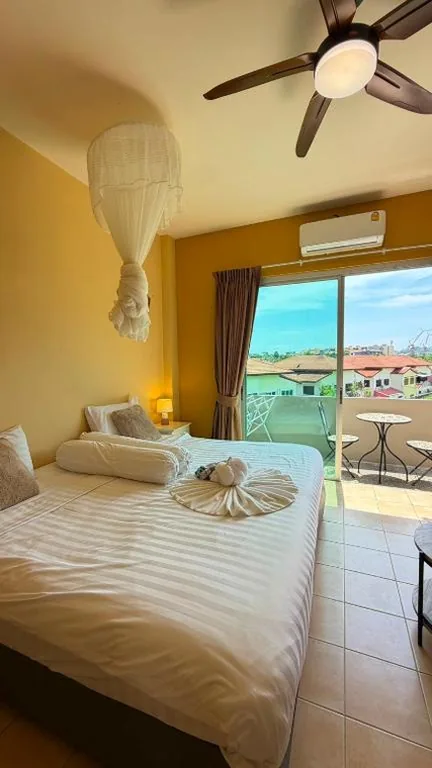
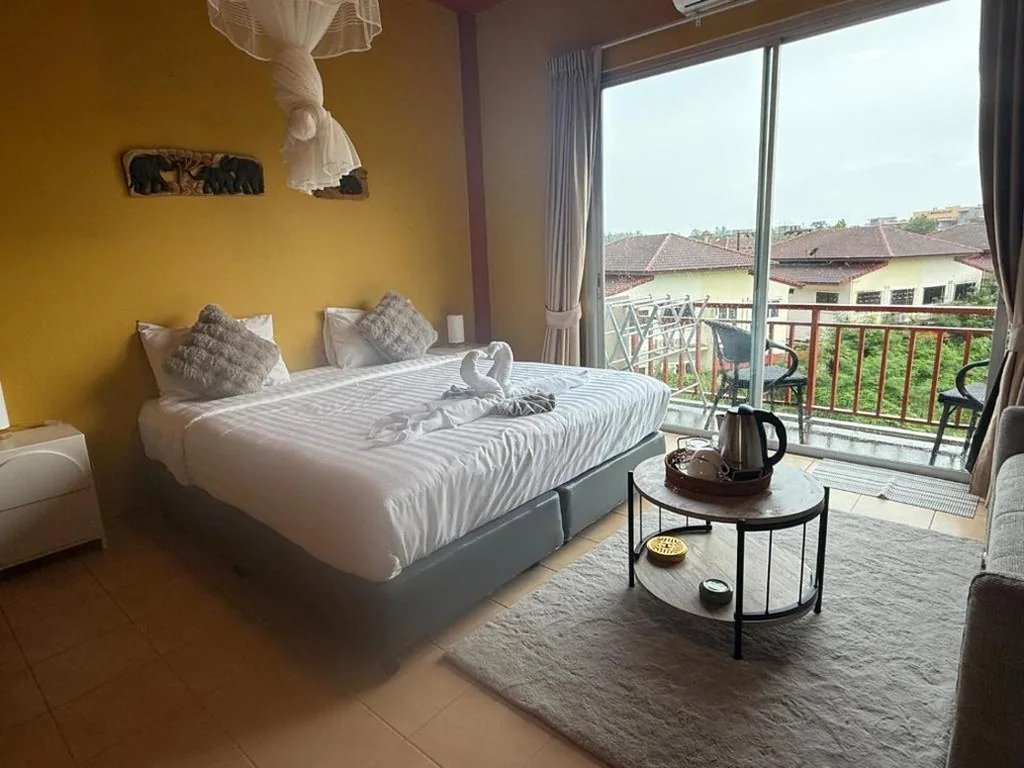
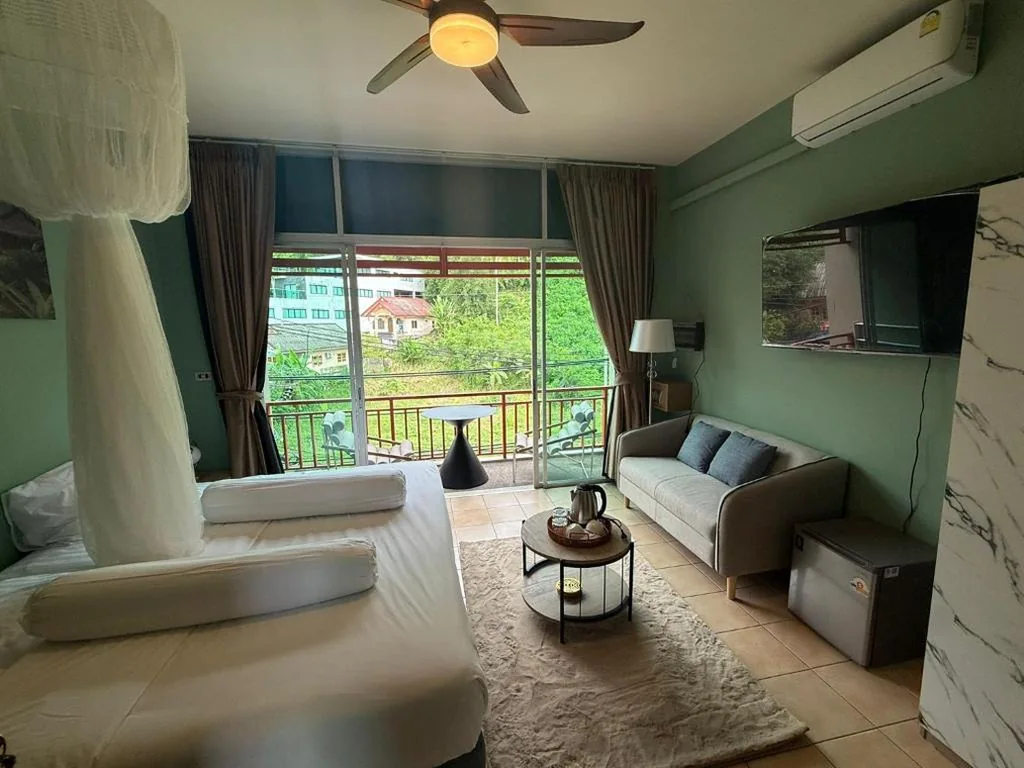
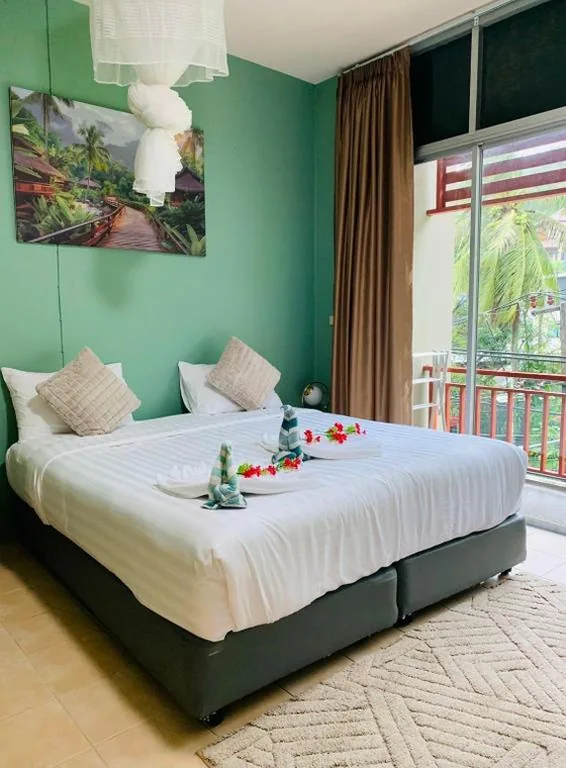
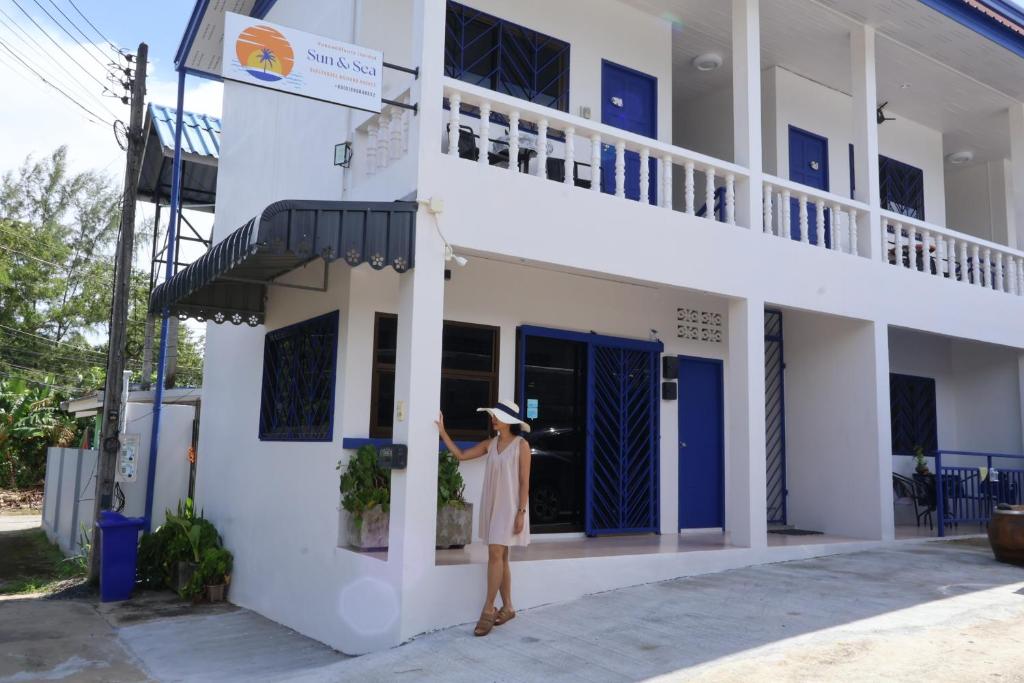
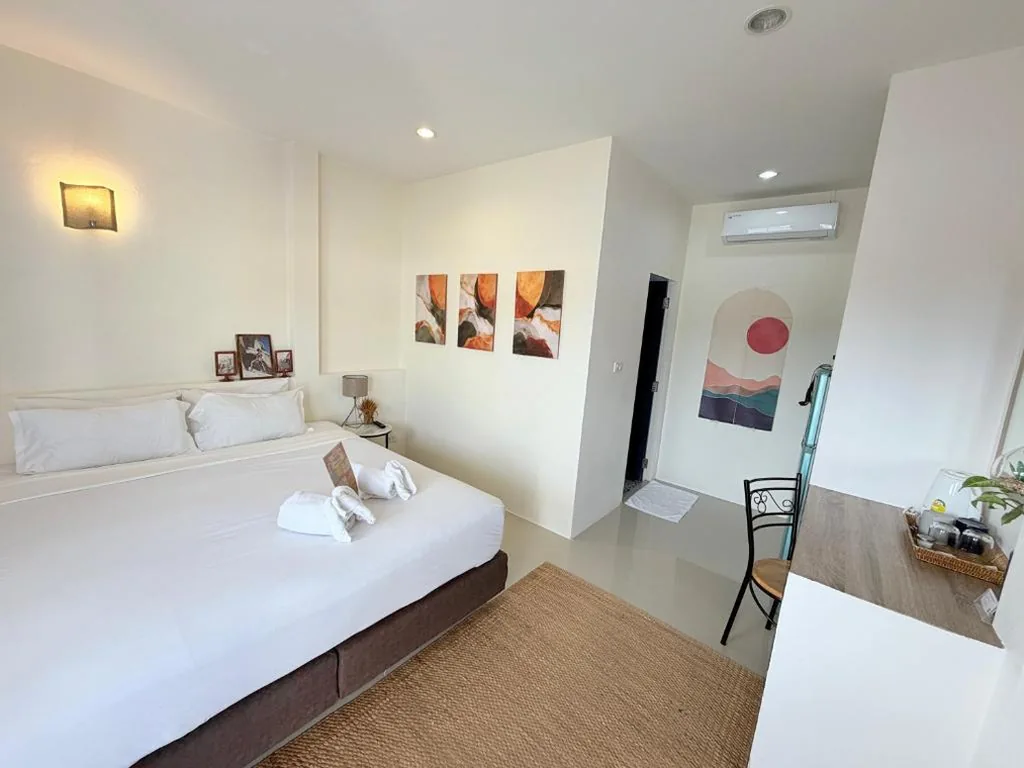
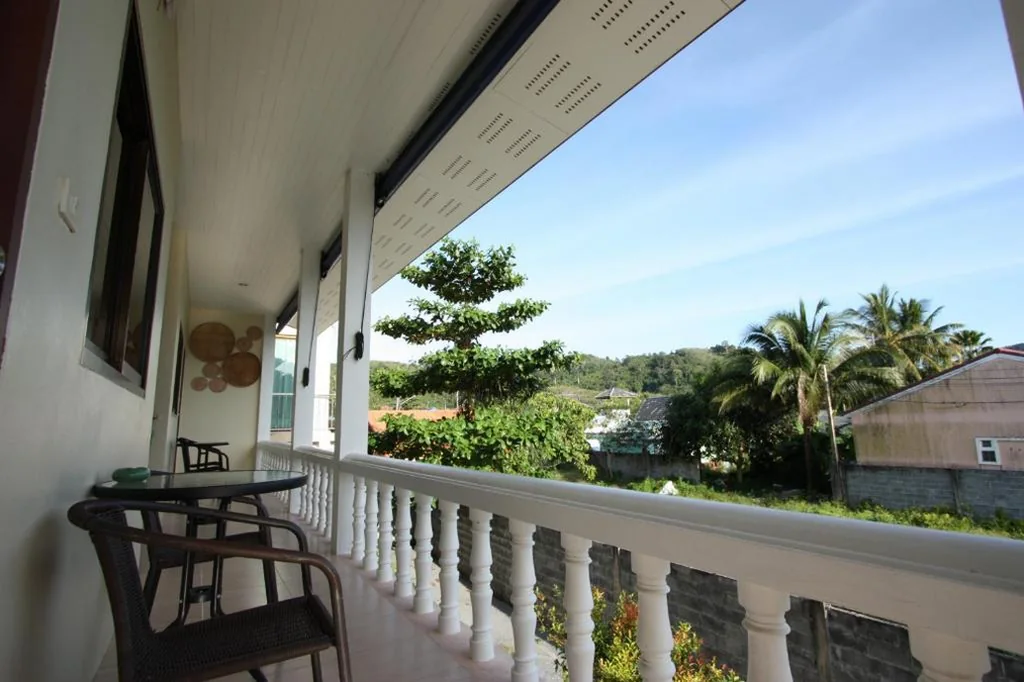
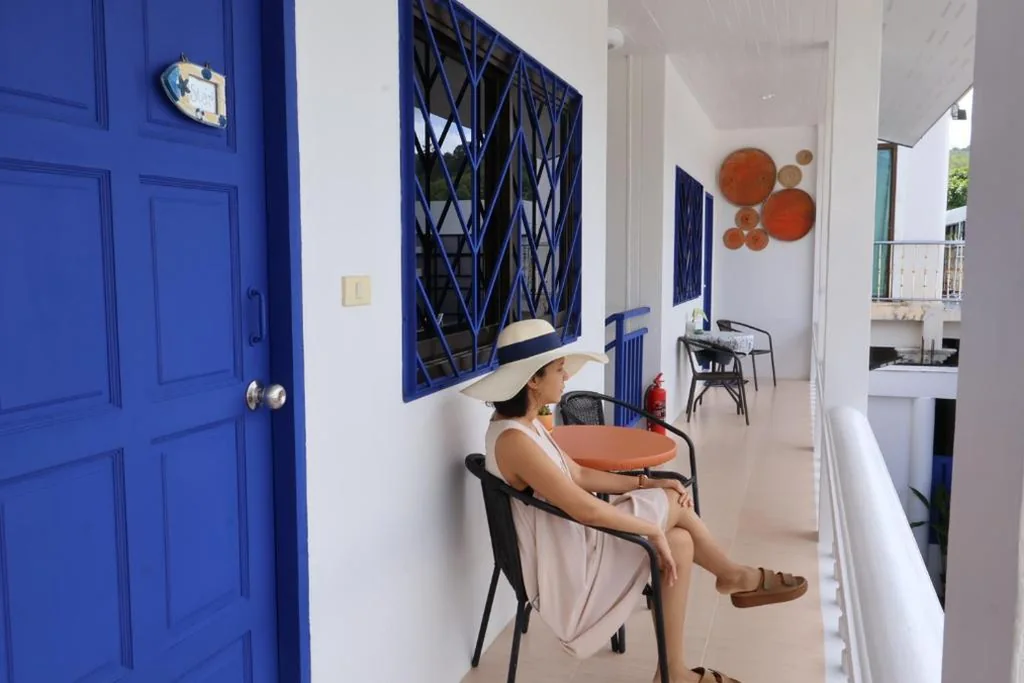
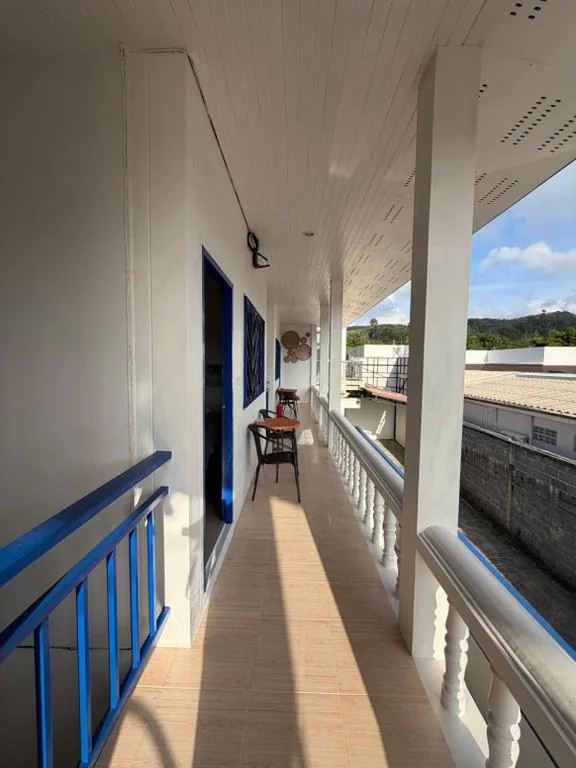
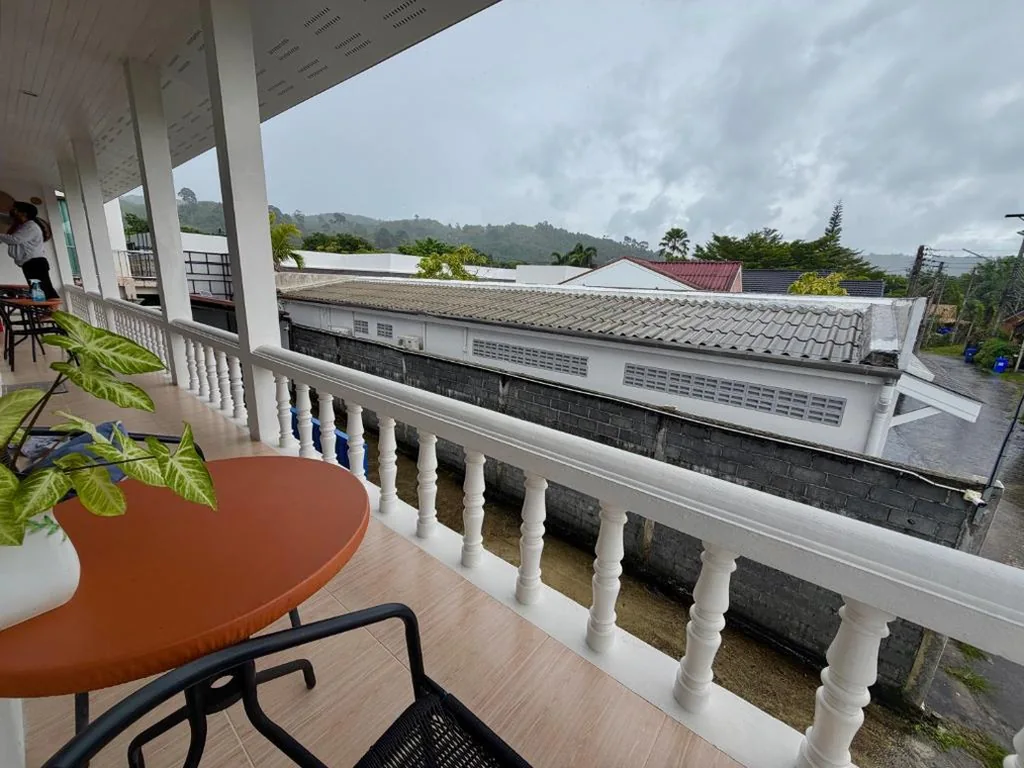
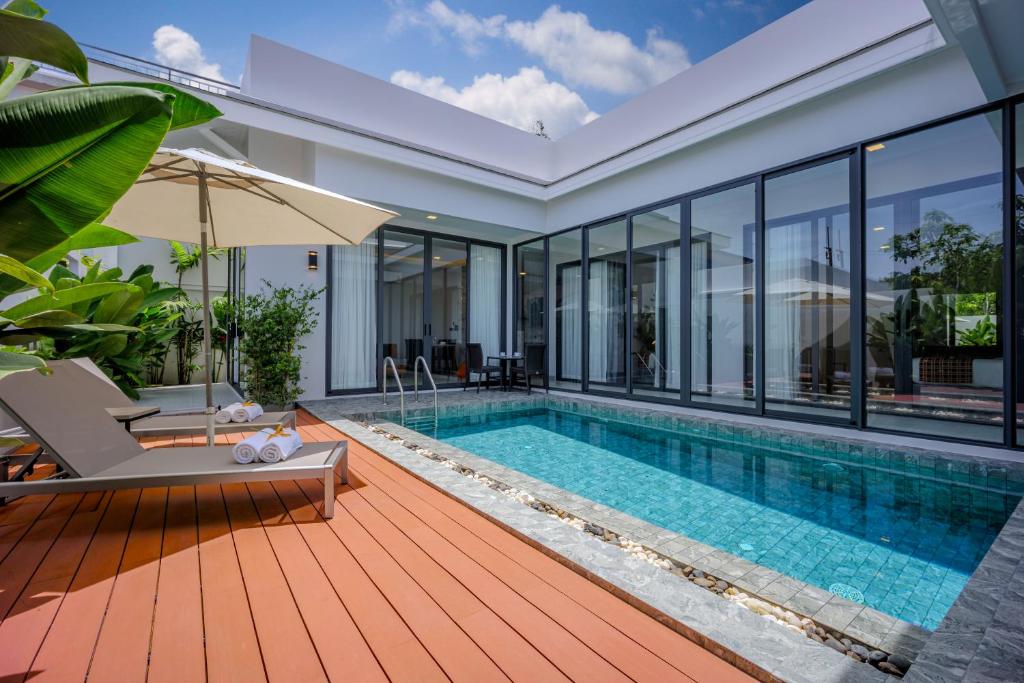
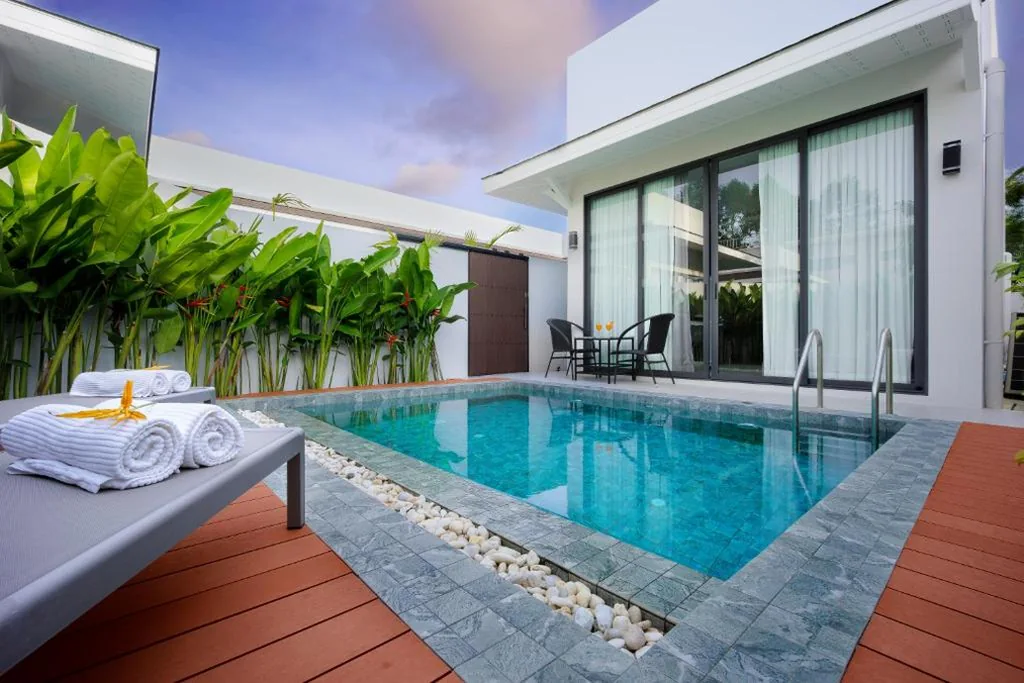
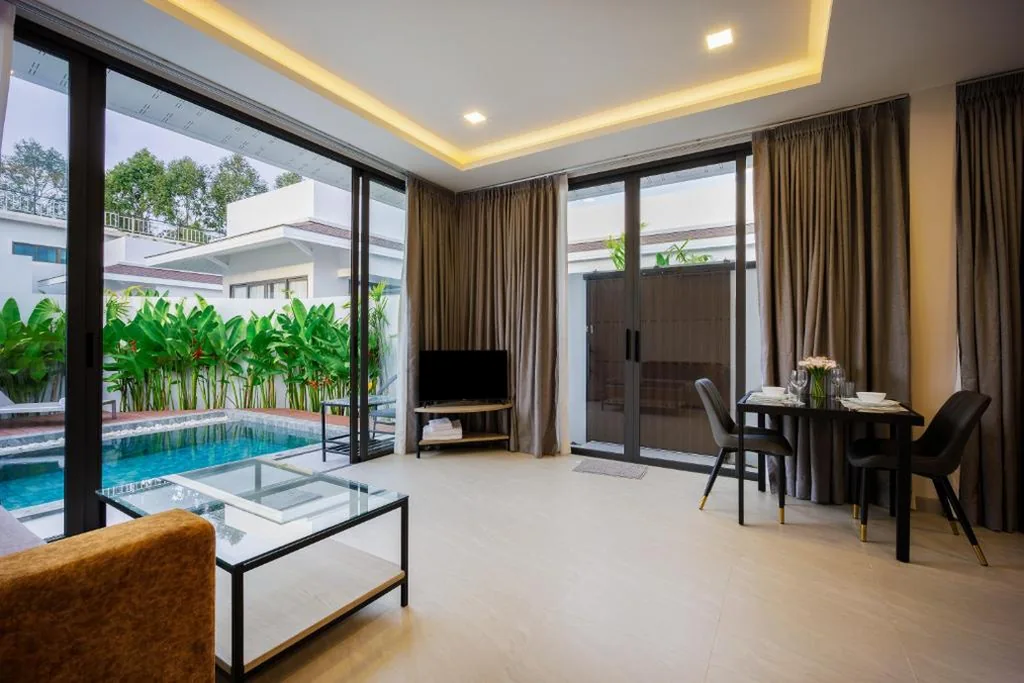
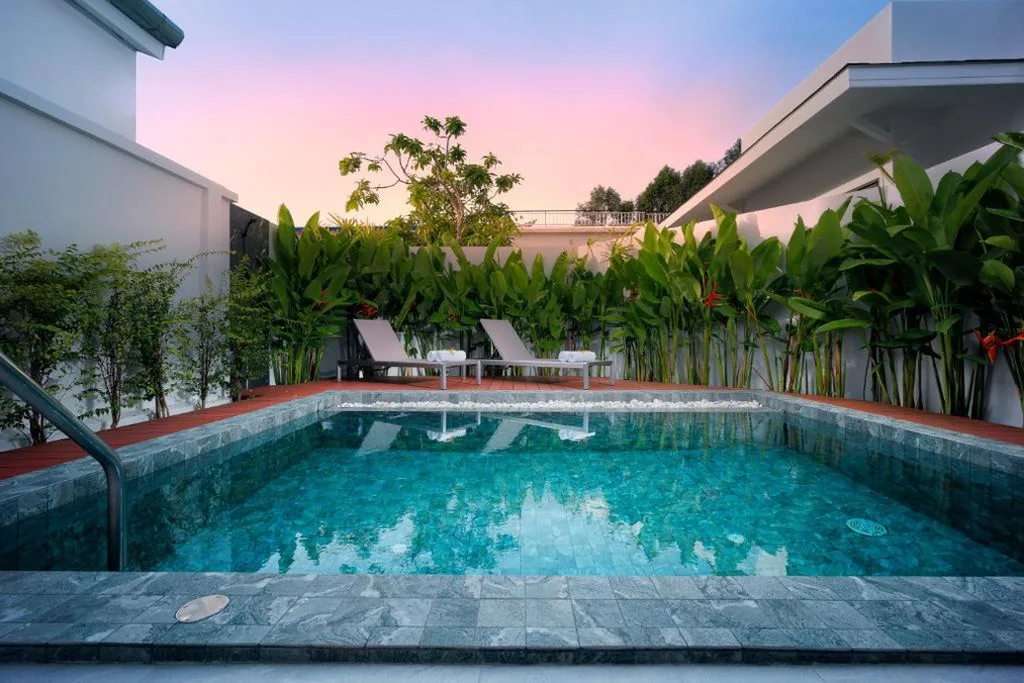
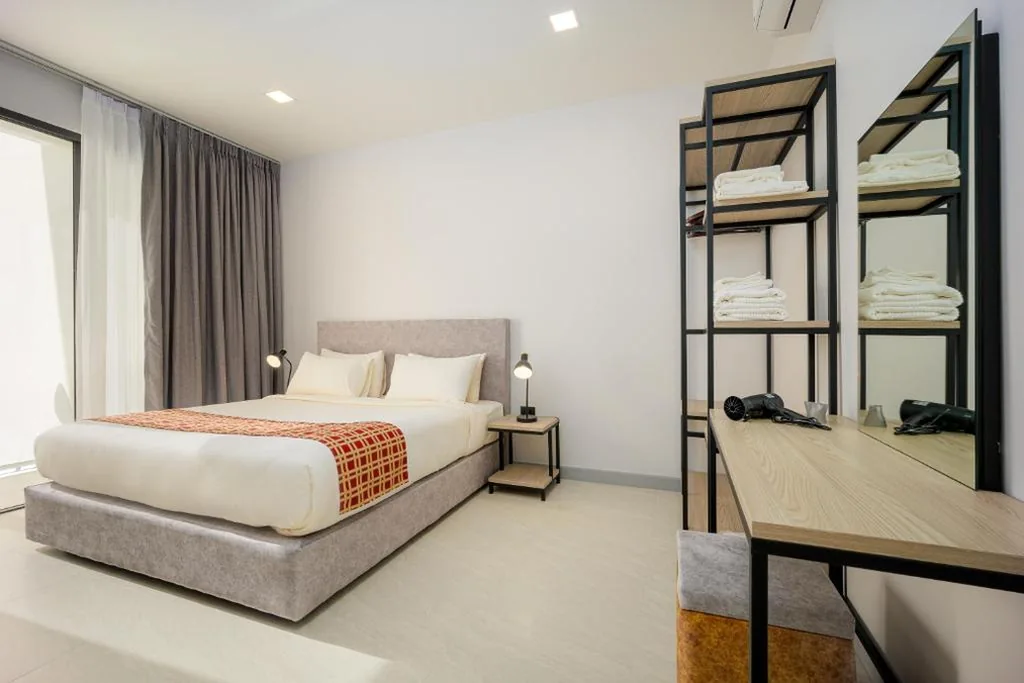
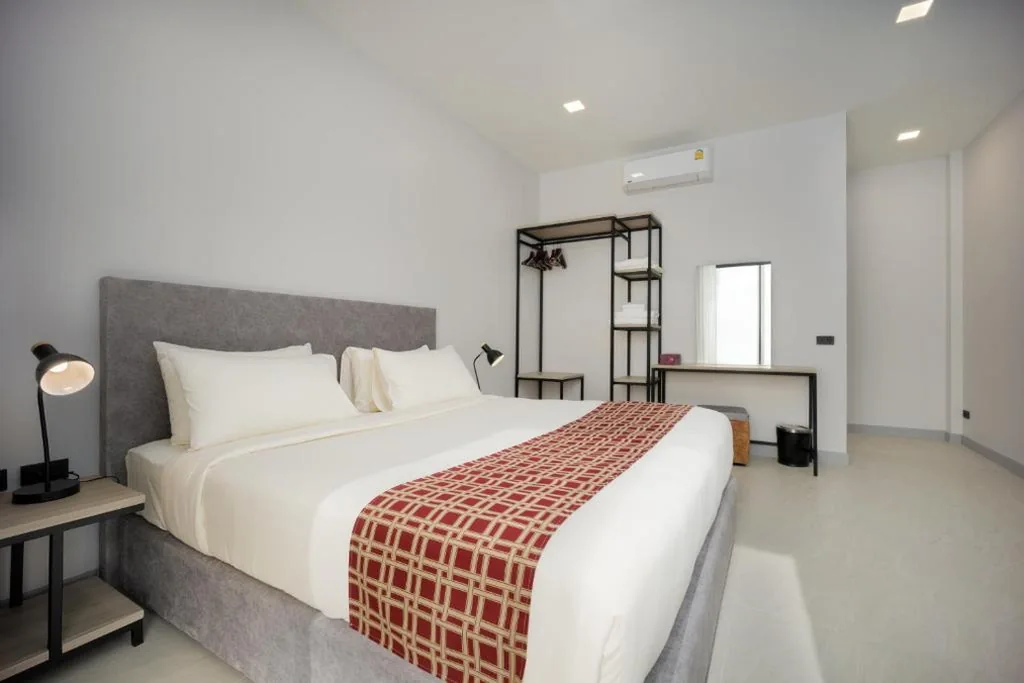
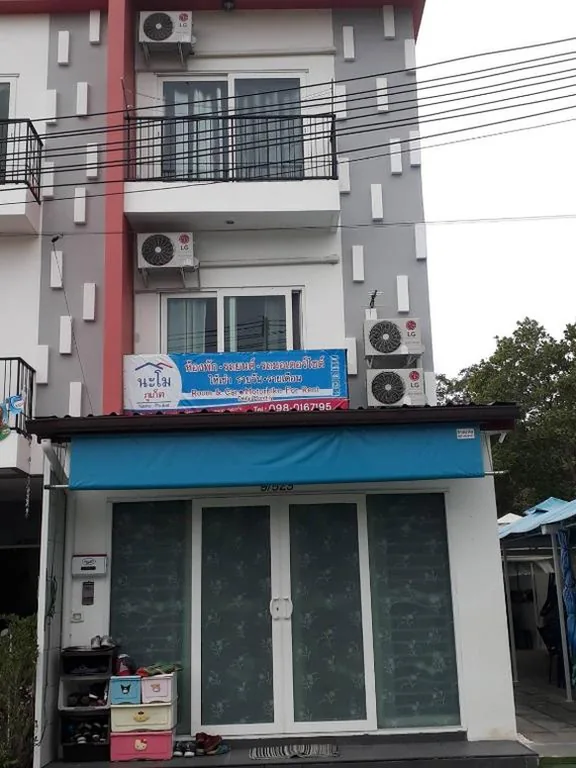
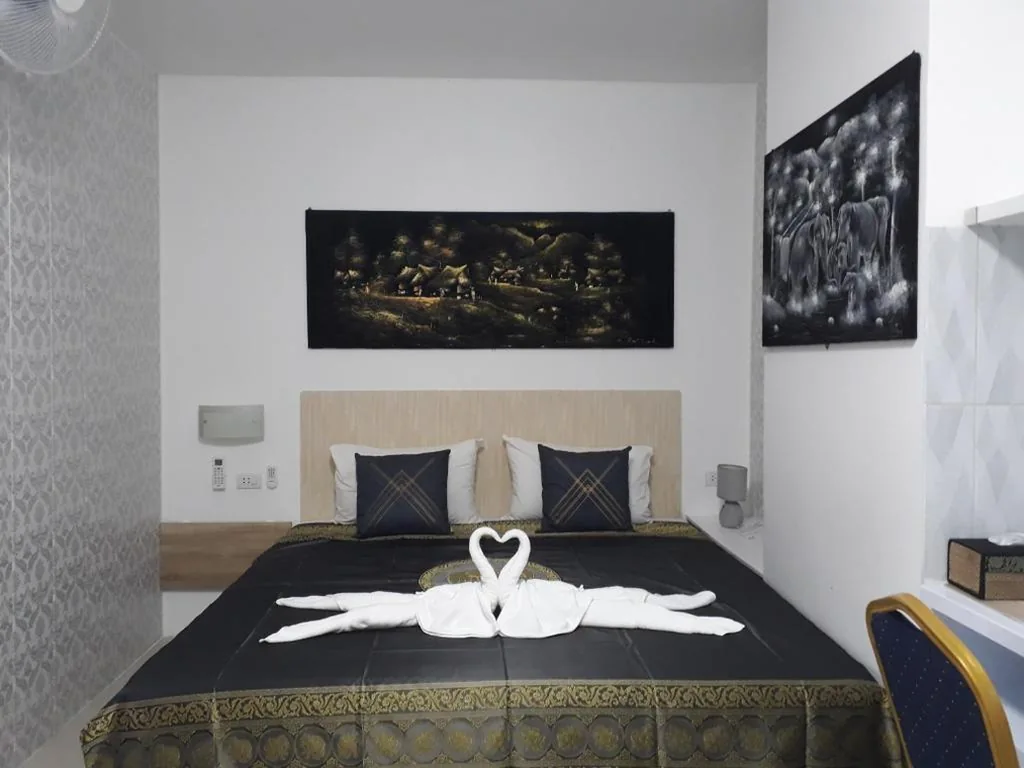
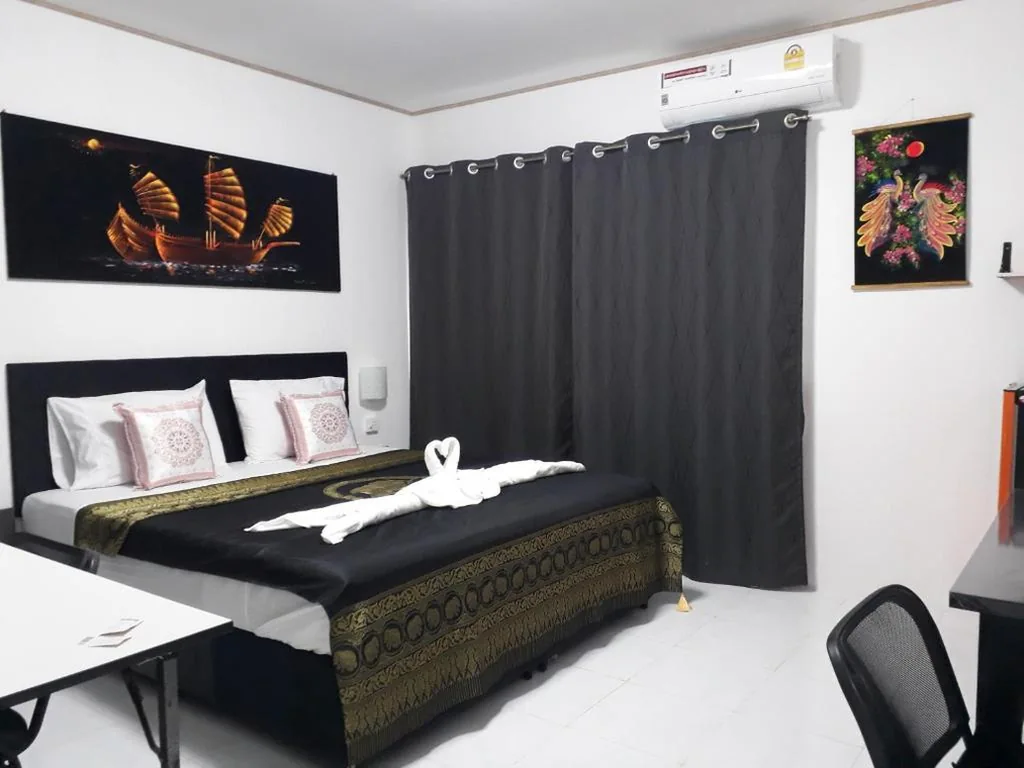
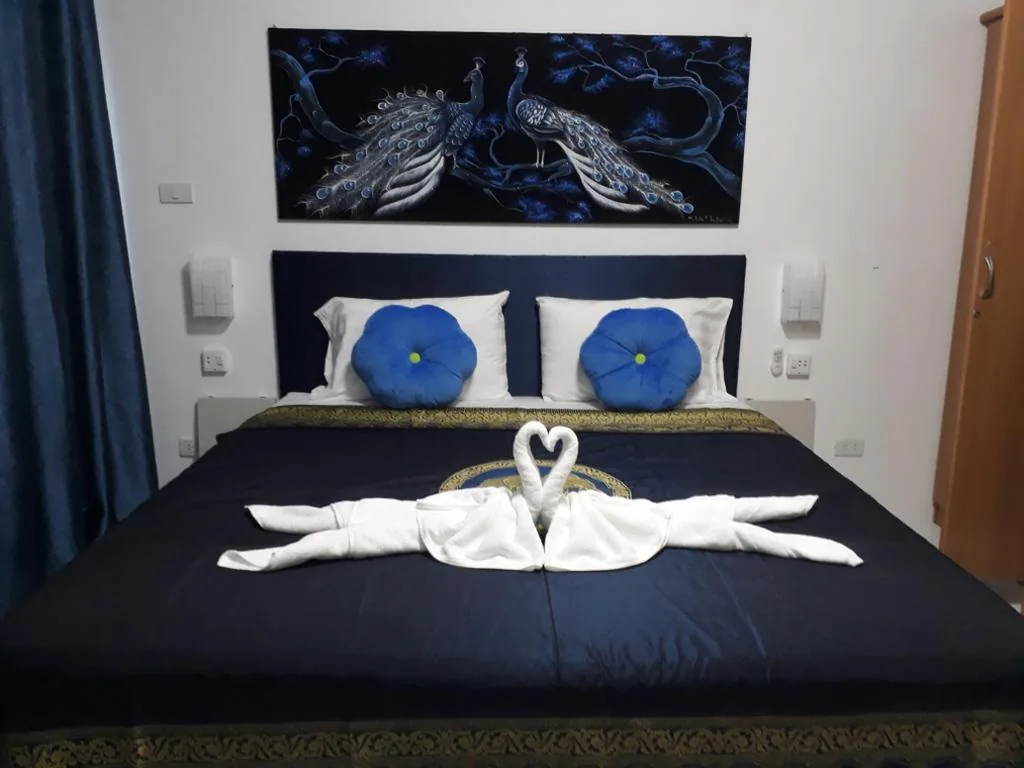
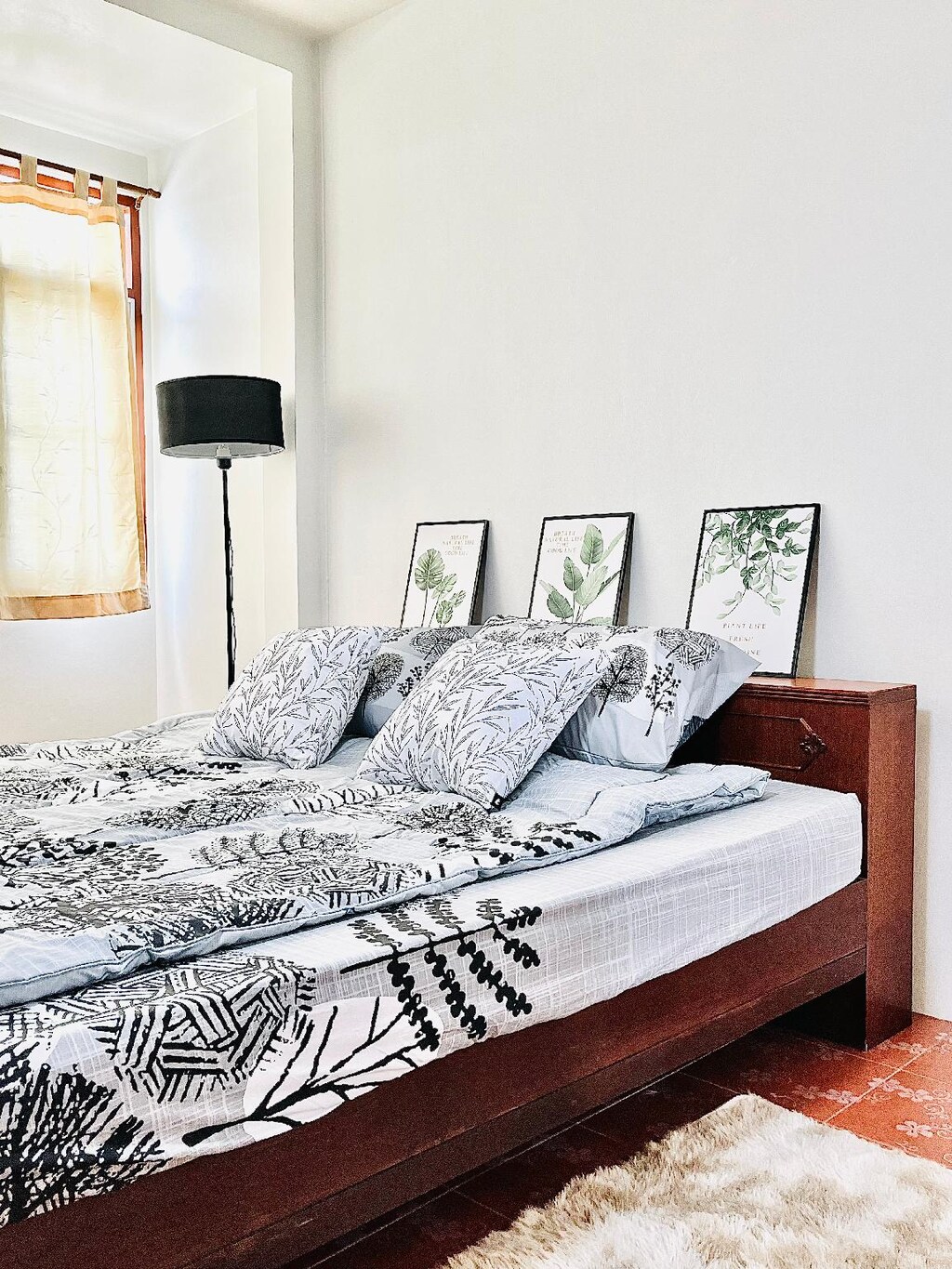
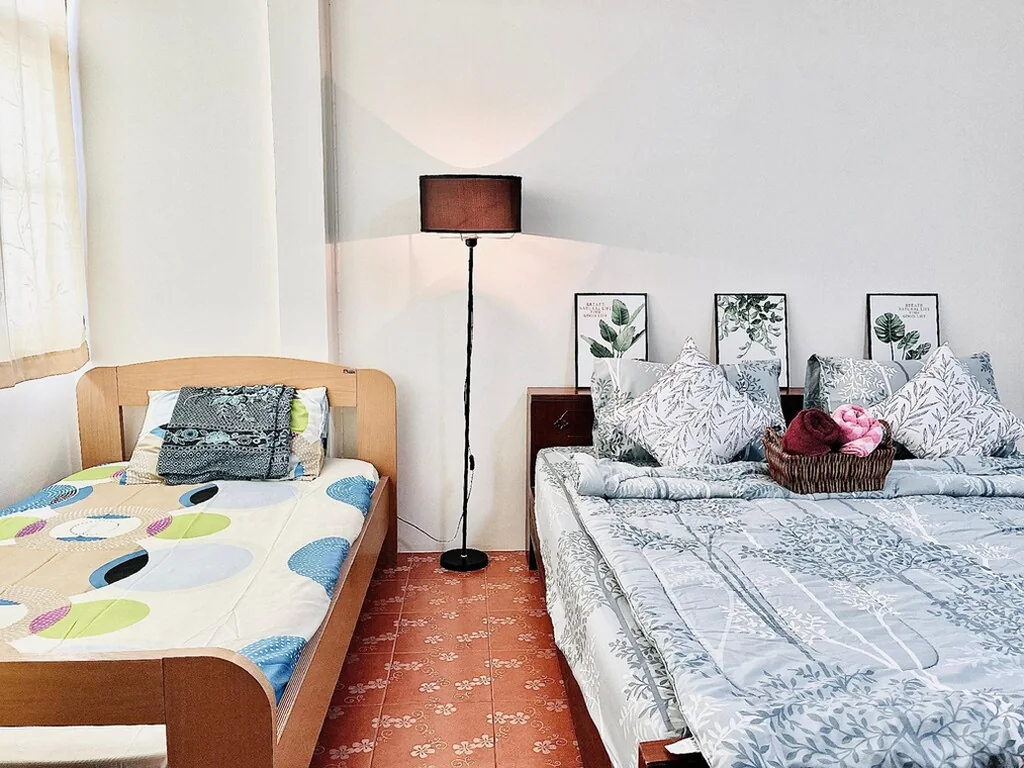
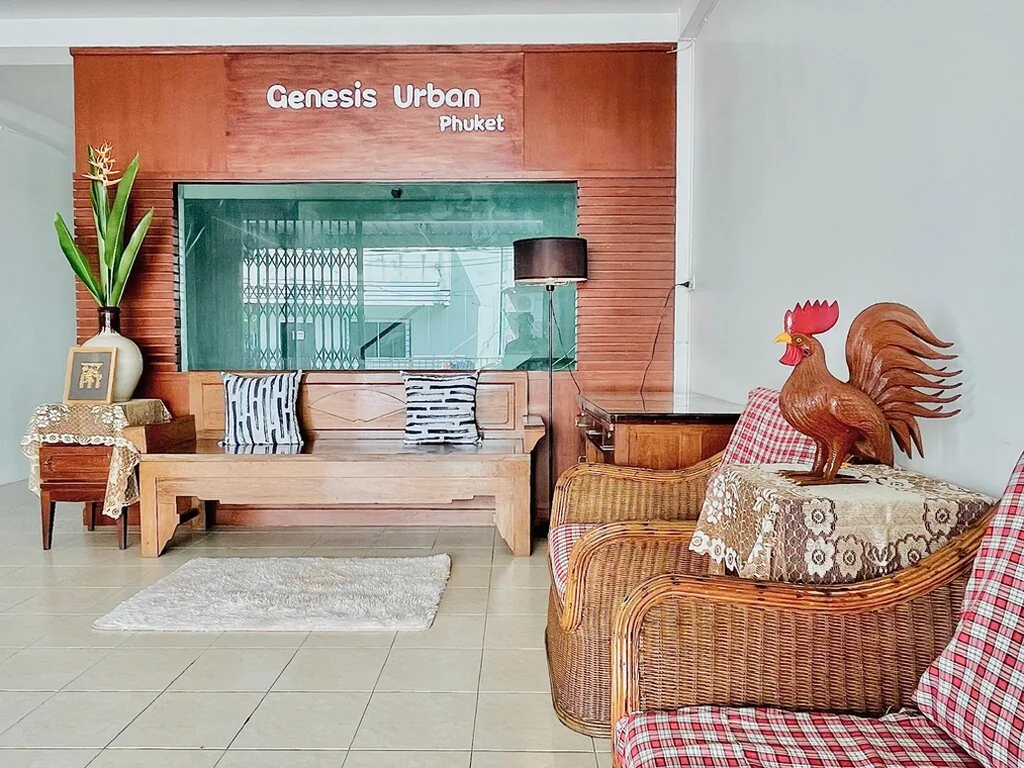
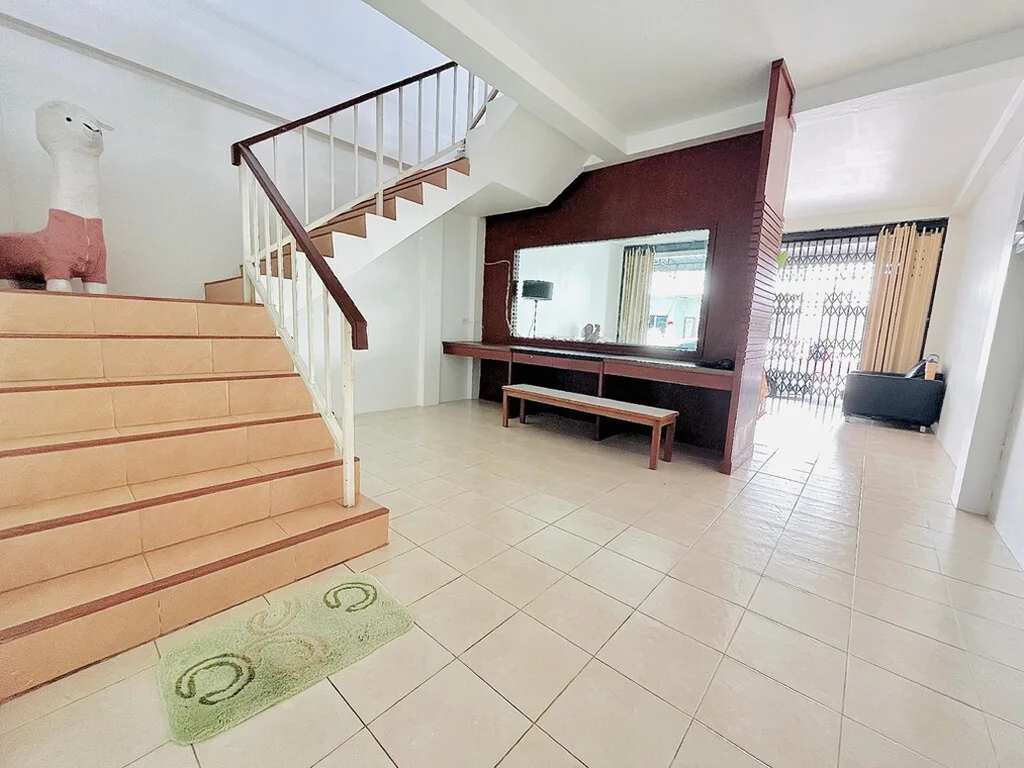
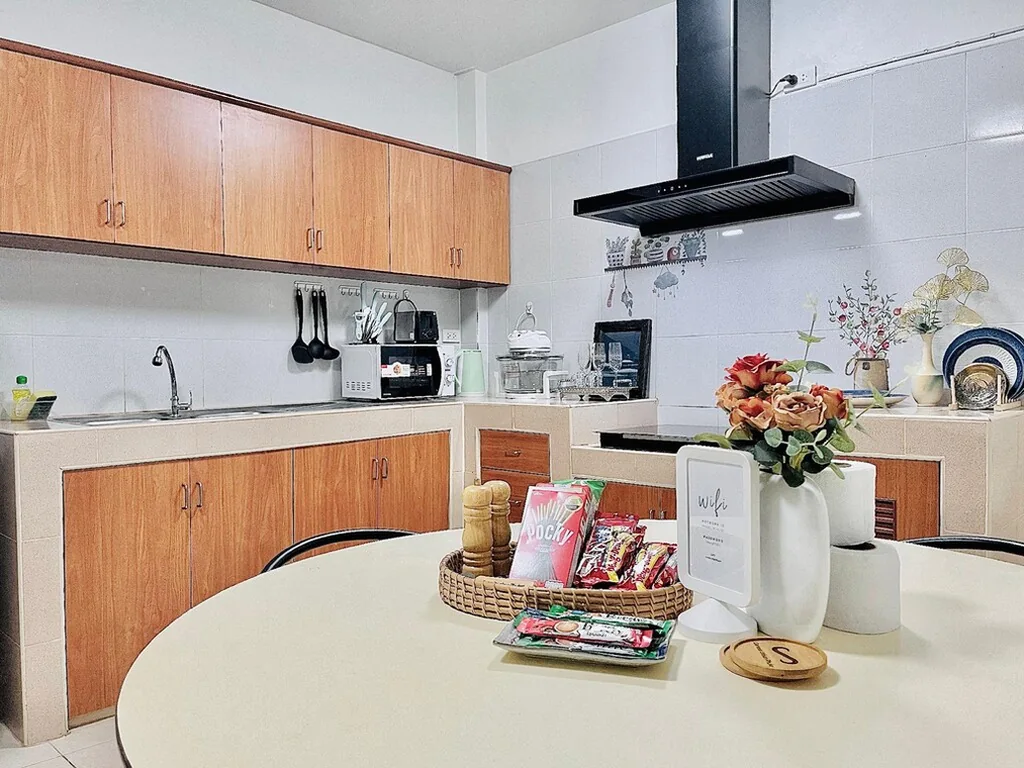
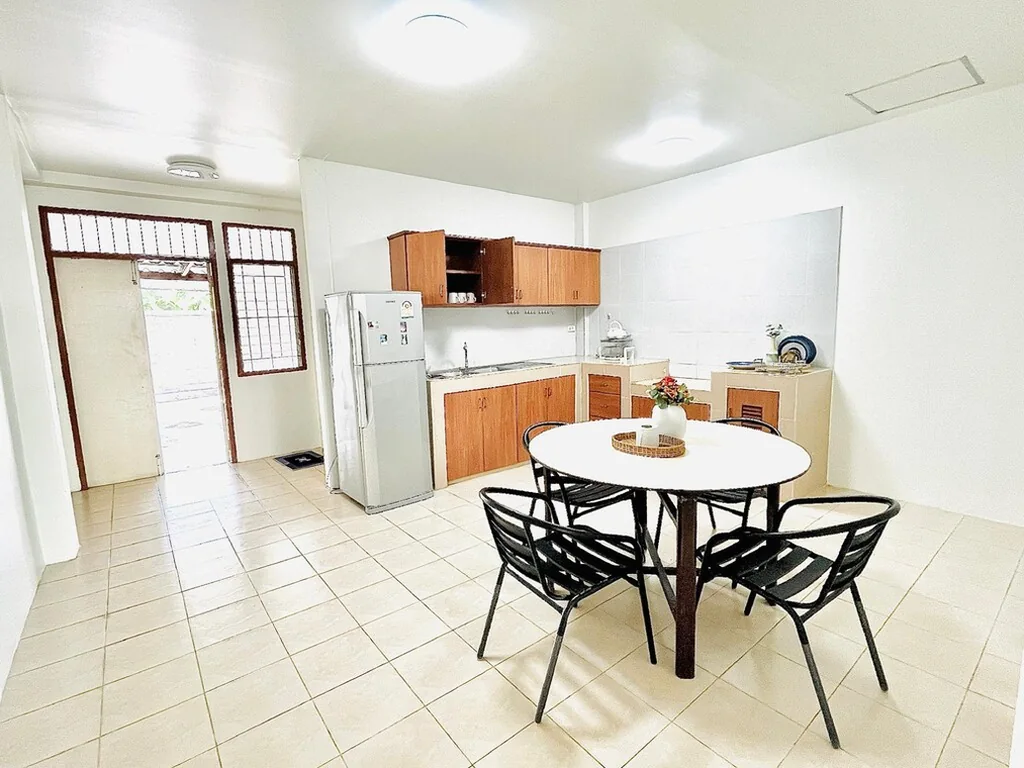
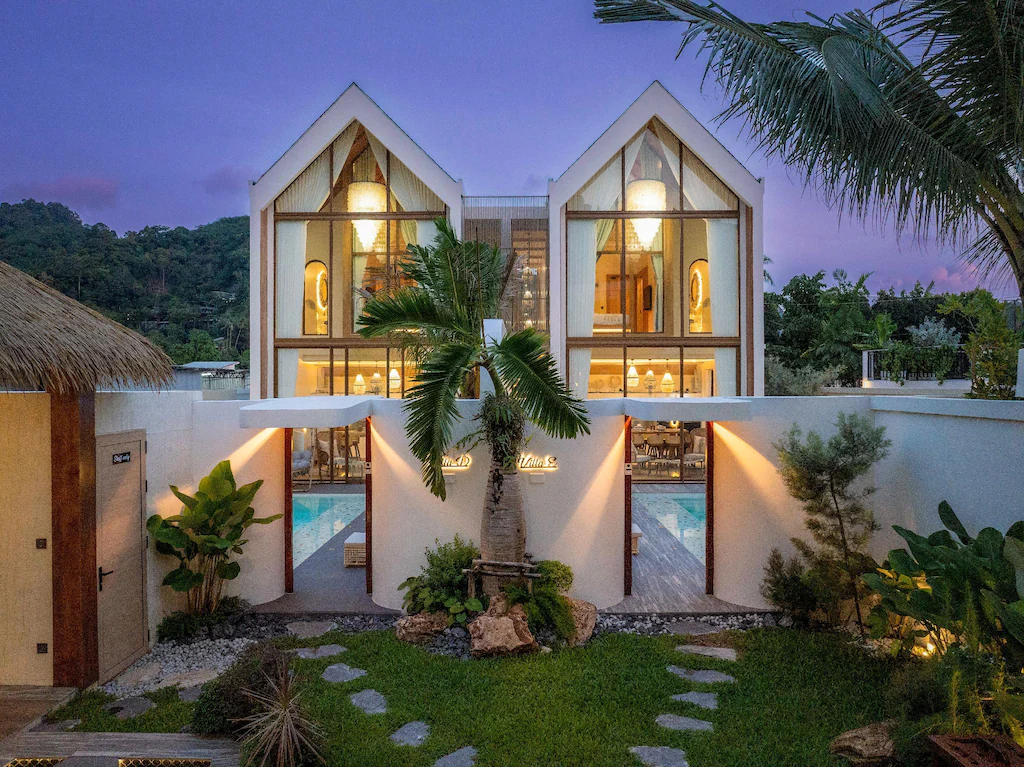
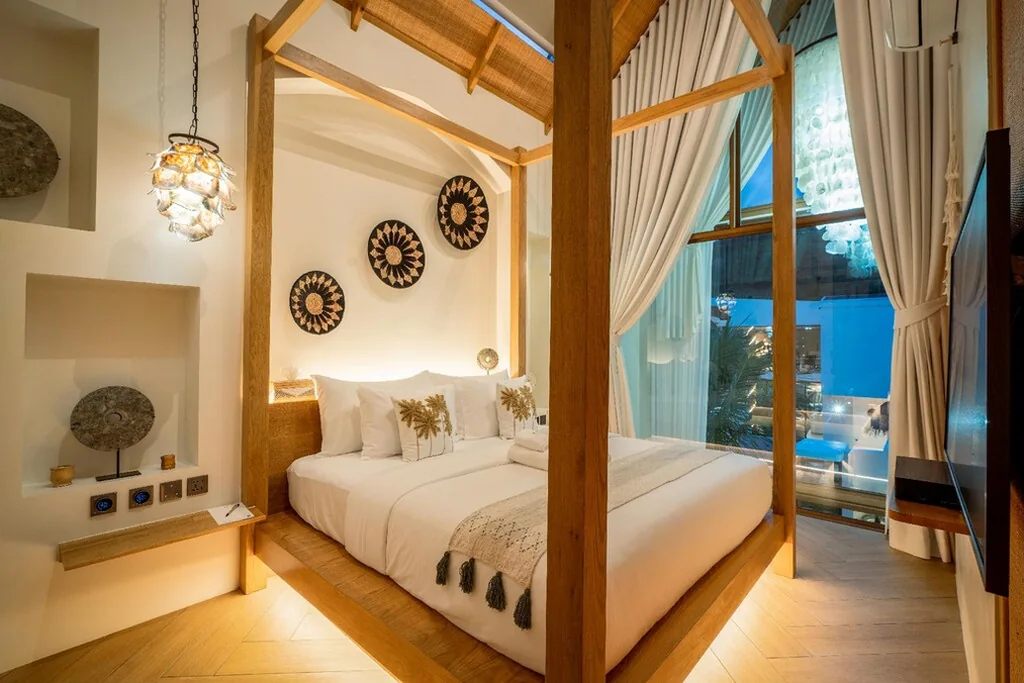
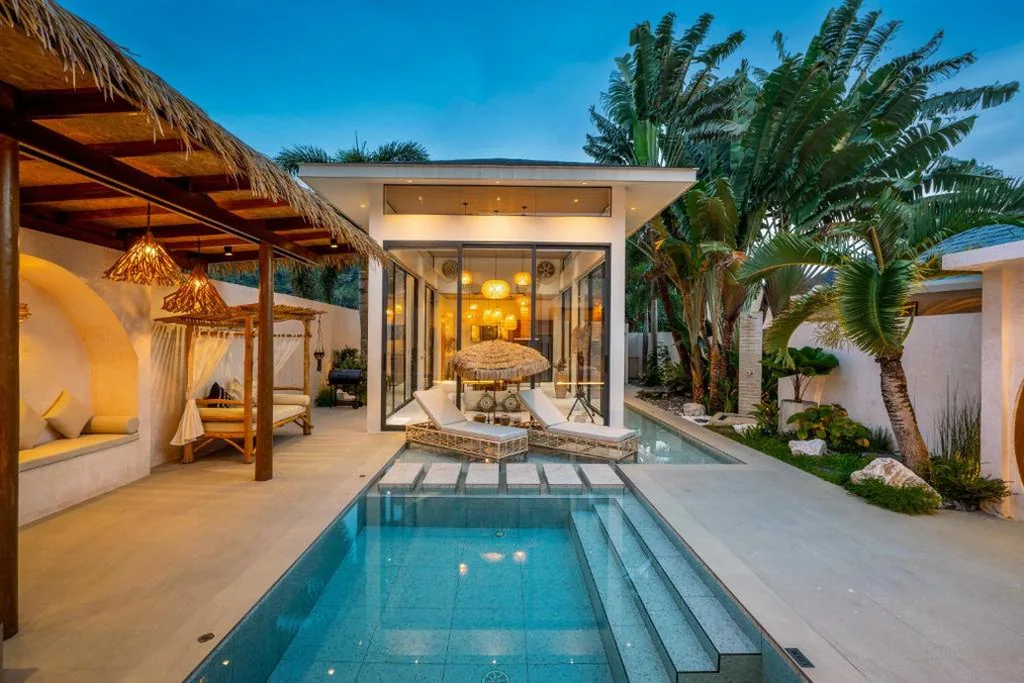
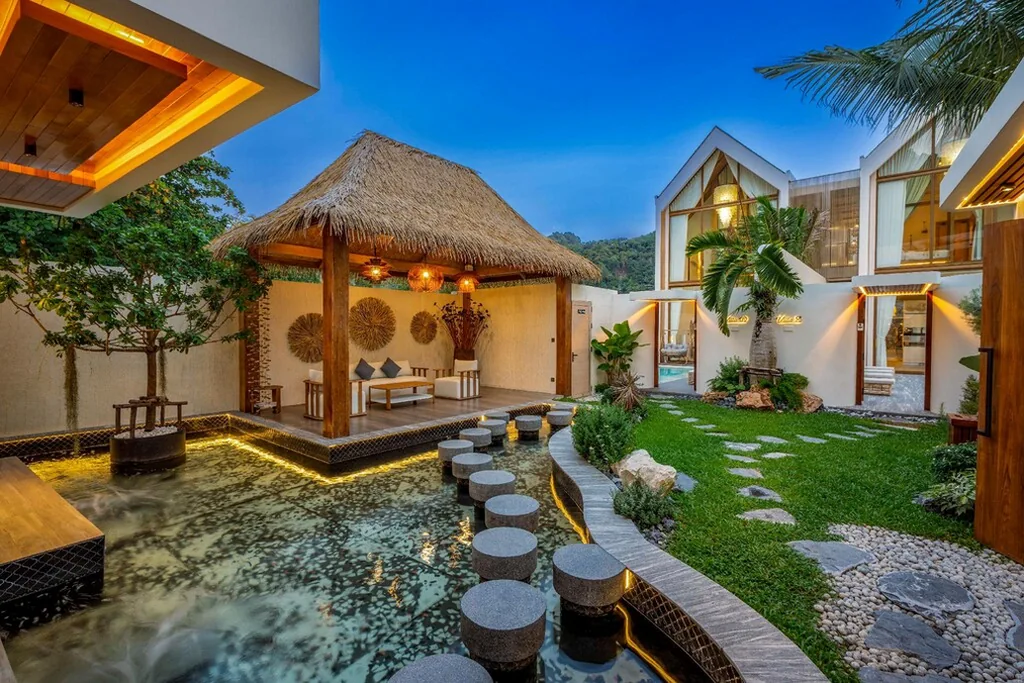
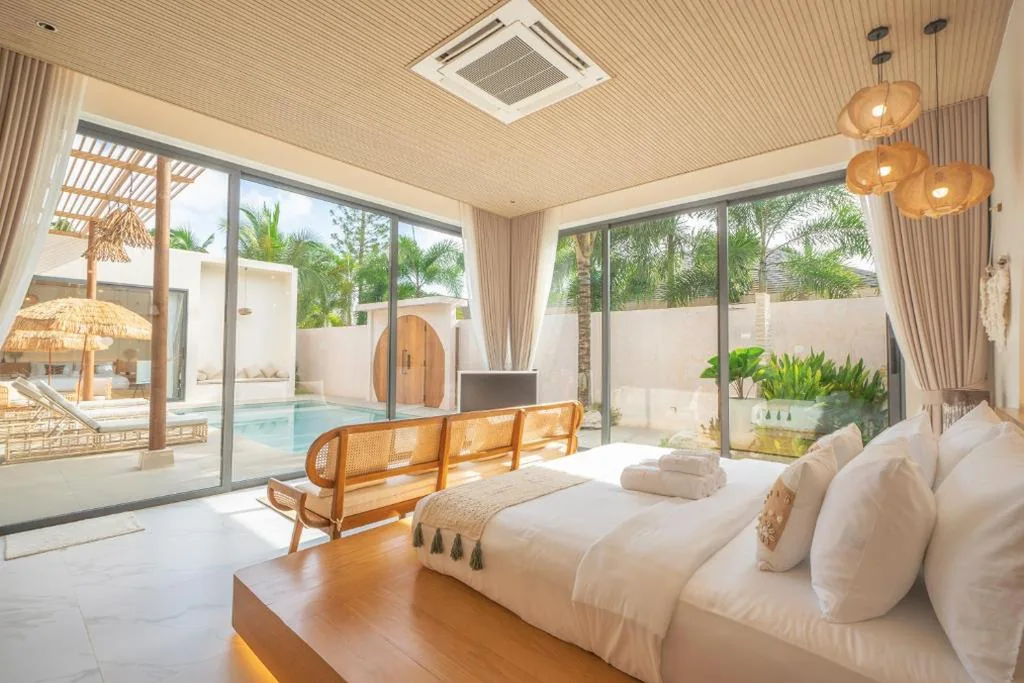
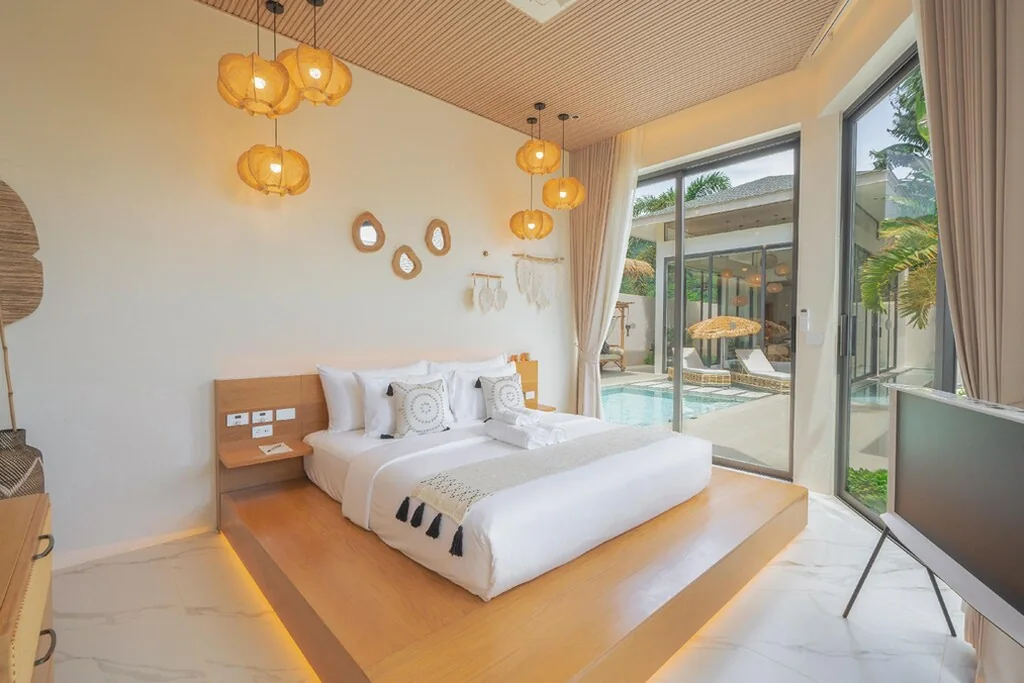
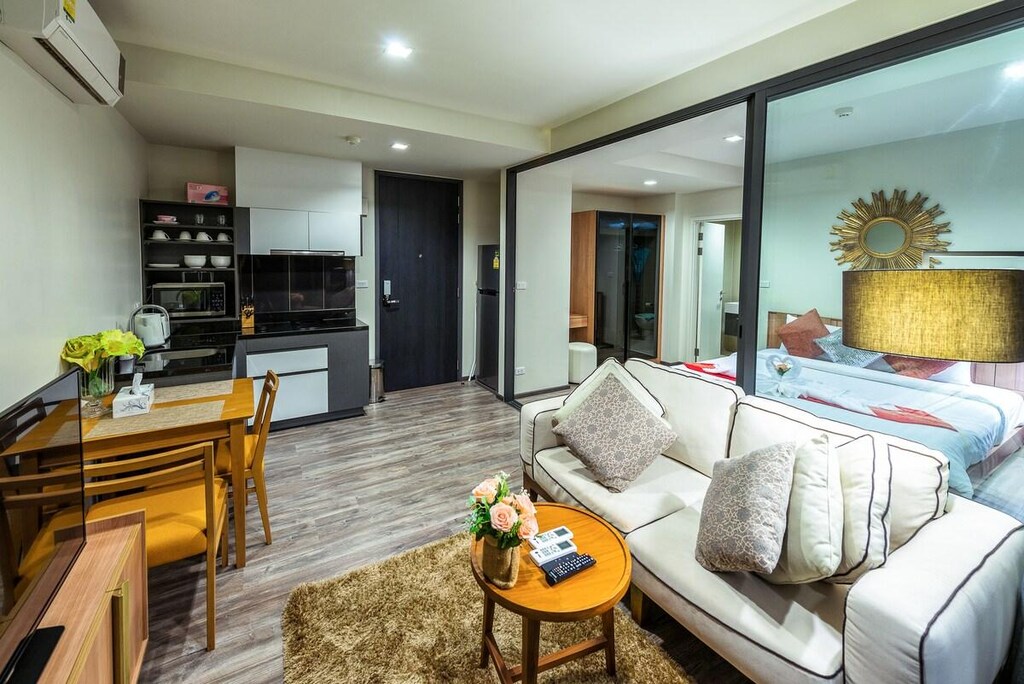
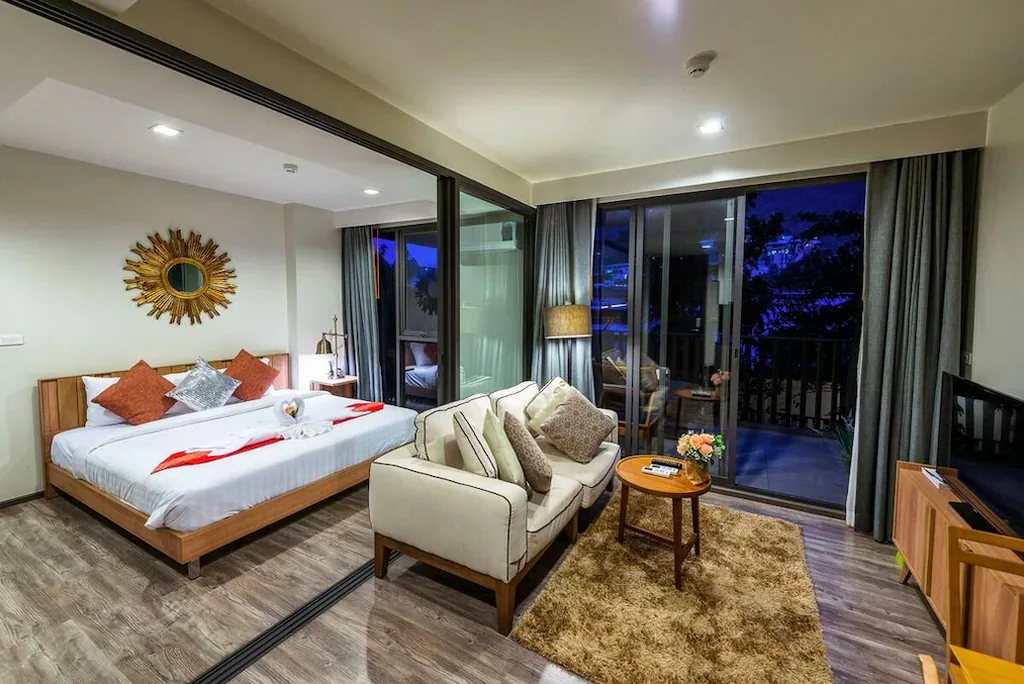
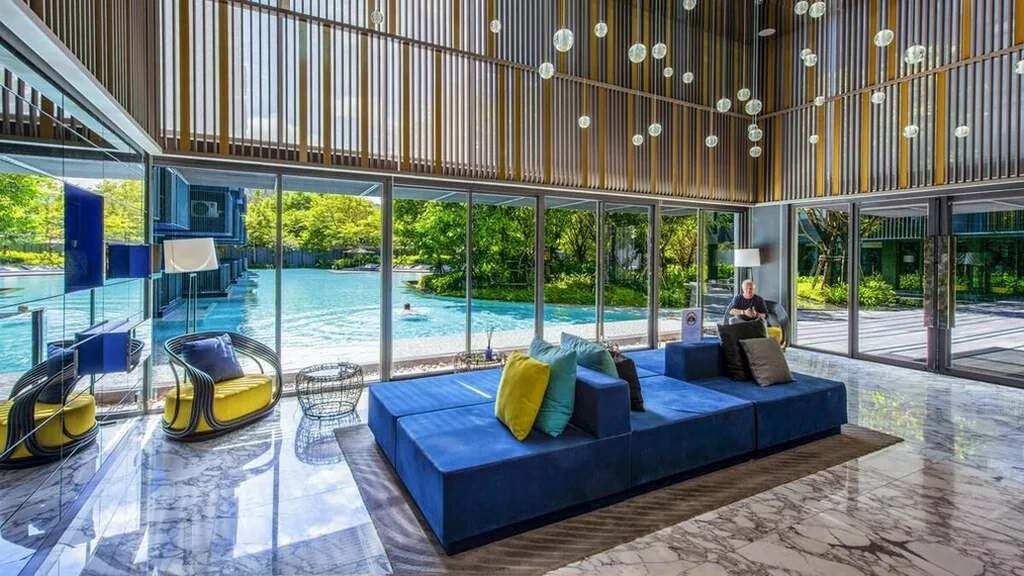
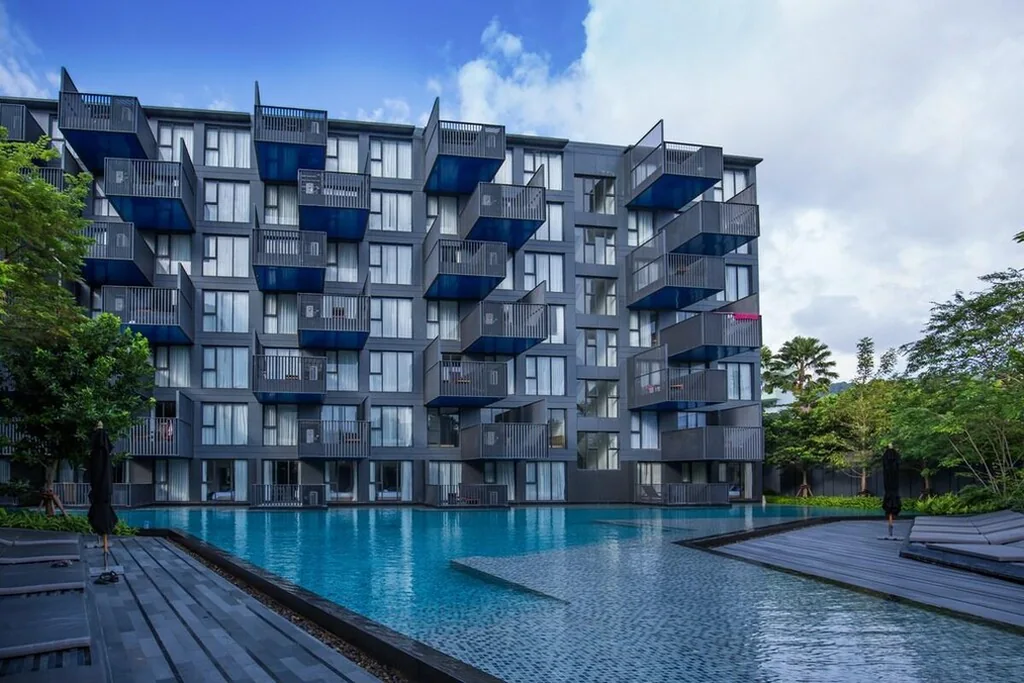
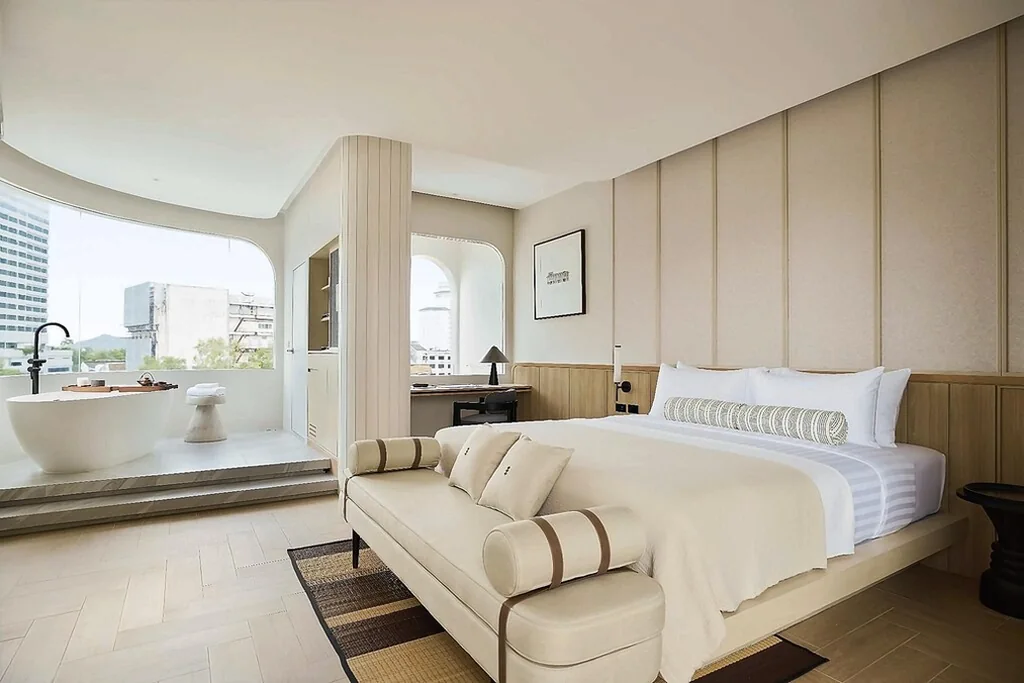
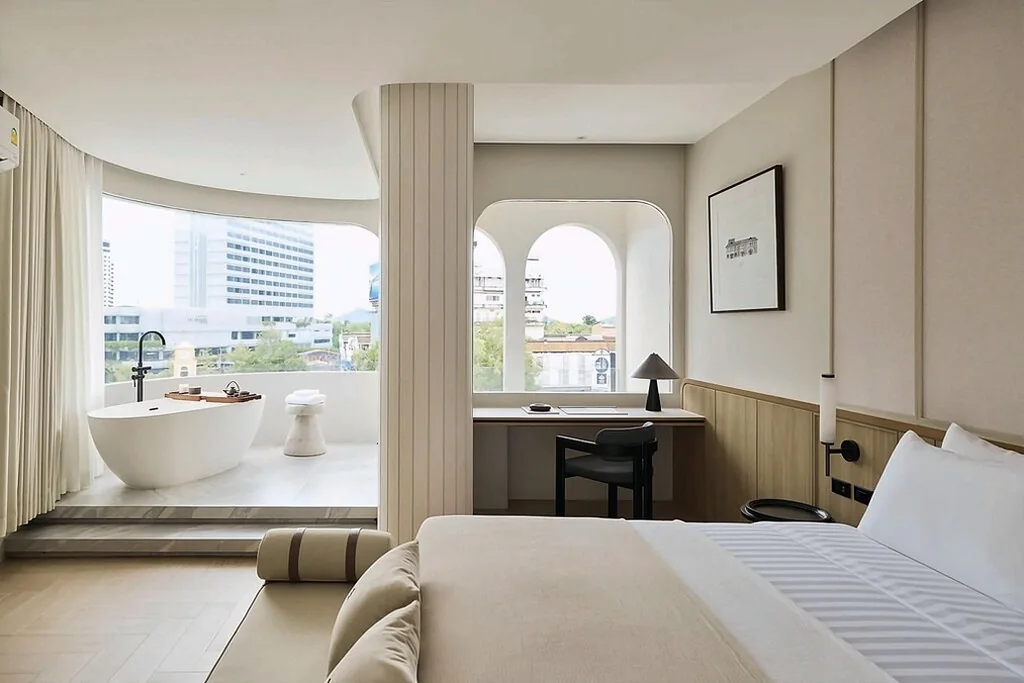
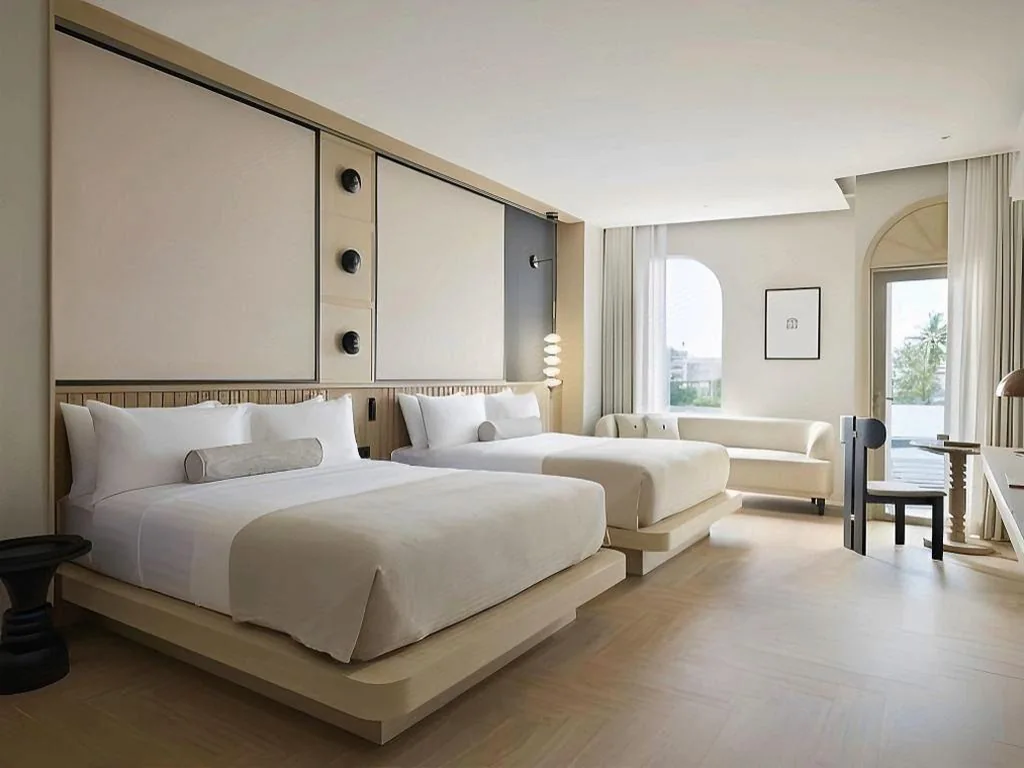
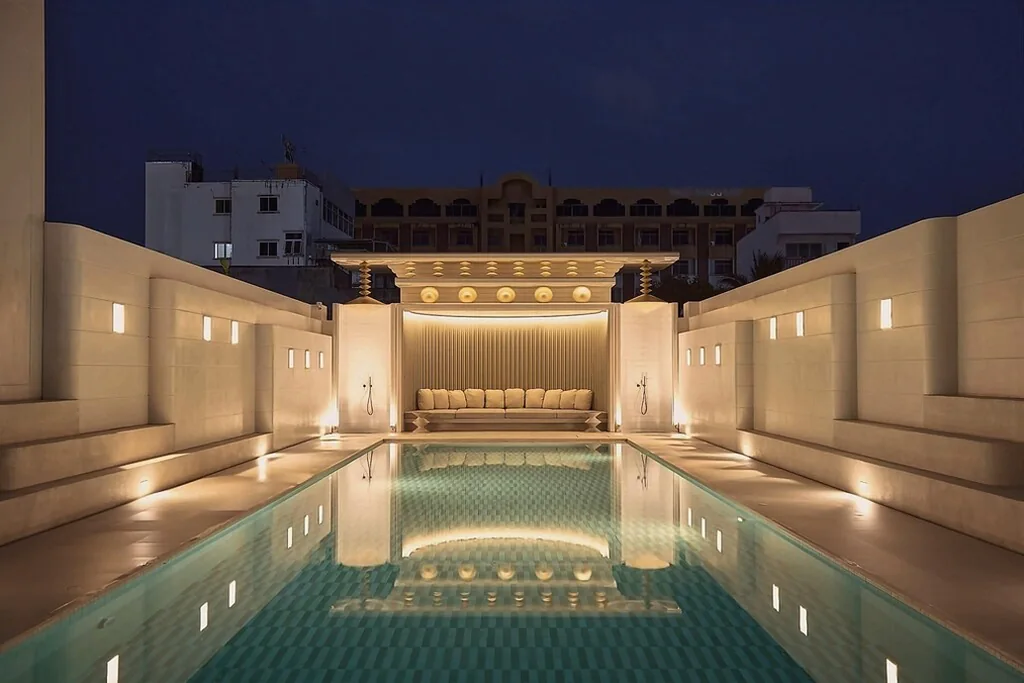
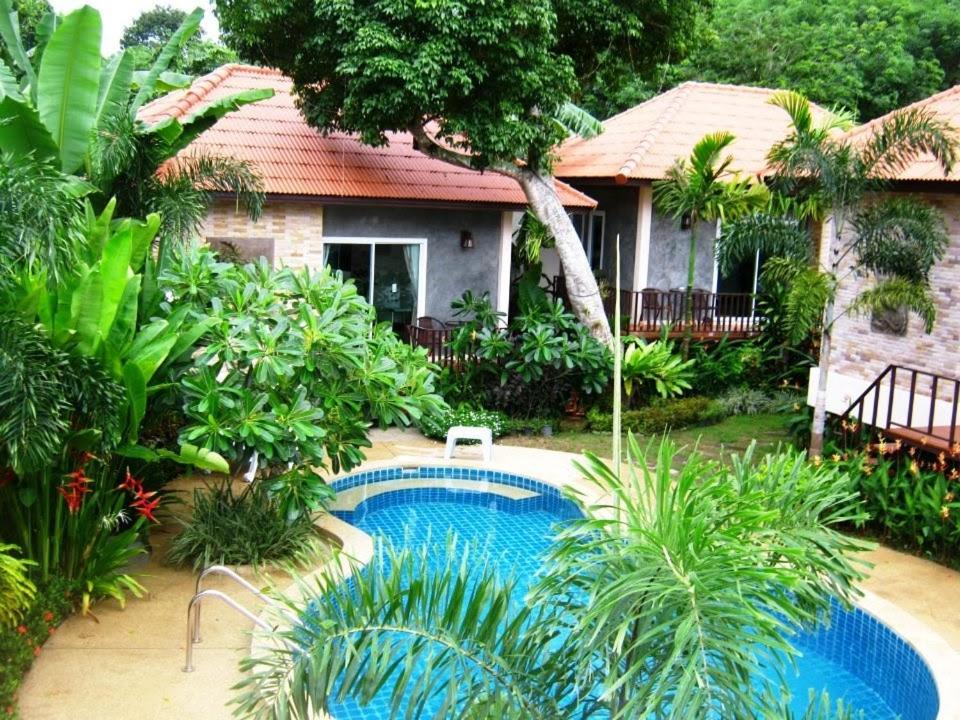
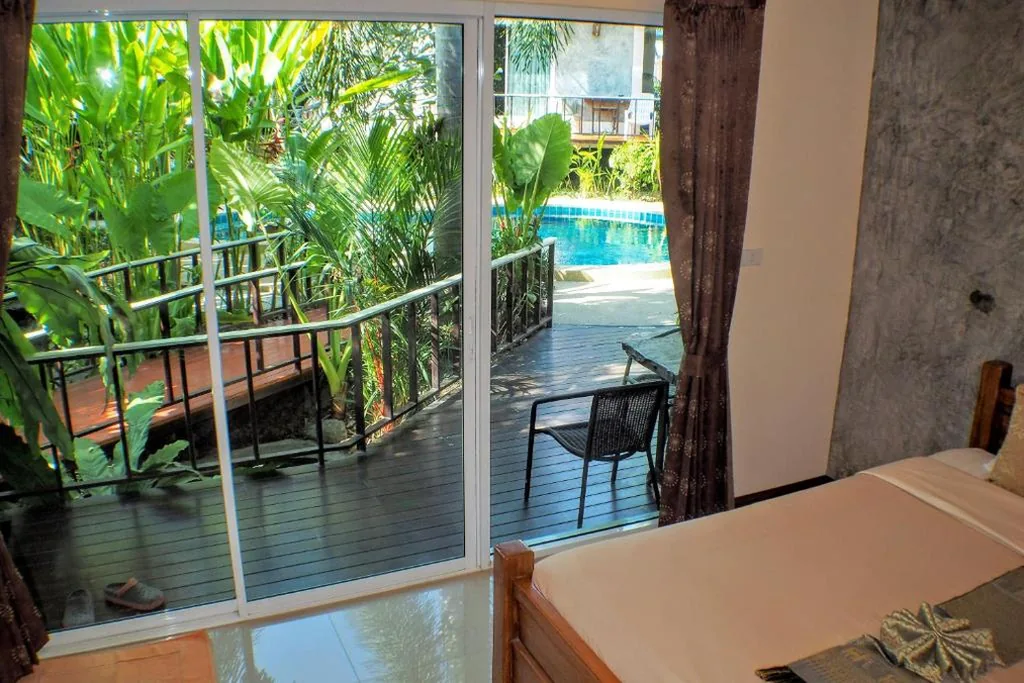
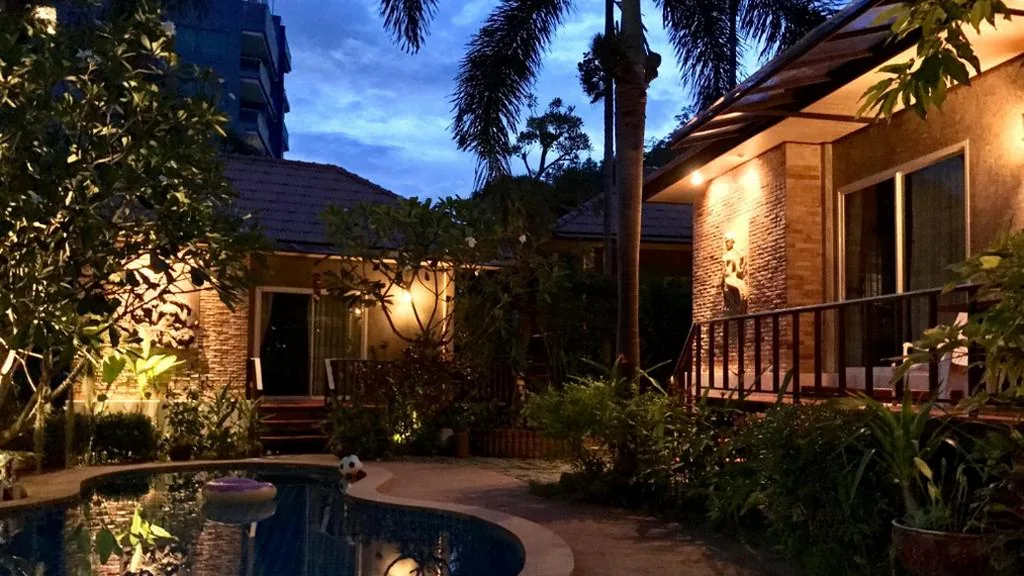
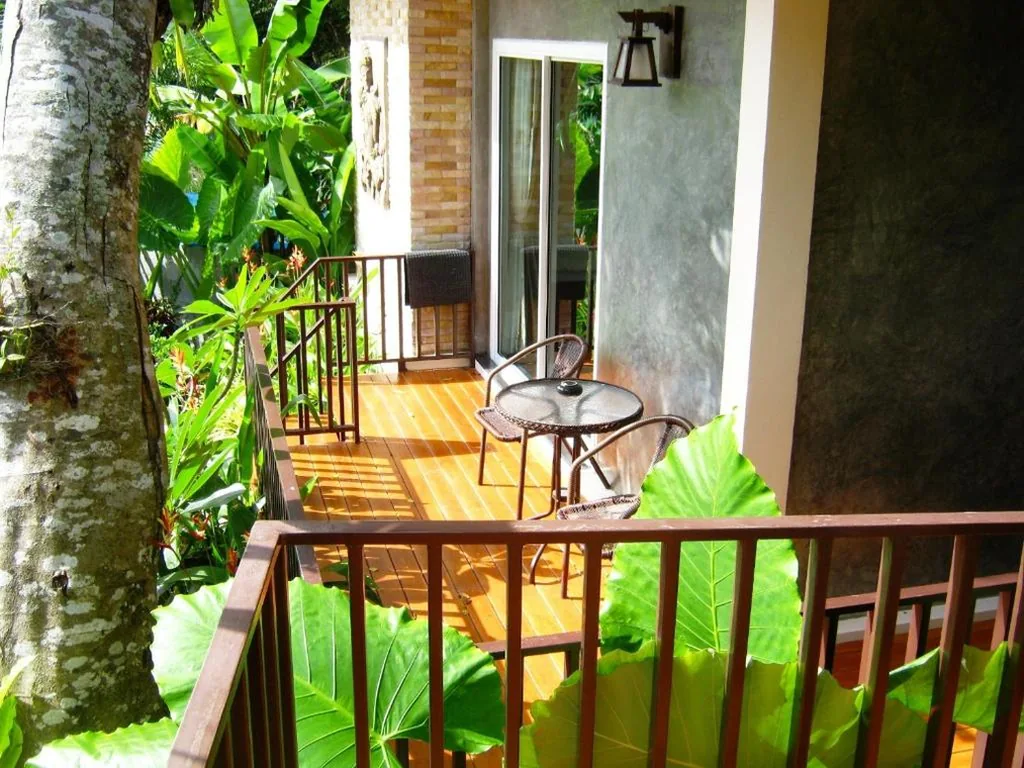
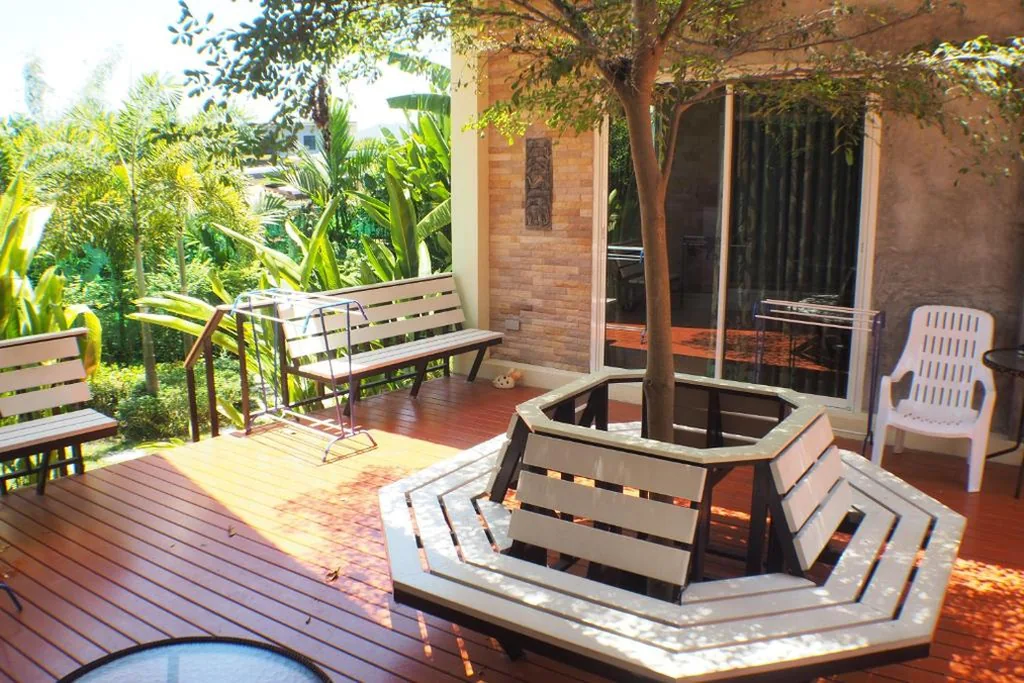
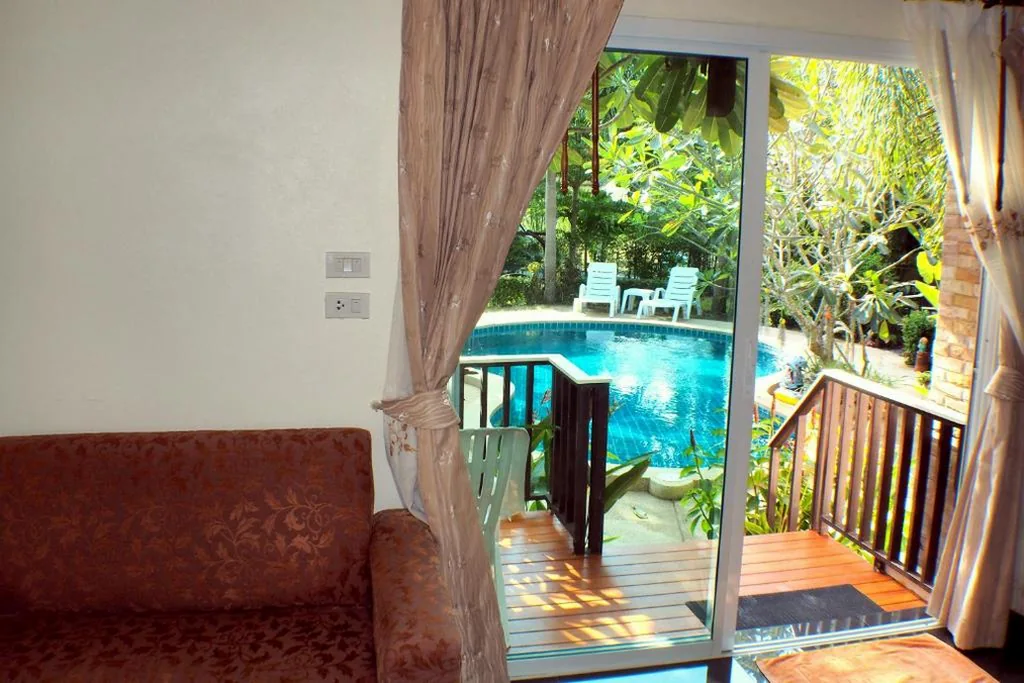
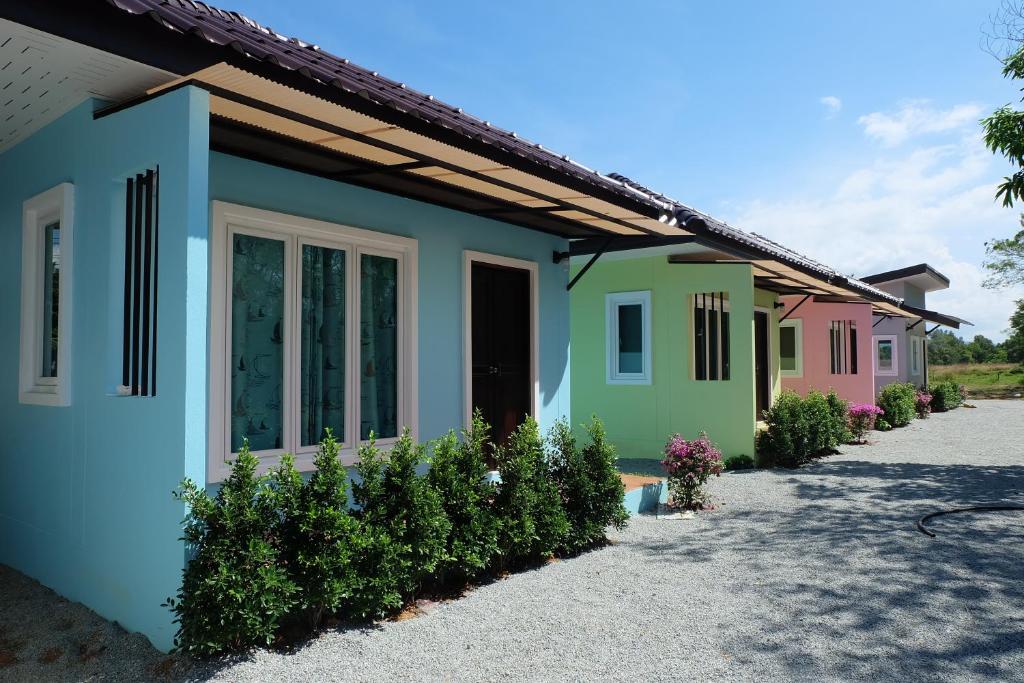
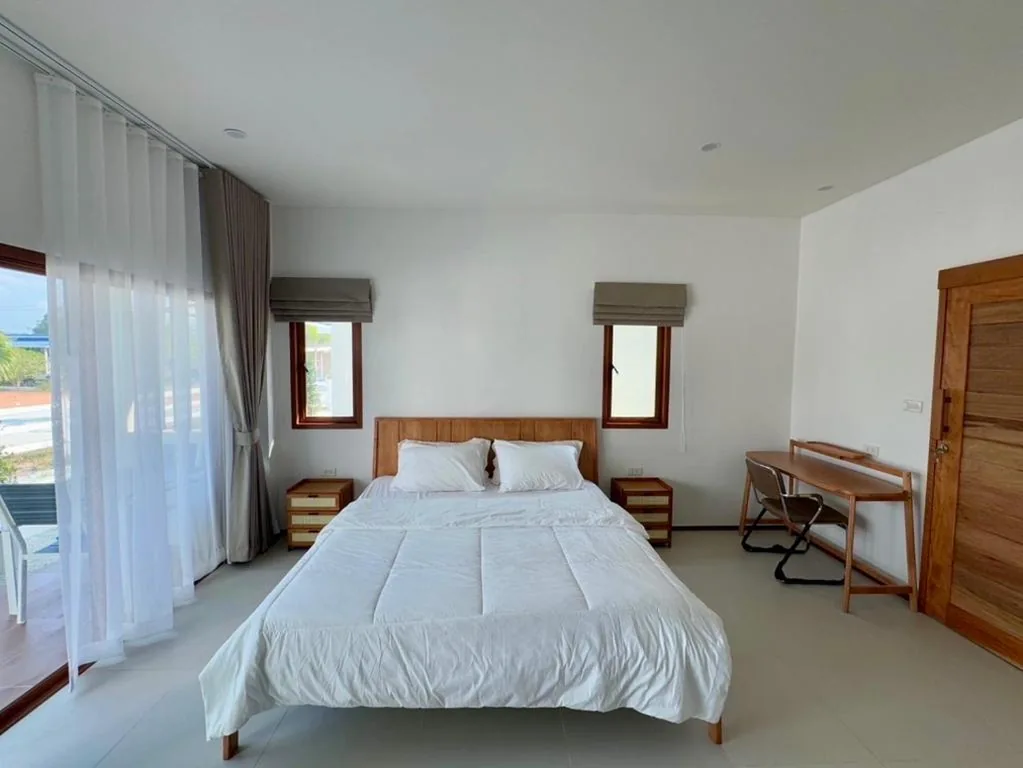
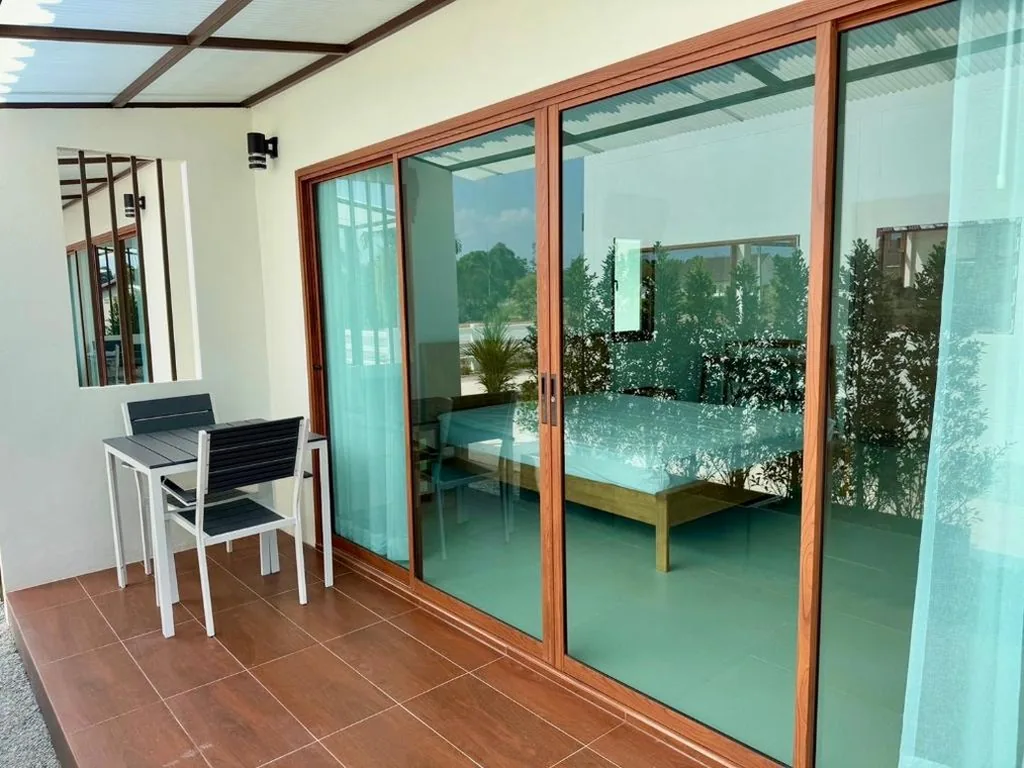
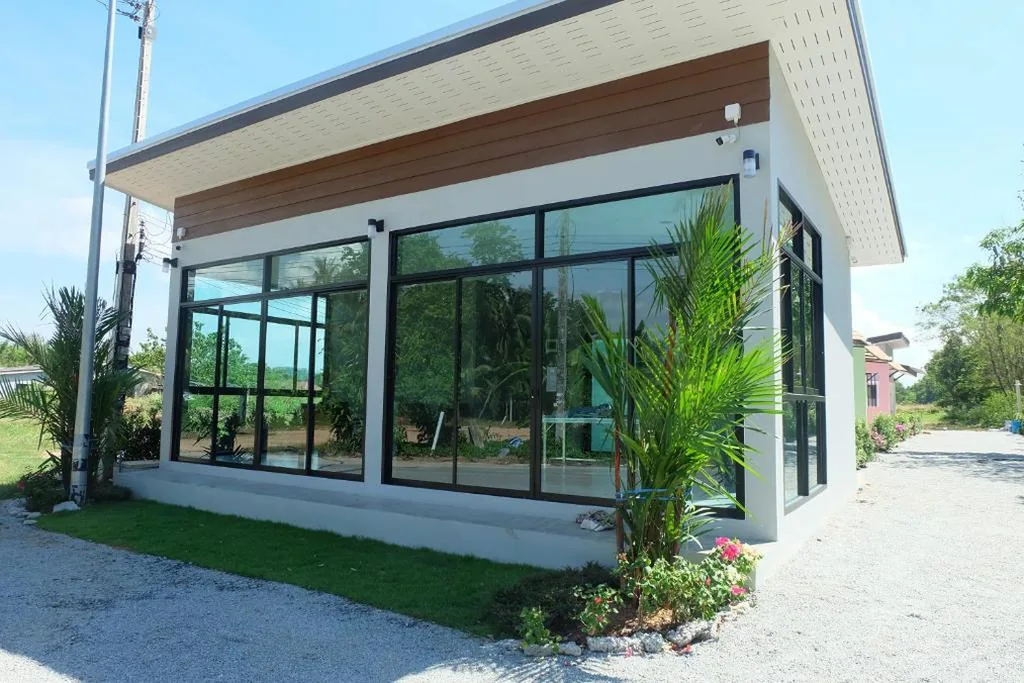
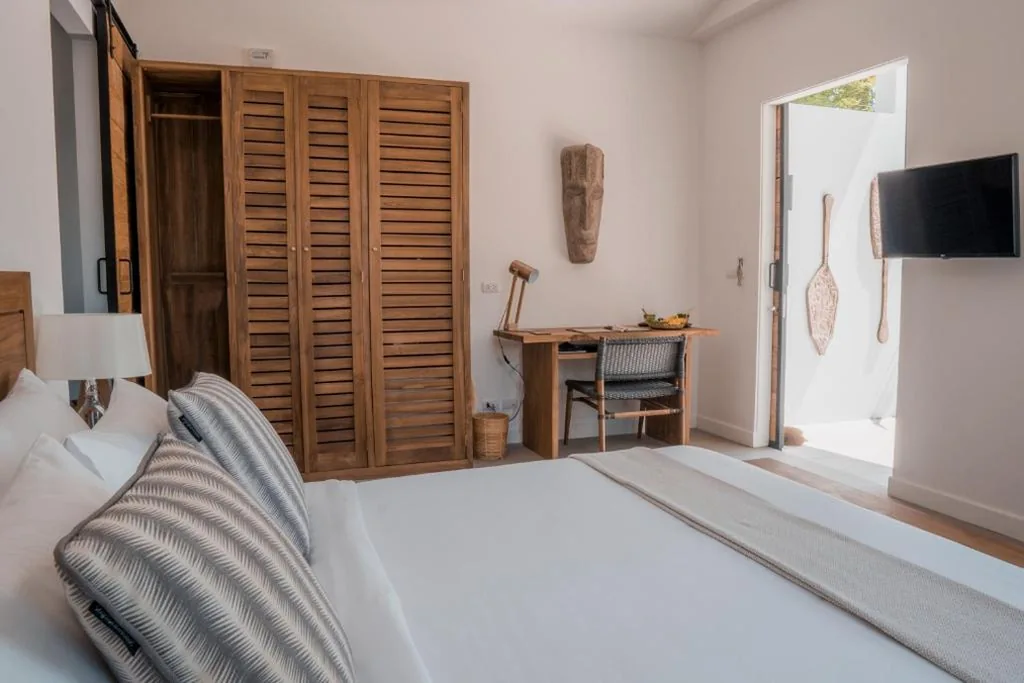
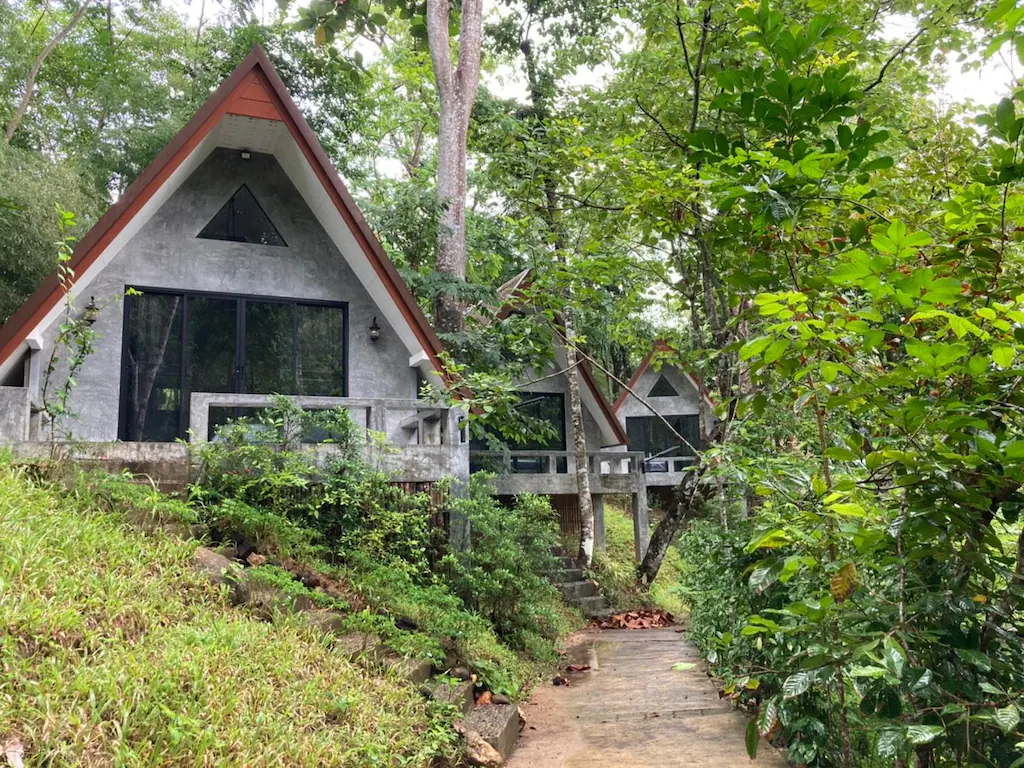
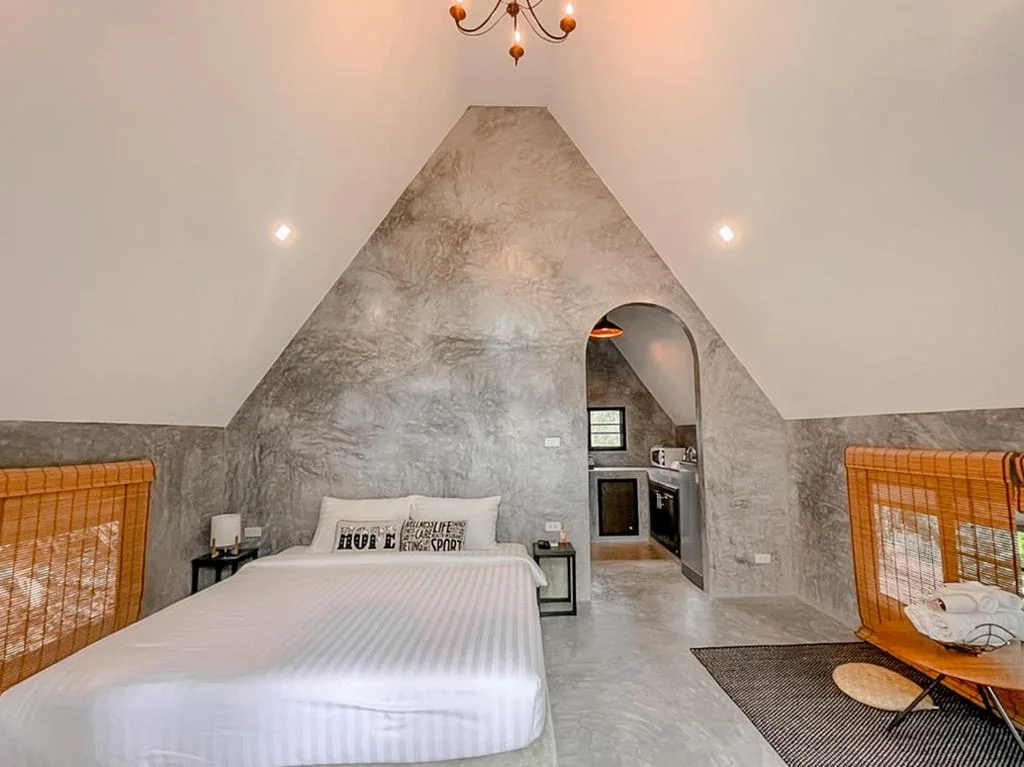
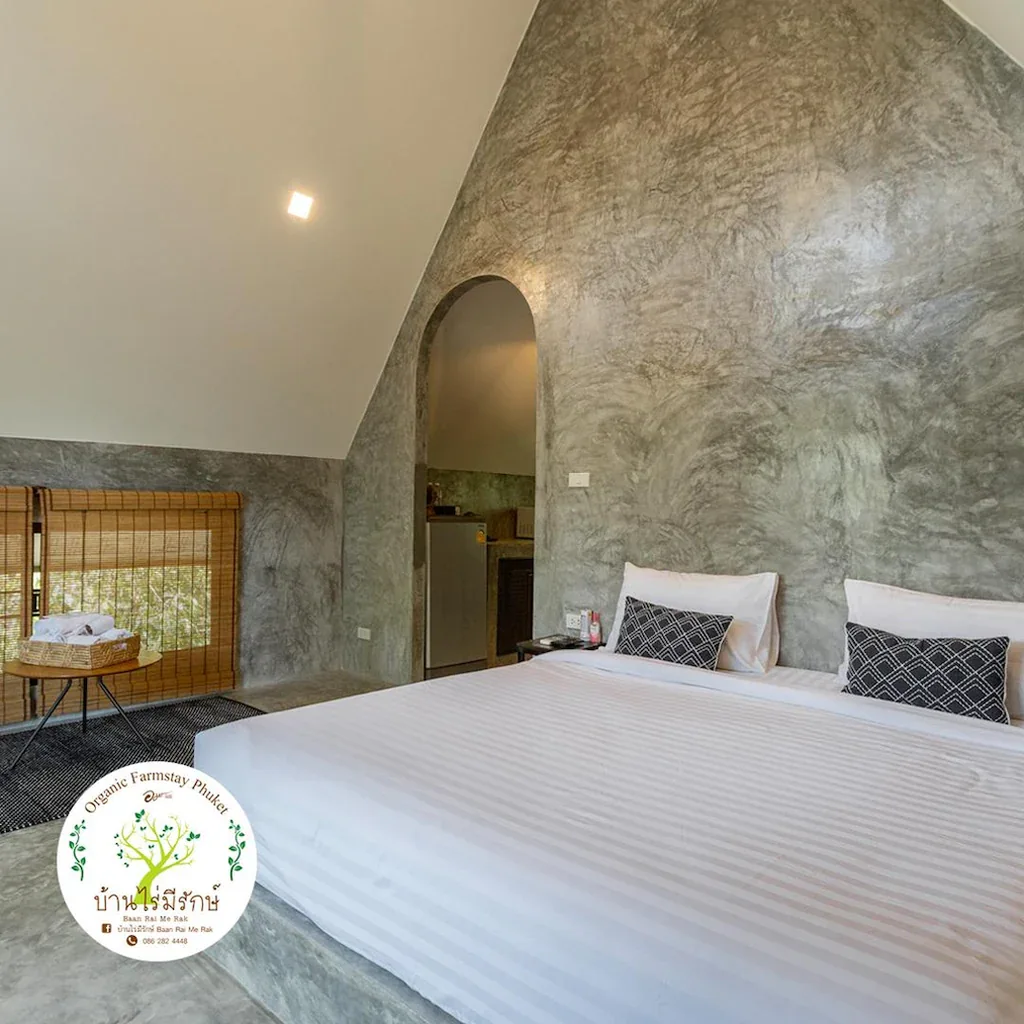
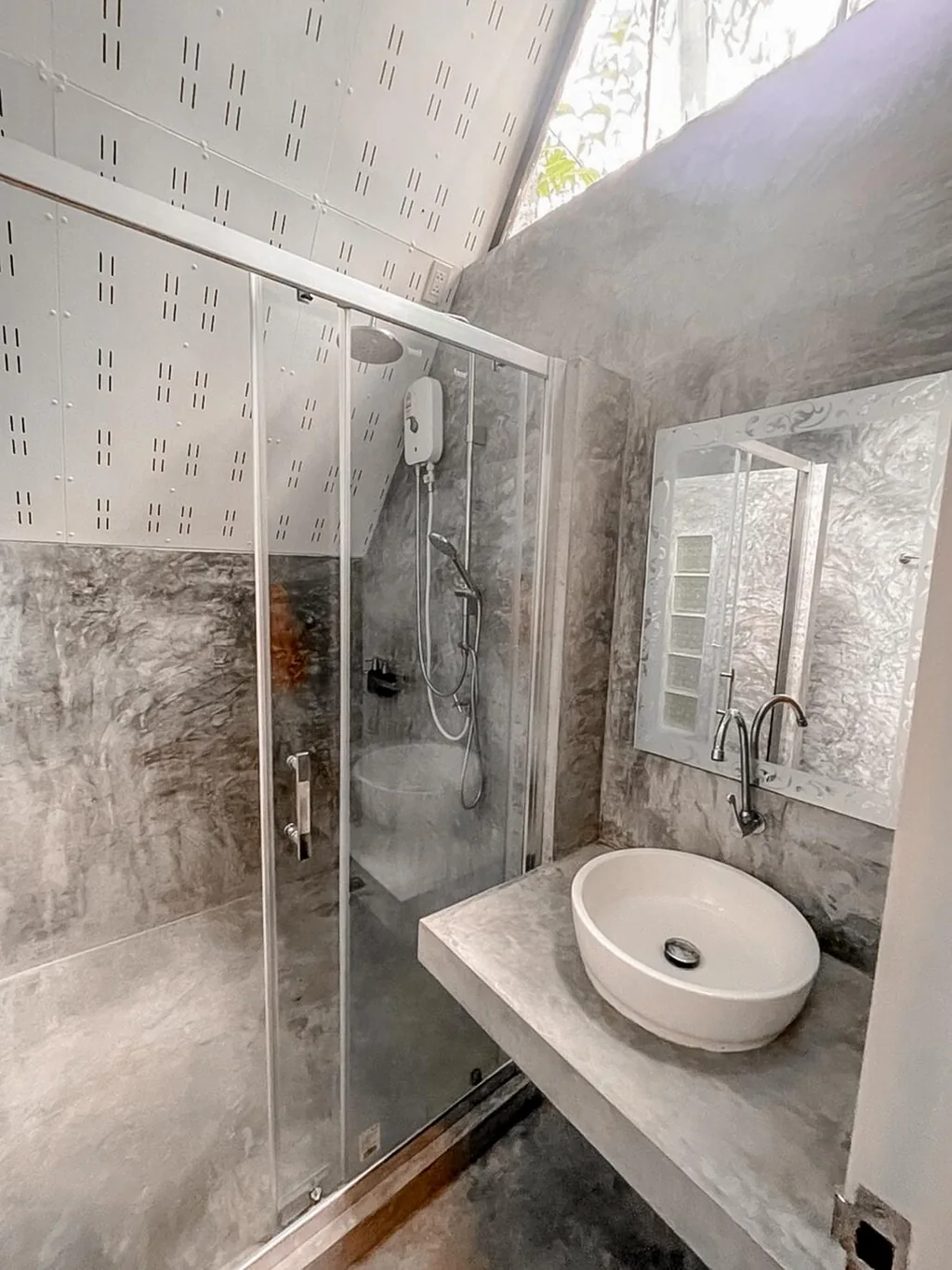
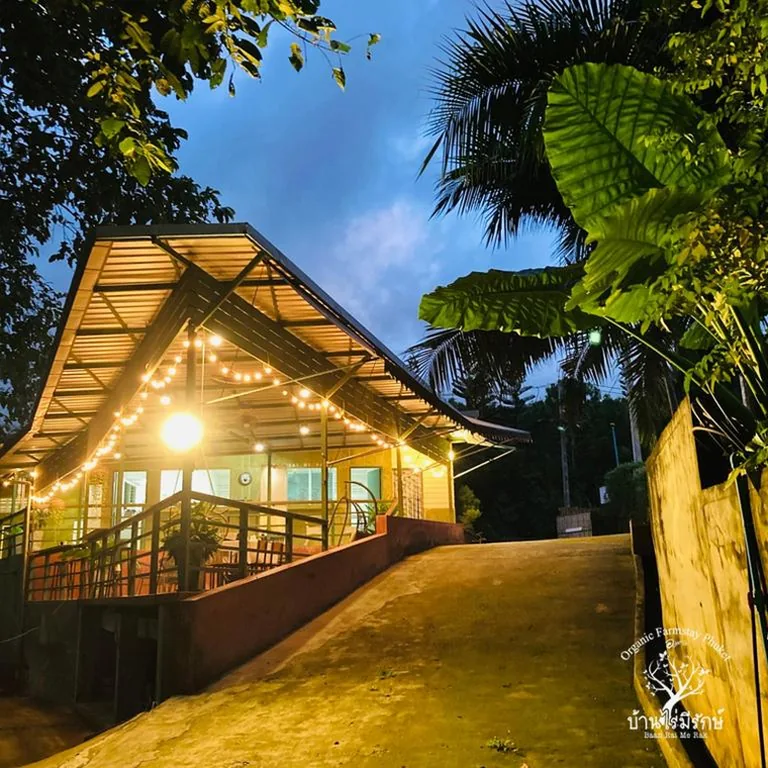
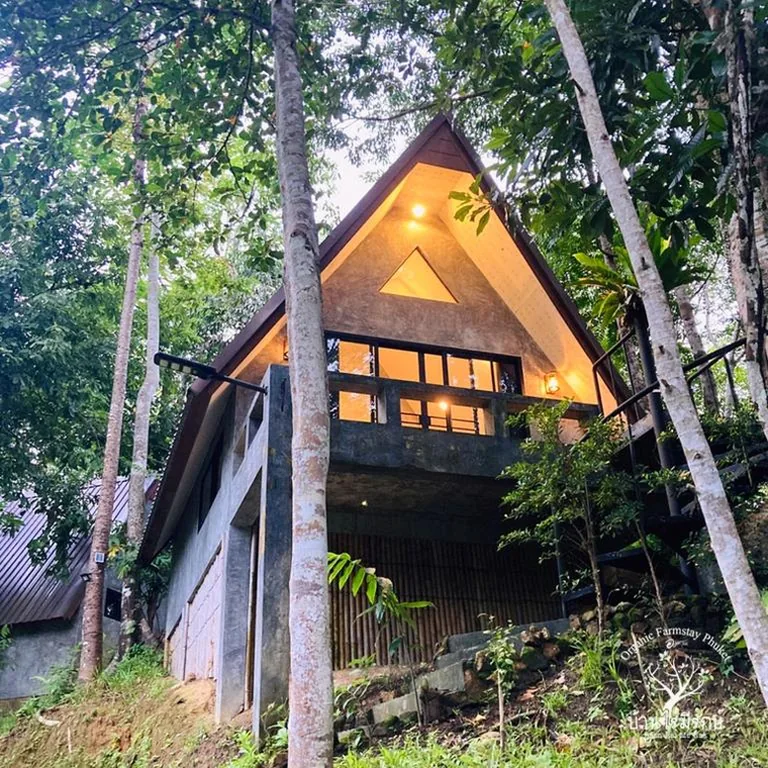
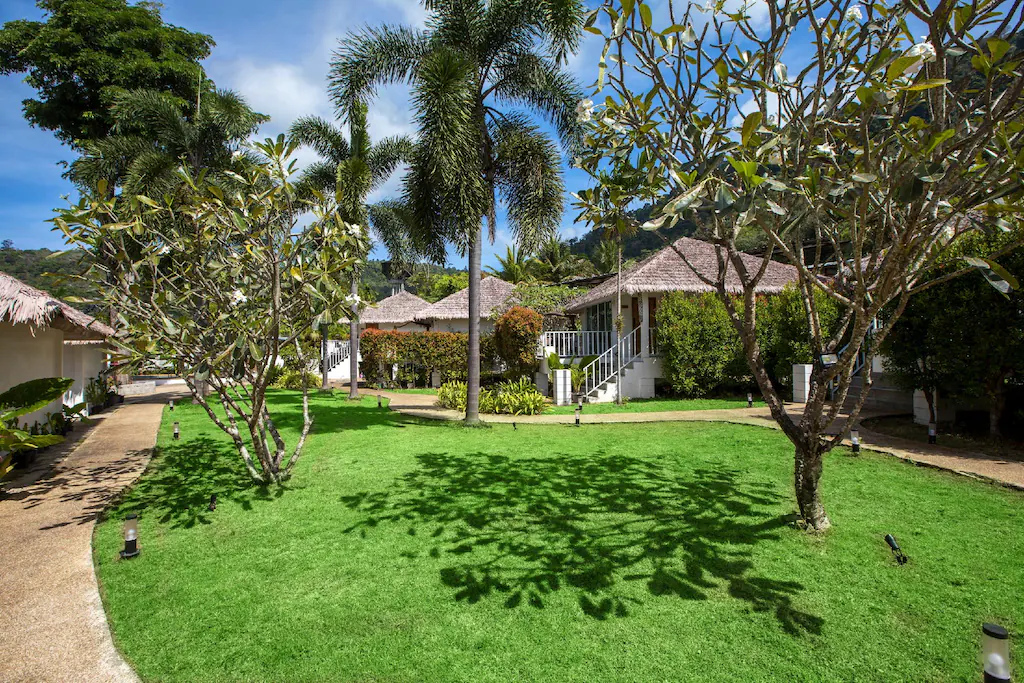
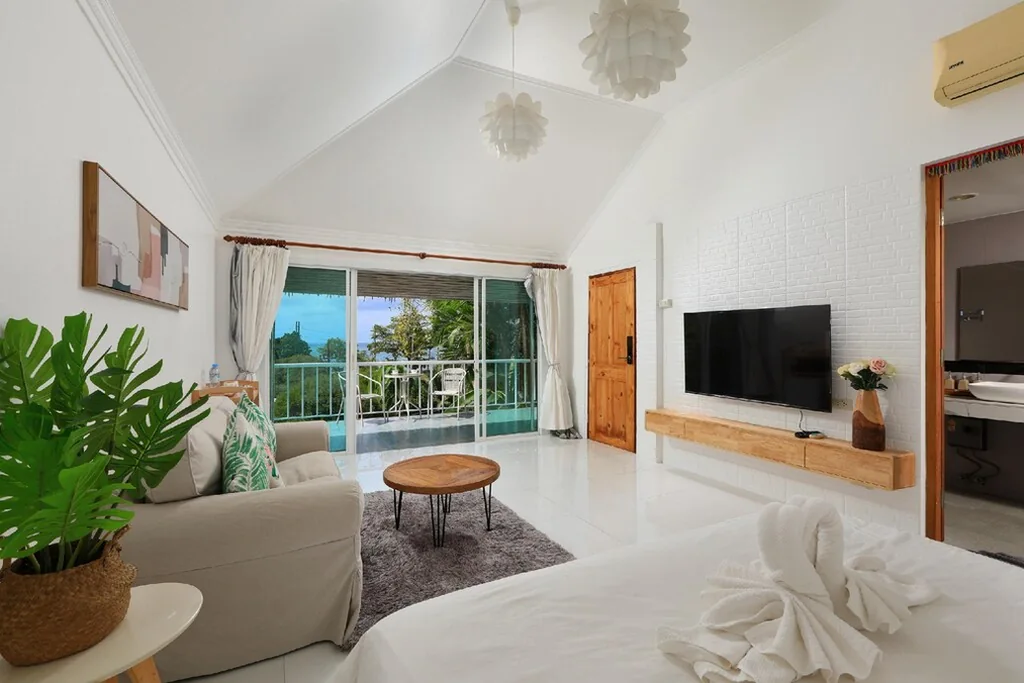
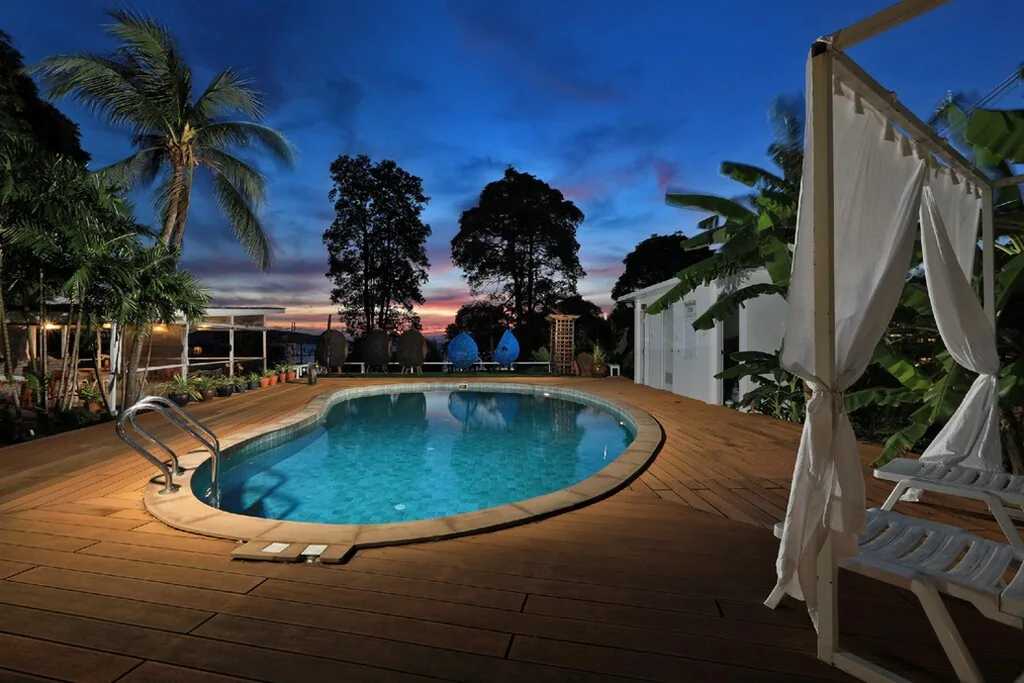
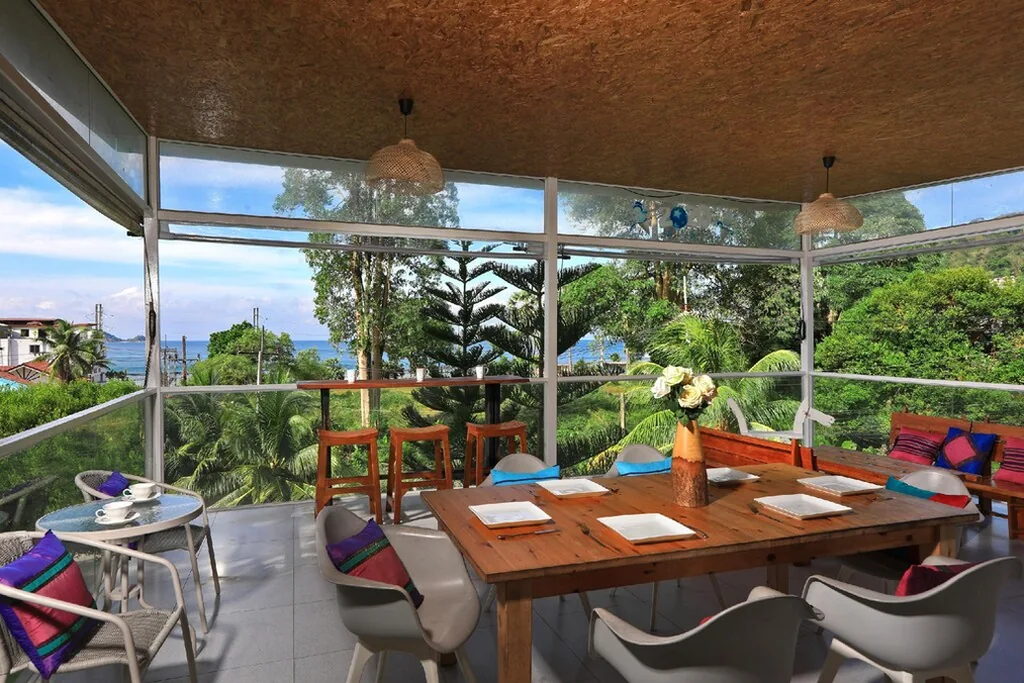
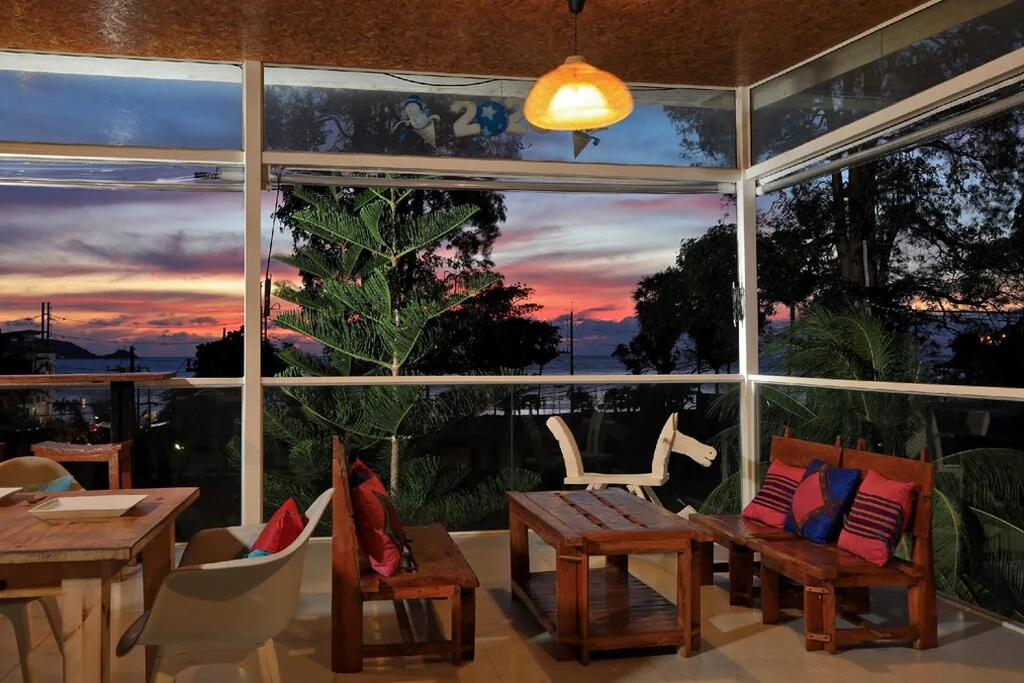
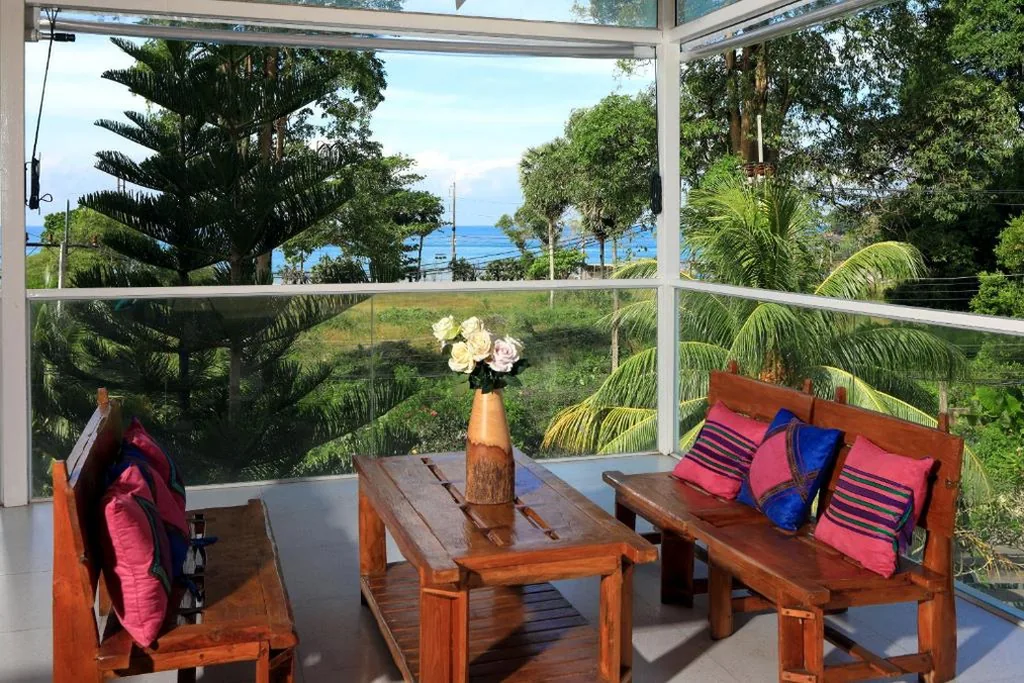
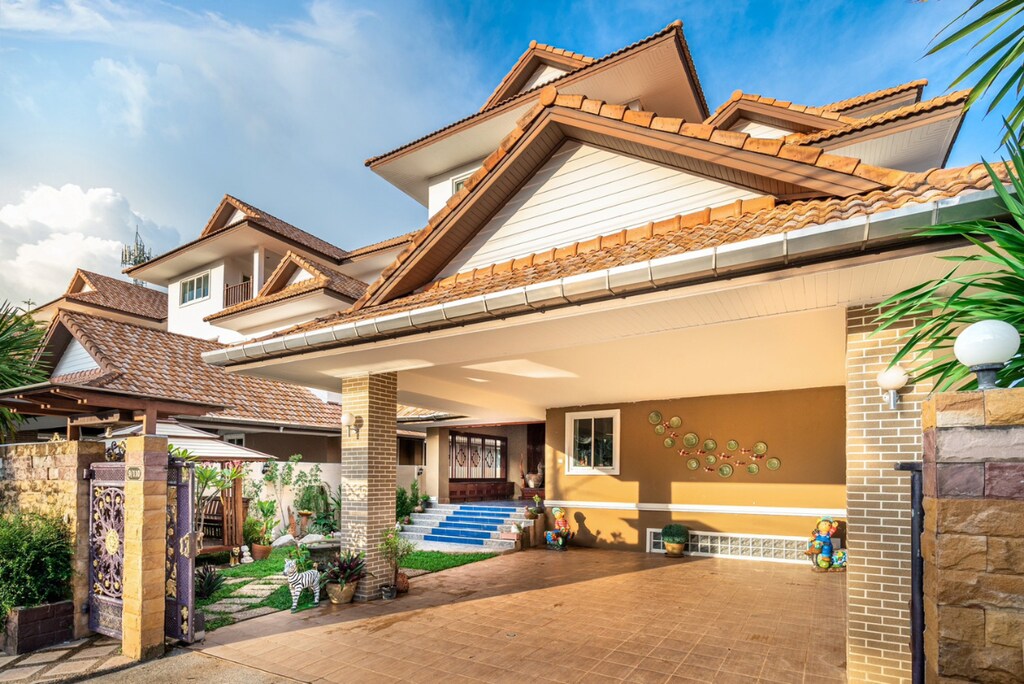
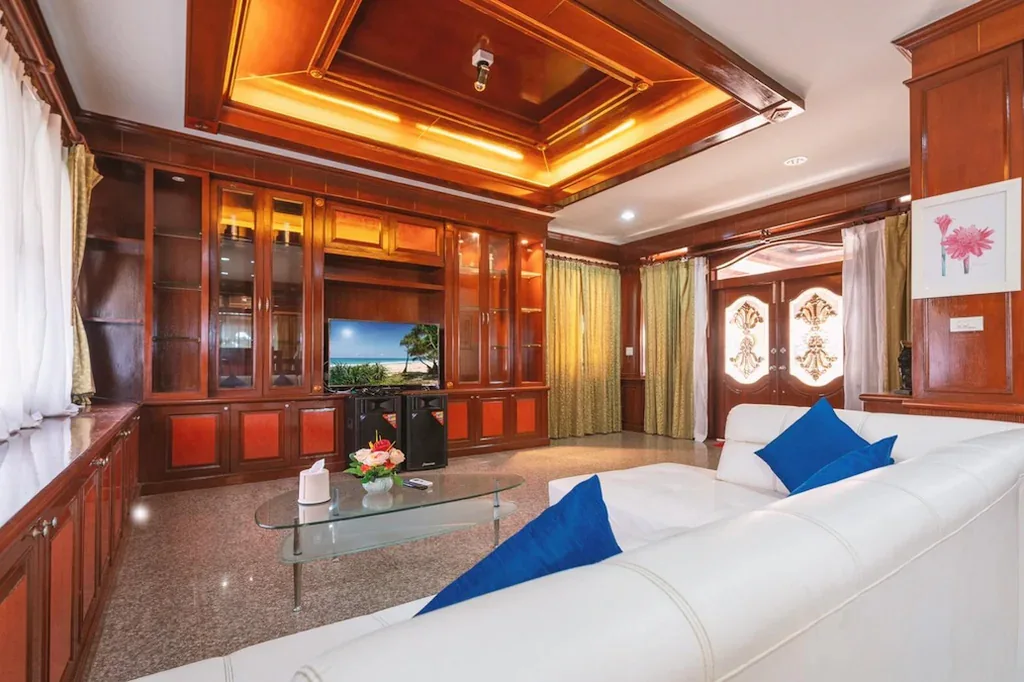
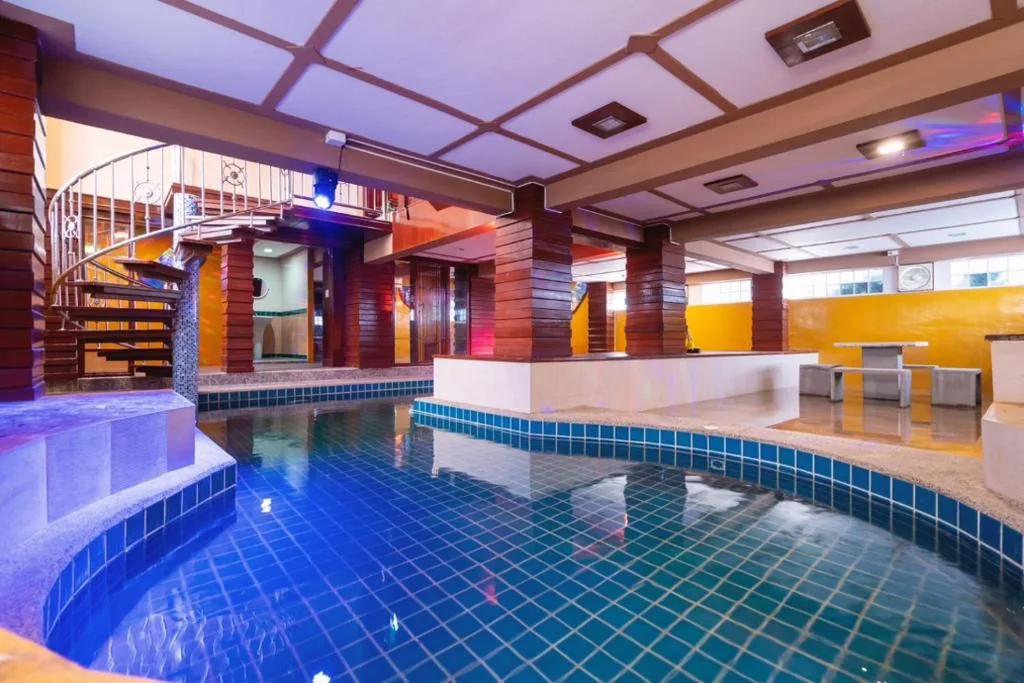
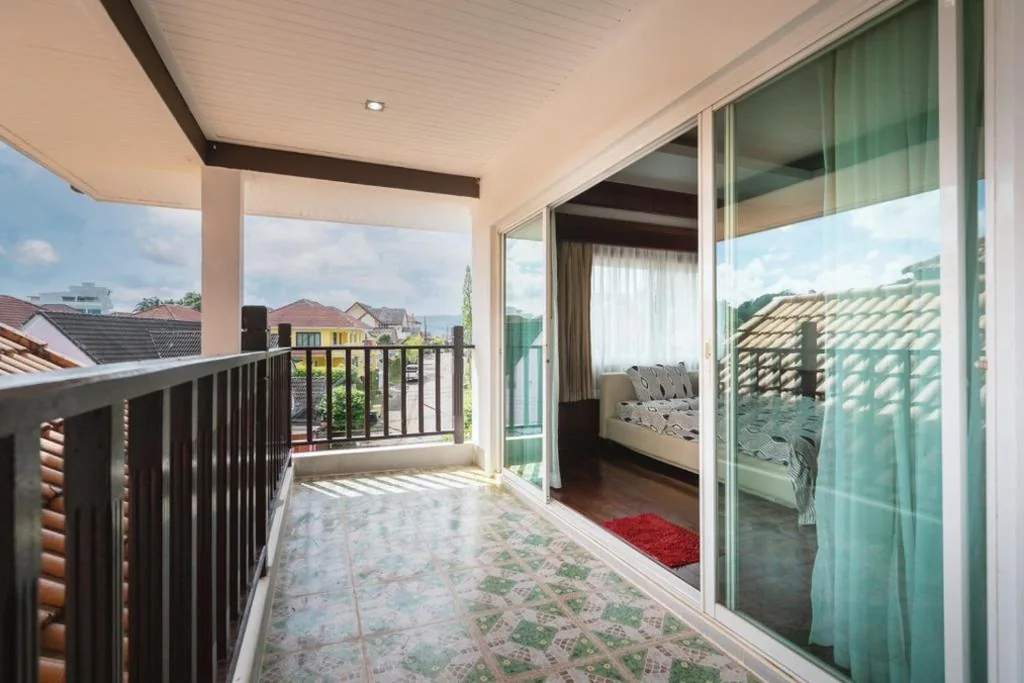
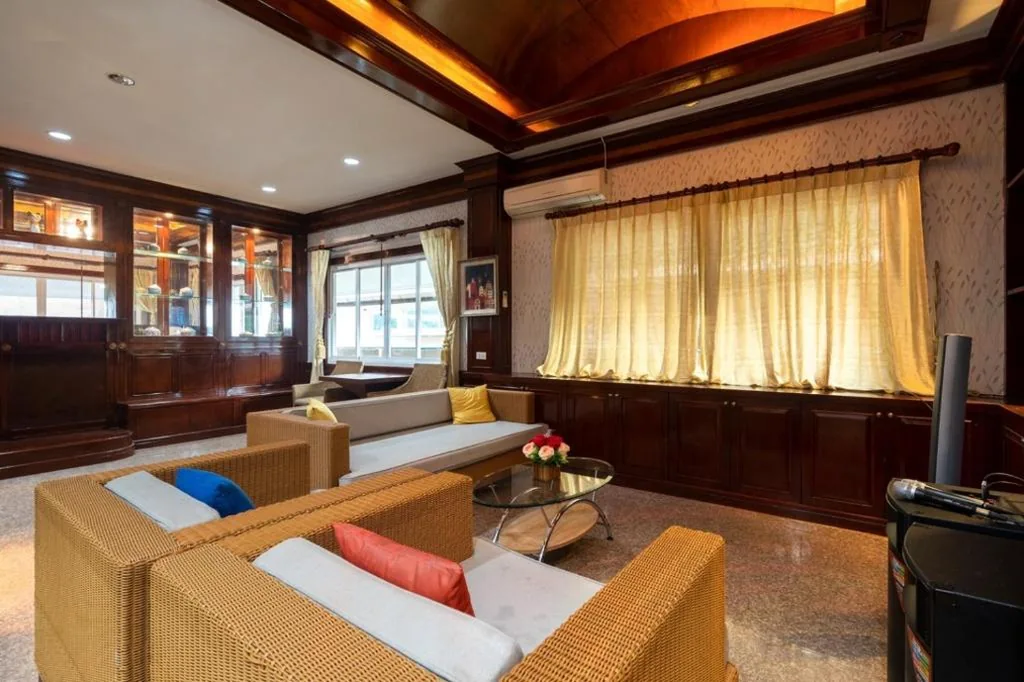
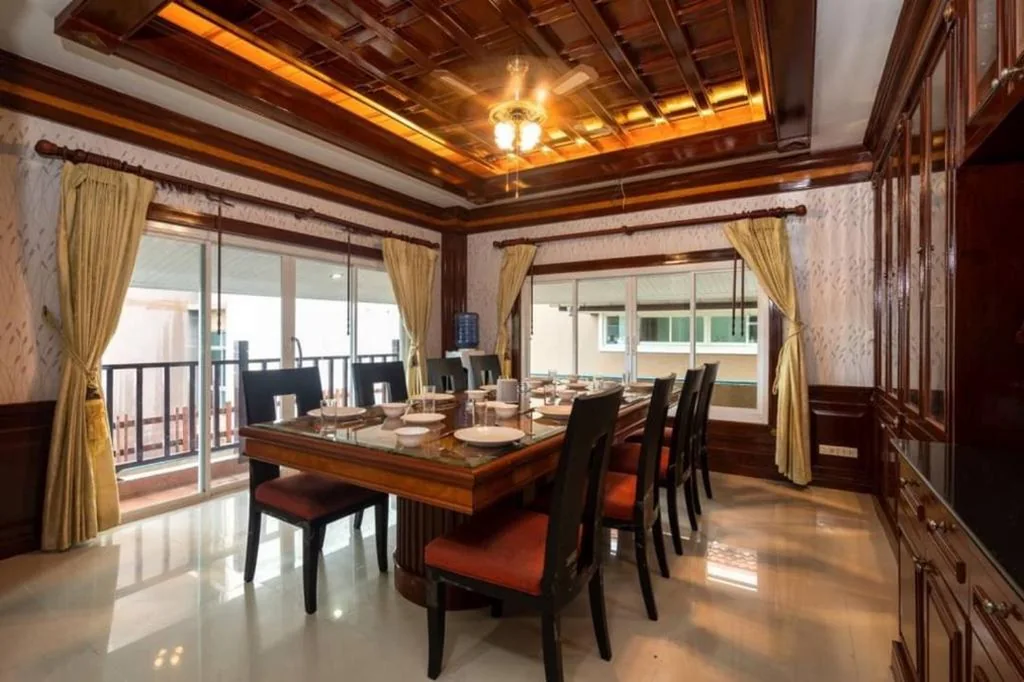
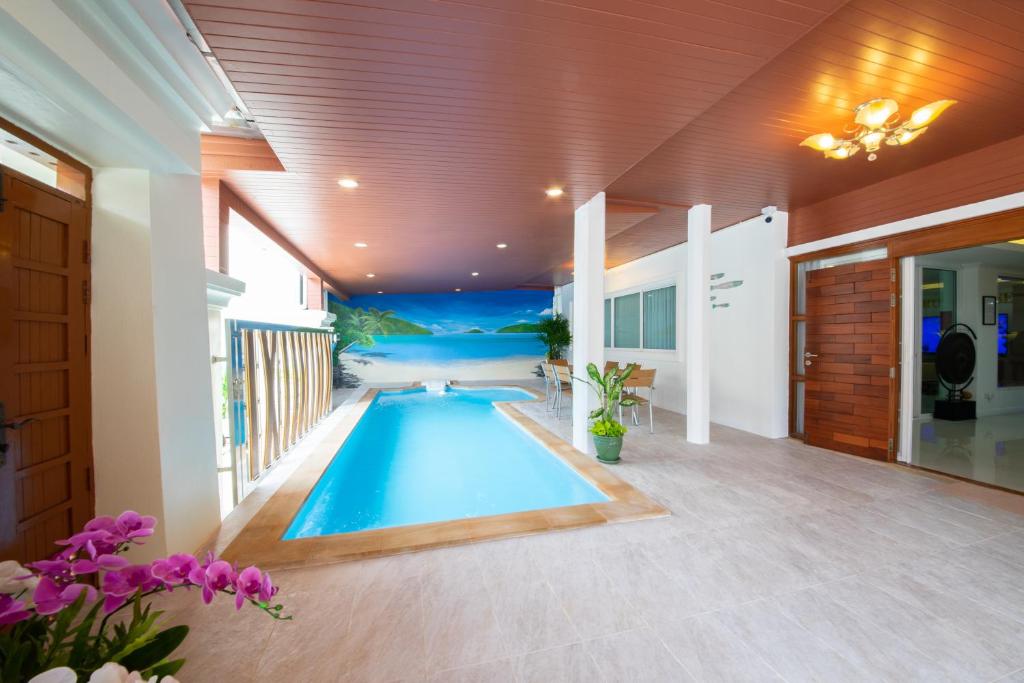
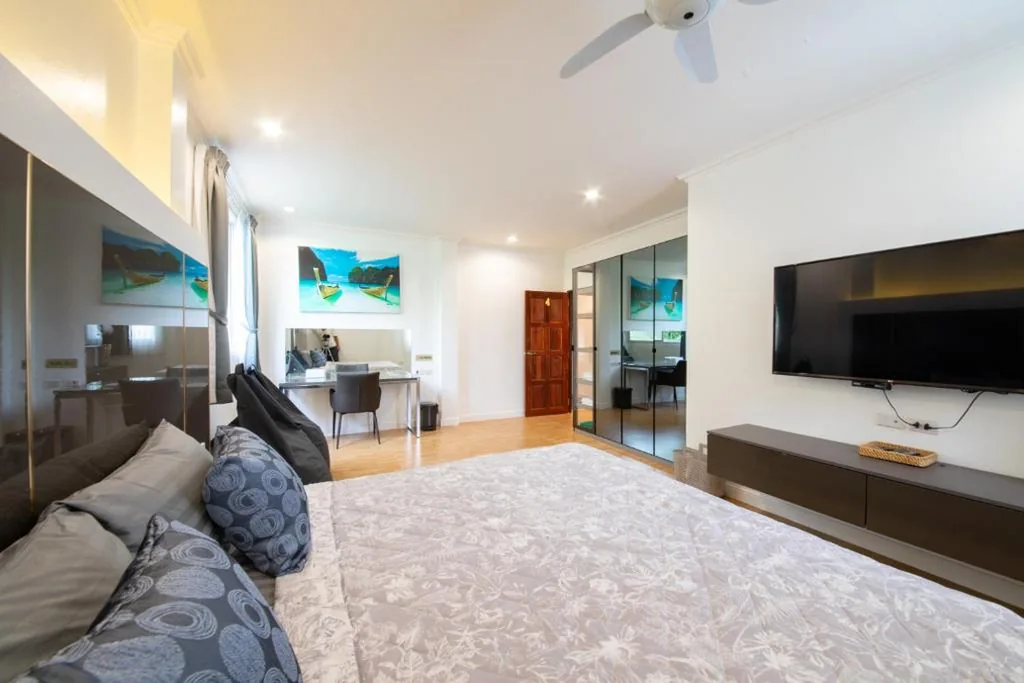
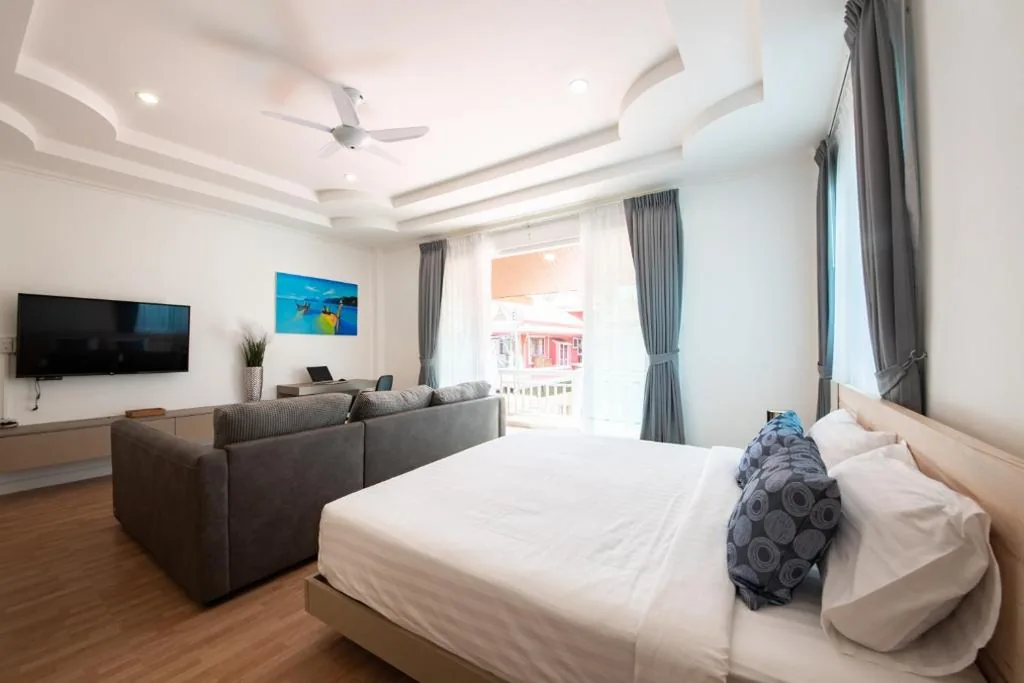
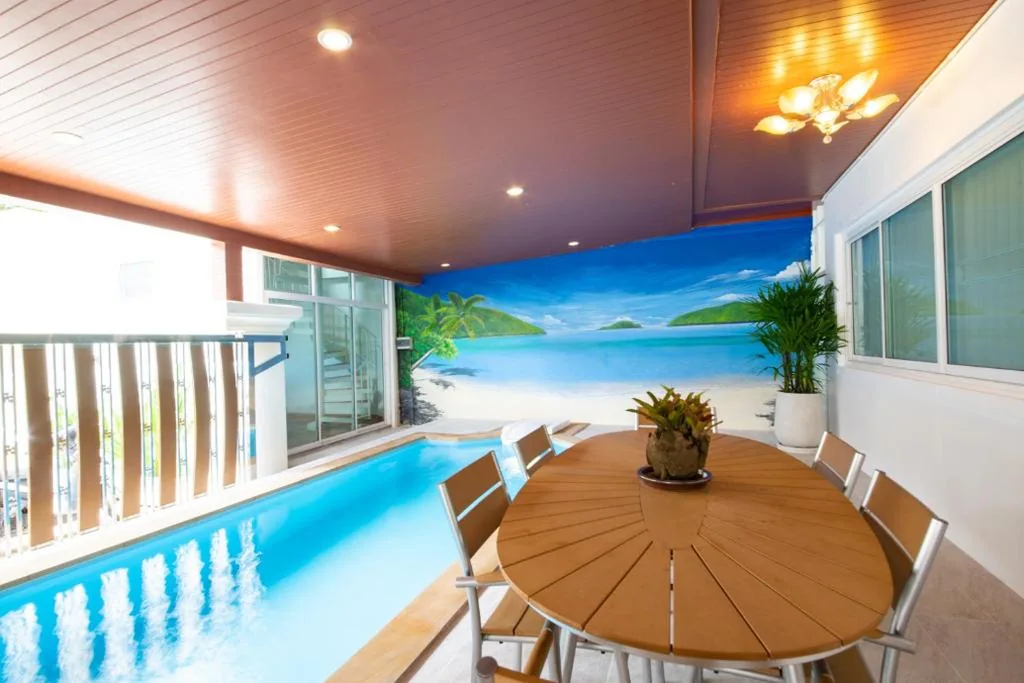
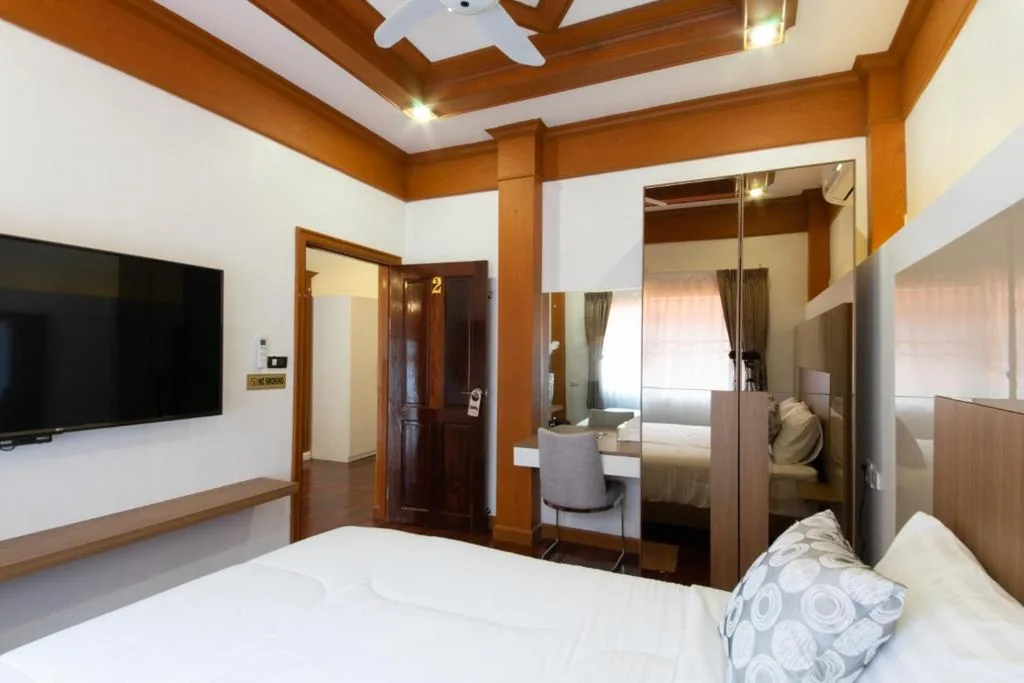
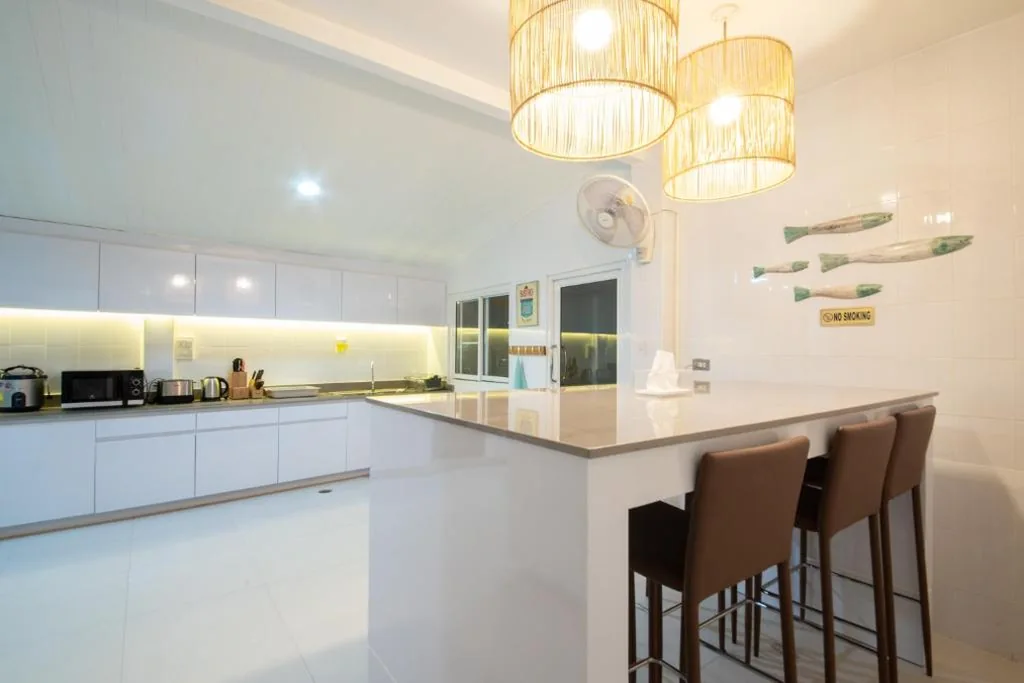
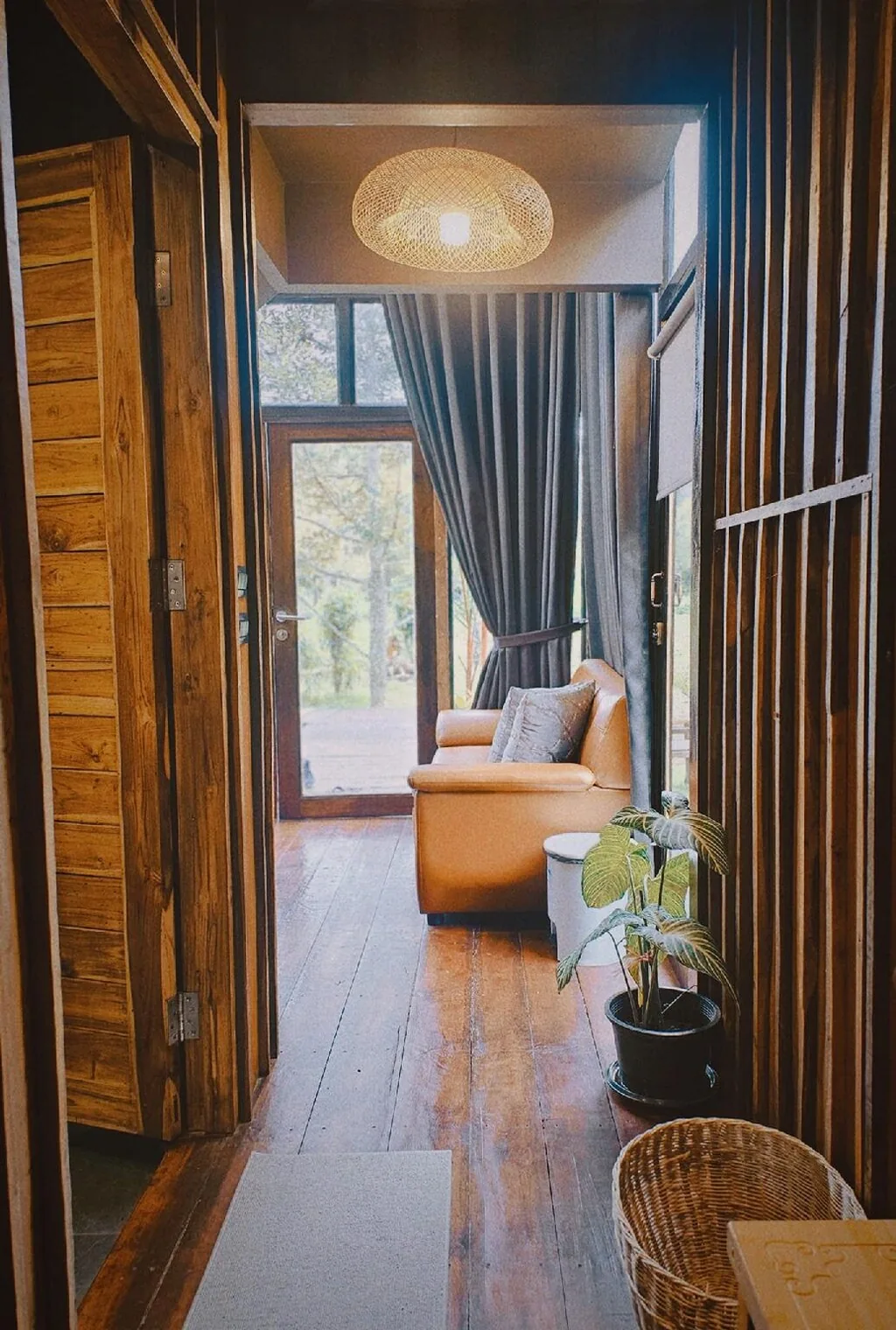
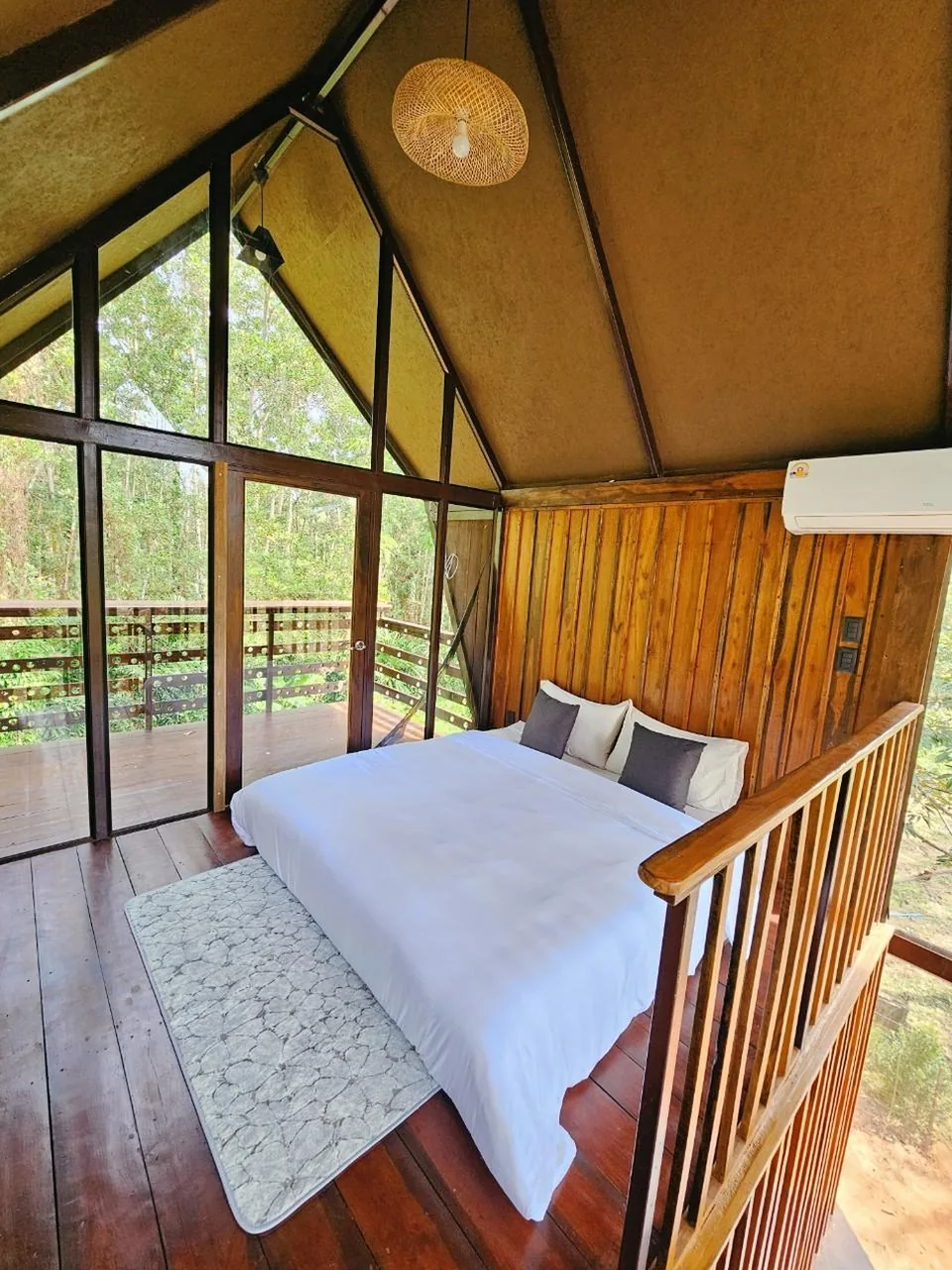
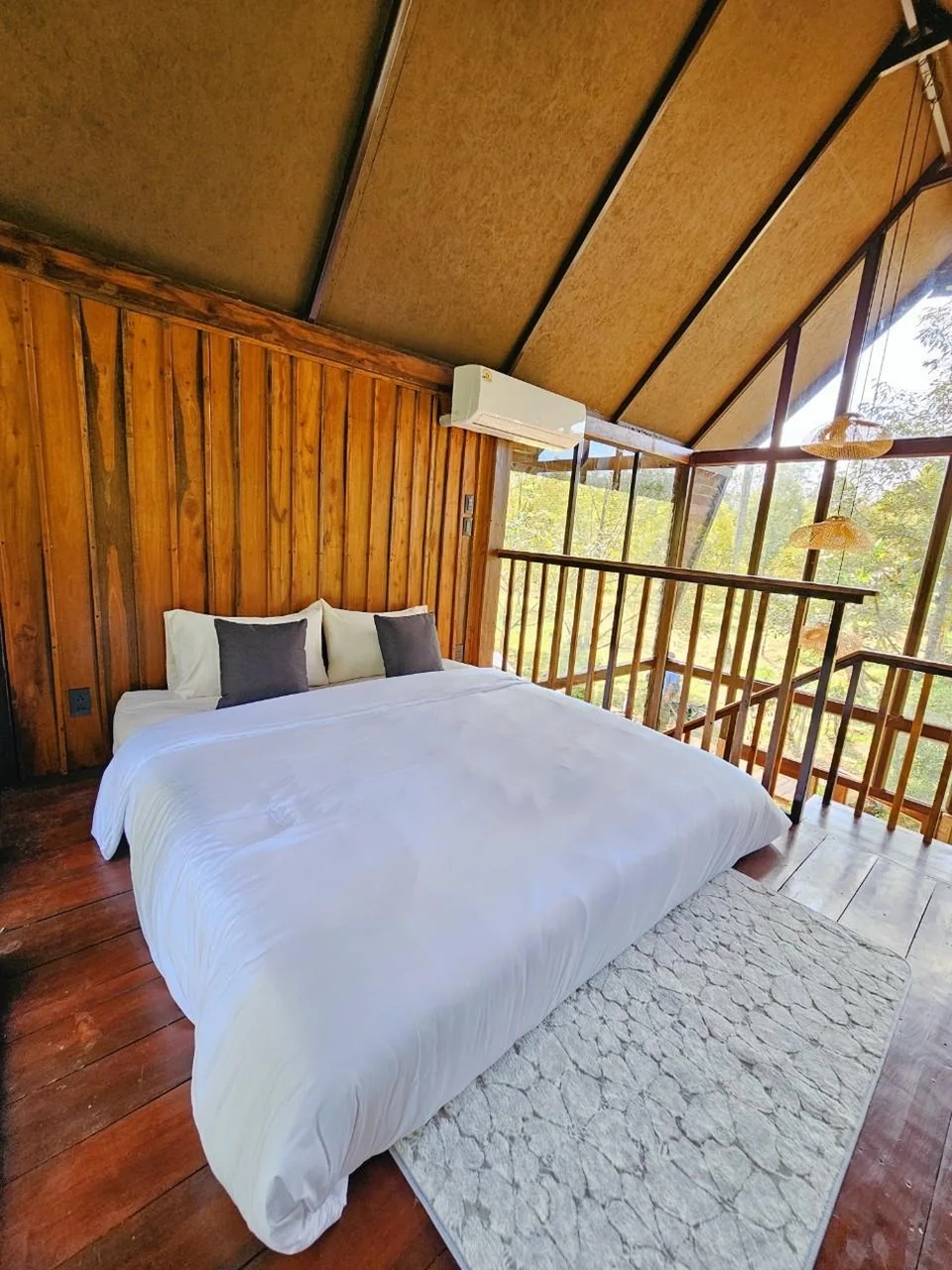
A 4-star holiday home in the Phuket Airport area with a hot tub, a garden view, a balcony or terrace and free parking.
1 roomfrom US$179 Show prices
Phuket is Thailand's largest island, set in the Andaman Sea and joined to the mainland by a bridge at its northern tip. Its west coast is a chain of sandy bays, each with its own pace: lively Patong, family-friendly Kata and Karon, the quieter coves of Kamala and Surin, the long national-park beaches of the north and the sheltered bay of Nai Harn in the south. Inland and on the east side the island changes character: Phuket Town keeps rows of colourful Sino-Portuguese shophouses from its tin-mining past, Chalong and Rawai look out over fishing boats and offshore islands, and the Big Buddha watches over the hills. Choosing the right base matters, because distances look short on the map but roads are slow.
A 4-star holiday home in the Phuket Airport area with a hot tub, a garden view, a balcony or terrace and free parking.
A 3-star bungalow in Mai Khao, Phuket, with a full kitchen, air conditioning, a private entrance and free parking, 2.5 km from the airport.
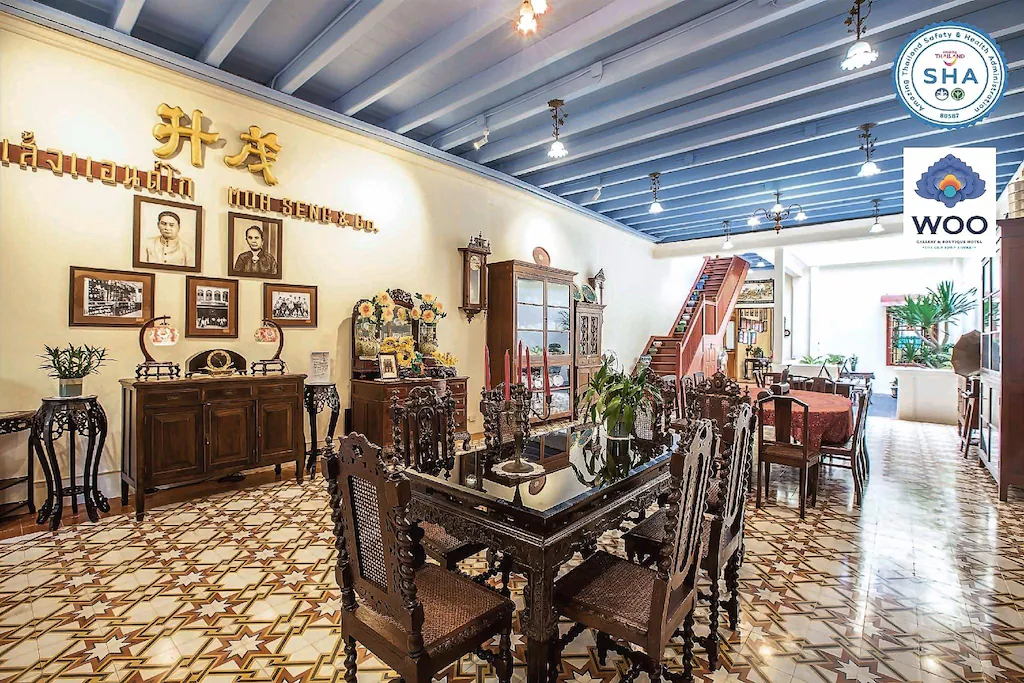
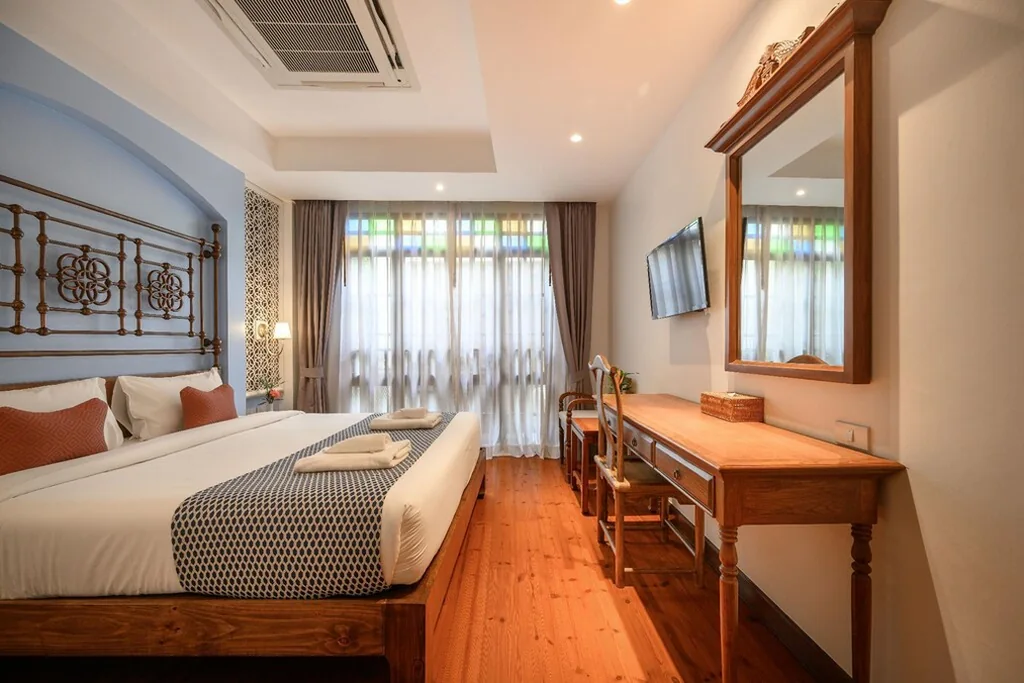
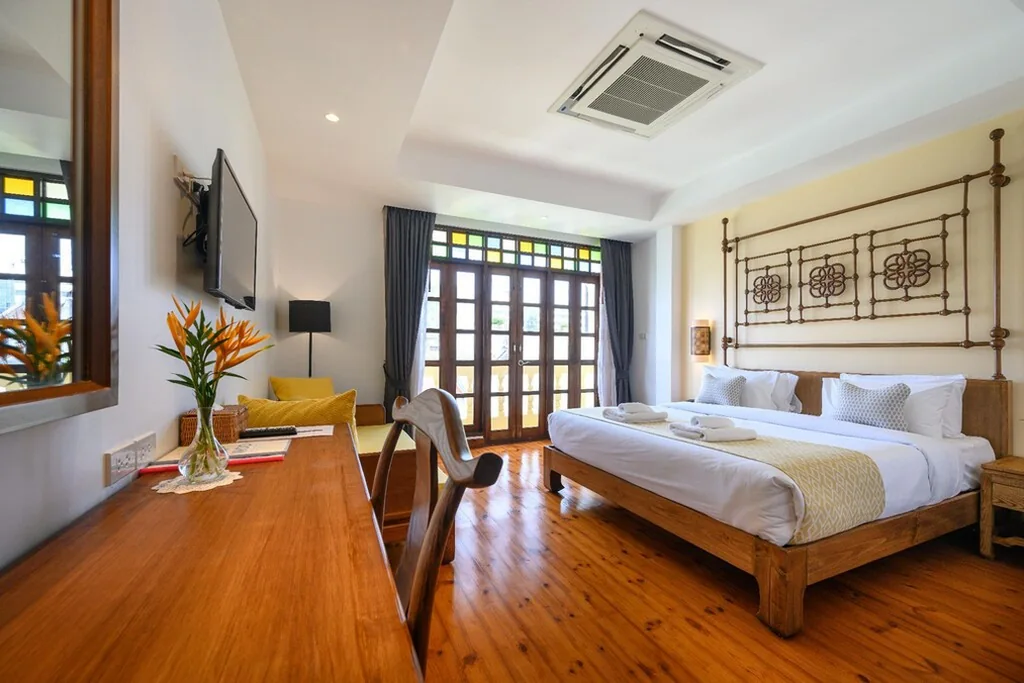
A 4-star guesthouse on Soi Soon Utis in Phuket Town, with a garden, free Wi-Fi in all rooms and Phuket Old Town 350 m away.
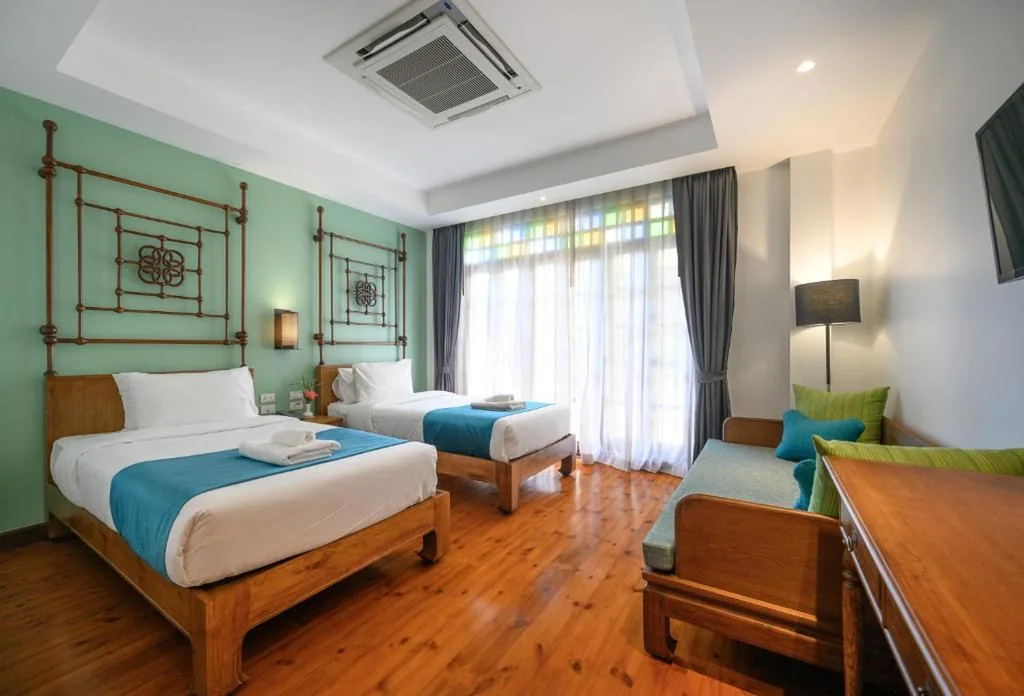
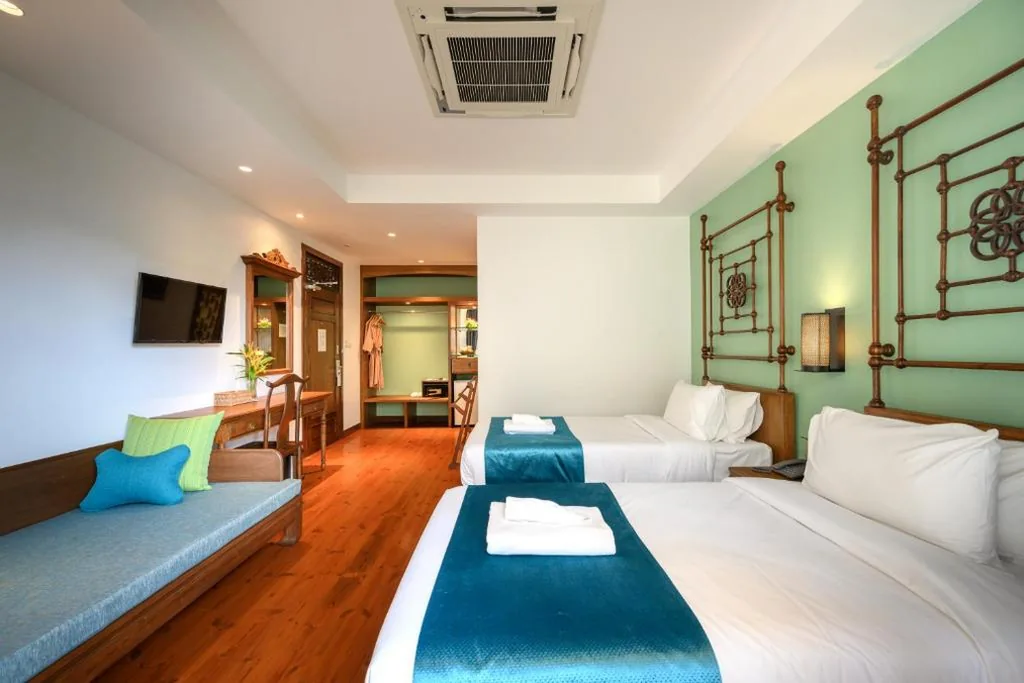
A 3-star hotel on Kata Road in Phuket with 28 m² double and twin rooms, free Wi-Fi, free parking nearby and Kata Beach 350 m away.
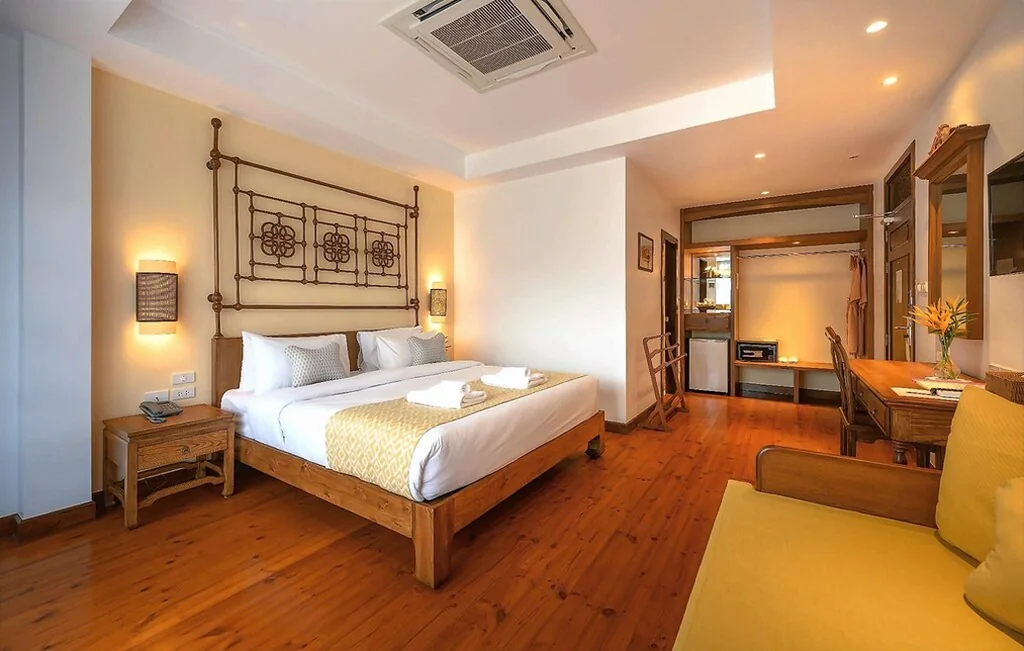
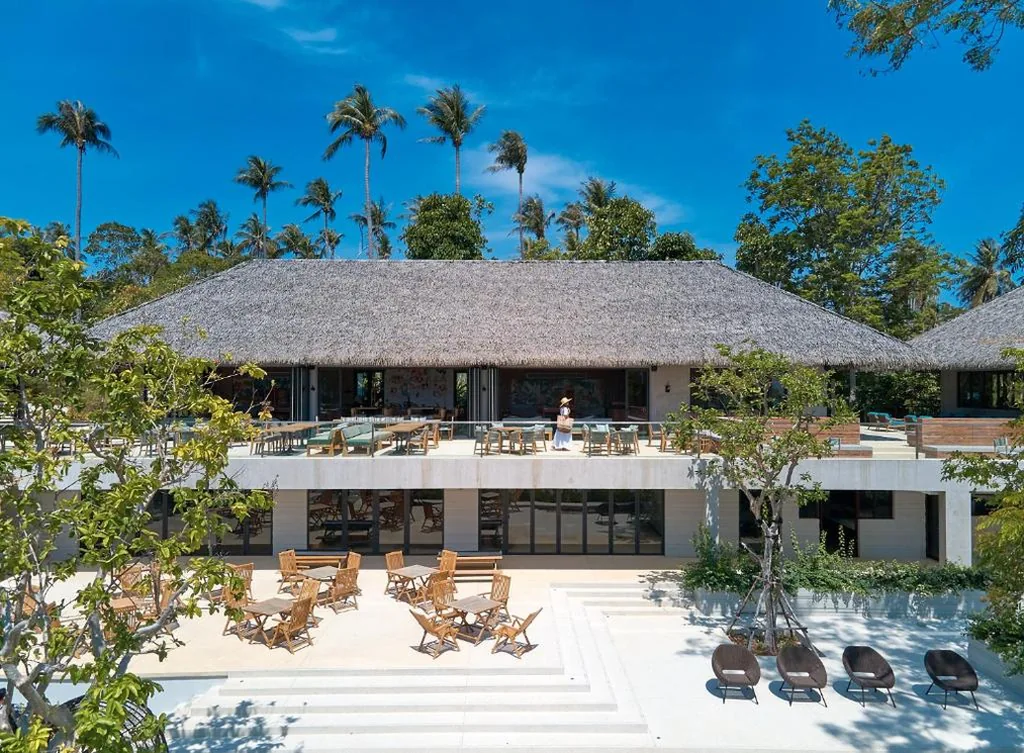
A 3-star resort in Bang Thao, Phuket, with an outdoor and an indoor pool, king-bed rooms with mountain or pool views and free parking on site.
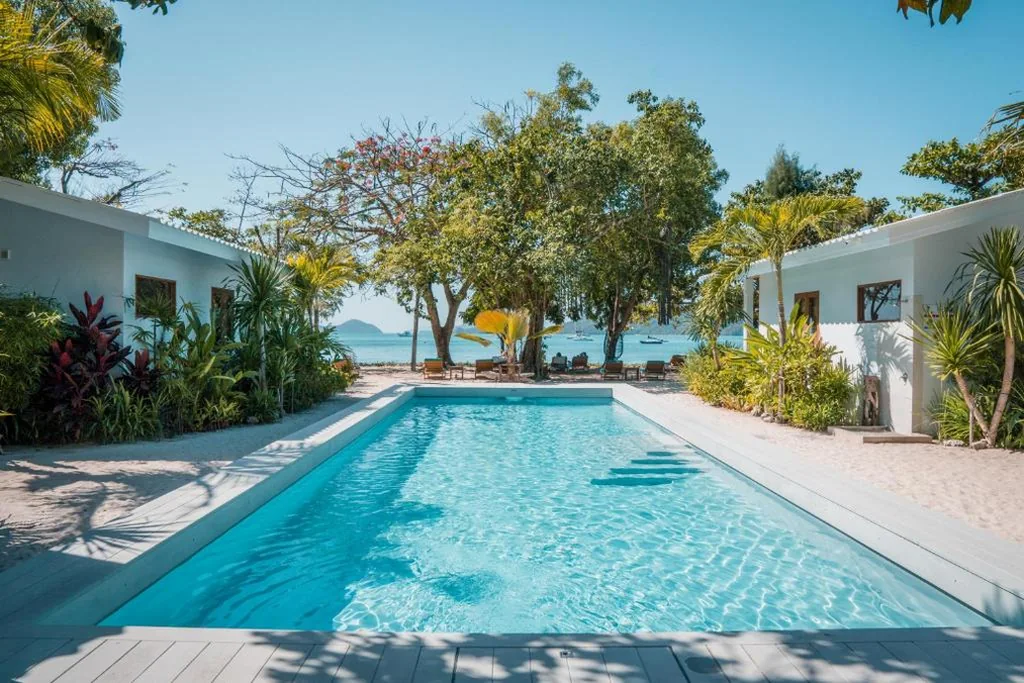
A 3-star resort on Panwa Cape in Phuket, with private-pool villas, a swimming pool, a private beach and Ao Yon Beach 550 m away.
A 3-star homestay on Koktanod Road in Kata, Phuket, with a restaurant and bar, 30 m² rooms, free parking and Kata Beach 650 m away.
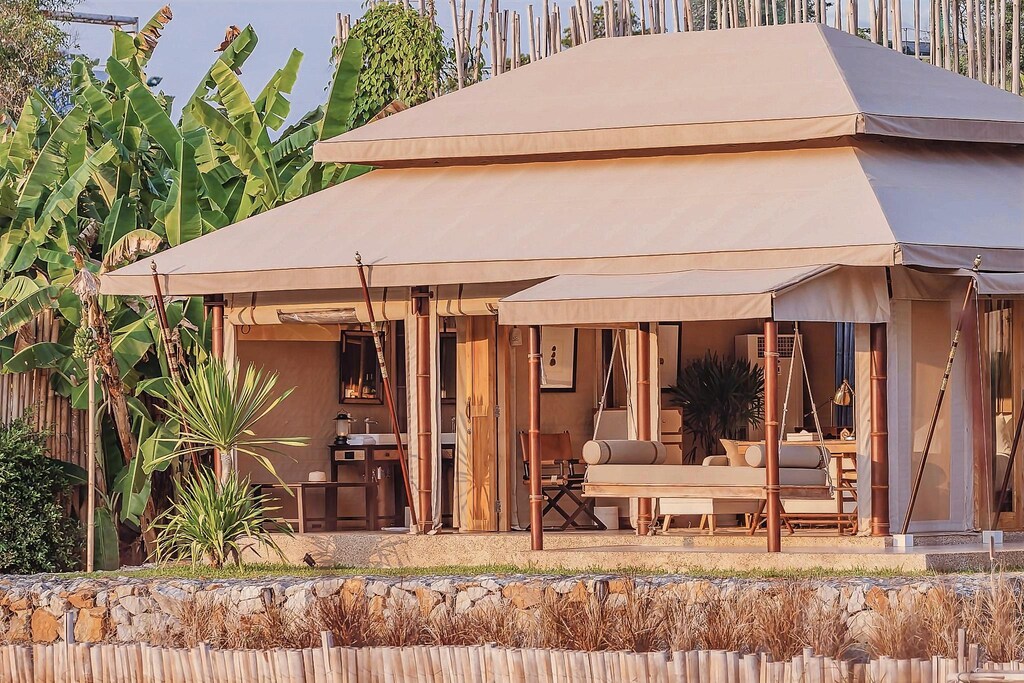
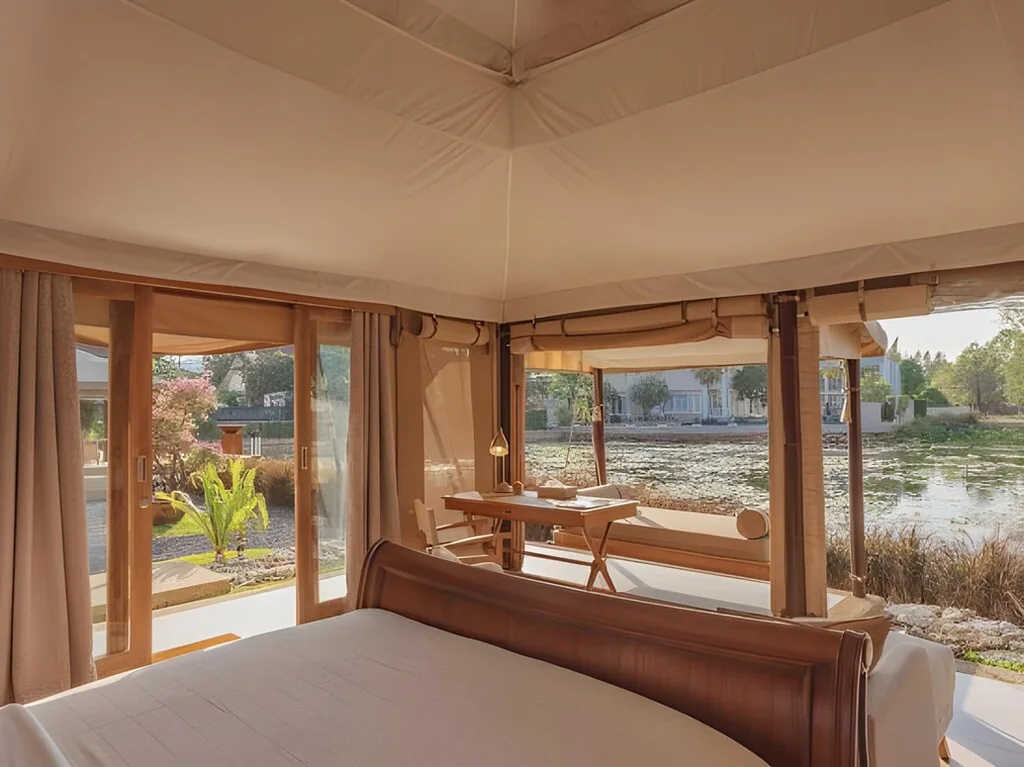
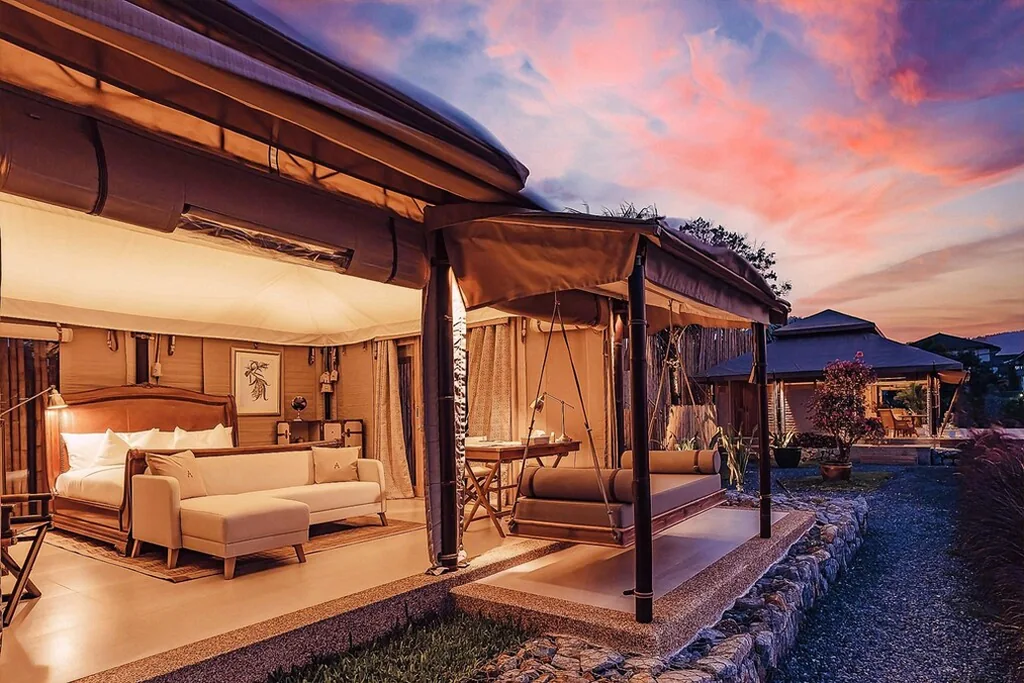
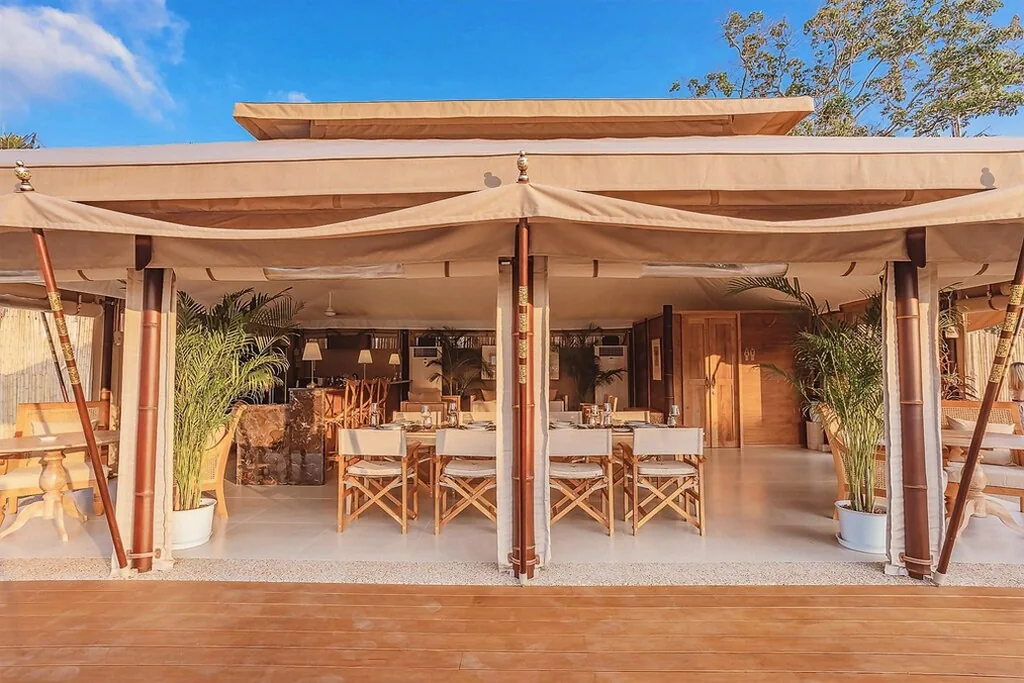
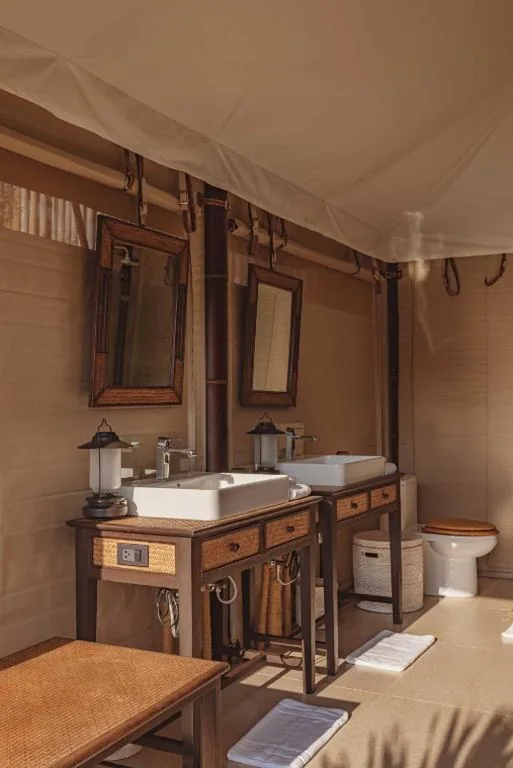
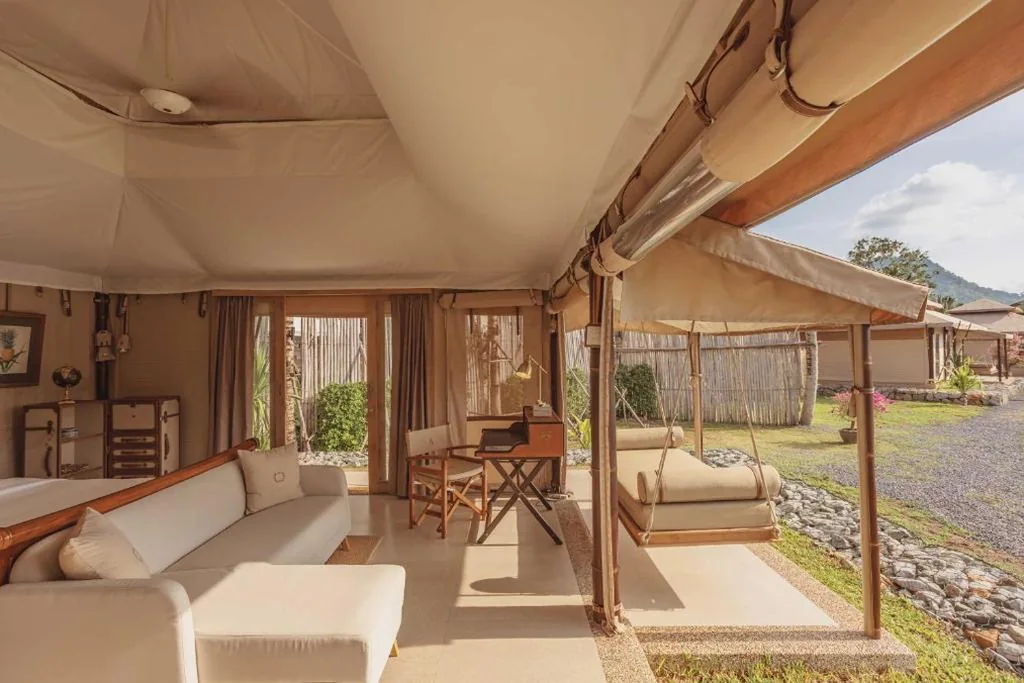
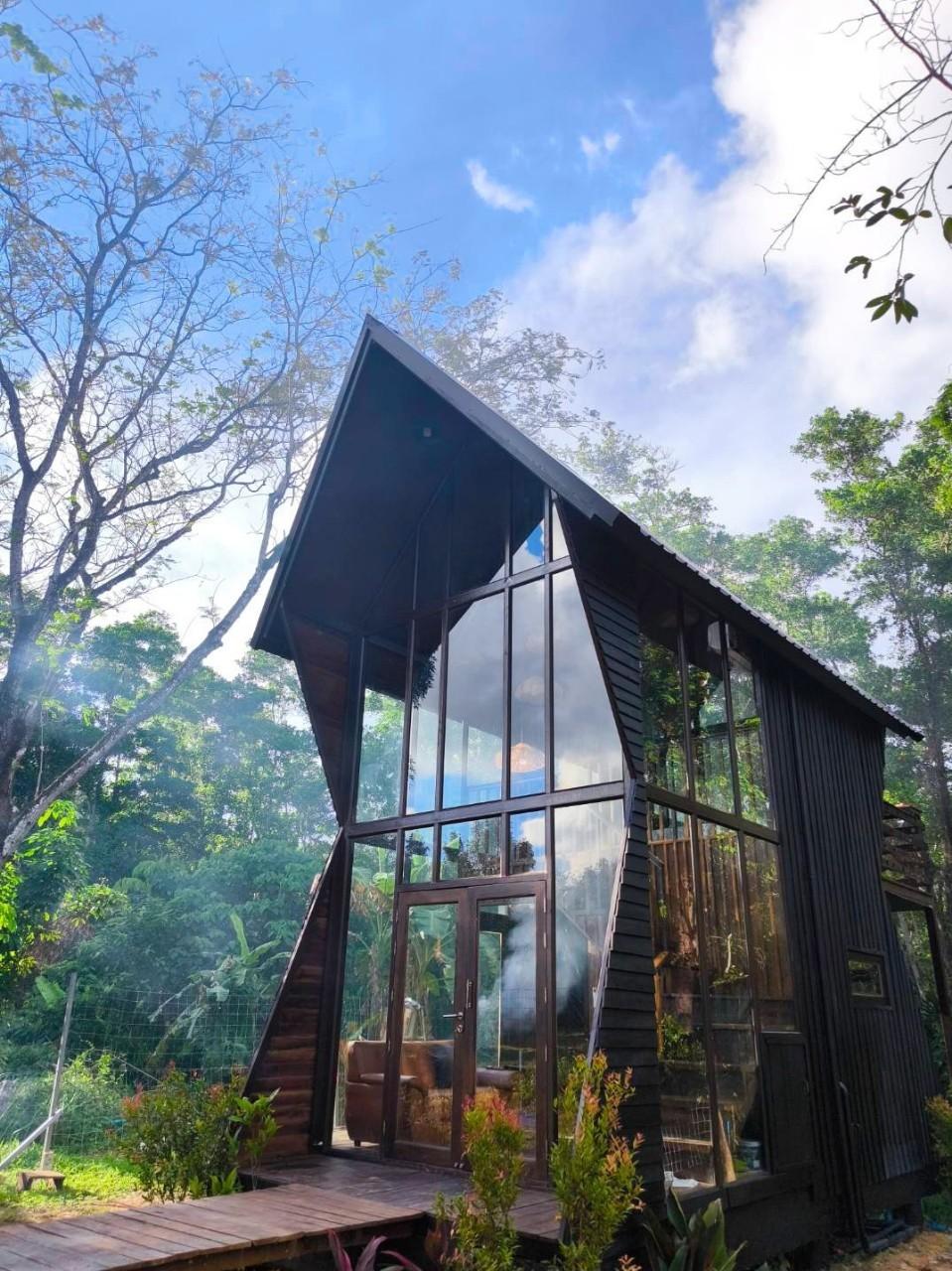
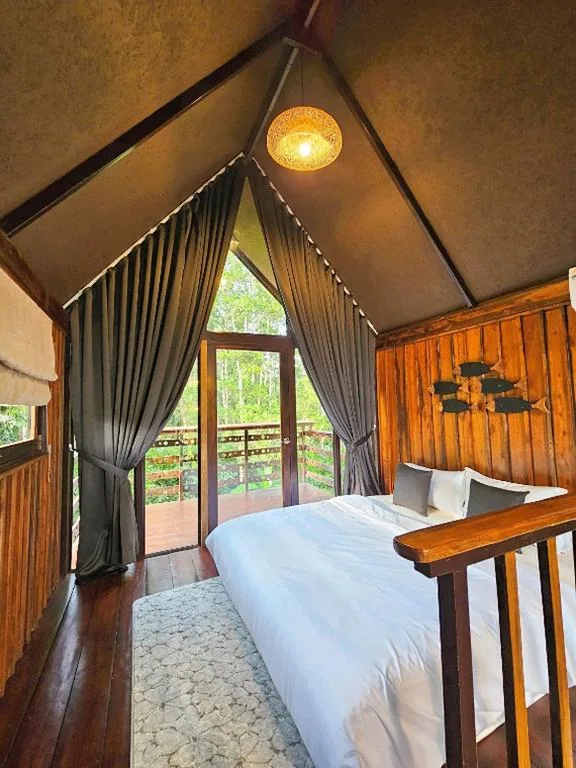
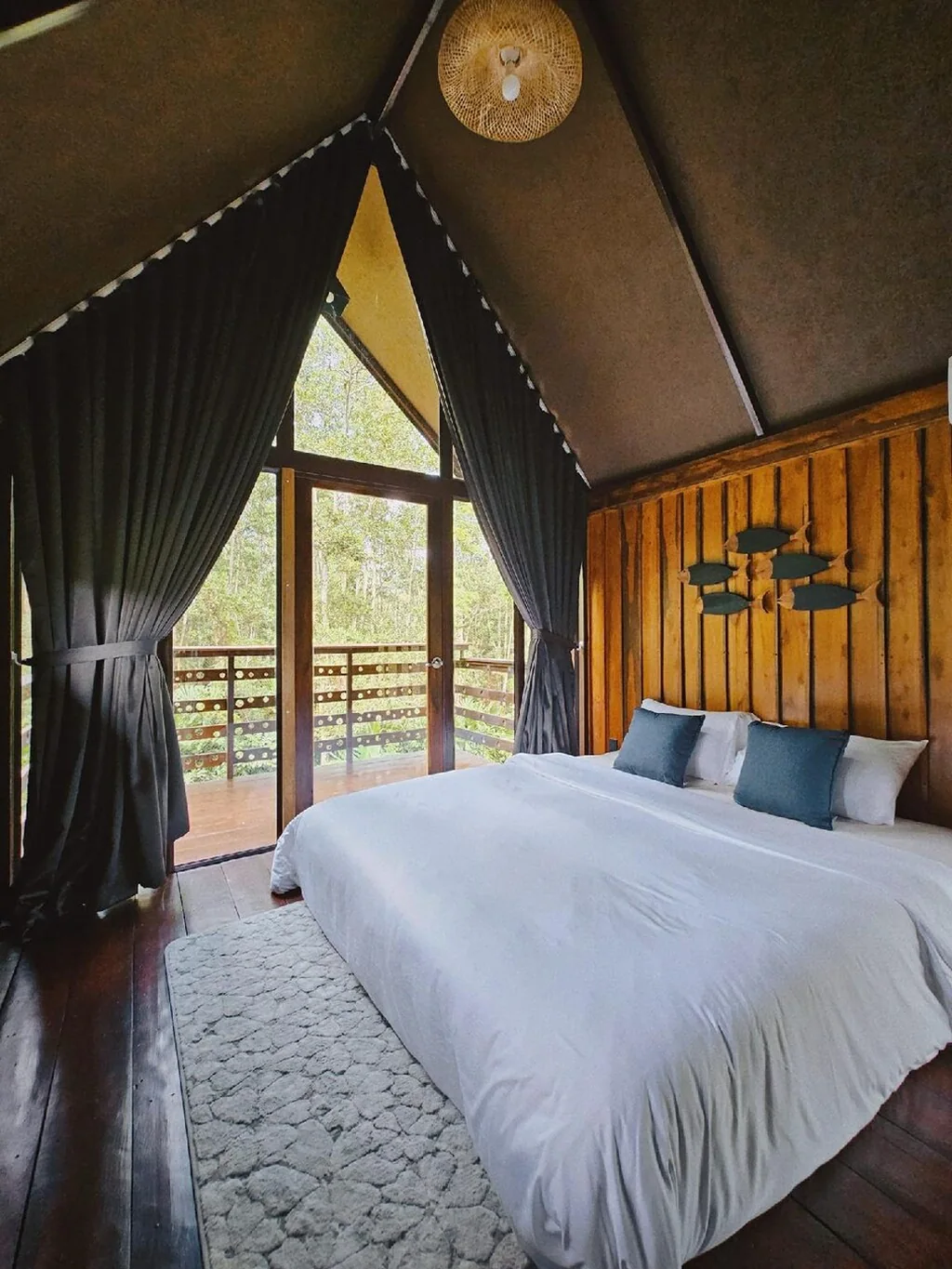
A 4-star glamping bungalow in Kokaew, Phuket, with a spa and sauna, a garden, a tennis court, mini golf and free parking, for adult guests only.
A 3-star adults-only guesthouse in the Naiyang Beach area of Phuket, with 30 m² air-conditioned rooms, a shared kitchen and free Wi-Fi.
Barringtonia pool villa is a 4-star villa in the Naiyang Beach area of Phuket, with an outdoor swimming pool, pool-view villas and free parking.
A 3-star guesthouse in Kathu, Phuket, with air-conditioned king-bed rooms, free Wi-Fi, a shared kitchen and a terrace, 4.3 km from Patong Beach.
A 3-star holiday home in Phuket Town with two bedrooms, a full kitchen and free parking, close to old-town markets, shrines and Thalang Road.
5-star villa in Kamala, Phuket, with two- and three-bedroom villas, a swimming pool, a fitness centre, complimentary breakfast and free airport transfer.
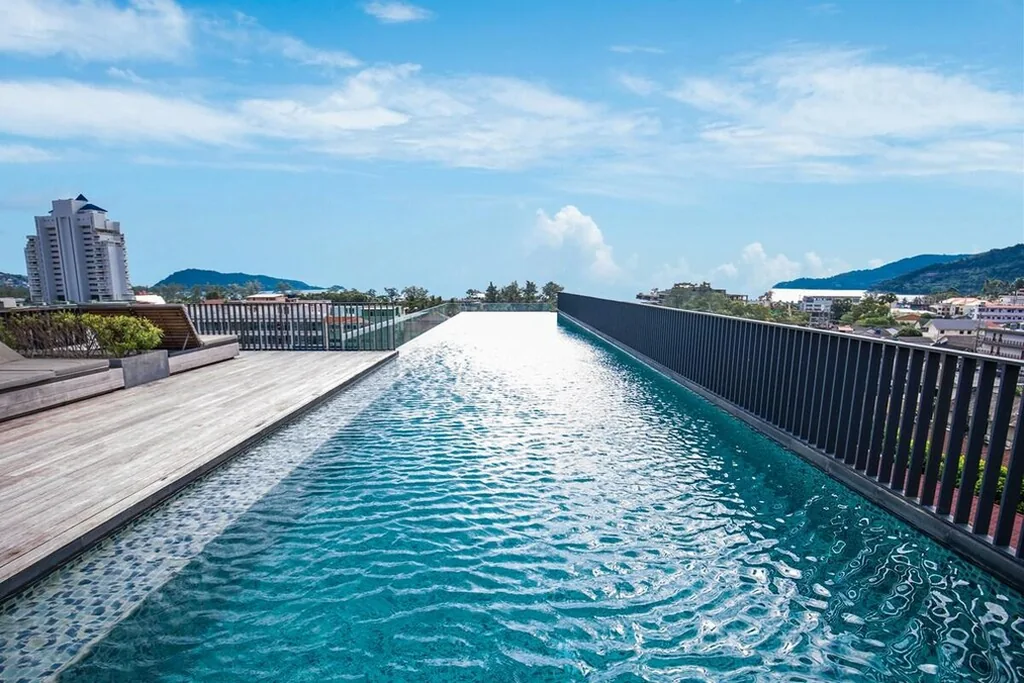
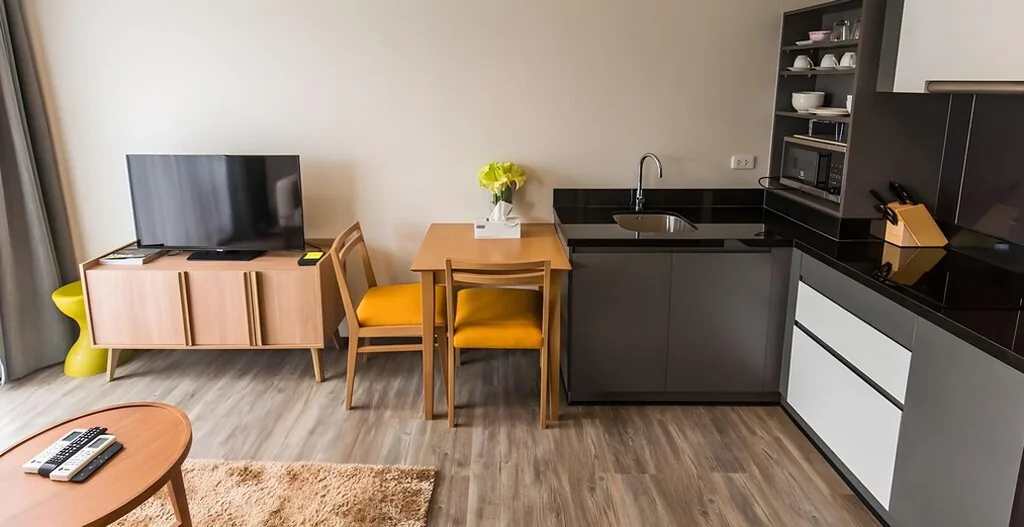
A 4-star holiday home in Patong with a one-bedroom layout of 45 m², a full kitchen, infinity pools, a gym and free parking, 550 m from the beach.
A 4-star hotel in Phuket Town with an outdoor swimming pool, a bar, restaurants and free Wi-Fi, a short walk from Thalang Road and the old town.
A 2-star hotel in the Old Town of Phuket, with a bar, a garden, an Asian breakfast and a 24-hour front desk, close to museums and markets.
A 2-star guesthouse in Chalong, Phuket, with chalets and double rooms, an outdoor pool, a garden and free parking, with Muay Thai gyms close by.
Maikhao Beach Guest House is a 3-star guesthouse in Mai Khao, Phuket, with a garden, a shared kitchen, free parking on site and the beach 100 m away.
A 4-star resort on Panwa Cape in Phuket, with bungalows and a villa, an outdoor swimming pool, a private beach and Ao Yon Beach 350 m away.
A bungalow in Phuket's Ao Por area, with a 36 m² river-view bungalow, kitchen facilities, a garden and free parking.
A 4-star resort in the Patong area of Phuket, with an outdoor pool, a garden, a bar and restaurants, free parking and a beach 350 m away.
A 4-star pool villa in Phuket Town, with villas of two to six bedrooms, outdoor and indoor pools, free parking and pets welcome.
A 4-star villa in Patong, Phuket, let as a whole house of 380 m² with a mountain view, a kitchen and free parking, 1.1 km from Patong Beach.
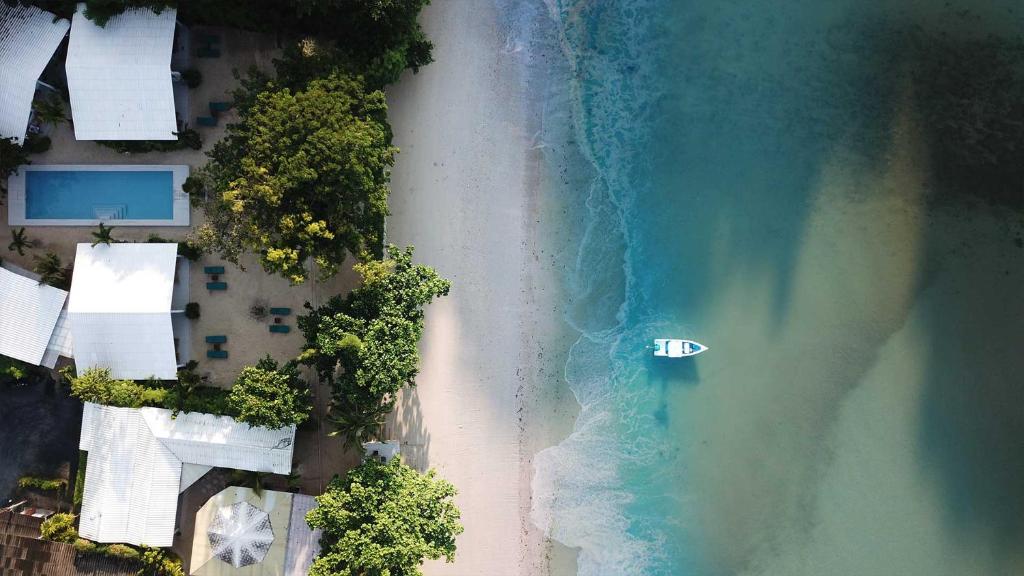
Villa Escape Burasari is a 5-star resort in the Coconut Island area of Phuket, with a private beach, an outdoor swimming pool, a spa and villas of one to four bedrooms.
1–24 of 50 places
Patong is the island's busiest resort: a wide bay backed by shopping malls, jet-ski hire and the bars and clubs of Bangla Road, which stays loud late into the night. It suits travellers who want nightlife, restaurants and boat-tour desks within walking distance, and it has the widest spread of budgets. If you value quiet evenings, a calmer bay nearby lets you enjoy Patong for a night out and sleep elsewhere.
Kata and Karon, just to the south, are the classic choice for families and first-timers. Kata is a curved bay with a relaxed village behind it, while Karon is a longer, broader stretch of sand where it is easy to find space. Kata Noi, over the headland, is calmer still. In the monsoon months the swell brings surfers to Kata, but on red-flag days the sea is for watching, not swimming, on both beaches.
North of Patong, Kamala is a low-rise village on a gentle bay, popular with families and longer stays. Surin is a compact, pretty beach with upmarket villas on the slopes around it, and Bang Tao is a long sweep of sand with a large resort complex around its lagoons and a string of beach clubs. All three are calmer in the evening, with Patong close enough for a night out.
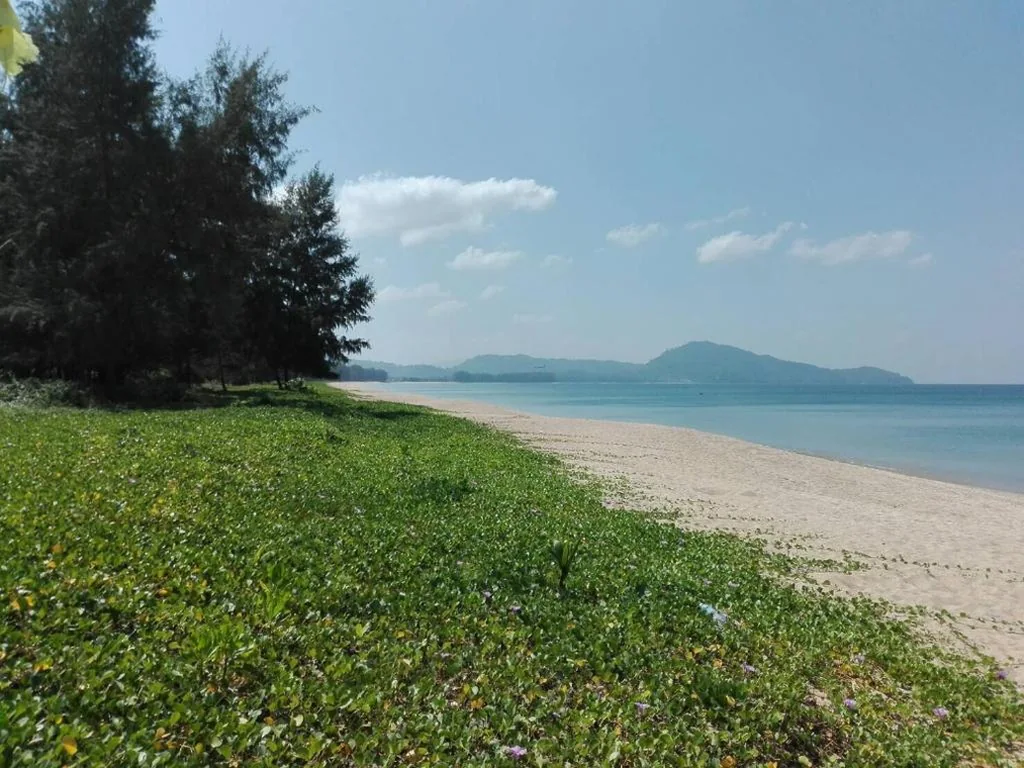
Nai Yang and Mai Khao, near the airport, lie inside Sirinat National Park. Mai Khao is Phuket's longest beach and a sea-turtle nesting beach, so long stretches stay undeveloped and quiet. The area is ideal for a first or last night, or for a slow stay, but everything else on the island is a long drive away.
In the far south, Nai Harn is a sheltered bay with a freshwater lake behind it and one of the calmest swims on the island in the dry season. Neighbouring Rawai is a waterfront of longtail boats and a seafood market rather than a swimming beach, with a residential feel and many long-stay visitors. Boats leave from here and from Chalong pier for the offshore islands.
The east coast looks towards the sheltered waters of Phang Nga Bay rather than the open Andaman Sea. Chalong is a working district of temples, piers and local restaurants, convenient for boat trips and diving. Cape Panwa is a quiet peninsula of small coves, with a public aquarium run by the marine research centre at its tip. Phuket Town has no beach, but its old quarter of shophouses, cafés, markets and Chinese shrines is the best base for food and culture.
Phuket's old town grew rich on tin mining in the nineteenth century, when Chinese workers and traders arrived, many by way of Penang. The result is a quarter of Sino-Portuguese shophouses with stucco, columns and painted tiles along Thalang, Dibuk, Krabi and Yaowarat Roads and the narrow Soi Romanee. On Sunday evenings Thalang Road closes to traffic for the walking-street market the locals call Lard Yai, with snacks, crafts and street performers.
Wat Chalong, formally Wat Chaiyathararam, is the most important of the island's Buddhist temples, honouring the venerated monks Luang Pho Chaem and Luang Pho Chuang; its tall chedi holds a relic of the Buddha. Above Chalong Bay, the white-marble Big Buddha sits on Nakkerd Hill with wide views. Cover shoulders and knees and remove shoes before entering temple buildings. Promthep Cape, the southern tip, draws crowds at sunset, and the roadside Karon viewpoint takes in Kata Noi, Kata and Karon in one frame.
From the piers you can reach some of the Andaman Sea's best-known scenery. Phang Nga Bay is a national park of limestone karsts, sea caves and hidden lagoons explored by sea kayak, including Khao Phing Kan, known as James Bond Island, with the rock pinnacle of Koh Tapu beside it. Koh Phi Phi lies across the water in a Krabi national park, reached by ferry from Rassada pier near town. Racha Yai and Coral Island, south of Chalong, offer easy snorkelling, while the Similan Islands, further north, close to visitors every year during the monsoon. Longer journeys around the southern Thailand start from the same piers.
Phuket follows the Andaman pattern. The southwest monsoon brings the rainy season from roughly May to October, usually as heavy showers in the afternoon or evening rather than all-day rain, with September and October the wettest. From November the sea settles, and the cool, dry months until about February give the calmest water and clearest snorkelling. March and April are hot, with the sea still mostly calm.
In the rainy season the west-coast beaches change completely. Large waves and rip currents make swimming dangerous, and drownings happen most years, often on days when red flags were flying. Red means do not swim, yellow means swim with caution, and red-and-yellow flags mark the zone watched by lifeguards: swim between them. Even shallow water can pull you out, so swim only near lifeguards and follow their whistles. Boat trips still run in this season but can be cancelled at short notice.
Phuket International Airport is in the far north of the island, about 30 kilometres from Phuket Town, so transfers to the southern beaches take a good while. There is no railway on the island: overland travellers come by bus across the bridge from the mainland, or by train to Surat Thani and then bus. At the airport you will find taxi and limousine counters, an airport bus along the west coast and ride-hailing apps, which follow the airport's own pick-up rules.
On the island, air-conditioned public buses link the airport with the main west-coast beaches and a free shuttle loops around the old town; check current routes before relying on them. Local songthaews also run from town out to some beaches in daytime, but moving along the coast usually means a taxi or an app. Hiring a scooter requires a valid motorcycle licence, as well as an international driving permit; helmets are compulsory for rider and passenger, and road accidents are common, so check your insurance first.
For beach holidays, November to April is the most reliable period, when the Andaman Sea is calmer and rain much less frequent. December to February is the coolest stretch and generally the busiest. The rainy months from May to October bring fewer visitors, greener hills and lower demand, but rough seas on the west coast, so plan for town, temples and sheltered east-side trips on stormy days.
Kata and Karon are the usual first choice for families, with wide sand, plenty of casual food and a relaxed pace after dark. Kamala is a quieter alternative with a gentle bay. Families who want space and a short airport transfer often pick Nai Yang. Wherever you stay, keep young children close in the water from May to October, when waves build quickly.
Often it is not, at least on the west coast. Between May and October strong surf and rip currents form on beaches such as Kata, Karon, Patong and Bang Tao, and the authorities post red flags when the sea is dangerous. Never ignore a red flag, choose stretches watched by lifeguards and, if a current takes you, swim parallel to the shore rather than against it.
The simplest option is a taxi or pre-booked car from the official counters in the arrivals hall, which take you door to door anywhere on the island. Budget travellers heading for the west coast can use the airport bus, which stops near the main beaches. App-based rides also serve the airport. Allow plenty of time for the southern areas, since the airport sits at the island's northern end.
Yes, for a night or two, especially if you enjoy food, markets and architecture. Town is where you find local cafés, Southern Thai cooking and the Sunday market on Thalang Road. It has no beach of its own, so most visitors combine a short town stay with several nights on the coast, using taxis or buses to reach the sand.